CALL NOW TO GET A FREE ESTIMATE->

How to Remove Deep Oil Stains from Concrete Driveways
We understand that your home represents a significant financial and emotional investment. When unsightly blemishes appear on your exterior surfaces, they can detract from your property's curb appeal and overall value. Protecting your investment requires more than just a quick scrub; it demands a scientific approach to surface maintenance.
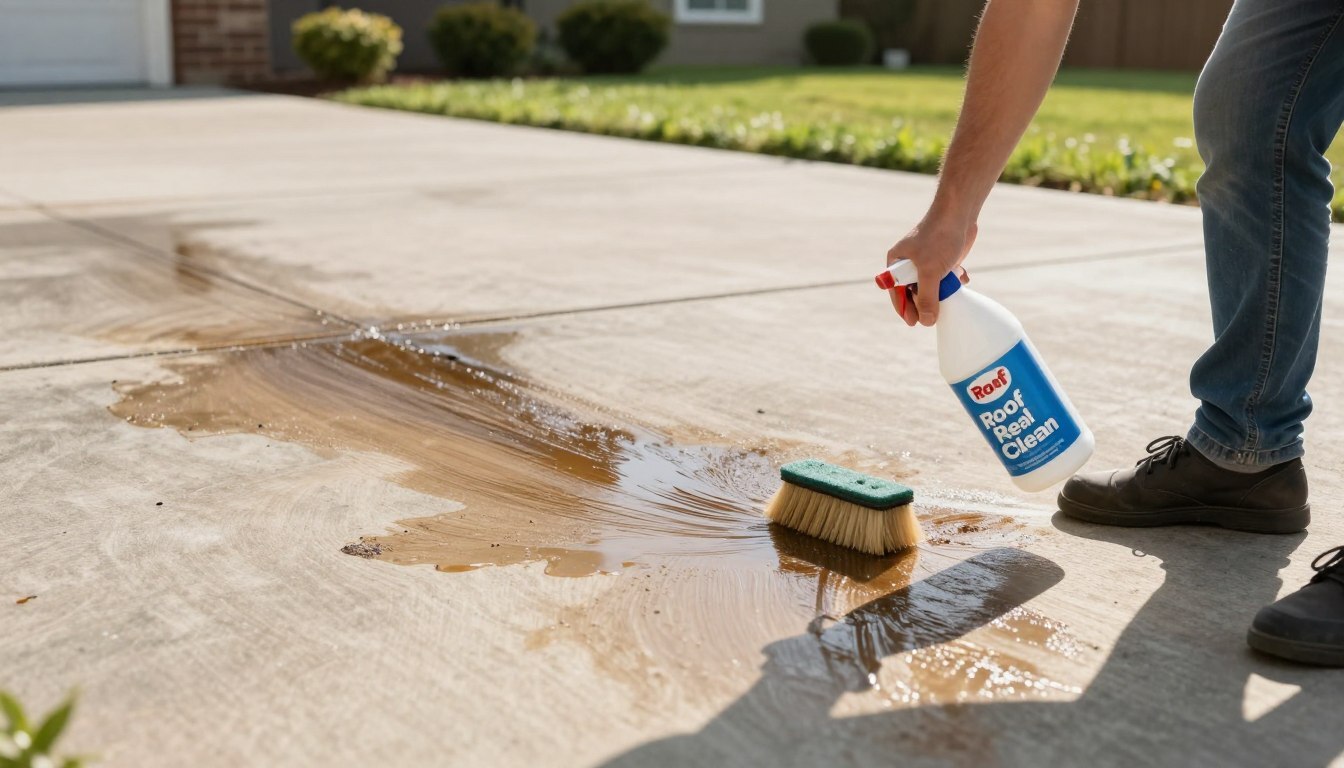
Our team is dedicated to providing you with professional, reliable methods for restoring your exterior spaces. By utilizing industry-approved techniques, you can effectively learn how to remove deep oil stains from concrete driveways while ensuring the long-term health of your pavement. We believe that informed homeowners are the best stewards of their property.
Key Takeaways
- Regular maintenance preserves the structural integrity and market value of your home.
- Science-based cleaning methods prevent long-term damage to porous surfaces.
- Effective restoration requires choosing the right chemical agents for specific contaminants.
- Professional techniques offer superior results compared to standard household cleaners.
- Consistent care prevents future degradation and keeps your property looking pristine.
Understanding the Chemistry of Oil Stains
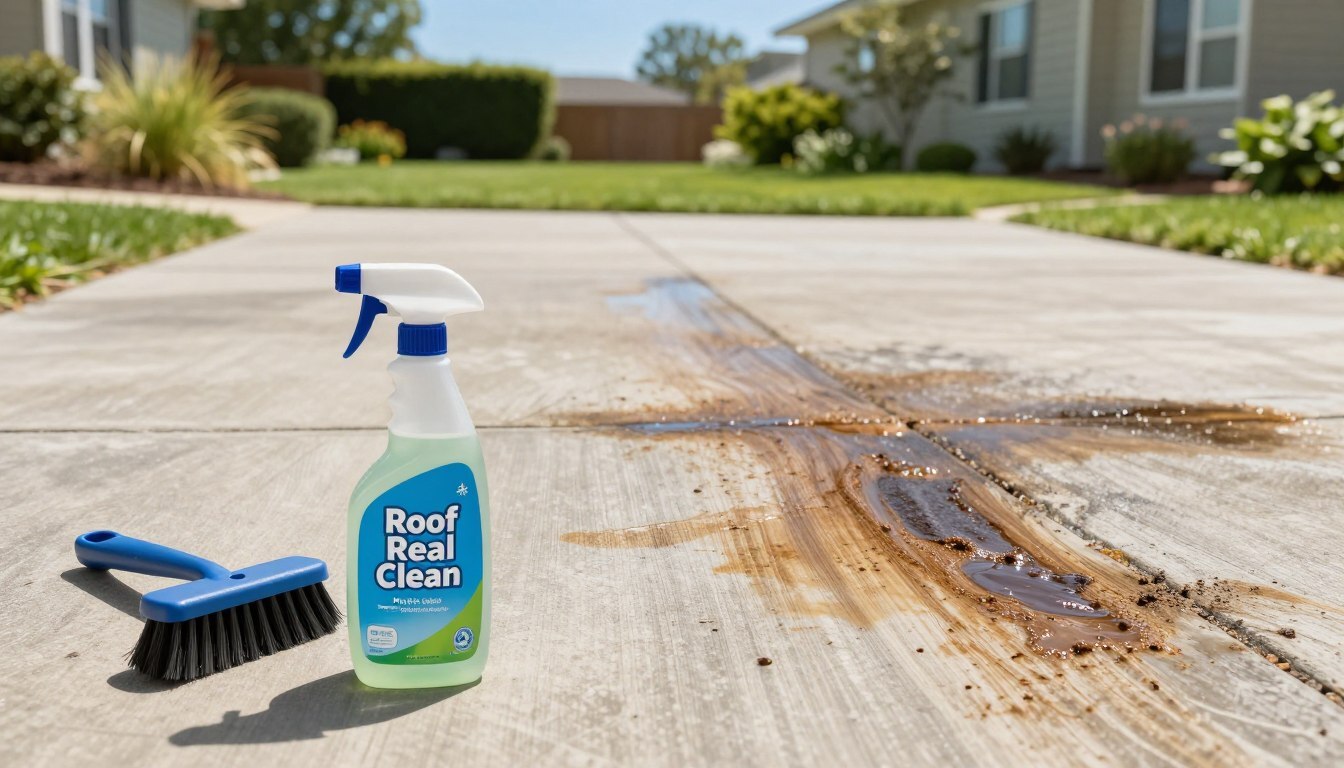
Concrete might look solid, but it is actually a complex, porous material. When automotive fluids leak, they do not simply sit on top; they begin a chemical journey into the heart of your driveway through capillary action. Once oil enters these tiny channels, it becomes trapped beneath the surface, making standard cleaning ineffective.
| Stain Characteristic | Fresh Spill | Deep-Set Stain |
|---|---|---|
| Surface Texture | Wet or tacky | Dry and dull |
| Penetration Depth | Minimal | Significant |
| Removal Difficulty | Low | High |
| Primary Strategy | Absorb and wipe | Poultice or degrease |
Methods for Effective Removal
1. Using Absorbents for Fresh Spills
The best defense is a proactive approach. For fresh leaks, use non-clumping cat litter, baking soda, or cornstarch. These materials wick moisture away from the pores before it sets. Apply a thick layer and leave it for at least 30 minutes (or overnight for larger spills) before sweeping.
2. The Poultice Method for Deep Extraction
To extract oil from deep within, create a DIY poultice. Mix an absorbent (like talc or baking soda) with a solvent like acetone to create a peanut-butter-like paste. Apply it 1/4 inch thick over the stain, cover with plastic wrap, and tape the edges. Let it sit for 24 hours to "vacuum" the oil out of the concrete matrix.
3. Microbial Cleaners (Bio-Remediation)
This represents the cutting edge of maintenance. Specialized microbes consume hydrocarbon molecules, converting pollutants into water and carbon dioxide. This eco-friendly driveway oil treatment addresses the stain at a molecular level without harsh runoff.
Advanced Techniques and Safety
For persistent stains, professional-grade agents like Trisodium Phosphate (TSP) or Muriatic Acid may be used. However, these require extreme caution. Always wear chemical-resistant nitrile gloves, safety goggles, and respirators when handling corrosive agents. Neutralizing the area with baking soda after an acid wash is vital to prevent long-term degradation.
| Chemical Agent | Primary Use | Safety Requirement |
|---|---|---|
| Muriatic Acid | Deep etching / Mineral removal | High (Respirator/Goggles) |
| Trisodium Phosphate | Heavy-duty degreasing | Moderate (Gloves/Eyes) |
| Commercial Degreaser | Surface oil breakdown | Low (Standard PPE) |
FAQ
What is the first step for a fresh oil spill?
Apply a highly absorbent material like non-clumping cat litter immediately. This prevents the oil from penetrating the porous surface and simplifies the subsequent cleaning steps.
Are household soaps effective for oil removal?
High-quality dish soaps (like Dawn) are excellent for emulsifying oil and breaking down hydrocarbon chains on the surface. They are a great tool for immediate spill response but may not reach deep-set stains.
Why should I avoid using high pressure on oil stains?
Using excessive pressure (like a red zero-degree nozzle) can push oil deeper into the concrete pores or permanently scar the driveway surface. Always prioritize chemical breakdown over mechanical force.
Consistent, preventative care—including professional sealing every 2-3 years—is the secret to a pristine driveway. Our team at (703) 261-8228 is ready to help you preserve your home's value with expert restoration services.
© 2026 All Rights Reserved