CALL NOW TO GET A FREE ESTIMATE->

Is It Safe to Clean an Old Roof? What You Need to Know
Maintaining the exterior of your home often feels like a delicate balancing act between aesthetic appeal and structural preservation. Many homeowners frequently ask us, is it safe to clean an old roof without causing permanent damage to the underlying materials? We understand that your property represents a significant financial investment, and the desire to remove unsightly stains or moss is completely natural.
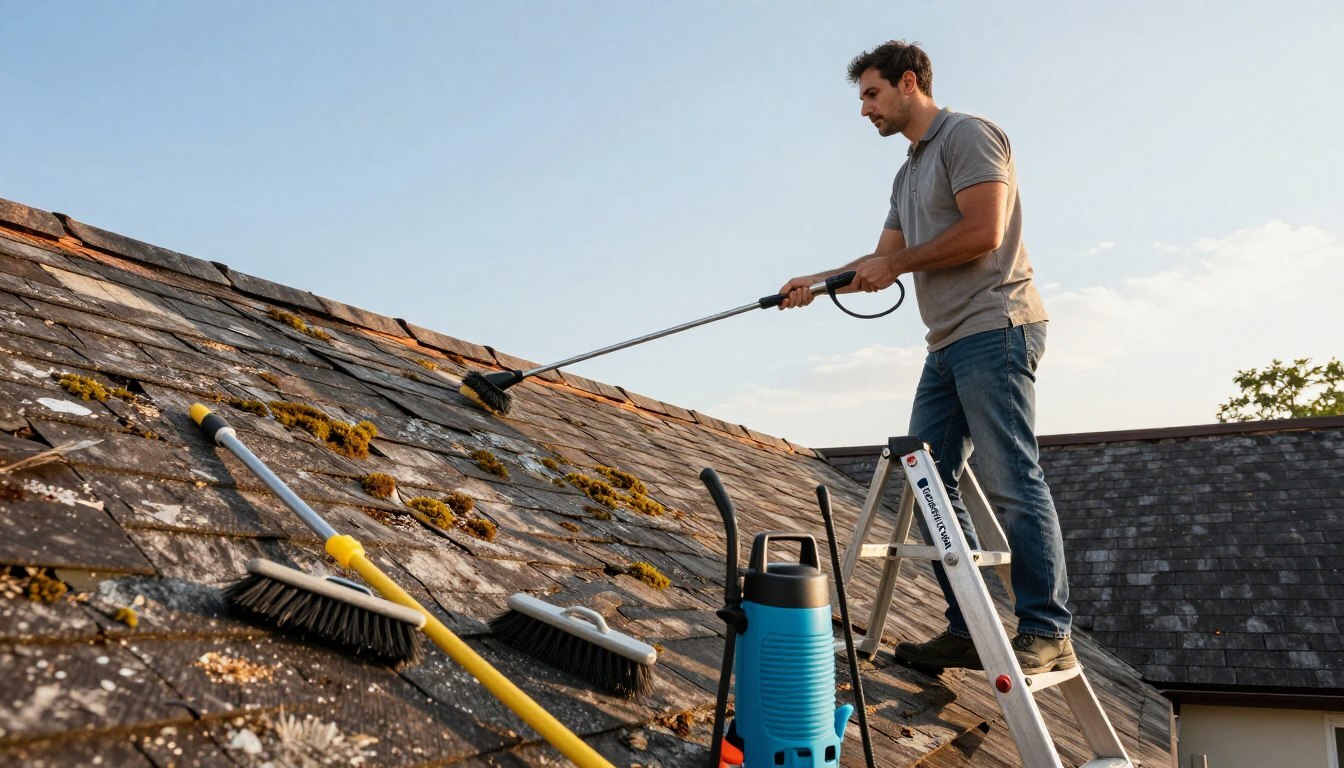
However, improper maintenance techniques can jeopardize the lifespan of your home's most critical defense system. Protecting your investment requires a science-based approach rather than relying on aggressive, quick-fix solutions that often strip away protective granules. We prioritize manufacturer-approved methods to ensure your shingles remain durable and functional for years to come.
Key Takeaways
- Aging roofing systems require specialized care to maintain structural integrity.
- Aggressive pressure washing often causes more harm than good to shingles.
- Science-based cleaning methods protect your long-term property value.
- Understanding material composition prevents accidental damage during maintenance.
- Professional guidance helps avoid common pitfalls associated with DIY cleaning.
Understanding the Risks of Cleaning Aged Roofing Materials
We often find that the natural aging process of a roof creates hidden vulnerabilities that standard maintenance methods can easily worsen. When we approach the task of cleaning an old roof, we must prioritize the preservation of the material's remaining life. A lack of awareness regarding these delicate states can lead to permanent damage that far outweighs the benefits of a clean surface.
The Vulnerability of Granule Loss in Asphalt Shingles
Asphalt shingles rely on a protective layer of mineral granules to shield the underlying bitumen from harsh UV rays. Over time, these granules naturally shed, but biological growth like moss and algae can accelerate this decline significantly. These organisms physically lift the edges of shingles, creating gaps that allow granules to break free and wash away during rainstorms.
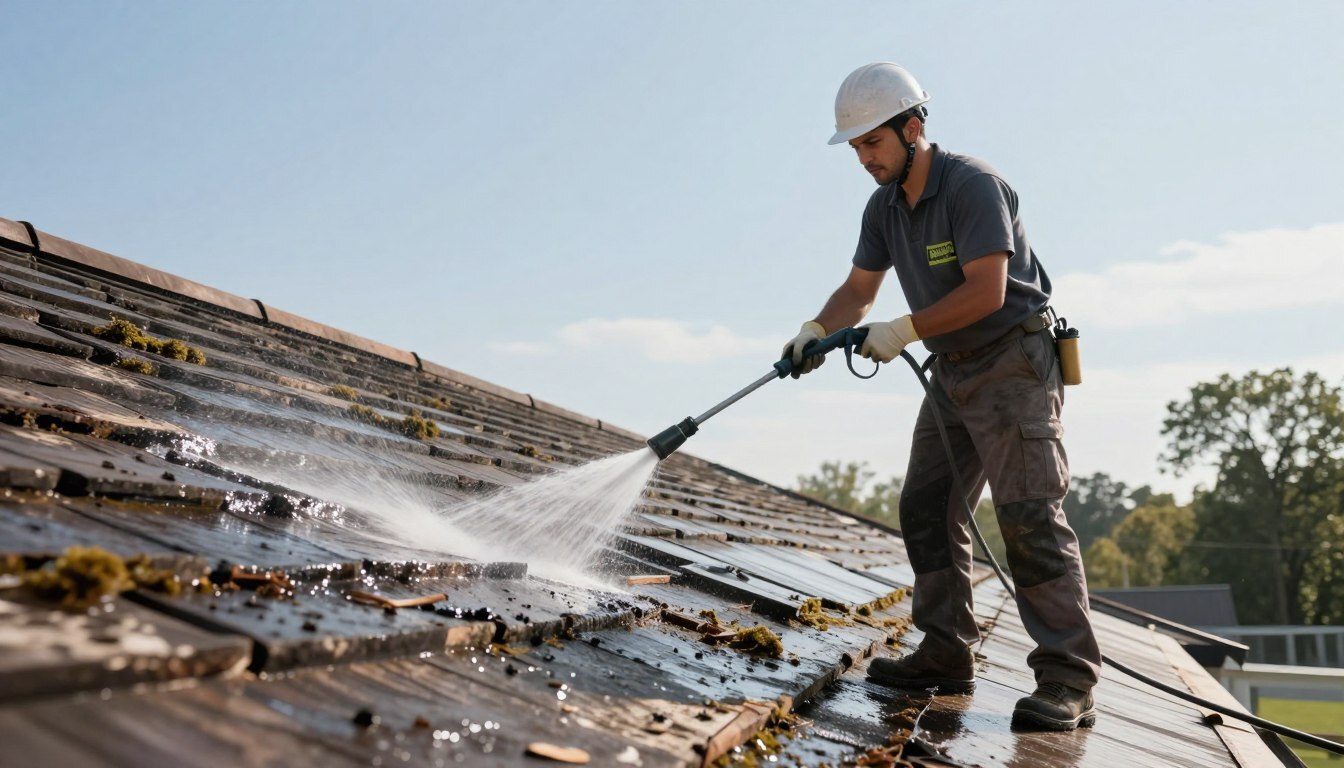
Once these protective granules are lost, the shingle becomes brittle and susceptible to thermal cracking. We emphasize that aggressive scrubbing or high-pressure water will only strip away the remaining granules, effectively shortening the lifespan of your roof.
Structural Weakness in Older Roof Decking
The health of your roof extends beyond the visible shingles to the wooden decking underneath. In older homes, this decking may have suffered from years of thermal expansion and contraction, leading to weakened joints or localized rot. We must consider that heavy foot traffic during a cleaning process can cause these compromised areas to sag or even collapse.
Professional care involves assessing the stability of the structure before any cleaning agents are applied. We never recommend walking on a roof that shows signs of structural fatigue, as the risk to both the property and the technician is simply too high.
The Impact of Moisture Infiltration on Aging Materials
Aging roofing materials become increasingly porous, making them prone to moisture retention. When water seeps into these tiny fissures, it can lead to mold growth and the eventual decay of the roof's internal components. Understanding how often should you clean your roof is essential to preventing this cycle of saturation and damage.
By choosing gentle, science-based methods, we can manage biological growth without forcing water into the attic space. Protecting your home requires a balanced approach that respects the current condition of your roofing system while ensuring long-term durability.
Is It Safe to Clean an Old Roof? What You Need to Know About Material Integrity
We often encounter homeowners who are unsure if it is safe to clean an old roof, especially when dealing with delicate, aged materials. The reality is that not all roofing systems respond to maintenance in the same way. While a newer roof might withstand standard cleaning, an older system requires a much more cautious approach to avoid irreversible damage.
Assessing the Age and Condition of Your Roofing System
Before beginning any maintenance, we must evaluate the specific composition of your shingles. Modern manufacturing often uses calcium-based limestone fillers, which unfortunately act as a food source for Gloeocapsa magma, the algae that causes those stubborn black streaks. Older or historic roofs may lack these specific fillers, yet they possess their own unique vulnerabilities due to decades of sun exposure and thermal cycling.
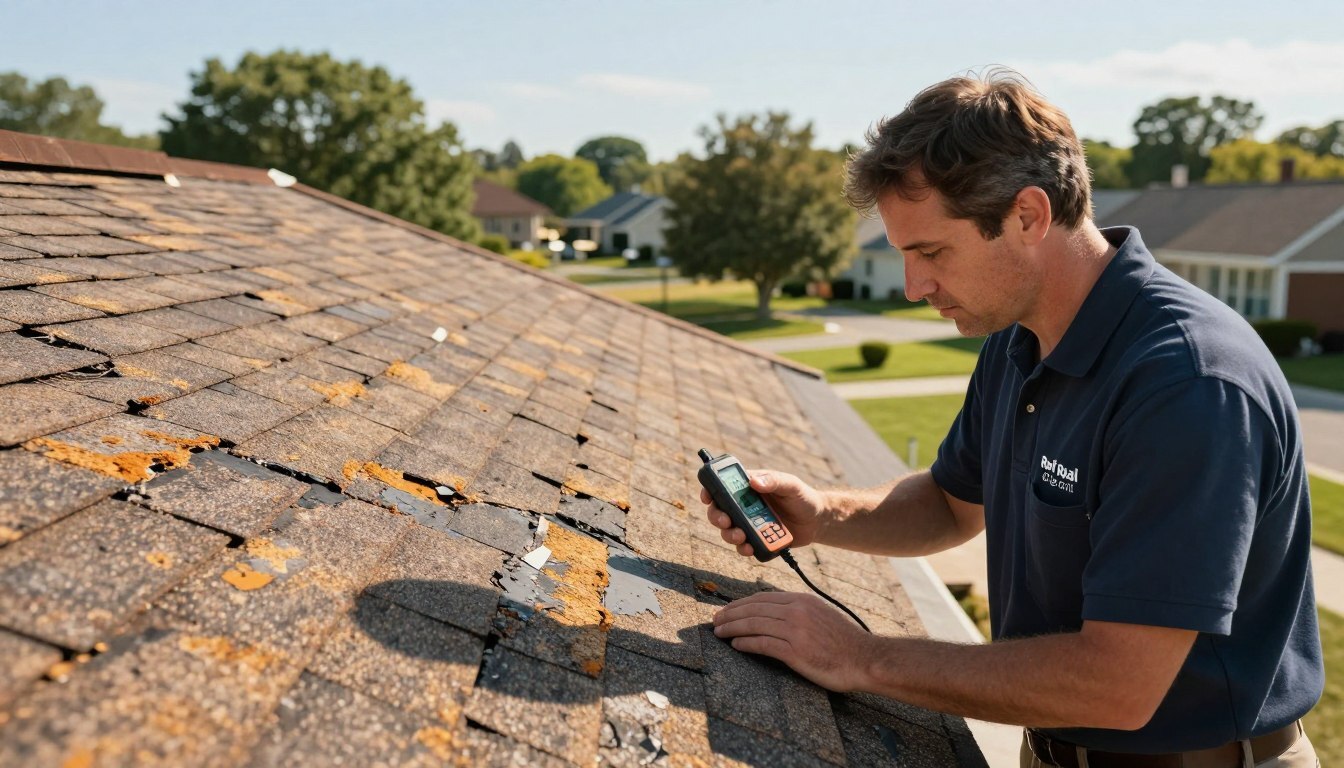
We recommend a thorough inspection to determine if the shingles are still structurally sound. If the material is already brittle, even the most gentle cleaning process could lead to significant granule loss. Understanding the history of your roof is the first step in protecting your long-term investment.
Why Standard Methods Fail on Historic Roofs
Many common cleaning practices are designed for modern, durable materials and can be disastrous for older homes. When cleaning a historic roof, standard high-pressure washing often strips away the protective surface layers that keep the shingles waterproof. This leaves the underlying decking exposed to moisture, which can lead to rot and expensive structural repairs.
Balancing Aesthetic Appeal with Structural Preservation
We believe that cleaning a historic roof should never come at the cost of its lifespan. It is a delicate balance between wanting your home to look its best and ensuring that you do not compromise the roof's ability to shed water. Our goal is to provide a clean appearance while strictly adhering to preservation standards.
Ultimately, it is safe to clean an old roof only when the process is tailored to the specific needs of the materials. By choosing professional, science-based methods, you can enjoy a beautiful home without sacrificing the structural health of your property. We are here to help you make the right choice for your investment.
Common Signs Your Roof Is Too Fragile for Cleaning
When it comes to maintaining an aged roof, knowing when to stop is just as important as knowing how to start. We often observe that homeowners overlook the subtle physical cues that indicate a roof has reached its breaking point. Recognizing these warning signs early allows us to intervene with appropriate care before the damage becomes irreversible.
Identifying Brittle or Curling Shingles
As roofing materials age, they lose the essential oils that keep them flexible. You may notice that your shingles have become stiff, cracked, or are beginning to curl at the edges. Moss growth is a primary culprit here; it traps moisture against the surface, causing the shingle to warp and eventually lift away from the deck.
Detecting Signs of Rot in the Underlayment
When shingles curl, they create dangerous gaps that expose the vulnerable underlayment beneath. These openings allow wind and water to penetrate deep into the structure of your home. If you notice soft spots or sagging sections on your roof deck, it is a clear indicator that moisture has already compromised the integrity of the system.
Recognizing Excessive Granule Shedding
The granules on your asphalt shingles serve as a critical shield against ultraviolet radiation and physical wear. If you find large amounts of these granules collecting in your gutters or downspouts, the protective layer of your roof is failing. This loss suggests that the material is too thin and fragile to withstand even the most gentle cleaning procedures.
| Indicator | Healthy Roof Status | Fragile Roof Status |
|---|---|---|
| Shingle Texture | Flexible and flat | Brittle and curled |
| Granule Coverage | Uniform and intact | Heavy shedding in gutters |
| Decking Condition | Firm and solid | Soft or sagging areas |
| Underlayment | Sealed and dry | Exposed to moisture |
The Dangers of High-Pressure Washing on Weathered Shingles
When you are considering cleaning a weathered roof, the method you choose determines whether you preserve or destroy your investment. While the immediate results of a high-pressure spray might look impressive, the long-term consequences for your home can be severe. We strongly advise against using aggressive power washing techniques on aging materials.
How High Pressure Strips Protective Layers
Asphalt shingles rely on a layer of mineral granules to shield them from harsh UV rays and extreme weather. The Asphalt Roofing Manufacturers Association (ARMA) explicitly warns that high-pressure washing can cut years off a roof's life by blasting these granules away. Once this protective layer is gone, the underlying asphalt is exposed to the elements, leading to rapid deterioration.
The Risk of Water Intrusion into the Attic
Beyond surface damage, the sheer force of a pressure washer can be dangerous for your home's structure. High-pressure water is often forced underneath the shingles, where it can penetrate the roof deck and enter your attic space. This moisture buildup creates a breeding ground for mold and can lead to significant structural rot over time. Before you begin any maintenance, it is vital to understand how to prepare your home for professional pressure washing to avoid these common pitfalls.
Why Pressure Washing Voids Manufacturer Warranties
Most roofing manufacturers design their products to withstand natural weathering, not the concentrated force of a power washer. Using such equipment often violates the terms of your warranty, leaving you responsible for expensive repairs if damage occurs. We prioritize manufacturer-approved methods to ensure your warranty remains intact and your property remains protected.
| Cleaning Method | Impact on Granules | Risk of Water Intrusion | Warranty Status |
|---|---|---|---|
| High-Pressure Washing | Severe Removal | High Risk | Often Voided |
| Soft Washing | Safe/None | Minimal | Manufacturer Approved |
| Manual Scrubbing | Moderate | Low | Variable |
Soft Washing Techniques for Historic and Aged Roofs
Soft washing has emerged as the gold standard for homeowners looking to revitalize their roofs without causing damage. When you are cleaning an old roof, the goal is to remove unsightly buildup while maintaining the structural integrity of the shingles. We prioritize methods that rely on chemistry rather than mechanical force to achieve a pristine finish.
The Science Behind Low-Pressure Cleaning Solutions
Our approach utilizes low-pressure application to deliver specialized cleaning agents directly to the surface. By avoiding high-pressure sprayers, we prevent the mechanical stripping of protective granules that often occurs during improper maintenance. We frequently utilize EPA-approved solutions like Roof-A-Cide, which are specifically designed to eliminate algae and moss at the molecular level.
This scientific approach ensures that the root cause of discoloration is neutralized without compromising the material. For those interested in learning more about these professional standards, you can find additional resources on cleaning an old roof through our expert guides. This method is particularly effective when cleaning a historic roof, where delicate materials require a more nuanced touch.
Benefits of Biodegradable Cleaning Agents
The use of biodegradable cleaning agents offers a significant advantage for the modern homeowner. These solutions are formulated to be highly effective against organic growth while remaining gentle on the environment. By choosing these products, we ensure that your property remains safe for both your family and the local ecosystem.
These agents work by breaking down the biological bonds of moss and lichen, allowing them to wash away naturally over time. This process is essential when cleaning a weathered roof, as it avoids the harsh abrasion that can lead to premature shingle failure. We believe that your investment deserves a solution that balances cleanliness with long-term preservation.
Protecting Surrounding Landscaping During the Process
We understand that your garden and lawn are just as important as your roof. Our team takes great care to protect your surrounding landscaping by thoroughly rinsing all vegetation before and after the application of any cleaning agents. This proactive step prevents chemical runoff from affecting your plants or soil health.
Essential Safety Precautions for DIY Roof Maintenance
We believe that no home improvement project is worth risking your health, especially when it comes to roof maintenance. Adhering to strict roof cleaning safety protocols is the only way to ensure that your property remains in good condition without compromising your physical well-being.
Proper Use of Safety Harnesses and Fall Protection
If you choose to perform maintenance yourself, you must utilize professional-grade safety harnesses and fall protection systems. Relying on makeshift gear or simple caution is never enough to prevent life-threatening accidents. Always inspect your equipment for wear and tear before every use.
Selecting the Right Ladder Equipment
Choosing the correct ladder is a critical component of your roof cleaning precautions. You should only use ladders that are rated for the weight of both the user and any cleaning equipment being carried. Ensure your ladder is placed on stable, level ground to prevent shifting or tipping during the cleaning process.
- Always maintain three points of contact while climbing.
- Extend the ladder at least three feet above the roofline for safe transition.
- Secure the top of the ladder to the structure to prevent lateral movement.
Weather Conditions and Timing for Safe Cleaning
The environment plays a massive role in both your safety and the effectiveness of your cleaning agents. We advise that you clean roofs on cloudy, calm days to prevent the rapid evaporation of cleaning solutions. Direct sunlight can cause chemicals to dry too quickly, which limits their ability to break down organic growth like algae or moss.
When to Call a Professional for Roof Cleaning Services
Many homeowners underestimate the complexity of roof care until a minor cleaning attempt turns into a major repair bill. Recognizing the limits of your own equipment and experience is the first step toward responsible property management.
The Value of Specialized Equipment and Expertise
Our team utilizes specialized low-pressure systems that are designed to lift organic growth without damaging delicate shingles. True expertise involves understanding the specific chemical composition of your roofing material and applying the correct, manufacturer-approved solutions.
Avoiding Costly Mistakes and Property Damage
Attempting to clean a roof without proper training often leads to irreversible harm. For instance, a single insurance claim in Sarasota exceeded $11,000 due to water intrusion caused by improper cleaning techniques. Seeking roof cleaning professional advice before you start can save you from such devastating financial consequences.
Insurance and Liability Considerations for Homeowners
When you hire a licensed service, you are not just paying for labor; you are investing in protection. We carry the necessary insurance and liability coverage to ensure that you are never held responsible for accidents or property damage during the process.
| Feature | DIY Cleaning | Professional Service |
|---|---|---|
| Equipment | Standard Pressure Washer | Specialized Soft Wash Systems |
| Risk Level | High (Water Intrusion) | Low (Controlled Application) |
| Liability | Homeowner Responsibility | Fully Insured/Bonded |
| Result | Potential Damage | Manufacturer-Approved Clean |
Environmental Considerations and Chemical Safety
Effective roof cleaning precautions must balance aesthetic results with rigorous environmental stewardship. By prioritizing the health of your property, we ensure that our methods protect both your investment and the surrounding environment.
Managing Runoff to Protect Local Ecosystems
When we perform maintenance, we take active steps to control chemical runoff. Our team utilizes specialized containment techniques to ensure that all cleaning agents are captured or neutralized before they reach your garden beds or storm drains.
Choosing Eco-Friendly Cleaning Solutions
Many traditional cleaning methods rely heavily on chlorine, which can be counterproductive. Chlorine residue often acts as a potent fertilizer for future mold and algae colonies. We avoid these harsh chemicals in favor of biodegradable, manufacturer-approved solutions.
Regulatory Compliance in Residential Roof Maintenance
Adhering to local and federal regulations is a cornerstone of our professional service. Compliance is not just about following rules; it is about maintaining the highest level of safety for your family and neighbors.
Long-Term Maintenance Tips to Extend Roof Lifespan
When it comes to old roof maintenance tips, consistency is truly the secret to long-term structural health. Protecting the integrity of your roofing system requires a proactive approach rather than reactive repairs.
Regular Debris Removal and Gutter Cleaning
Accumulated debris acts like a sponge, holding moisture against your shingles and accelerating decay. We recommend clearing leaves, twigs, and pine needles from your roof surface at least twice a year. Proper drainage is essential; therefore, keeping your gutters free of clogs is vital.
Managing Moss and Algae Growth Early
Moss and algae are more than just aesthetic nuisances; they are biological threats. Trimming overhanging tree branches creates an environment where these organisms struggle to survive. Early intervention prevents the need for harsh treatments later.
Scheduling Periodic Professional Inspections
We encourage scheduling professional inspections to identify minor issues, such as loose flashing or cracked shingles, before they evolve into costly structural repairs. Professional oversight is the most reliable way to extend the life of your investment.
Contacting Experts for Property Health
We invite you to contact our team for a comprehensive evaluation of your roofing system. Our experts provide tailored roof cleaning professional advice designed to address the specific vulnerabilities of your aged materials.
Conclusion
Your roof serves as the primary shield for your family and your most significant financial asset. Making informed choices about maintenance ensures this structure remains sound for years to come. By choosing gentle cleaning techniques, you avoid the hidden dangers of high-pressure water and harsh chemicals. Reach out to us at (703) 261-8228 to schedule a professional assessment.
Frequently Asked Questions (FAQ)
Generally, yes, provided that we utilize a professional soft washing method rather than high pressure. We prioritize a comprehensive assessment of the material integrity to ensure the underlying roof decking is sound before any maintenance begins.
The most significant risks include granule loss, which strips the shingles of UV protection, and moisture infiltration through brittle seams. We take specific roof cleaning precautions to avoid these vulnerabilities.
Professional advice from organizations like ARMA warns that high pressure can strip protective granules and void your warranty. We use manufacturer-approved soft washing techniques that protect the shingle's surface.
Cleaning a historic roof requires a balance of restoration and structural preservation. We use biodegradable cleaning agents like Roof-A-Cide to ensure that older materials are not compromised by harsh chemicals.
We look for "red flags" like brittle shingles, curling edges, or excessive granule shedding in the gutters. If these signs are advanced, cleaning may no longer be a safe option.
It can be safe if handled correctly. We protect your property by managing chemical runoff and pre-rinsing plants to prevent the absorption of cleaning agents, maintaining the health of your surrounding landscaping.