CALL NOW TO GET A FREE ESTIMATE->

Why Winter is the Hardest Season for a Moss-Covered Roof
Your home represents a significant investment, and we understand that noticing moss growth can be a source of genuine concern. As professional property protectors, we recognize that these organisms are more than just an aesthetic nuisance; they act as aggressive invaders that lift shingle tabs.
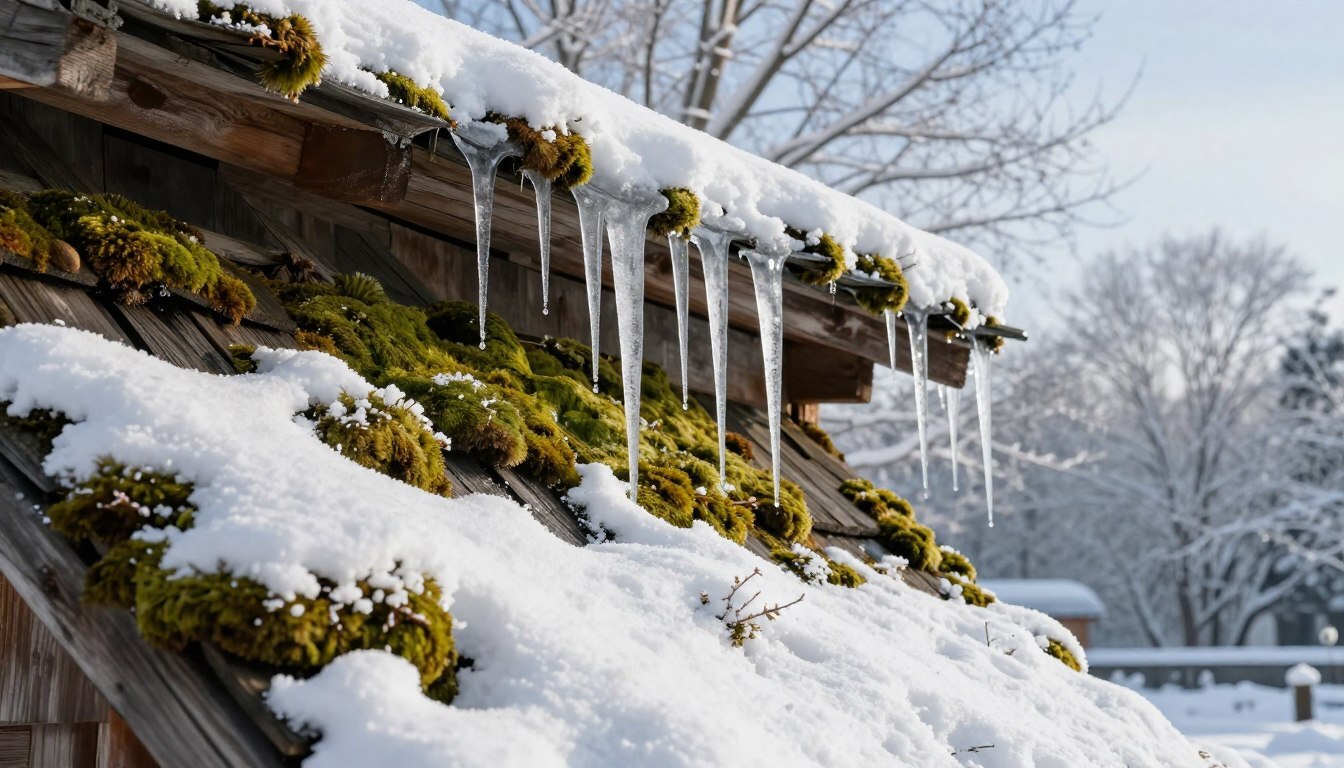
When temperatures drop, these lifted shingles create dangerous gaps that allow water infiltration to occur. This moisture trapped beneath your shingles expands during freezing cycles, which compromises the structural integrity of your entire system. We believe that proactive care is essential to maintaining your property value throughout the year.
If you are worried about the condition of your home, please contact our team at (703) 261-8228. We provide the expert guidance necessary to defend your investment against these seasonal threats.
Key Takeaways
- Moss acts as an aggressive organism that physically lifts shingle tabs.
- Freezing temperatures turn trapped moisture into a structural hazard.
- Water infiltration poses a significant risk to your home's long-term value.
- Proactive maintenance prevents costly repairs caused by seasonal stress.
- Our team offers expert, science-based solutions to protect your property.
The Biological Reality of Winter Moss Growth
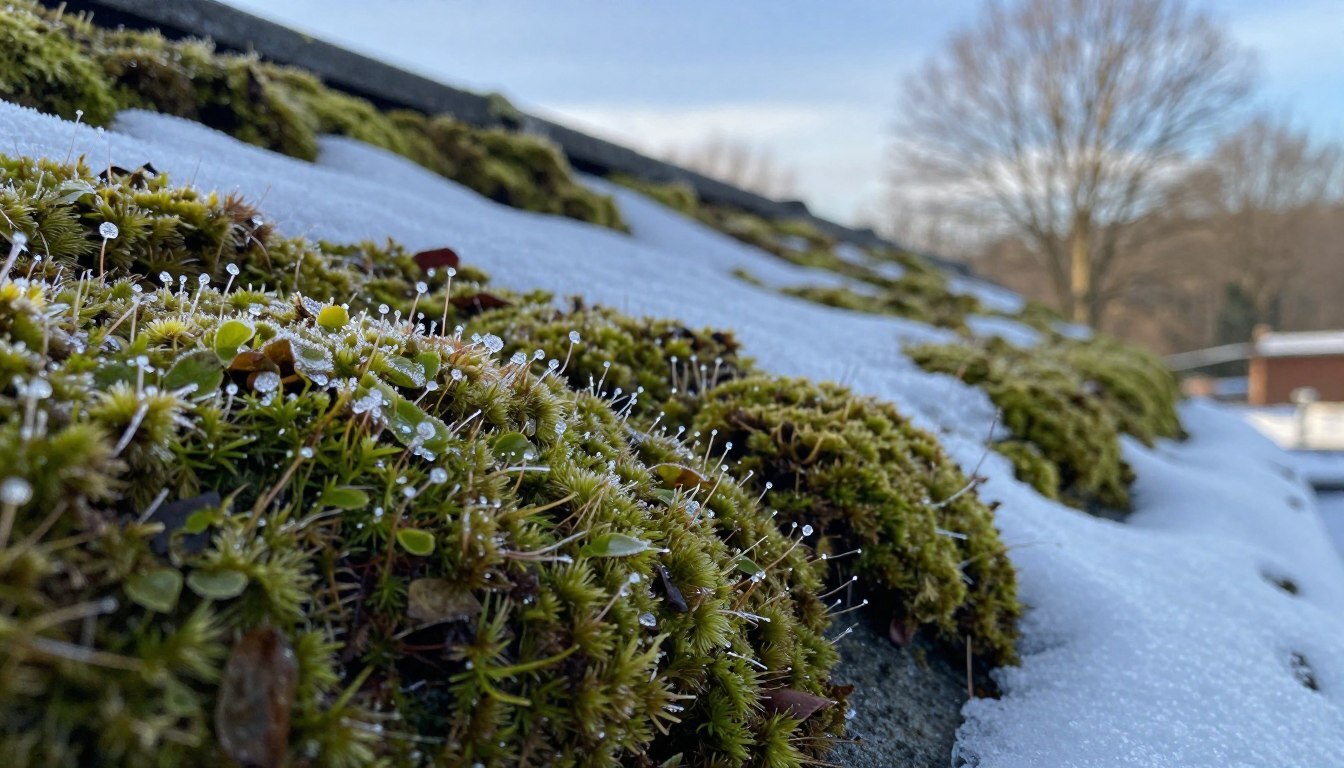
The biological reality of your roof is that moss remains a persistent threat even during the coldest months. Many homeowners assume that freezing temperatures kill these organisms, but the truth is far more complex. Moss is a highly resilient plant that utilizes specialized structures called rhizoids to anchor itself firmly into your roofing materials.
These multi-cell structures allow the colony to gather nutrients and water directly through its exterior leaves. Because of this unique biology, moss does not simply disappear when the mercury drops; instead, it enters a state of biological persistence. Recognizing the signs of winter moss growth is a vital step in protecting your home's long-term investment.
How Moss Survives Sub-Zero Temperatures
Moss has evolved to withstand extreme environmental stress by slowing its metabolic rate rather than dying off. During sub-zero temperatures, the plant cells undergo a process of dehydration that prevents ice crystals from rupturing their internal structures. This allows the colony to remain dormant yet alive, waiting for the slightest increase in temperature to resume its expansion.
Because these colonies are already embedded deep within the shingle granules, they are shielded from the harshest winds. This natural insulation ensures that the moss remains a constant presence on your roof throughout the entire season. We emphasize that ignoring this growth during the cold months often leads to more significant damage once spring arrives.
The Role of Moisture and Humidity in Winter
Winter humidity levels are often higher than many homeowners realize, providing the perfect environment for continued moss health. Even without active rain, the moisture trapped in the air and the frequent cycles of frost keep the moss hydrated. This constant state of dampness is detrimental to the health of your shingles, as it prevents the roof surface from drying out properly.
The following table illustrates how environmental factors influence moss activity throughout the year:
| Season | Moisture Level | Growth Rate | Risk Factor |
|---|---|---|---|
| Spring | High | Rapid | Moderate |
| Summer | Low | Dormant | Low |
| Autumn | Moderate | Steady | Moderate |
| Winter | High (Humidity) | Slow/Persistent | High |
By understanding these patterns, we can better manage the risks associated with winter moss growth. Our goal is to ensure your roof remains protected against the slow, steady degradation caused by these persistent colonies.
Why Winter is the Hardest Season for a Moss-Covered Roof
Many homeowners view moss as a simple aesthetic issue, but the reality is far more complex when the temperature drops. Understanding why winter is the hardest season for a moss-covered roof is essential for protecting your home's long-term value and structural integrity.
The Freeze-Thaw Cycle and Structural Expansion
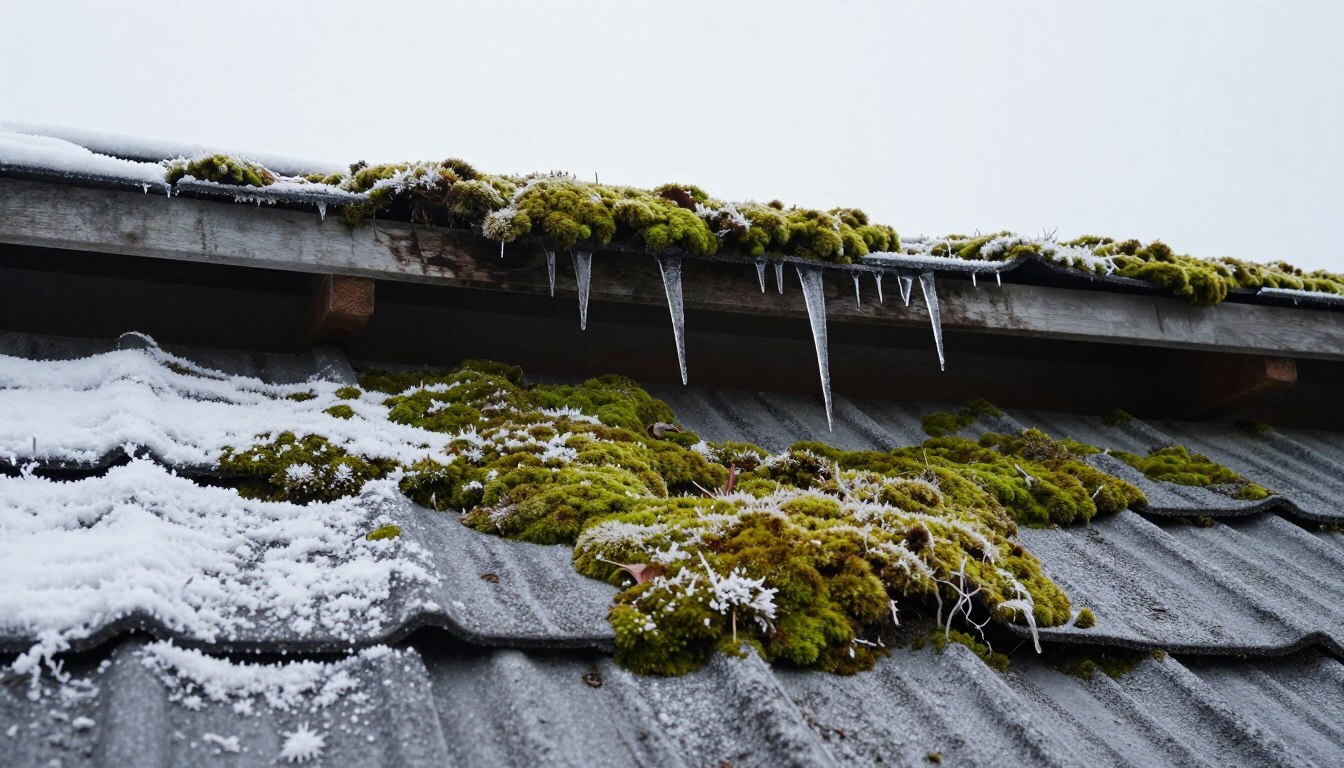
During the colder months, your roof undergoes a punishing cycle of freezing and thawing. Moss acts like a sponge, soaking up rain and melting snow, which then turns into ice as temperatures plummet.
As this trapped water freezes, it expands with tremendous physical force. This expansion pushes against your shingles, often lifting them or causing them to crack under the pressure. Over time, this process widens existing gaps, allowing even more moisture to penetrate the deeper layers of your roofing system.
How Moss Traps Moisture Against Roofing Materials
Beyond the physical expansion of ice, moss creates a persistent damp environment that prevents your roof from drying out. By holding moisture directly against the surface, moss keeps the shingles and the underlying decking in a state of constant saturation.
This trapped moisture is not merely a surface concern; it is a direct threat to the health of your roof deck and underlayment. When these materials remain wet for extended periods, they become susceptible to rot and decay, which can lead to expensive interior leaks.
| Condition | Impact on Shingles | Risk Level |
|---|---|---|
| Clean Roof | Minimal moisture retention | Low |
| Moss-Covered | High moisture retention | Critical |
| Frozen Moss | Structural expansion/cracking | Severe |
We consistently observe that why winter is the hardest season for a moss-covered roof comes down to this combination of trapped water and freezing temperatures. Proactive maintenance is the only way to ensure your home remains protected against these harsh seasonal shifts.
The Hidden Dangers of Moss-Induced Ice Dams
When temperatures drop, the moss on your roof becomes a silent catalyst for structural water damage. Many homeowners fail to realize that roof moss damage in winter extends far beyond simple aesthetics. By trapping moisture, these organic growths create the perfect environment for ice dams to form, which can lead to costly interior leaks.
Understanding the Mechanics of Ice Dam Formation
Ice dams occur when heat escapes from your living space into the attic, warming the roof deck and melting the snow above. As this meltwater flows down toward the colder eaves, it refreezes, creating a ridge of ice that blocks further drainage. This process is significantly accelerated when moss is present on the shingles.
The moss acts as a physical barrier that prevents water from flowing freely into the gutters. Because the moss holds the water in place, the refreezing process happens directly on the roof surface rather than at the edge. This increases the risk of severe structural stress and potential shingle displacement.
How Moss Acts as a Wick for Water Infiltration
Beyond blocking drainage, moss acts as a wick, drawing melting snow and ice underneath your shingles. This capillary action pulls moisture deep into the roof system, holding it against the decking for extended periods. This persistent dampness is a primary driver of roof moss damage in winter, as it forces water into areas not designed to handle moisture.
Once the water is trapped beneath the shingles, it can seep into your home's structure, causing rot and insulation damage. We emphasize that proactive removal is a vital part of property protection. By eliminating the moss, you remove the wick that invites water into your home.
| Condition | Moisture Retention | Ice Dam Risk | Structural Impact |
|---|---|---|---|
| Clean Roof | Low | Minimal | Negligible |
| Moss-Covered | High | Severe | Significant |
| Debris-Filled | Moderate | High | Moderate |
Impact on Shingle Integrity and Roof Lifespan
Beyond the visible green patches, moss acts as a silent destroyer of your home's most vital protective barrier. While many view these growths as a simple aesthetic nuisance, they are actually a primary catalyst for premature roof failure. Recognizing the severity of roof moss damage in winter is the first step in protecting your long-term investment.
Granule Loss and Material Degradation
Asphalt shingles rely on a specialized coating of mineral granules to shield the underlying material from harsh UV rays and physical weathering. When moss colonies establish themselves, they physically displace these granules as they expand across the surface. This process leaves the asphalt exposed, which significantly accelerates the aging of your roofing system.
Once the protective layer is compromised, the shingles become brittle and prone to cracking under thermal stress. We frequently observe that roof moss damage in winter is exacerbated by the constant moisture trapped within the moss fibers. This moisture-laden environment creates a cycle of degradation that is far more aggressive than standard weathering.
The Risk of Rot in Roof Decking and Underlayment
The danger extends far beyond the surface shingles, reaching deep into the structural components of your home. Moss acts like a sponge, holding water directly against the roof deck and the protective underlayment for extended periods. This persistent dampness creates an ideal breeding ground for wood rot and mold growth.
If left unchecked, this moisture infiltration can compromise the integrity of the plywood decking, leading to costly structural repairs. We prioritize educating homeowners on these risks because roof moss damage in winter often goes unnoticed until the damage has already reached the internal support systems. Proactive maintenance is essential to ensure your roof remains a reliable shield for your family throughout the coldest months of the year.
Winter Roof Care and Inspection Best Practices
We believe that consistent observation is the most effective way to protect your home investment throughout the year. Implementing proper roof maintenance tips before the harshest weather arrives can save you from costly repairs later. By staying vigilant, you ensure that your property remains a secure sanctuary against the elements.
Identifying Early Warning Signs of Moss Damage
Moss is more than just an aesthetic nuisance; it is a biological force that can compromise your shingles. You should look for lifted or curled shingle edges, which often indicate that moss has successfully worked its way underneath the material. This separation creates gaps where moisture can easily penetrate during freeze-thaw cycles.
Keep an eye out for dark, irregular streaks or patches that appear to be growing across your roof surface. These signs often suggest that the underlying structure is already holding excessive moisture. If you notice these indicators, it is time to consider professional roof moss removal to prevent further degradation.
Safe Visual Inspections During Cold Weather
Effective winter roof care does not require you to climb onto a slippery, frozen surface. We strongly recommend performing all visual checks from the safety of the ground using binoculars if necessary. This approach allows you to spot potential issues without putting yourself at unnecessary risk.
Focus your inspection on areas that receive the least amount of sunlight, as these spots are most prone to moss accumulation. By catching these issues early, we can implement targeted solutions that preserve your roof's health. Our professional guidance ensures you have the knowledge to monitor your property effectively throughout the colder months.
Preventing Moss on Roof Surfaces Before Winter Sets In
We believe that preventing moss on roof surfaces is far more cost-effective than dealing with expensive structural repairs later. By taking proactive steps now, you protect your home from the moisture-heavy conditions that define the winter season. Implementing these roof maintenance tips ensures your property remains resilient against the elements.
Trimming Overhanging Branches to Increase Sunlight
Moss thrives in damp, shaded environments, making the north side of your roof a common target. By trimming back tree branches, you allow more sunlight to reach your shingles throughout the day. This natural exposure creates a dry surface that inhibits the growth of moss and algae.
We recommend a professional assessment to determine which limbs pose the greatest risk to your roof's health. Removing these branches is one of the most effective moss prevention strategies available to homeowners. It not only limits moss but also prevents physical damage from falling limbs during winter storms.
Cleaning Gutters to Improve Drainage Efficiency
Consistent gutter maintenance is vital for keeping your roof dry and free from standing water. When gutters are clogged with leaves and debris, water backs up and creates the perfect breeding ground for moss. We emphasize that clear drainage systems are essential for protecting your roof decking and underlayment.
Regular cleaning ensures that melting snow and rain flow away from your home efficiently. This simple habit prevents the moisture accumulation that often leads to ice dams and structural decay. Below is a summary of how these maintenance tasks contribute to your roof's longevity.
| Maintenance Task | Primary Benefit | Winter Impact |
|---|---|---|
| Trimming Branches | Increased Sunlight | Reduces Moss Growth |
| Gutter Cleaning | Improved Drainage | Prevents Ice Dams |
| Roof Inspection | Early Detection | Avoids Costly Repairs |
Tackling Moss in Cold Weather: What You Can and Cannot Do
Tackling moss in cold weather is a task that demands professional expertise rather than a quick weekend DIY project. While you may feel an urgent need to clear your roof, the harsh reality of winter conditions often makes immediate action more harmful than helpful. We understand the desire to maintain your home's curb appeal, but your safety and the structural integrity of your roof must remain the top priority.
The Risks of DIY Removal in Freezing Conditions
Attempting moss removal in winter introduces significant safety hazards that are often overlooked. Freezing temperatures turn moisture into ice, creating extremely slippery surfaces that pose a severe risk of falls. Climbing onto a roof during these months is dangerous and should be avoided by anyone without specialized safety equipment and training.
Beyond personal safety, your roof materials are highly vulnerable when temperatures drop. Shingles become brittle in the cold, and their adhesive bonds can easily snap if you attempt to scrape or pressure wash them. Forcing moss off a frozen roof often leads to permanent damage, such as granule loss or cracked shingles, which can cause leaks later in the season.
Why Professional Intervention is Recommended
Managing winter moss growth requires a delicate touch that only experienced technicians can provide. We utilize manufacturer-approved methods that safely neutralize moss and its root systems without the need for aggressive scraping or high-pressure water. These techniques ensure that your roof remains intact while effectively addressing the underlying biological growth.
Relying on our professional expertise ensures that moss removal in winter is handled with the precision your investment deserves. By choosing a controlled approach, you avoid the risks associated with DIY efforts while preparing your home for the challenges of the season. We are here to help you protect your property from the long-term effects of winter moss growth through safe, proven, and reliable maintenance strategies.
Professional Solutions for Long-Term Roof Protection
We believe that proactive maintenance is the cornerstone of a healthy, long-lasting roof system. Relying on professional expertise is the most effective method for preventing moss on roof surfaces before they sustain permanent damage. By choosing science-based solutions, you ensure that your property remains a secure and valuable asset for years to come.
Specialized Cleaning Techniques for Winter Readiness
Our approach focuses on gentle, manual techniques that strictly adhere to manufacturer standards for your specific roofing materials. We prioritize the safety of your shingles while ensuring that all moss roots are completely eliminated during the cleaning process.
Beyond simple removal, we apply specialized inhibitors that provide essential protection for 1-2 years. These moss prevention strategies are designed to stop regrowth in its tracks, even in the dampest climates. This creates a reliable barrier that keeps your roof clean and functional throughout the harsh winter months.
Contacting Experts for Roof Maintenance at (703) 261-8228
If you are concerned about the current state of your roof, we encourage you to reach out for a comprehensive assessment. Our team is dedicated to preserving your property's value through reliable, expert-led maintenance solutions.
Please contact our specialists at (703) 261-8228 to schedule your inspection today. We are here to provide the guidance you need for preventing moss on roof issues and maintaining the long-term health of your home.
Frequently Asked Questions (FAQ)
Professional moss removal in winter is safe when using manufacturer-approved, low-pressure methods. However, we strongly advise against DIY scraping or power washing in freezing temperatures, as this can shatter frozen shingles and destroy the adhesive seals between the layers of your roofing system.
No. While the growth rate may slow during extreme freezes, moss remains biologically active. The high humidity and consistent moisture provided by melting snow actually create an ideal environment for winter moss growth, allowing it to strengthen its hold on your shingles throughout the season.
The most effective moss prevention strategies include increasing sunlight exposure by trimming overhanging tree limbs and ensuring optimal drainage through regular gutter cleaning. Additionally, having a professional apply a zinc or copper inhibitor can create an environment where moss cannot take root.
Tackling moss in cold weather is a priority because of the freeze-thaw cycle. Moss traps water against the roof; when that water freezes, it expands, physically prying shingles apart and cracking the asphalt. Addressing moss before the deepest part of winter helps prevent this structural degradation.
Moss acts as a biological wick, pulling moisture upward and under the shingles via capillary action. This allows melting snow to bypass the shingles and freeze against the underlayment, significantly increasing the risk of ice dams and subsequent interior water damage.
© 2026 All Rights Reserved