CALL NOW TO GET A FREE ESTIMATE->

Your home represents a significant financial investment, and maintaining its exterior is vital for long-term value. We understand that discovering pests around your roofline can be stressful, but addressing these issues early protects your property's structural integrity. Proactive maintenance ensures your living space remains a secure environment for your family.
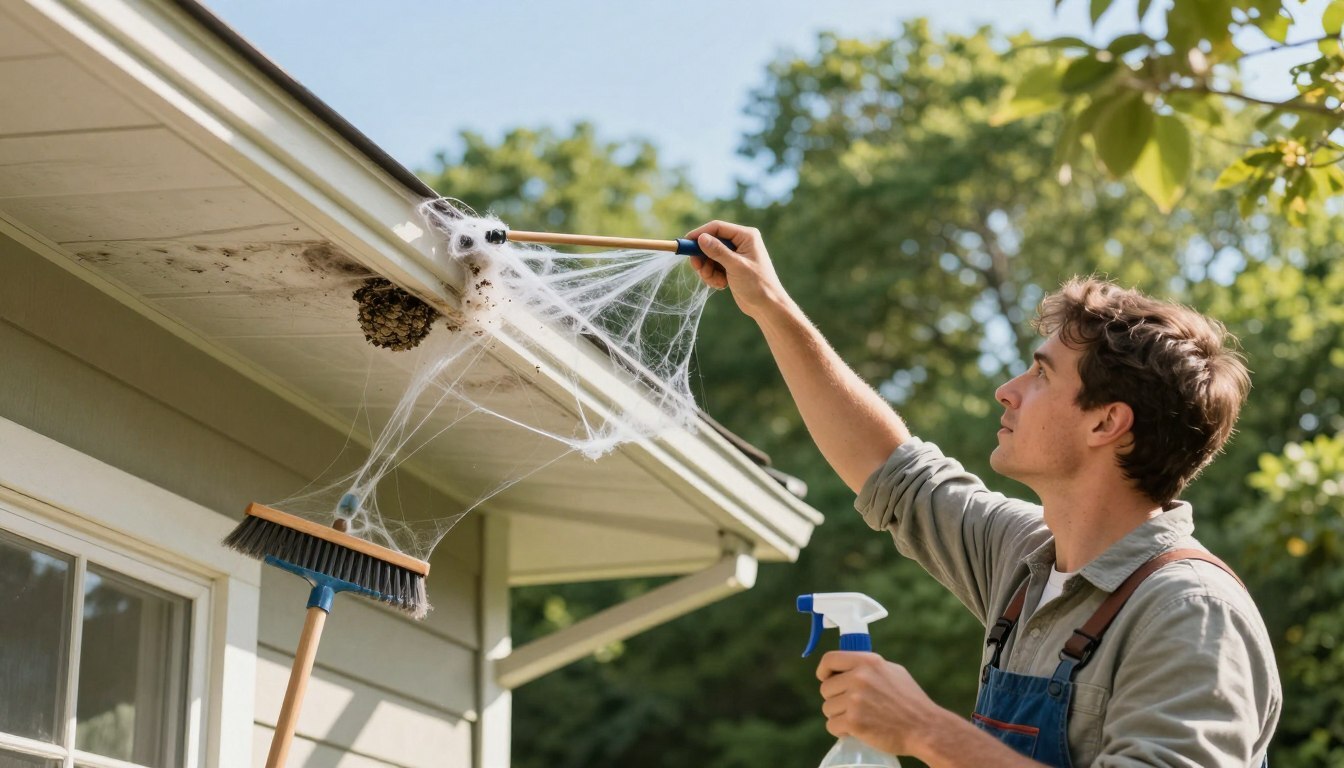
Learning how to remove spider webs and wasp nests from your eaves using safe, manufacturer-approved methods is essential for every homeowner. We provide expert-led strategies to help you manage these infestations effectively. By following our professional guidance, you can preserve your home's health while avoiding the risks associated with harsh, improper chemical treatments.
Key Takeaways
- Regular exterior inspections protect your home's long-term market value.
- Safe removal methods prevent damage to siding and roofing materials.
- Early identification of pest activity reduces the risk of structural infestation.
- Professional-grade techniques offer superior results compared to quick-fix solutions.
- Maintaining a pest-free perimeter creates a safer environment for your household.
Understanding the Risks of Eaves Infestations
Protecting your property starts with understanding why pests are drawn to the high, sheltered corners of your roofline. While these areas seem distant from your daily life, they serve as a critical barrier that, when compromised, invites unwanted guests into your living space. Implementing consistent outdoor pest control is essential to maintaining the long-term health of your home.
Structural Damage Caused by Pests
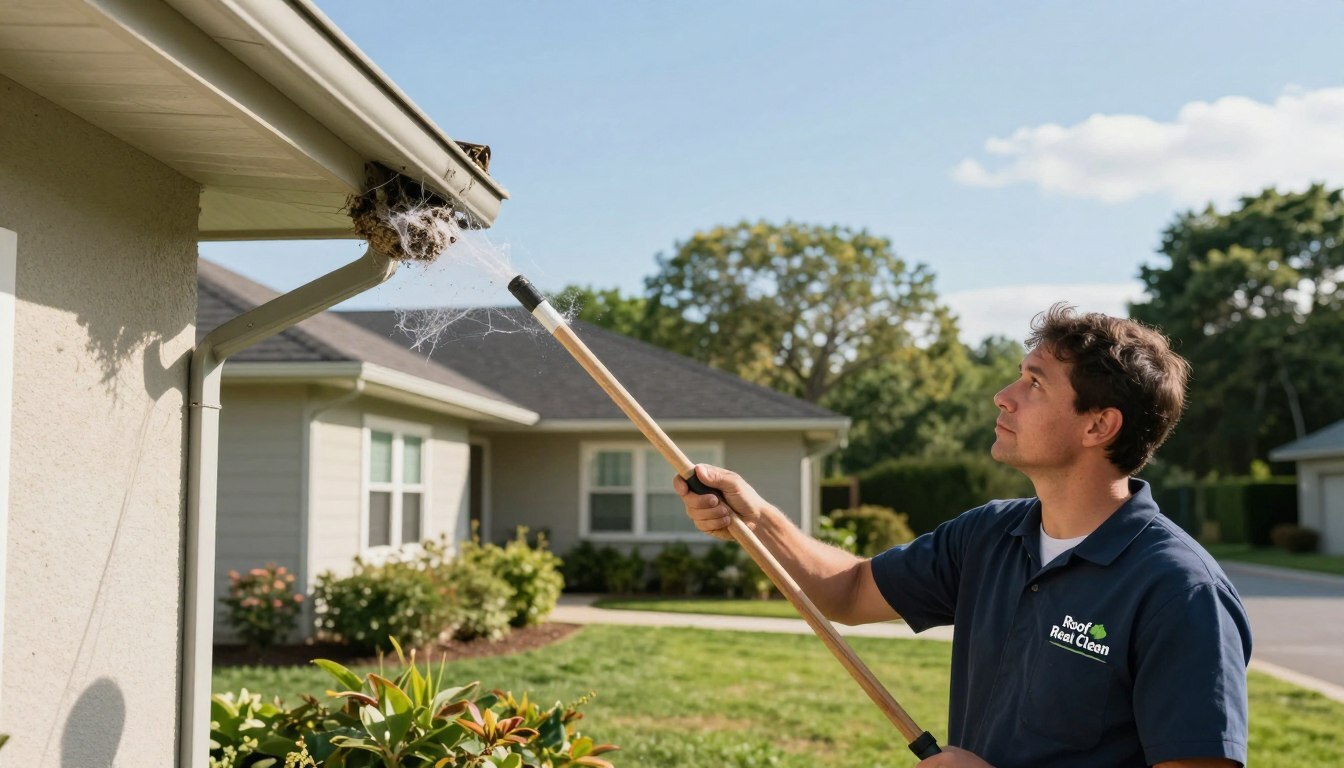
We often observe that nests and webs are more than just an eyesore; they are active threats to your building materials. Wasps and spiders frequently build in gaps where moisture naturally collects. When debris accumulates in these spots, it traps water against your siding, fascia boards, and soffits.
Over time, this trapped moisture leads to wood rot and the deterioration of exterior paint. If left unchecked, these small infestations can compromise the structural integrity of your roofline. Early intervention is the most effective way to prevent costly repairs down the road.
Health Hazards for Your Household
Beyond the physical damage to your home, these infestations pose significant health risks to your family. Wasps are naturally defensive, and a nest located near an entryway or window creates a constant danger of painful stings. For those with allergies, a single encounter can turn into a serious medical emergency.
Furthermore, pests that thrive in your eaves often find ways to migrate indoors as the seasons change. By prioritizing professional outdoor pest control, you create a protective perimeter that keeps your home safe. We believe that proactive management is the best strategy to ensure your household remains a comfortable and secure environment.
Essential Safety Gear and Preparation
Maintaining your home exteriors requires more than just the right tools; it demands a firm commitment to your personal safety. Before you begin any DIY pest removal, you must prioritize your physical well-being through careful planning and the use of proper equipment. We believe that a successful project is one where the property is restored without compromising your health.

Protective Clothing Requirements
When dealing with stinging insects, your choice of clothing acts as your first line of defense. We strongly recommend wearing thick, long-sleeved layers that cover all exposed skin to minimize the risk of painful encounters. Consider the following essentials for your safety gear:
- Heavy-duty gloves to protect your hands from stings and debris.
- Safety goggles to shield your eyes from falling dust or agitated insects.
- A wide-brimmed hat or hood to provide additional coverage for your head and neck.
"Preparation is the silent partner of every successful maintenance task; it turns a potentially hazardous situation into a controlled, manageable process."
Ladder Safety and Stability Tips
Working at height introduces significant risks that require your full attention. Always ensure your ladder is placed on level, firm ground before you begin your work. If you are unsure about the stability of your setup, it is wise to learn how to prepare your home for professional pressure to see how experts secure their equipment.
Never overreach while on the ladder, as this shifts your center of gravity and increases the chance of a fall. Instead, move the ladder frequently to keep your work area directly in front of you. Stability is non-negotiable when you are performing maintenance on your home exteriors.
Environmental Precautions Before Starting
Creating a controlled workspace is vital for both your safety and the integrity of your property. Before starting any DIY pest removal, clear the area below your ladder of any tripping hazards or fragile items. We advise notifying household members to stay clear of the zone while you are working at height.
Taking these environmental precautions ensures that you can focus entirely on the task at hand. By managing your surroundings, you protect your well-being and ensure that your property remains in excellent condition throughout the entire process.
How to Remove Spider Webs and Wasp Nests from Your Eaves Safely
We believe that maintaining a pest-free home starts with a calculated approach to nest and web removal. Learning how to remove spider webs and wasp nests from your eaves effectively requires more than just a broom; it demands a deep understanding of pest behavior and structural safety.
Assessing the Size and Location of Nests
Before you begin any diy pest removal, you must carefully evaluate the scope of the infestation. Not every nest is suitable for a homeowner to handle alone.
- Small, isolated webs: These are generally safe to clear with an extension pole.
- Large or active wasp colonies: If a nest is larger than a softball, we strongly recommend calling a professional.
- Difficult locations: Nests hidden deep within vents or electrical boxes pose significant risks that require specialized equipment.
Timing Your Removal for Maximum Safety
Timing is a critical component of our safety-first methodology. Insects are cold-blooded creatures, meaning their activity levels fluctuate significantly based on the ambient temperature.
We advise homeowners to perform maintenance during the early morning or late evening hours. During these cooler periods, wasps are typically less active and more sluggish, which significantly reduces the risk of defensive swarming.
Managing Potential Allergic Reactions
Even with the best preparation, unforeseen circumstances can occur during the removal process. It is essential to be fully prepared for the possibility of stings, especially if you have known allergies.
Always ensure that you have a clear, unobstructed path to retreat if the insects become aggressive. If you or a family member has a history of severe allergic reactions, we urge you to avoid diy pest removal entirely and contact a licensed professional to handle the situation safely.
Identifying Common Pests in Your Eaves
Effective insect management begins with a clear understanding of the pests currently occupying your property. When we maintain home exteriors, we must distinguish between harmless visitors and those that pose a genuine threat to your household safety.
Recognizing Different Spider Species
Most spiders found in eaves are beneficial predators that help control other insect populations. However, identifying species like the Black Widow or Brown Recluse is vital for your safety. These dangerous spiders often prefer dark, undisturbed corners near roof lines.
We recommend looking for distinct web patterns to identify the occupant. While common house spiders create messy, tangled webs, dangerous species often build stronger, more organized structures in protected crevices.
Distinguishing Between Wasp and Hornet Nests
Wasp nests often appear as papery, umbrella-shaped structures tucked under eaves. In contrast, hornets typically build larger, enclosed, football-shaped nests that can grow quite rapidly throughout the summer months.
Precision is key when you approach these structures. Hornets are generally more aggressive than paper wasps, making it essential to identify the nest type before you attempt any removal or treatment.
Signs of Active Infestation vs. Abandoned Nests
Determining if a nest is active requires careful observation from a safe distance. An active wasp nest will show consistent flight activity, with insects entering and exiting the opening frequently.
Abandoned nests often look weathered, dull, or have visible holes from predators. If you see no movement over several hours during a warm day, the nest is likely empty, though we still advise caution during removal.
| Pest Type | Nest Appearance | Activity Level | Risk Factor |
|---|---|---|---|
| Common Spider | Irregular, messy webs | Low | Minimal |
| Paper Wasp | Open, honeycomb cells | Moderate | High |
| Bald-faced Hornet | Large, gray, enclosed | High | Severe |
Selecting the Right Tools for Eaves Maintenance
Proper eaves maintenance depends heavily on selecting equipment that protects your property while simplifying the task. We believe that using the right gear is the most effective way to manage your home exterior without risking damage to delicate siding or roofing materials.
Extension Poles and Specialized Brushes
To keep your feet firmly on the ground, we recommend utilizing high-quality extension poles paired with specialized brushes. These tools allow you to reach difficult areas without the need for constant ladder repositioning.
- Soft-bristled brushes prevent scratching of painted surfaces.
- Telescopic poles provide the necessary reach for multi-story homes.
- Angled attachments help clear debris from tight corners effectively.
Choosing Effective Insecticides and Repellents
When addressing pest issues, we guide you toward manufacturer-approved products that offer reliable protection. It is vital to select solutions that are effective against infestations while remaining safe for the surrounding environment.
Always check labels to ensure the chemical composition is appropriate for your specific siding material. Using the correct eaves maintenance products ensures that your efforts are both efficient and professional, preserving the long-term value of your property.
Safety Equipment for High-Reach Tasks
Even when using extension tools, some tasks may require you to work at height. We emphasize the importance of wearing proper safety gear to mitigate risks during your eaves maintenance routine.
Your safety kit should include sturdy gloves, protective eyewear, and non-slip footwear. By investing in the right equipment, you ensure that your home care efforts remain safe, productive, and consistent with industry standards.
Step-by-Step Guide to Clearing Spider Webs
We understand that seeing cobwebs under your roofline can be frustrating, but clearing them safely is a manageable task. By following professional eaves cleaning tips, you can restore your home's appearance without risking damage to your exterior surfaces. A methodical approach ensures that you remove the pests while protecting your investment.
Clearing Debris Without Damaging Siding
When you begin the cleaning process, always prioritize the use of soft-bristled brushes or microfiber dusters. Avoid using high-pressure water sprayers directly against delicate siding, as this can force moisture behind the panels and cause structural issues. Gently sweep the webs away in a downward motion to ensure debris falls to the ground rather than being pushed into crevices.
Preventing Spider Re-entry After Cleaning
Once the area is clear, you should focus on making the environment less hospitable for future spiders. We recommend applying a light, non-toxic peppermint oil solution or a specialized barrier spray along the eaves to discourage spiders from returning. Keeping your exterior lighting dimmed or switching to yellow LED bulbs also helps, as bright white lights attract the insects that spiders feed on.
Disposing of Webbing and Egg Sacs
Proper disposal is a critical step that many homeowners overlook. You must collect all removed webbing and egg sacs in a sealed plastic bag before placing them in your outdoor trash bin. If you leave these materials on the ground, the spiderlings may simply crawl back up the wall to re-establish their territory. Consistent sanitation is the key to long-term success.
| Method | Effectiveness | Risk to Siding |
|---|---|---|
| Soft Bristle Brush | High | None |
| Microfiber Duster | Medium | None |
| Pressure Washer | High | High |
| Garden Hose Spray | Low | Moderate |
By integrating these eaves cleaning tips into your seasonal maintenance schedule, you ensure your home remains a clean and welcoming space. Taking these small, deliberate steps today prevents larger infestations tomorrow.
Professional Techniques for Wasp Nest Removal
Effective insect management for wasp colonies demands a strategic approach that prioritizes both human safety and property integrity. We approach the removal of wasp nests with the same rigor and technical expertise that we apply to all our property maintenance services. By utilizing industry-standard methods, we ensure that your home remains a safe environment for your family.
Applying Targeted Treatments at Night
Timing is a critical factor when addressing an active wasp infestation. We recommend performing treatments at night when the colony is dormant and less likely to react defensively to external disturbances.
During these cooler hours, the wasps are inside the nest and significantly less active. This allows for a more controlled application of treatment, minimizing the risk of stings and ensuring the entire colony is reached effectively.
Handling Large or Hard-to-Reach Nests
Large nests or those located in high, awkward spots require specialized equipment to maintain a safe distance. We utilize extension tools that allow us to reach difficult areas without compromising our stability on ladders or scaffolding.
Attempting to reach these nests without the proper gear is highly dangerous for an untrained homeowner. Our professional approach ensures that we maintain a secure perimeter while addressing the infestation at its source.
Neutralizing the Nest Before Removal
Before any physical removal takes place, the nest must be completely neutralized. We use specific formulations designed to eliminate the colony, ensuring that no active wasps remain to defend the structure.
Once we confirm that the nest is inactive, we can safely remove it from your eaves. This meticulous process prevents future re-colonization and protects your property from further damage.
| Feature | DIY Removal | Professional Service |
|---|---|---|
| Safety Protocols | Limited | Comprehensive |
| Treatment Timing | Often Daytime | Strategic Nighttime |
| Equipment Used | Basic Sprays | Specialized Gear |
| Risk Mitigation | High Exposure | Minimal Risk |
Natural and Chemical Prevention Strategies
Protecting your home investment involves more than just cleaning; it requires a strategic approach to pest prevention. By integrating these methods into your regular maintenance routine, you can create an environment that is far less inviting to unwanted visitors. Consistent care is the best way to ensure your property remains secure and comfortable throughout the year.
Essential Oils and Natural Repellents
Many homeowners prefer using natural solutions to deter spiders and wasps from building nests. Essential oils like peppermint, tea tree, and cedarwood act as powerful natural repellents when applied to common nesting areas. These substances disrupt the sensory receptors of pests, encouraging them to seek shelter elsewhere.
- Mix a few drops of peppermint oil with water in a spray bottle.
- Apply the solution to corners and crevices where webs often appear.
- Reapply these natural treatments every few weeks to maintain their effectiveness.
Applying Long-Lasting Barrier Sprays
When natural methods are not enough, professional-grade barrier sprays provide a reliable defense. These products leave a residual layer that remains active for several months, effectively stopping pests upon contact. Following proper eaves cleaning tips before application ensures that the spray adheres directly to the surface for maximum protection.
Always choose products labeled for exterior use to ensure they withstand weather conditions. Consistency is key; applying these sprays at the start of the spring season helps establish a protective perimeter before pest activity peaks.
Sealing Gaps and Cracks in Eaves
Physical exclusion is the most permanent form of pest prevention available. Small gaps and cracks in your eaves provide easy access for insects to build nests in protected, hidden areas. We recommend inspecting your roofline annually to identify and seal these entry points.
Using high-quality exterior caulk or expanding foam can effectively block these openings. By closing these gaps, you eliminate the structural vulnerabilities that often lead to recurring infestations. This simple step is one of the most effective eaves cleaning tips for long-term property health.
When to Call Professional Pest Control Services
Knowing when to step back and call in the experts is a vital part of responsible home ownership. While we encourage proactive maintenance, certain situations require the specialized knowledge of outdoor pest control professionals to ensure your safety and the integrity of your property.
Recognizing Dangerous Infations
Not every pest encounter is a simple task for a ladder and a brush. You should consider calling for help if you notice exceptionally large wasp colonies or nests located in areas that are difficult to reach safely. If you find that pests return shortly after you have cleared an area, it often indicates a deeper, more complex infestation that requires a professional touch.
Attempting to handle aggressive species like hornets or yellow jackets without proper training can lead to dangerous stings. If you or a family member have known allergies, the risk of a severe reaction makes professional intervention the only responsible choice for your household.
Benefits of Expert Pest Management
Engaging a licensed service provides more than just a quick fix; it offers a comprehensive approach to property health. Experts utilize specialized equipment and industry-approved treatments that are often unavailable to the general public. This ensures that the job is done correctly the first time, protecting your long-term investment.
Effective outdoor pest control relies on understanding the biology and behavior of the insects involved. Professionals can identify the root cause of the activity and implement barriers that prevent future nesting. This proactive strategy saves you time and reduces the stress associated with recurring maintenance issues.
| Feature | DIY Methods | Professional Service |
|---|---|---|
| Safety Equipment | Basic/Limited | Full Protective Gear |
| Treatment Scope | Surface Level | Comprehensive/Targeted |
| Long-term Results | Temporary | Preventative/Lasting |
| Risk Level | Moderate to High | Low/Managed |
Need Professional Assistance?
If you find yourself facing an infestation that feels overwhelming or hazardous, our local specialists are ready to help keep your home secure.
Call Us at (703) 261-8228Long-Term Eaves Upkeep and Exterior Care
Protecting your eaves from pests requires more than just occasional cleaning; it demands a strategic, long-term plan. We view your home as a significant investment, and consistent eaves maintenance serves as the foundation for preserving its structural integrity and aesthetic value.
Seasonal Maintenance Schedules
Establishing a predictable routine is the most effective way to manage your property's health. We recommend creating a calendar that aligns with local climate shifts to ensure your home remains a fortress against unwanted visitors.
- Spring: Clear away winter debris and check for early signs of nesting activity.
- Summer: Perform mid-season touch-ups to address any new spider webs or wasp activity.
- Fall: Seal small gaps before temperatures drop and pests seek warmth.
- Winter: Conduct a thorough inspection of structural integrity while foliage is sparse.
Improving Exterior Lighting to Deter Pests
Many pests thrive in the dark, undisturbed corners of your roofline. By strategically improving your exterior lighting, you can significantly enhance your pest prevention efforts. Motion-activated LED lights are an excellent choice because they eliminate the shadows that spiders and wasps often prefer for building their nests.
Bright, well-lit eaves discourage nocturnal insects from settling in, which in turn reduces the food source for larger pests. This simple upgrade acts as a passive security system for your home's exterior.
Regular Inspections for Early Detection
The secret to a pest-free home lies in catching issues before they escalate into full-blown infestations. We encourage homeowners to perform visual inspections at least once a month, focusing on the junctions where your roof meets the siding.
Look for early warning signs such as small web clusters or the initial stages of mud-based nests. By staying proactive with these regular inspections, you ensure that your home remains a protected and valuable asset for years to come. Early detection allows for quick, minor interventions rather than costly, large-scale removals.
Conclusion
Maintaining a pristine exterior requires more than just occasional cleaning. Consistent eaves upkeep serves as the primary defense against structural degradation and unwanted pest activity. By integrating these practices into your seasonal routine, you preserve the aesthetic appeal and long-term value of your property.
We understand that managing high-reach areas can feel daunting for many homeowners. Our team remains dedicated to providing the expertise needed to keep your living space secure and comfortable. Prioritizing regular inspections ensures that small issues do not evolve into costly repairs over time.
You hold the power to prevent infestations through proactive care and informed decision-making. We encourage you to reach out if you encounter challenges that require specialized equipment or professional guidance. Your commitment to diligent eaves upkeep creates a safer environment for your family and protects your most significant investment for years to come.
Frequently Asked Questions
Why is consistent eaves maintenance essential for protecting my home’s structural integrity?
We have observed that when pests like mud daubers or paper wasps establish colonies in your home exteriors, their nests can trap moisture against wooden fascia boards and soffits. This moisture retention often leads to wood rot or the growth of organic contaminants like Gloeocapsa magma, which compromises the material's strength over time. By prioritizing eaves upkeep, you prevent these persistent environmental threats from causing long-term, costly damage to your property investment while ensuring pests do not migrate into your attic or living spaces.
What are the most effective eaves cleaning tips for removing stubborn spider webs and egg sacs?
For safe and efficient removal, we recommend using a specialized tool like the Webster Cobweb Duster attached to a Wooster Sherlock extension pole. This high-reach equipment allows you to clear debris from peaks without the risks associated with high-altitude ladder work. It is vital to brush away the webbing with a firm, twisting motion and to dispose of the egg sacs in a sealed receptacle immediately; this prevents the spider population from simply relocating to another area of your home exteriors.
How can I safely execute diy pest removal for a small wasp nest?
Understanding how to remove spider webs and wasp nests from your eaves safely requires perfect timing. We advise performing removals during the late evening or early morning when temperatures are lower and the wasps are less active inside the nest. Utilizing a long-range aerosol like Raid Wasp & Hornet allows you to neutralize the nest from a safe distance of up to 20 feet. Always wear protective layers, such as a Carhartt heavy-duty hooded jacket and eye protection, to safeguard against potential stings or chemical blowback.
When should I stop attempting insect management myself and call a professional?
We encourage homeowners to recognize when the complexity or danger of an infestation exceeds the capabilities of standard diy pest removal. If you identify large, established colonies, recurring activity after treatment, or nests located in dangerously high peaks, it time to seek expert intervention. Professional outdoor pest control offers the benefit of specialized safety protocols and industrial-grade solutions that provide long-term protection. If you find yourself in this situation, please contact our local specialists at (703) 261-8228 for immediate, reliable assistance.
What pest prevention strategies are best for long-term eaves upkeep?
Beyond physical cleaning, we suggest a multi-layered approach to deter insects from returning. Applying a residual barrier spray, such as Miss Muffet’s Revenge, around the perimeter of your eaves can create a chemical deterrent that lasts for several months. Additionally, sealing small gaps and cracks in your soffits with a high-quality sealant like DAP Touch ‘n Foam prevents pests from finding entry points into your home's structure. Regular seasonal inspections are the most effective way to ensure early detection and maintain the health of your property.
Does the type of lighting I use affect outdoor pest control on my eaves?
Yes, lighting plays a significant role in insect management. Traditional incandescent bulbs emit a spectrum of light that is highly attractive to nocturnal insects, which in turn attracts spiders looking for a food source. We recommend switching to yellow LED "bug lights" or motion-activated security lights. By reducing the light attraction, you naturally decrease the number of pests that congregate around your eaves, making your eaves maintenance routine much more manageable and effective over time.
© 2026 All Rights Reserved