CALL NOW TO GET A FREE ESTIMATE->

The Role of Zinc and Copper in Preventing Roof Moss Growth
Many homeowners overlook the small green patches appearing on their shingles until significant damage occurs. Moss acts like a sponge, holding moisture against your home's exterior for extended periods. This constant dampness leads to shingle lifting, wood rot, and expensive water leaks that compromise your structural integrity.
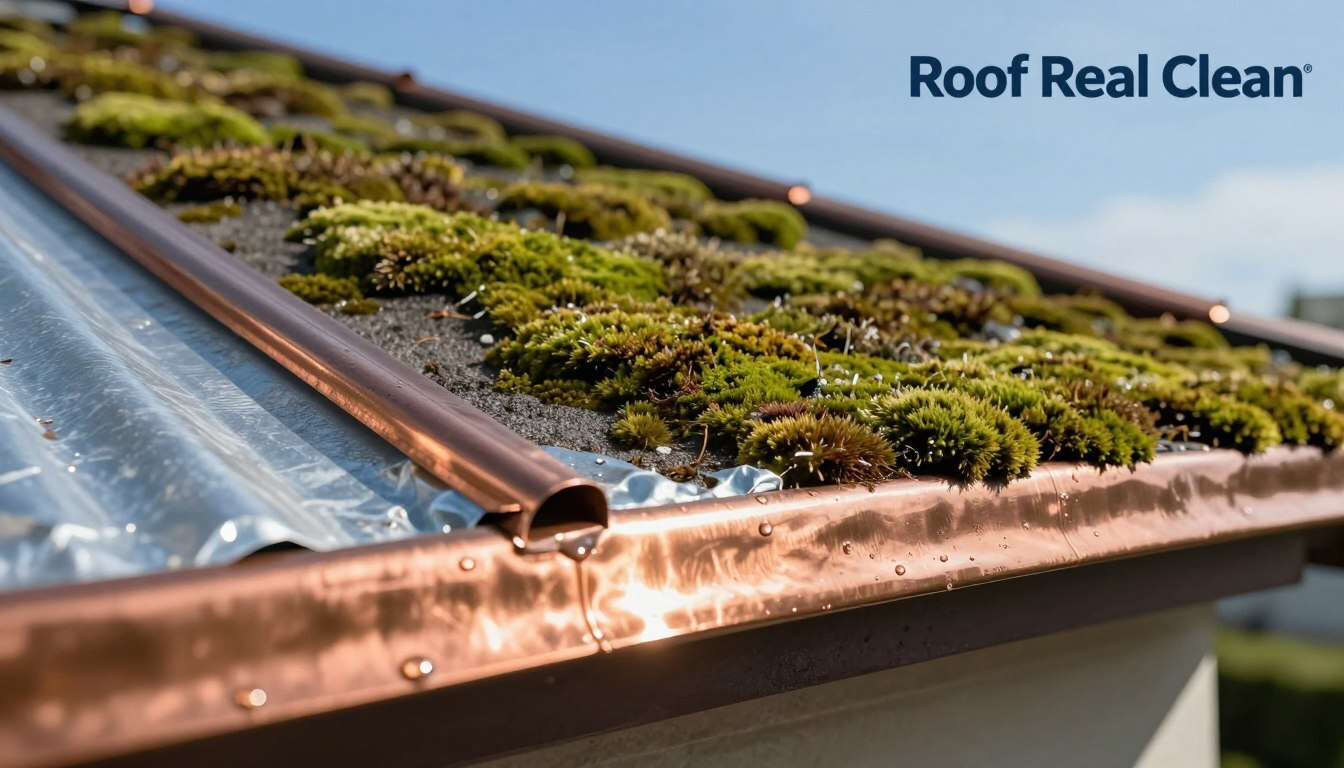
We understand that protecting your investment is a top priority. By installing metal strips, you can effectively stop these organisms from taking hold. Strategic placement of these metals creates a hostile environment for growth, keeping your shingles dry and secure. If you need expert guidance on maintaining your home, please reach out to us at (703) 261-8228.
Key Takeaways
- Moss acts as a sponge, trapping moisture that causes structural decay.
- Shingle lifting often results from unchecked organic growth on your home.
- Metal strips provide a long-term solution to keep your exterior clean.
- Professional installation ensures your warranty remains intact and effective.
- Contact our team at (703) 261-8228 for personalized roofing advice.
Understanding the Science Behind Metal-Based Moss Prevention
We often overlook the chemistry happening right above our heads on the roof. While many homeowners view moss as a simple nuisance, it is actually a complex biological organism that thrives in specific conditions. Utilizing zinc and copper for roof moss prevention allows us to harness natural chemical reactions to protect our homes.
The Biological Mechanism of Moss Growth on Roofs
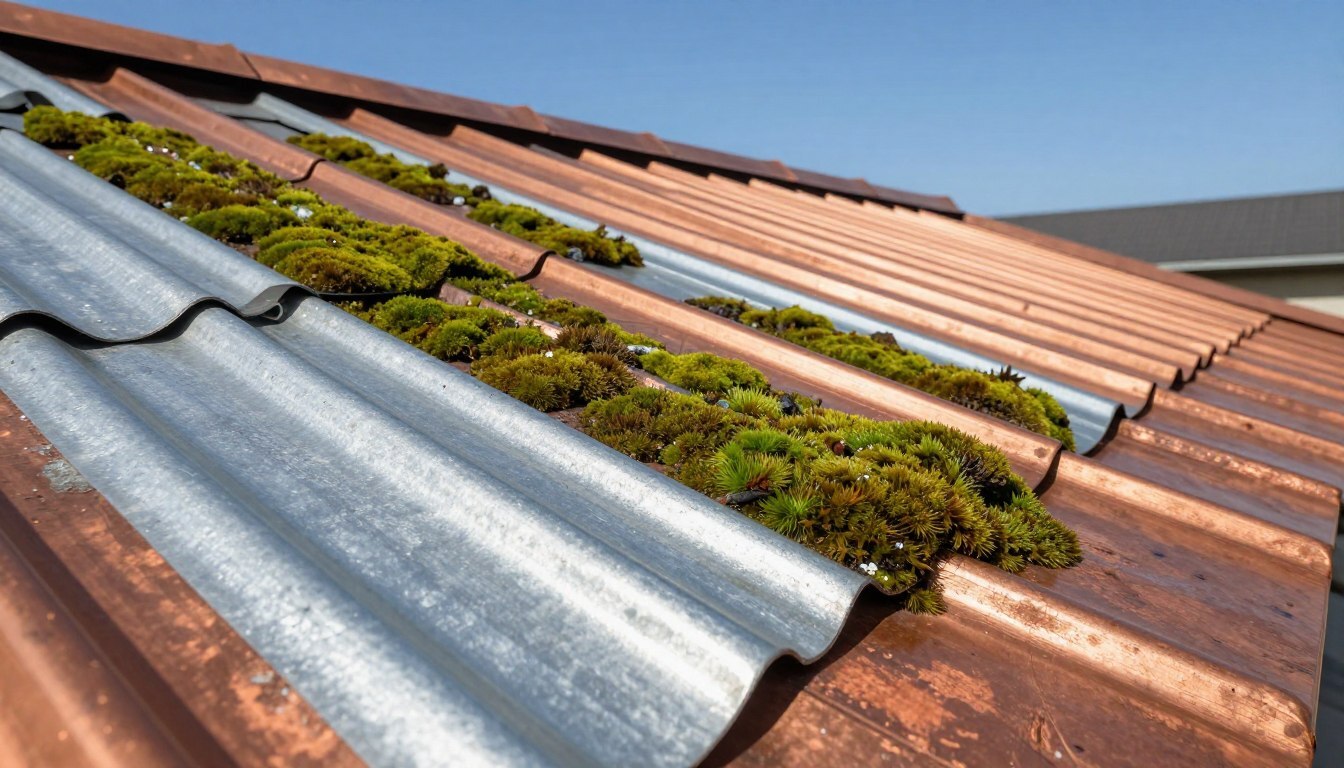
Moss requires moisture, shade, and a stable surface to establish its root-like structures, known as rhizoids. Roofing materials, especially asphalt shingles, provide the perfect texture for these spores to settle and germinate. Once established, moss acts like a sponge, holding water against the roof surface and accelerating the decay of shingles.
Without intervention, these colonies expand rapidly across damp, north-facing slopes. This process creates a cycle of moisture retention that can lead to significant damage over time. By introducing metal elements, we effectively change the chemistry of the runoff, making the surface inhospitable for new growth.
How Metal Ions Disrupt Moss Spore Development
When rainwater flows over metal strips, it picks up microscopic ions that wash down the roof. These ions are toxic to moss spores and algae, preventing them from attaching to the shingles. While both metals are effective, copper ions are particularly potent and tend to inhibit growth across a broader surface area than zinc.
| Metal Type | Primary Action | Coverage Area | Longevity |
|---|---|---|---|
| Zinc | Oxidation/Leaching | Moderate | High |
| Copper | Ion Release | Extensive | Very High |
| Combined | Synergistic Effect | Maximum | Superior |
By understanding these mechanisms, we can see why zinc and copper for roof moss prevention remain the gold standard for maintenance. These metals provide a passive, long-term solution that works every time it rains. This natural approach ensures that your roof remains clean without the need for harsh, recurring chemical treatments.
The Role of Zinc and Copper in Preventing Roof Moss
The secret to a moss-free roof lies in the elegant interaction between moisture and specific metal alloys. By installing metal strips, we create a self-sustaining defense system that works around the clock. This passive protection ensures that our homes remain cleaner for longer periods without the need for constant manual intervention.
Chemical Reactions Between Rainwater and Metal Surfaces
When rainwater makes contact with zinc or copper surfaces, a fascinating chemical transformation occurs. The moisture acts as a catalyst, triggering an oxidation process that releases metal ions into the runoff. These ions are naturally toxic to moss spores, effectively neutralizing them before they can establish a foothold on your shingles.
This reaction is continuous and relies entirely on the weather. As long as there is rain, the metal surface remains active. We find that this method provides several distinct advantages for homeowners:
- Consistent protection regardless of the season.
- Reduction in the need for harsh chemical cleaning agents.
- Long-term preservation of roofing material integrity.
The Leaching Process and Its Protective Coverage
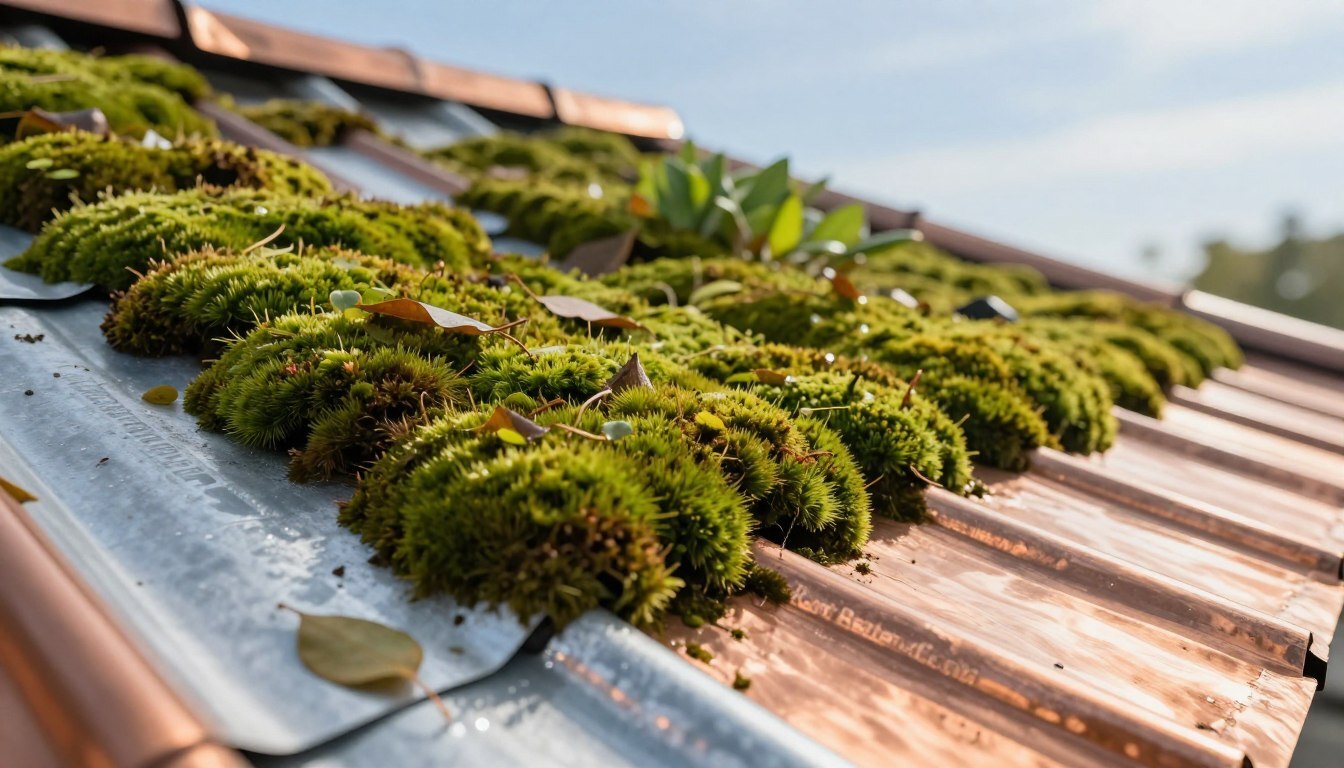
Once the ions are released, the leaching process begins to distribute this protective barrier across the roof. Gravity plays a vital role here, as rainwater carries the metal ions downward from the ridge. This ensures that the entire surface area of the shingles receives a steady dose of the moss-inhibiting solution.
The coverage is remarkably thorough, reaching areas that are often difficult to clean by hand. By maintaining this constant flow of ions, we prevent the re-colonization of moss spores. This proactive approach keeps your roof looking pristine while significantly extending the lifespan of your shingles.
Comparing Zinc vs Copper for Moss Prevention
When we evaluate zinc vs copper for moss prevention, we often find that the choice depends on balancing long-term durability with specific environmental needs. Both metals provide excellent protection by releasing ions that inhibit moss growth, yet they behave quite differently over time.
Performance Differences in Various Climates
In regions with high humidity and frequent rainfall, the rate of oxidation becomes a critical factor. Copper tends to be more resilient in harsh, wet climates because it forms a protective layer that slows down further corrosion. This allows the metal to remain effective for decades, even under constant exposure to the elements.
Zinc, while highly effective, may oxidize more rapidly in acidic environments. Homeowners in coastal areas or regions with heavy industrial pollution might notice that zinc strips require replacement sooner than copper. We recommend assessing your local weather patterns to determine which metal offers the best longevity for your specific roof.
Aesthetic Considerations for Different Roofing Materials
Beyond performance, the visual impact of these metals is a major consideration for many homeowners. Copper is widely prized for its natural patina, which shifts from a bright metallic sheen to a sophisticated dark brown or green over time. This aging process often enhances the curb appeal of high-end roofing materials like slate or cedar shakes.
Zinc typically maintains a more muted, matte gray appearance that blends seamlessly with standard asphalt shingles. Choosing the right material often comes down to whether you prefer a subtle integration or a distinct architectural accent. The following table highlights the key differences to help you decide.
| Feature | Zinc Strips | Copper Strips |
|---|---|---|
| Longevity | Moderate | High |
| Aesthetic | Matte Gray | Natural Patina |
| Best Use | Asphalt Shingles | Slate/Cedar/Premium |
| Cost | Budget-Friendly | Premium Investment |
Benefits of Zinc and Copper Against Roof Moss
We often find that the most effective way to maintain a roof is through proactive, long-term prevention. By installing metal strips, homeowners can secure the benefits of zinc and copper against roof moss without needing constant intervention. These materials create a natural, self-cleaning environment that protects your investment for years to come.
Long-Term Cost Savings Compared to Chemical Treatments
Many homeowners rely on harsh chemical cleaners to remove moss, but these solutions are often temporary and expensive. Recurring applications add up quickly, whereas metal strips provide a one-time installation that works continuously. This approach offers significant financial advantages over the lifespan of your roof.
By choosing metal-based prevention, you avoid the cycle of paying for professional cleaning services every few seasons. These strips leverage rainwater to distribute ions, ensuring that your roof stays clean without additional labor. It is a smarter financial strategy that pays for itself by eliminating the need for recurring maintenance.
Preserving the Structural Integrity of Shingles
Moss is more than just an aesthetic issue; it actively degrades the materials protecting your home. When moss holds moisture against your shingles, it leads to rot, granule loss, and eventual leaks. Utilizing the benefits of zinc and copper against roof moss helps maintain the structural integrity of your roofing system.
Preventing moss growth stops the cycle of moisture retention that weakens asphalt and composite shingles. By keeping the surface clear, you extend the life of your roof and avoid the high costs of premature repairs or full replacements. Protecting your shingles today ensures that your home remains safe and dry for many years.
How Zinc and Copper Help Prevent Roof Moss Growth
Many homeowners often wonder how zinc and copper help prevent roof moss effectively over time. By installing these metal strips near the ridge of your roof, you create a natural, long-lasting defense system. This method relies on basic chemistry to keep your shingles looking pristine without the need for harsh, recurring chemical treatments.
The Role of Oxidation in Creating a Hostile Environment
When rainwater flows over zinc or copper strips, a chemical reaction known as oxidation occurs. This process releases metal ions that wash down the surface of your roof. These ions create a hostile environment that is fundamentally inhospitable to moss, algae, and lichen spores.
Because these ions are toxic to moss, they prevent the spores from successfully attaching to your shingles. This continuous, slow-release mechanism ensures that your roof remains protected even during heavy rainfall.
Preventing Re-colonization After Initial Cleaning
After you have invested time and effort into cleaning your roof, the last thing you want is for moss to return. Installing metal strips acts as a proactive barrier that stops re-colonization before it begins. By maintaining a constant presence of metal ions, you ensure that any new spores landing on your roof are neutralized immediately.
This approach is particularly effective in humid climates where moisture levels typically encourage rapid growth. By understanding how zinc and copper help prevent roof moss, you can enjoy a cleaner, more durable roof for many years to come.
Installation Methods for Zinc and Copper Strips
When you decide on using zinc and copper to stop roof moss growth, the installation method determines your success. We emphasize that precision is vital to ensure the metal ions effectively cover the entire surface of your roof.
Proper Placement Near the Roof Ridge
Roofing strips are typically installed along the roof’s ridge line to maximize the reach of ion runoff. By placing the metal at the highest point, we allow gravity to distribute the protective ions across the slope whenever it rains. This strategic positioning ensures that the entire shingle surface receives a consistent treatment.
Securing Strips to Asphalt and Composite Shingles
Securing these strips to asphalt and composite shingles requires careful attention to detail to prevent wind damage. We recommend using high-quality, corrosion-resistant fasteners that penetrate the roof deck securely. Proper fastening techniques prevent the strips from lifting during heavy storms, which is essential when using zinc and copper to stop roof moss growth.
| Installation Factor | Zinc Strips | Copper Strips |
|---|---|---|
| Placement | Ridge Line | Ridge Line |
| Fastener Type | Stainless Steel | Copper Nails |
| Maintenance | Low | Very Low |
Safety Considerations and Professional Installation
Protecting your property while ensuring personal safety is the cornerstone of our installation process. We believe that any work performed on a roof requires a disciplined approach to mitigate risks and ensure long-term success. While the benefits of metal strips are clear, the installation phase demands careful planning and execution.
Working at Heights and Fall Protection
Working at significant elevations presents inherent dangers that require strict adherence to safety protocols. We utilize industry-standard fall protection equipment, including harnesses, lanyards, and secure anchor points, to prevent accidents. Our technicians are trained to navigate steep gradients safely, ensuring that every movement is calculated and secure.
Attempting to install these materials without proper safety gear is highly discouraged. Relying on professional expertise ensures that the job is completed without compromising the well-being of those on the roof. We prioritize a secure environment so that you can enjoy the results of our work with complete peace of mind.
Avoiding Damage to Roofing Materials During Installation
Beyond personal safety, we take great care to preserve the structural integrity of your shingles. Improper installation techniques, such as excessive foot traffic or incorrect fastening, can lead to premature wear or leaks. We use specialized methods to secure the metal strips without damaging the underlying roof deck or the surrounding shingles.
Our team understands the delicate nature of composite and asphalt materials. By distributing weight correctly and using the right tools, we ensure that the installation process enhances your roof rather than causing unintended harm. The following table outlines the key differences between professional and amateur installation approaches.
| Feature | Professional Installation | DIY Approach |
|---|---|---|
| Safety Gear | Full OSHA-compliant harness | Often absent or inadequate |
| Roof Integrity | Weight distribution techniques | Risk of shingle cracking |
| Fastening | Corrosion-resistant hardware | Potential for leaks |
| Longevity | Guaranteed proper alignment | Risk of improper drainage |
Maintenance and Longevity of Metal Treatments
Protecting your roof with metal treatments is a smart move, but it does not mean you can simply walk away and forget about it. While these systems are highly effective, they require periodic attention to ensure they continue to function as intended. Using zinc and copper as natural roof moss preventatives provides a long-term solution, provided you stay proactive with your home maintenance routine.
Monitoring the Effectiveness of Metal Strips Over Time
To keep your roof in peak condition, we recommend a visual inspection at least twice a year. You should check that the strips remain securely fastened and are not being smothered by leaves, pine needles, or other organic debris. If the metal is covered, the rainwater cannot interact with the surface to release the protective ions needed to inhibit moss growth.
Consistency is the key to success when managing your roof's health. By keeping the area around the strips clear, you ensure that the natural leaching process remains active. Consider these simple steps for your routine check:
- Clear away any accumulated debris from the ridge area.
- Check for signs of loose fasteners or shifting strips.
- Look for consistent oxidation patterns down the roof slope.
When to Replace or Clean Oxidized Metal
Over time, you may notice that the metal strips develop a heavy layer of oxidation or mineral buildup. While some oxidation is necessary for the strips to work, excessive accumulation can eventually block the chemical reaction. If you notice that the metal is no longer releasing ions effectively, it may be time for a gentle cleaning.
We suggest using a soft-bristled brush to remove surface grime without damaging the metal finish. However, if the strips have become brittle or show signs of significant corrosion, replacement is the best course of action. Investing in high-quality zinc and copper as natural roof moss preventatives ensures that your roof remains protected for many years to come.
Environmental Impact of Using Metal Strips
We believe that preventing roof moss with zinc and copper treatment offers a sustainable path forward for modern homeowners. By choosing these natural elements, you can maintain a pristine roof without relying on synthetic toxins that may harm your local ecosystem.
Managing Runoff and Soil Safety
When rainwater flows over metal strips, it picks up trace amounts of zinc or copper ions. These ions are naturally occurring minerals that do not pose a significant threat to your garden or soil health when used in these controlled amounts.
Unlike synthetic pesticides, these metal ions break down safely in the environment. You can enjoy peace of mind knowing that your roof maintenance routine supports a healthy landscape rather than introducing persistent pollutants into your yard.
Comparing Metal Strips to Harsh Chemical Moss Killers
Traditional chemical moss killers often contain harsh surfactants and toxic compounds that can wash into storm drains. These chemicals may damage nearby plants or affect local water quality during heavy rain events.
In contrast, metal strips provide a passive, long-term solution that eliminates the need for repeated chemical applications. This approach is not only better for the planet but also reduces the overall labor required to keep your shingles clear.
| Feature | Metal Strips | Chemical Sprays |
|---|---|---|
| Environmental Impact | Low (Natural Minerals) | High (Synthetic Toxins) |
| Application Frequency | Once every few years | Every 6-12 months |
| Soil Safety | Safe for gardens | Potential runoff risk |
| Longevity | Highly durable | Short-term effect |
Ultimately, preventing roof moss with zinc and copper treatment represents a smarter, greener choice for your home. By investing in these durable materials, you protect your roof and the environment simultaneously.
Expert Advice and Professional Consultation
Making the right choice for your roof requires a clear understanding of its current health. Before you commit to any specific zinc and copper solutions for roof moss prevention, we recommend a comprehensive evaluation of your home's exterior.
Assessing Your Roof Condition Before Treatment
Not every roof is an ideal candidate for metal strip installation. Our experts look for signs of structural wear, existing shingle damage, and the specific type of moss growth present on your surface.
Professional inspections help identify if your roof requires minor repairs before we apply any preventative measures. This proactive approach ensures that your investment provides the maximum possible protection against future growth.
Contacting Our Team for Expert Guidance at (703) 261-8228
We are here to help you navigate the complexities of roof maintenance with ease. If you are considering zinc and copper solutions for roof moss prevention, our team is ready to provide the guidance you need.
Please reach out to us today to discuss your specific roofing requirements. You can schedule your professional assessment by calling our office directly at (703) 261-8228. We look forward to helping you keep your roof in pristine condition for years to come.
Conclusion
Protecting your home starts with proactive choices that prioritize long-term structural health. Zinc and copper strips provide a reliable, natural defense against moss accumulation on residential roofs.
We observe that copper often stands out for its superior durability and aesthetic appeal over time. These metal treatments offer a sustainable alternative to harsh chemical cleaners that may harm your landscaping or local water supply.
Investing in these materials helps you avoid costly repairs caused by moisture retention and shingle decay. You gain peace of mind knowing your roof remains clear and functional throughout the changing seasons.
We encourage you to evaluate your current roofing needs today. Reach out to our experts at (703) 261-8228 to discuss the best options for your specific home environment. Taking action now ensures your property stays in top condition for years to come.
Schedule your professional roofing assessment today and defend your home with long-lasting metal protection:
(703) 261-8228Frequently Asked Questions
Unlike bleach, which is a temporary and potentially corrosive solution that can damage your landscaping, preventing roof moss with zinc and copper treatment provides a continuous, low-toxicity defense. The metal strips work for decades, whereas bleach treatments must be repeated annually and can dry out the oils in your shingles.
Yes, when installed correctly. While there is a known reaction between dissimilar metals (like copper and aluminum), the concentration of ions in the runoff is typically not high enough to cause significant galvanic corrosion in standard aluminum gutters. However, we always assess your gutter material during our consultation.
These metals are primarily preventatives. If you already have thick moss, the strips will not "kill" it overnight. We recommend a professional cleaning first; once the roof is clear, the strips begin working immediately with the first rain to ensure no new moss spores can survive.
Both are highly effective, but copper generally provides a wider area of protection and lasts longer. While zinc is an excellent cost-effective option for many homeowners, copper’s higher ion toxicity makes it more efficient at stopping growth on very long roof slopes.
They are most effective on asphalt, composite, and wood shake roofs. For metal roofs or certain tile roofs, the application may differ.
Generally, a single strip installed at the ridge can protect about 10 to 15 feet of roof slope downwind. For exceptionally long slopes, we may recommend a second row of strips mid-way down the roof to ensure complete coverage.
© 2026 All Rights Reserved