CALL NOW TO GET A FREE ESTIMATE->

How to Stop Lichen from Eating Your Shingles Today
Discovering biological growth on your roof can be a deeply stressful experience for any homeowner. We understand that your property represents a significant investment, and seeing these organisms spread is naturally concerning. Our team specializes in identifying these threats before they compromise the structural integrity of your home.
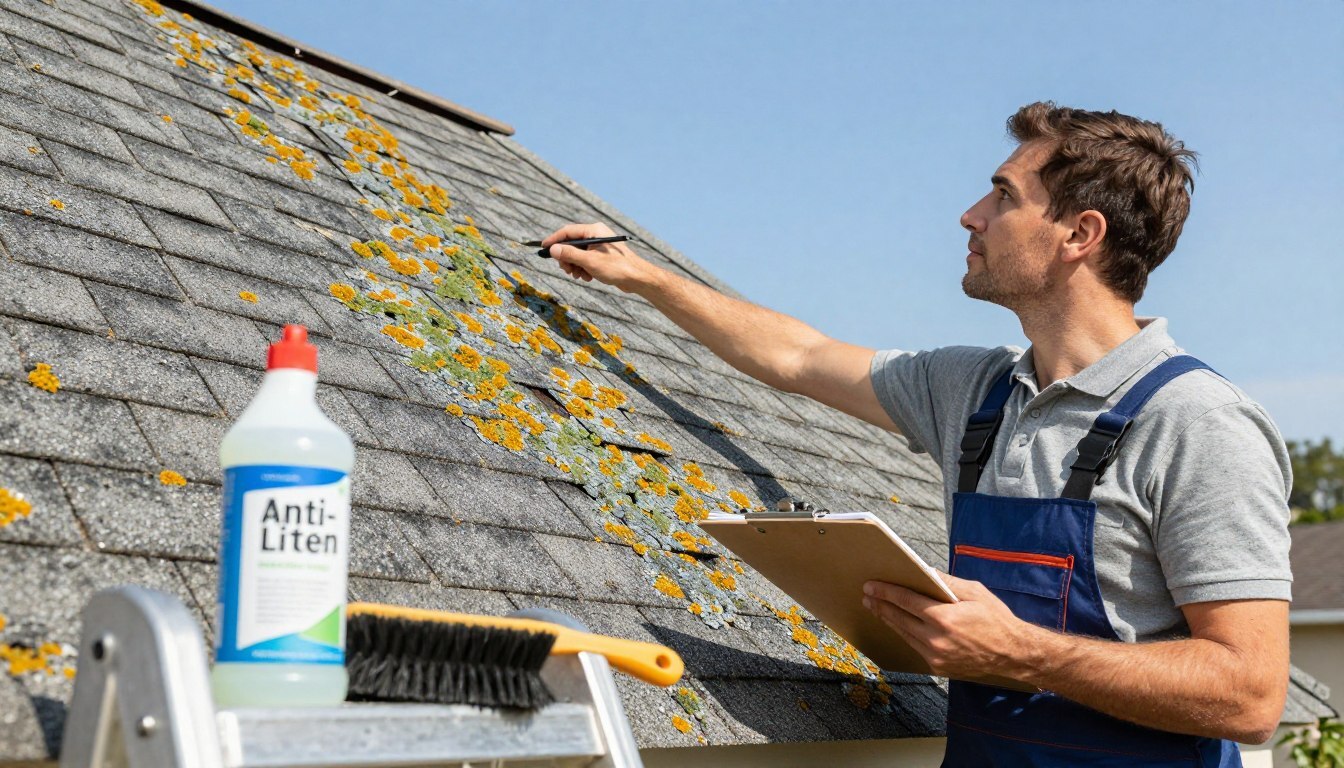
We utilize science-based, manufacturer-approved methods to ensure your roof remains healthy and durable. By partnering with our experts, you gain access to professional guidance on how to stop lichen from eating your shingles effectively. We prioritize long-term value over temporary fixes to protect your peace of mind.
If you have immediate concerns regarding the health of your roof, please contact our team at (703) 261-8228 for a professional consultation. We are here to help you preserve your investment with precision and care.
Key Takeaways
- Lichen growth on roofing materials can lead to long-term structural damage if left untreated.
- Professional intervention is necessary to safely remove biological threats without damaging shingles.
- Our team uses manufacturer-approved, science-based cleaning methods to ensure property safety.
- Early detection and mitigation are essential for maintaining your home's overall market value.
- Contacting experts at (703) 261-8228 provides a reliable path toward restoring your roof's health.
Understanding Lichen Growth on Roofing Materials
To effectively manage your roof's health, we must first examine the biological nature of lichen growth. Many homeowners view these patches as simple dirt, but they are actually complex living organisms that require specific conditions to thrive. By understanding how these growths interact with your shingles, we can better protect your home investment.
The Biology of Lichen on Asphalt Shingles
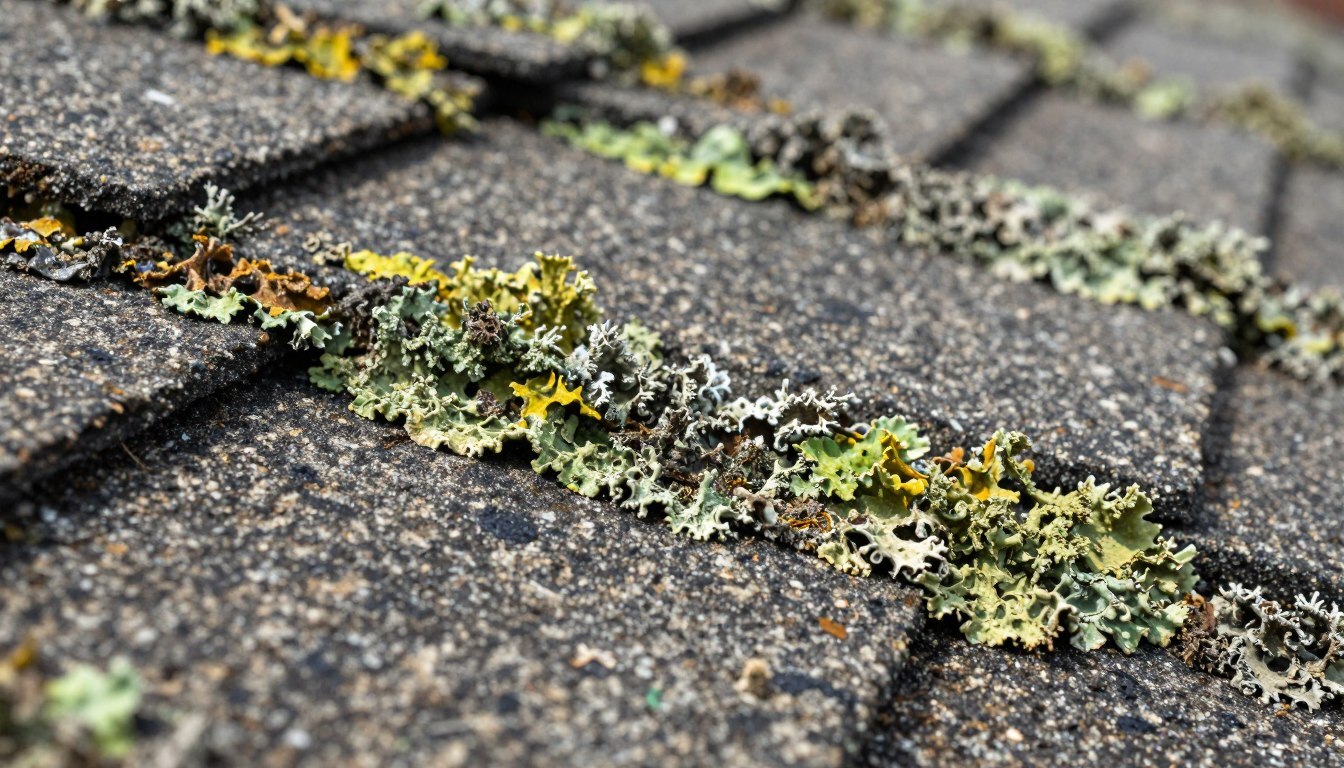
Lichen often begins its life cycle from airborne algae known as Gloeocapsa magma. These microscopic spores land on your roof and find a perfect food source in the limestone filler commonly used in asphalt shingles. As the organism matures, it develops a symbiotic relationship between fungi and algae, allowing it to anchor itself firmly into the shingle surface.
This anchoring process makes the growth incredibly resistant to natural elements like wind, rain, and snow. Because these organisms physically bond with the shingle granules, standard cleaning methods often fail to remove them completely. We emphasize the need for specialized, non-abrasive removal techniques to ensure the structural integrity of your roof remains intact during the cleaning process.
Environmental Factors That Encourage Lichen Colonization
Lichen does not grow randomly; it seeks out specific micro-climates on your roof. Areas with northern exposure often remain cooler and retain moisture longer than other parts of the home. When combined with shade from overhanging trees, these spots create the damp, dark conditions that lichen finds ideal for colonization.
The following table outlines the primary environmental triggers that contribute to the rapid spread of these organisms across your roofing system:
| Environmental Factor | Impact on Growth | Risk Level |
|---|---|---|
| Northern Exposure | Reduced sunlight exposure | High |
| Tree Canopy Shade | Increased moisture retention | High |
| High Humidity | Accelerated spore development | Moderate |
| Poor Ventilation | Trapped heat and moisture | Critical |
Recognizing these environmental stressors allows us to take proactive steps in managing your roof's ecosystem. By addressing these factors, we can significantly reduce the likelihood of future infestations and preserve the longevity of your shingles.
Why Lichen is Harmful to Your Shingles
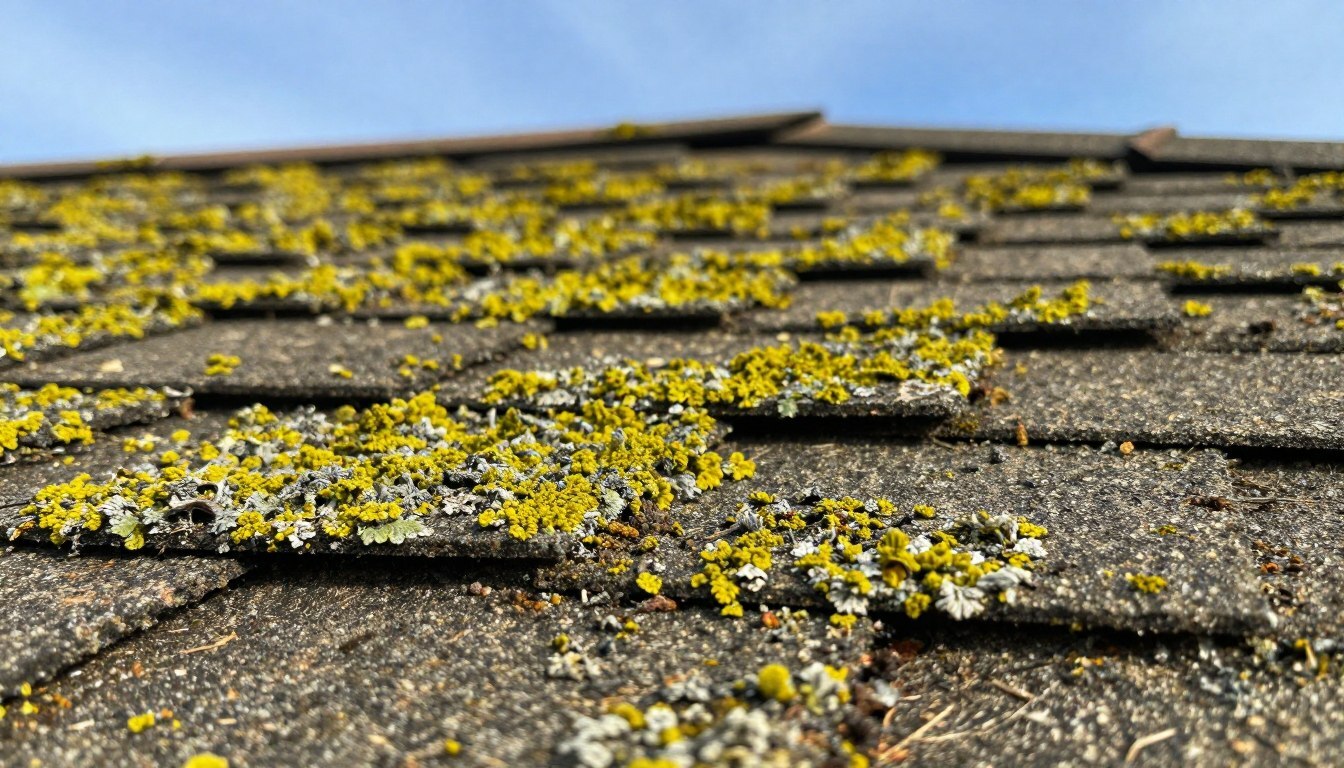
When you notice patches of lichen on your roof, you are witnessing an active biological attack on your home's exterior. Many homeowners view these crusty, colorful patches as simple stains, but they are actually complex organisms that thrive by consuming the minerals in your roofing materials. Protecting shingles from lichen is essential because these organisms do not merely sit on the surface; they actively penetrate the shingle structure to secure their position.
How Lichen Roots Penetrate Shingle Granules
Lichen utilizes root-like appendages known as rhizoids to anchor itself firmly into the asphalt shingle. These rhizoids exert physical pressure and secrete mild acids that break down the protective ceramic-coated granules on your roof. As these granules are dislodged and washed away by rain, the underlying asphalt layer becomes exposed to the harsh elements.
Once the protective layer is compromised, the shingle loses its primary defense against ultraviolet radiation and thermal expansion. This process leads to permanent scarring of the material, which significantly accelerates the degradation of your roof. Preventing lichen damage to shingles is a critical step in maintaining the structural integrity and aesthetic appeal of your home.
The Long-Term Structural Risks of Untreated Lichen
If left unchecked, the presence of lichen creates a cycle of decay that can shorten the lifespan of your roof by several years. Lichen acts like a sponge, holding moisture against the shingle surface long after the rain has stopped. This constant dampness creates an ideal environment for further biological growth and eventual material rot.
The following list highlights the primary risks associated with ignoring these infestations:
- Granule loss: The physical removal of protective coating leaves asphalt vulnerable.
- Moisture retention: Constant dampness promotes wood rot in the roof decking.
- Thermal stress: Exposed asphalt becomes brittle and prone to cracking under sun exposure.
- Reduced curb appeal: Unsightly patches diminish the overall value of your property.
| Stage of Infestation | Impact on Shingles | Risk Level |
|---|---|---|
| Early Colonization | Surface discoloration | Low |
| Established Growth | Granule displacement | Moderate |
| Advanced Decay | Asphalt cracking and rot | High |
We encourage you to address these issues early to avoid the high costs of premature roof replacement. By understanding the biological nature of these organisms, you can take proactive measures to safeguard your investment for years to come.
How to Stop Lichen from Eating Your Shingles
When you notice small, fuzzy patches appearing on your roof, it is time to take immediate action to protect your investment. Many homeowners mistake these growths for simple dirt or common algae, but they represent a much more aggressive threat to your roofing materials. Understanding what is lichen allows you to distinguish between harmless debris and a biological colony that is actively consuming your shingles.
Identifying Early Signs of Lichen Infestation
The first step in stopping lichen growth on shingles is knowing exactly what to look for during your routine inspections. Unlike the flat, dark streaks often associated with algae, lichen typically presents as raised, circular, or crusty patches that feel fuzzy to the touch.
- Color variations: Look for shades of light green, gray, or even yellow-tinted spots.
- Texture: These organisms have a distinct, three-dimensional structure that clings tightly to the surface.
- Growth patterns: They often appear in clusters, particularly in areas that receive consistent shade or moisture.
The Importance of Immediate Intervention
We cannot overstate the necessity of acting quickly once you identify these colonies. Because these organisms act like a sponge, they hold moisture against your roof surface for extended periods, which creates a perfect environment for rot and decay. Learning how to stop lichen from eating your shingles early is the most effective way to avoid the high costs of premature roof replacement.
By addressing the issue before the roots penetrate deep into the shingle granules, you preserve the structural integrity of your home. Stopping lichen growth on shingles is not just about aesthetics; it is a vital part of long-term property maintenance. We encourage you to remain vigilant, as early intervention is the key to ensuring your roof remains a durable shield for your family for years to come.
Safety Precautions Before Starting Removal
We believe that protecting your property starts with protecting yourself, which is why safety protocols are non-negotiable. When you prepare to address organic growth, you must recognize that a roof surface becomes dangerously slick once lichen or moss takes hold. Adhering to the best practices for shingle care means acknowledging these risks before you ever set foot on a ladder.
Personal Protective Equipment Requirements
Proper gear serves as your first line of defense against injury and chemical exposure. You should always wear sturdy, rubber-soled boots with excellent traction to maintain your grip on the shingles. Additionally, protective eyewear and chemical-resistant gloves are essential if you plan to use any cleaning solutions.
Long sleeves and pants will protect your skin from potential irritation caused by cleaning agents or debris. By following these best practices for shingle care, you ensure that your maintenance project remains both effective and safe. Never underestimate the importance of wearing the right equipment for the job.
Roof Safety and Fall Prevention Best Practices
Working at heights requires absolute focus and the right equipment to prevent accidents. We strongly recommend using a high-quality ladder secured with stabilizers to prevent shifting against your gutters or siding. If you must walk on the roof, utilize a safety harness and a professional-grade roof anchor system to minimize the risk of a fall.
If you feel uncomfortable or lack experience with ladder safety, we urge you to rely on professional services instead of attempting the work yourself. Your safety is far more valuable than any DIY project. Maintaining your home is a long-term commitment, and choosing the safest path is always the wisest decision for your property's health.
Essential Tools and Cleaning Solutions
When you decide to tackle lichen growth, the tools you choose will determine whether you save your shingles or destroy them. Many homeowners mistakenly believe that a high-pressure washer is the fastest way to clean a roof, but this is a dangerous misconception. High-pressure water can strip away the protective granules that keep your shingles functional, leading to premature roof failure. Adhering to best practices for shingle care is the only way to ensure your roof remains durable and healthy for years to come.
Selecting the Right Cleaning Agents
Choosing the correct chemical solution is just as important as the physical removal process. We strongly recommend using only manufacturer-approved cleaning agents that are specifically formulated to kill lichen without damaging the asphalt base. These solutions work by breaking down the root structure of the organism, allowing it to be removed safely.
Avoid harsh household chemicals like bleach or ammonia, which can cause discoloration and chemical degradation of your roofing materials. Instead, look for eco-friendly, biodegradable cleaners that prioritize the longevity of your home. Following these best practices for shingle care will help you maintain your property value while keeping your roof in top condition.
Tools for Gentle Removal Without Damaging Shingles
Once you have selected the right agent, you need the proper tools to assist in the removal process. We suggest using soft-bristled brushes that can gently lift the lichen from the surface without scratching or dislodging the protective granules. A stiff brush or a metal scraper will almost certainly cause permanent damage to your shingles.
Always prioritize safety and precision over speed when working on your roof. By using the right equipment, you protect your investment and avoid the costly repairs associated with improper maintenance.
| Cleaning Method | Impact on Granules | Effectiveness | Risk Level |
|---|---|---|---|
| High-Pressure Wash | Severe Damage | High | Very High |
| Soft-Bristle Scrubbing | Minimal/None | Moderate | Low |
| Chemical Dwell Treatment | None | High | Low |
By following these best practices for shingle care, you ensure that your roof remains a reliable shield for your home. We encourage you to take your time and use the right tools to achieve the best results.
Step-by-Step Manual Removal Techniques
When you decide to tackle roof maintenance, using the right lichen removal techniques is vital for long-term success. We emphasize a methodical approach to ensure that your shingles remain structurally sound while you eliminate unsightly growth. By following these professional guidelines, you protect your investment and maintain your home's curb appeal.
Preparing the Roof Surface
Before you begin any cleaning, you must secure the area surrounding your home. Proper preparation prevents cleaning agents from harming your lawn, shrubs, or flower beds. We recommend using heavy-duty plastic tarps to cover all sensitive landscaping near the drip line of your roof.
Ensure that all downspouts are directed away from your foundation or temporarily diverted. This simple step keeps runoff from pooling near your home’s structure. Always verify that your ladder is placed on stable, level ground before you climb to the roof surface.
Gentle Scrubbing Methods for Delicate Shingles
Once the area is prepped, you can start the physical cleaning process. It is essential to use gentle scrubbing methods to avoid dislodging the protective granules on your asphalt shingles. Harsh brushes or high-pressure tools can strip these granules, which significantly shortens the lifespan of your roof.
- Use a soft-bristled brush or a specialized sponge designed for roofing materials.
- Apply your cleaning solution evenly and allow it to dwell according to the manufacturer's instructions.
- Work in small, manageable sections to ensure the solution does not dry out prematurely.
- Gently agitate the lichen until it loosens from the shingle surface.
Rinsing Procedures to Avoid Water Damage
After the lichen has been loosened, the final step involves a thorough rinse. You must use low-pressure water to avoid forcing moisture underneath the shingles, which could lead to wood rot or mold growth in your attic. Always rinse from the top down to ensure that water flows naturally over the shingles rather than against them.
We advise using a standard garden hose with a spray nozzle rather than a pressure washer. This controlled approach allows you to clear away debris while maintaining the integrity of your roof's water-shedding capabilities. By mastering these lichen removal techniques, you ensure your roof remains both clean and durable for years to come.
Applying Eco-Friendly Cleaning Agents
Mastering effective lichen removal techniques requires a delicate balance between chemical efficacy and environmental responsibility. We believe that your home’s exterior should be treated with the same care as its interior, ensuring that your garden and family remain safe throughout the process.
Using Sodium Hypochlorite Solutions Safely
When handled by professionals, sodium hypochlorite is a highly effective agent for breaking down organic growth. It works by oxidizing the lichen, which allows for a gentle rinse rather than aggressive scrubbing that could damage your shingles.
We always emphasize the importance of proper dilution ratios to prevent surface degradation. By using the correct concentration, we ensure that the solution targets the lichen without compromising the structural integrity of your roofing materials.
Natural Alternatives for Lichen Eradication
For homeowners seeking greener options, oxygen-based cleaners provide a powerful alternative. These solutions release oxygen to lift organic matter from the surface, making them a safer choice for nearby plants and pets.
While these natural agents may require more patience, they are excellent for maintaining a clean roof without harsh residues. If you are looking for specialized care, you might consider professional roof moss removal services that prioritize eco-friendly protocols.
Dwell Time and Application Tips
Understanding the correct dwell time is the secret to successful lichen removal techniques. The cleaning agent must remain on the surface long enough to penetrate the lichen's root structure before it is rinsed away.
We recommend applying the solution during cooler parts of the day to prevent premature evaporation. This allows the chemicals to work deeply into the shingles, ensuring a thorough clean that lasts.
| Cleaning Agent | Environmental Impact | Effectiveness | Best Use Case |
|---|---|---|---|
| Sodium Hypochlorite | Moderate | High | Heavy Infestations |
| Oxygen Bleach | Low | Moderate | Routine Maintenance |
| Enzymatic Cleaners | Very Low | Slow | Preventative Care |
Preventing Future Lichen Colonization
Once your shingles are free of debris, the real work of long-term preservation begins through strategic environmental management. We find that effective lichen prevention methods rely heavily on altering the micro-climate of your roof surface. By removing the specific conditions that these organisms crave, you create a hostile environment for future spores.
Trimming Overhanging Tree Branches
Trees provide essential shade, but they often act as a bridge for moisture and organic debris to settle on your roof. When branches hang directly over your shingles, they block the sunlight needed to dry out the surface after a rainstorm. Persistent dampness is the primary catalyst for biological colonization.
We recommend trimming back any limbs that hover within six to ten feet of your roofline. This simple action increases airflow and allows direct sunlight to reach the shingles, which is vital for stopping lichen growth on shingles. A drier roof is a healthy roof, and sunlight is your most powerful natural tool for maintenance.
Improving Roof Ventilation to Reduce Moisture
Proper attic ventilation is another cornerstone of a durable roofing system. If your attic cannot breathe, warm and moist air becomes trapped, leading to condensation on the underside of the roof deck. This moisture eventually migrates outward, keeping the northern slopes of your home damp for extended periods.
By ensuring your soffit and ridge vents are clear, you facilitate a constant flow of air that keeps the roof deck temperature stable. This process is essential for stopping lichen growth on shingles because it prevents the surface from staying saturated. Implementing these lichen prevention methods will protect your investment for years to come.
| Environmental Factor | Impact on Lichen | Recommended Action |
|---|---|---|
| Shade | High (Promotes growth) | Trim overhanging branches |
| Moisture | High (Essential for survival) | Improve attic ventilation |
| Sunlight | Low (Inhibits growth) | Clear debris and foliage |
| Airflow | Low (Dries the surface) | Clear vent obstructions |
Installing Zinc or Copper Strips for Long-Term Protection
We often recommend the installation of zinc or copper strips as a highly effective, passive defense for your shingles. These simple yet powerful components provide a continuous shield against unwanted organic growth. By choosing these lichen prevention methods, you can significantly reduce the need for frequent manual cleanings.
How Metal Ions Inhibit Lichen Growth
The science behind this solution relies on the natural oxidation process of metals. When rainwater flows over zinc or copper strips, it picks up microscopic metal ions that wash down the slope of your roof. These ions create an environment where lichen and moss struggle to survive, effectively neutralizing the spores before they can take root.
This process is entirely passive and requires no electricity or chemical maintenance from you. As long as it rains, your roof continues to receive a fresh application of these protective minerals. This consistent release is the secret to preventing lichen damage to shingles over many years.
Installation Guidelines for Maximum Effectiveness
Proper placement is essential to ensure the metal ions cover the entire surface of your roof. We suggest installing these strips just below the ridge cap on both sides of the roof peak. This allows gravity to distribute the protective runoff evenly across the shingles below.
When installing these strips, always ensure they are compatible with your specific roofing material to avoid voiding any manufacturer warranties. It is crucial to use stainless steel fasteners to prevent galvanic corrosion, which can occur when dissimilar metals touch.
When to Call Professional Roof Maintenance Services
While many homeowners prefer a hands-on approach, there are specific moments when professional intervention is the only safe choice. We understand that your home is a significant investment, and providing proper shingle maintenance against lichen is essential for its longevity. However, there are times when the scope of the problem exceeds standard cleaning capabilities.
Recognizing When the Damage is Too Severe
It is vital to monitor your roof for signs that go beyond simple surface growth. If you notice significant granule loss, exposed fiberglass mats, or soft spots in the roof decking, these are indicators of advanced structural degradation. Lichen that has deeply embedded its root-like structures into the asphalt can cause permanent damage that requires specialized care.
Ignoring these signs can lead to costly leaks and premature roof failure. When you see widespread discoloration or curling shingles, it is time to stop DIY efforts and consult with a professional team. Proper shingle maintenance against lichen helps prevent these catastrophic issues before they compromise your home's integrity.
Contacting Experts at (703) 261-8228 for Professional Assessment
We are dedicated to providing honest, science-based assessments to ensure your roof remains a reliable shield. Our team specializes in expert shingle maintenance against lichen, focusing on methods that protect your investment rather than causing further harm. If you have any concerns about the current condition of your roof, please reach out to us at (703) 261-8228 for a thorough evaluation.
| Maintenance Type | Scope of Work | Best For |
|---|---|---|
| DIY Cleaning | Surface debris and light growth | Minor, early-stage lichen |
| Professional Service | Deep cleaning and structural repair | Severe infestation and damage |
| Expert Inspection | Comprehensive roof health analysis | Long-term investment protection |
Maintaining Your Roof After Treatment
Protecting your home investment means staying proactive after the initial treatment. While the removal process restores the aesthetic appeal of your property, protecting shingles from lichen requires a consistent, long-term strategy. We believe that a well-maintained roof is the first line of defense against environmental decay.
Regular Inspection Schedules
We recommend performing a visual roof inspection at least twice a year, ideally during the spring and fall. These check-ups allow you to spot early signs of moisture buildup or organic growth before they become significant issues. Consistency is the key to ensuring your roof remains in peak condition throughout the changing seasons.
During your inspection, look for dark streaks or small, crusty patches that might indicate a new colony forming. If you notice any changes, addressing them immediately prevents the roots from penetrating the protective granules of your shingles. Early detection is a vital component of effective shingle maintenance against lichen.
Seasonal Cleaning Tips for Shingle Longevity
Seasonal care involves more than just monitoring; it requires active debris management. Overhanging branches and accumulated leaves create damp, shaded environments that lichen thrives in. By keeping your roof surface clear of organic debris, you significantly reduce the likelihood of regrowth.
We suggest using a soft-bristle brush to gently remove loose leaves or pine needles during your seasonal maintenance. Avoid high-pressure washing, as this can strip away the protective mineral granules that keep your shingles durable. Following these tips for lichen-free shingles will help you preserve the structural integrity and value of your home for many years to come.
Conclusion
Your roof serves as the primary shield for your home against the elements. Maintaining its integrity requires consistent attention to biological growth that threatens your shingles.
We provide the expertise needed to keep your property in peak condition. Implementing these tips for lichen-free shingles serves as a vital step in preserving the long-term value of your home.
You deserve peace of mind regarding the safety of your structure. Our team remains ready to support your maintenance efforts with professional assessments and expert care.
Reach out to us at (703) 261-8228 to discuss your specific roofing needs. We look forward to helping you apply these tips for lichen-free shingles to ensure your roof stays clean and durable for years to come.
Schedule your professional roofing assessment today and defend your home with long-lasting metal protection:
(703) 261-8228Frequently Asked Questions
When infestation is widespread, the most effective approach involves a combination of manufacturer-approved chemical treatments and professional lichen removal techniques. We apply a specialized cleaning solution that kills the lichen's root system, followed by a low-pressure rinse to safely clear the debris without further stripping the protective granules from your asphalt shingles.
The best lichen prevention methods involve altering the roof's environment. We recommend increasing sunlight exposure by trimming overhanging trees and installing zinc or copper strips at the roof peaks. These strips release metal ions during rainstorms, which create an inhospitable environment for organic growth across the entire slope.
Yes, protecting shingles from lichen can be achieved through eco-friendly alternatives like oxygen-based bleaches or products like Wet & Forget. Additionally, physical barriers and improved ventilation to reduce moisture are excellent non-chemical ways to keep your roof healthy.
We suggest incorporating shingle maintenance against lichen into your semi-annual home maintenance routine. Inspecting the northern slopes of your roof in the spring and fall allows you to spot small "fuzzy" patches before they can anchor deep into the shingles and cause structural damage.
While algae like Gloeocapsa magma are primarily an aesthetic issue, stopping lichen growth on shingles is a structural necessity. Lichen possesses "roots" called rhizoids that physically penetrate and tear away the shingle's protective surface, whereas algae simply sit on top and feed on the filler.
Our top tips for lichen-free shingles include ensuring your gutters are clear to prevent water backup, installing high-quality ridge vents to improve airflow, and ensuring no tree limbs provide a bridge for organic spores to land on your roof surface.
Absolutely. Most manufacturers, such as GAF and Owens Corning, explicitly state that high-pressure washing voids your warranty. Best practices for shingle care dictate the use of low-pressure "soft wash" systems and approved cleaning agents to maintain both the roof's integrity and your warranty coverage.
Preventing lichen damage to shingles early saves you thousands of dollars in the long run. By stopping the lichen before it removes the protective granules, you prevent the underlying asphalt from drying out and cracking, thereby extending the life of your roof by a decade or more.
© 2026 All Rights Reserved