CALL NOW TO GET A FREE ESTIMATE->

Why North-Facing Roofs Always Get More Moss Explained
As homeowners, we understand that your property represents one of your most significant investments. You likely notice those persistent green patches appearing on specific slopes of your home, often leaving you concerned about the long-term health of your shingles. It is a common phenomenon, but understanding why north-facing roofs always get more moss is the first step toward effective property preservation.
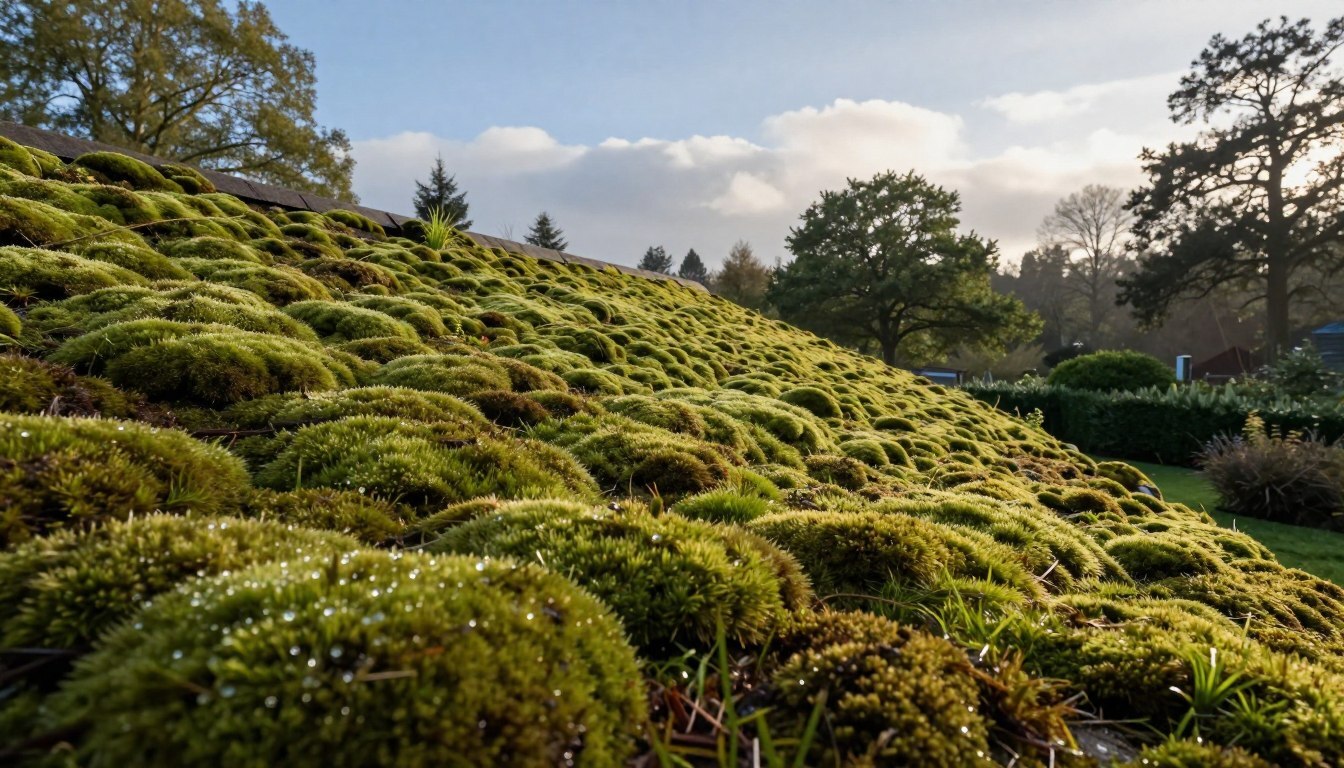
These areas remain shaded for longer periods, creating a damp microclimate that encourages organic growth. While these patches might seem like a minor cosmetic issue, they often signal deeper problems that can compromise your structural integrity. We believe in proactive care, which is why we emphasize the top reasons to remove moss from your roof before it causes irreversible damage. Protecting your investment requires a clear understanding of these environmental triggers.
Key Takeaways
- Shaded areas provide the consistent moisture levels required for rapid organic accumulation.
- Unchecked growth can lift shingles, leaving your home vulnerable to wind and water intrusion.
- Regular maintenance is essential to prevent the degradation of roofing materials over time.
- Environmental factors like limited sunlight create ideal conditions for persistent green patches.
- Professional intervention ensures your property retains its value and structural health.
The Science of Moss Growth on Residential Roofing
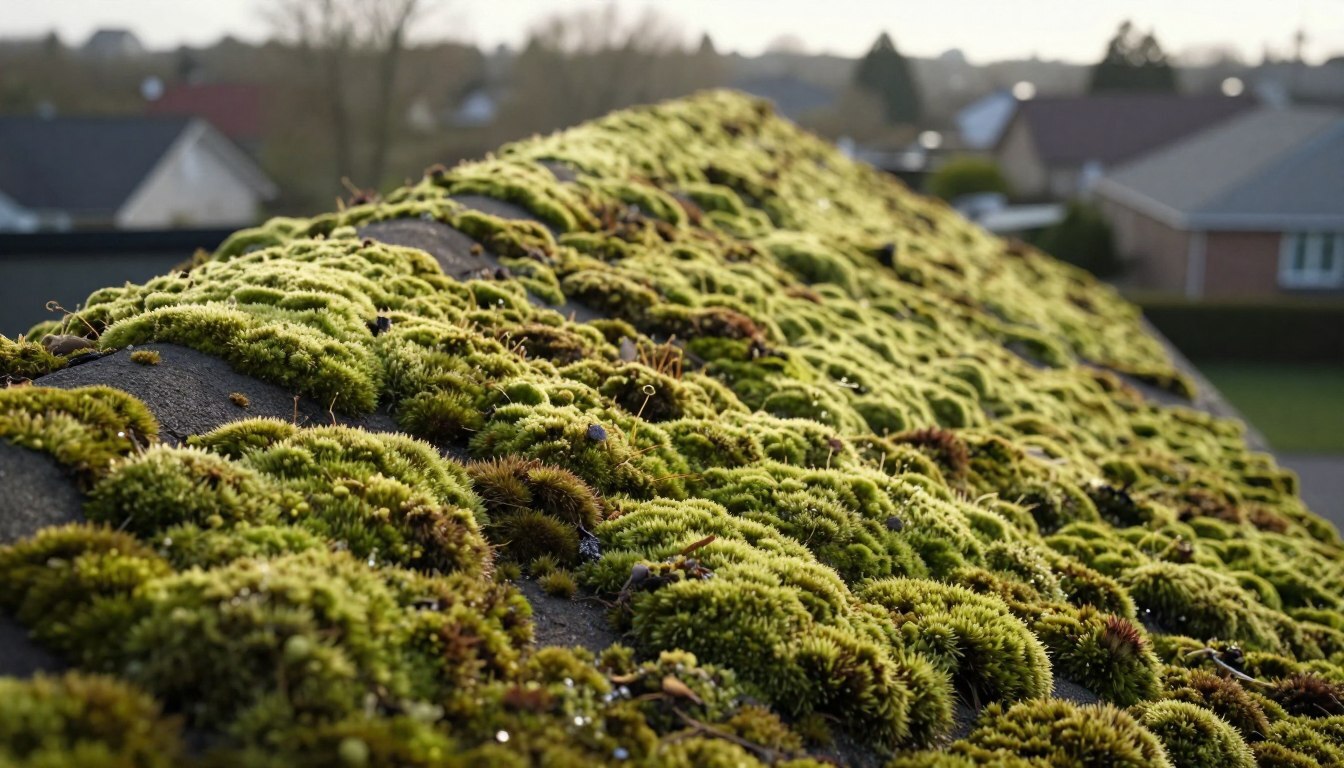
The presence of moss on your roof is not just an aesthetic issue; it is a biological process that demands your attention. As non-vascular plants, these organisms lack traditional root systems, allowing them to thrive by absorbing moisture directly from the atmosphere. Because they do not require soil to survive, they can easily anchor themselves into the microscopic pores of your shingles, leading to significant moss growth on roofs if left unchecked.
Understanding Bryophytes and Spore Dispersal
Mosses belong to a group of plants known as bryophytes. These organisms reproduce through microscopic spores that travel effortlessly on the wind, landing on surfaces across your property. Once these spores settle into the crevices of your roofing material, they remain dormant until the environmental conditions become favorable for germination.
When moisture levels rise, these spores activate and begin to form dense, root-like structures called rhizoids. These structures allow the moss to grip the surface of your shingles firmly. Recognizing this lifecycle is the first step in our professional approach to preventing the dangers of roof moss before it compromises your home's structural integrity.
The Biological Requirements for Moss Survival
For moss to flourish, it requires a specific set of environmental triggers. Primarily, these plants need consistent moisture and protection from direct, drying sunlight. Because they lack a vascular system to transport water, they rely on high humidity and shade to prevent dehydration.
Your roof provides an ideal habitat because it often traps moisture in the small gaps between shingles. This creates a perfect micro-environment for sustained colonization. By understanding these biological needs, we can better implement strategies to mitigate moss growth on roofs and protect your long-term investment.
| Factor | Impact on Moss | Risk Level |
|---|---|---|
| Moisture Retention | High | Critical |
| Solar Exposure | Low | High |
| Surface Porosity | Moderate | Moderate |
| Debris Accumulation | High | Critical |
Why North-Facing Roofs Always Get More Moss
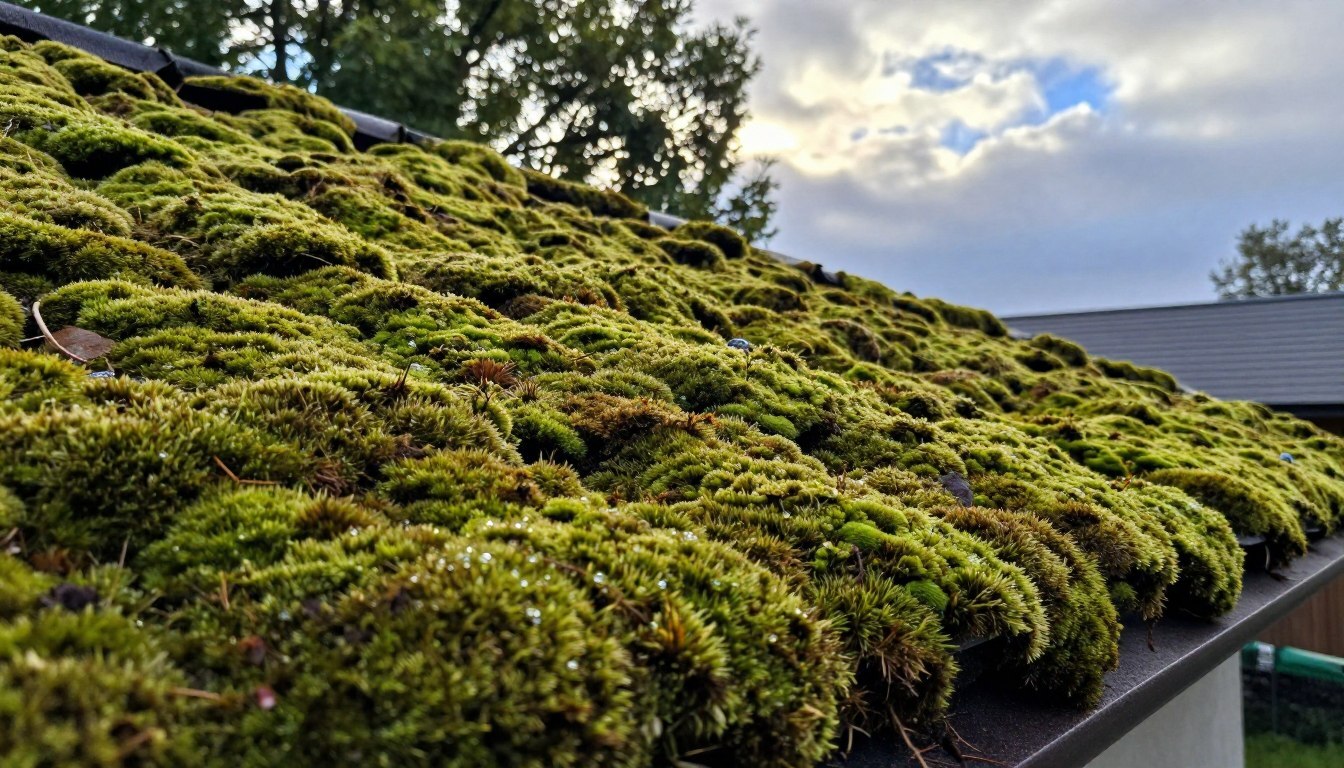
The orientation of your home plays a pivotal role in the biological health of your roofing materials. Many homeowners notice that specific slopes of their property seem to harbor more organic growth than others. Understanding north-facing roofs and moss accumulation is essential for protecting your long-term investment.
The Impact of Solar Orientation on Surface Temperature
In the Northern Hemisphere, the sun follows a path that leaves northern slopes in the shadows for the majority of the day. Because these areas receive minimal direct sunlight, they remain significantly cooler than south-facing surfaces. This temperature difference is one of the primary factors affecting moss growth on residential structures.
When a roof surface stays cool, it cannot effectively shed moisture through thermal radiation. We often see that these cooler temperatures create a stable, hospitable environment for spores to settle and thrive. Consistent surface temperature regulation is a luxury that north-facing slopes simply do not enjoy.
"The microclimate created by the orientation of a roof is the single most important predictor of biological colonization."
Shade Patterns and the Lack of Evaporative Heat
The relationship between moss growth and sun exposure is defined by the speed of evaporation. On a sunny, south-facing roof, morning dew and rainfall evaporate rapidly, leaving the shingles dry and inhospitable to moss. Conversely, north-facing slopes often remain damp for extended periods due to persistent shade patterns.
Without the benefit of direct solar heat, moisture remains trapped within the porous layers of your roofing material. This creates a cycle of dampness that encourages rapid colonization. To better understand these environmental pressures, consider the following conditions that favor moss:
- Reduced UV exposure which prevents the natural sterilization of the roof surface.
- Higher relative humidity trapped against the shingles by nearby vegetation.
- Delayed drying times that allow spores to anchor themselves firmly into the substrate.
By recognizing these patterns, we can better manage the health of your home. Proactive monitoring of these shaded areas is the best way to prevent long-term structural damage.
Environmental Factors Influencing Moss Accumulation
We often find that the most persistent moss colonies are the result of a perfect storm of environmental conditions. While the orientation of your home is vital, factors affecting moss growth extend far beyond simple geometry. Understanding these external pressures is the first step in protecting your property from long-term damage.
Humidity Levels and Local Climate Patterns
High humidity acts as a primary catalyst for biological growth on residential surfaces. When moisture remains trapped, it creates a hospitable environment for spores to settle and germinate. Moss acts like a sponge, holding water against the surface of the tile, which prolongs damp conditions and accelerates structural deterioration.
This is particularly evident on north-facing roofs and moss accumulation patterns, where the lack of direct sunlight prevents the roof from drying out after rain or morning dew. In regions with frequent fog or high precipitation, the roof surface rarely reaches the dryness required to inhibit moss development. Consequently, the roof remains in a state of constant saturation, providing a permanent home for these resilient organisms.
The Role of Overhanging Trees and Debris
The proximity of your home to large trees significantly alters the microclimate of your roof. While trees provide shade, they also restrict airflow and prevent the evaporation of moisture. This reduction in moss growth and sun exposure creates a sheltered, cool environment that moss finds ideal for colonization.
"A roof is a living system that requires balance; when you allow debris to accumulate, you are essentially inviting nature to reclaim your shingles." — Professional Roofing Consultant
How Organic Debris Feeds Moss Colonies
Organic matter, such as fallen leaves, pine needles, and twigs, serves as more than just a physical barrier to sunlight. As this debris decomposes, it releases nutrients that act as a fertilizer for moss. Furthermore, this material traps moisture against your shingles, creating a perfect habitat for moss to thrive even during drier seasons.
| Environmental Factor | Impact on Moss | Risk Level |
|---|---|---|
| High Humidity | Increases saturation | High |
| Tree Canopy | Blocks sunlight | High |
| Organic Debris | Provides nutrients | Medium |
| Low Airflow | Prevents drying | High |
By managing these environmental factors, you can significantly reduce the likelihood of a widespread infestation. We recommend regular inspections to ensure that your roof remains clear of debris and that your property's microclimate does not favor unwanted growth.
The Role of Roof Material in Moss Susceptibility
We often find that the structural integrity of a roof is directly linked to the material's inherent susceptibility to biological growth. Different roofing surfaces interact with moisture and airborne spores in unique ways, which dictates how quickly an infestation might take hold. By identifying the specific vulnerabilities of your roof, we can better protect your home from long-term damage.
Asphalt Shingles and Granule Loss
Asphalt shingles are the most common roofing material in the United States, yet they face significant challenges as they age. Over time, the protective mineral granules that coat the shingles begin to shed due to weather exposure and thermal cycling. This process leaves the underlying asphalt mat exposed and creates a rough, uneven surface that acts as a perfect trap for moisture and organic debris.
Once the surface becomes textured, it provides an ideal anchor for moss spores to settle and germinate. We emphasize that this granule loss is not just a cosmetic issue; it is a critical turning point where your roof transitions from a water-shedding barrier to a sponge-like environment that encourages persistent moss growth.
Wood Shakes and Porous Roofing Materials
Natural materials like wood shakes or concrete tiles possess an inherent porosity that makes them particularly attractive to moss. These materials naturally absorb and retain water, creating a damp microclimate that remains stable even during drier periods. Because the moisture penetrates deep into the material, moss can establish a deep-seated root system that is difficult to eradicate without specialized care.
Maintaining these roofs requires a proactive approach to prevent the moss from compromising the structural fibers of the wood. If left unchecked, the constant moisture retention can lead to premature rot and the eventual failure of the roofing system.
Metal and Slate Roofing Performance
In contrast to asphalt and wood, metal and slate roofing offer superior resistance to moss due to their non-porous surfaces. These materials do not provide the microscopic crevices that moss requires to gain a foothold, making it much harder for spores to colonize the roof. While debris can still accumulate in valleys or around chimneys, the primary surface area remains highly resistant to biological growth.
Choosing these materials is often a strategic investment for homeowners looking to minimize maintenance requirements.
| Roofing Material | Porosity Level | Moss Susceptibility | Maintenance Need |
|---|---|---|---|
| Asphalt Shingles | Moderate to High | High (as they age) | Frequent Cleaning |
| Wood Shakes | Very High | Very High | Specialized Treatment |
| Metal Roofing | Very Low | Low | Minimal |
| Slate Tiles | Low | Low | Low |
How Moisture Retention Impacts Roof Longevity
Moisture retention is the silent enemy that slowly compromises the structural integrity of your home’s roofing system. While many homeowners view moss as a simple aesthetic issue, it functions as a biological sponge that holds water against your roof surface long after the rain has stopped. This constant state of saturation prevents the materials from drying out, which is a critical requirement for maintaining a healthy roof.
The Relationship Between Moss and Shingle Decay
When moss colonies establish themselves on your shingles, they create a micro-environment that accelerates premature material degradation. The trapped moisture keeps the surface damp, which softens the protective granules on asphalt shingles. Once these granules are compromised, the underlying asphalt is exposed to harsh ultraviolet rays and further moisture penetration.
This cycle of decay often leads to several visible and hidden problems:
- Granule loss that leaves the shingle base vulnerable to the elements.
- Softening of the shingle composition, leading to curling or cupping.
- Increased susceptibility to wind damage as the shingles lose their structural rigidity.
Structural Risks of Prolonged Moisture Exposure
The dangers of moisture retention extend far beyond the surface of your shingles. When water seeps beneath the roofing material, it can lead to rot in the underlying wooden deck, which serves as the foundation for your entire roof. If left unaddressed, this moisture can compromise the stability of the roof structure itself.
Winter months introduce an even more aggressive threat through the freeze-thaw cycle. As trapped water within the roofing material freezes, it expands and exerts significant pressure on the tiles or shingles. This expansion often results in:
- Micro-cracks that widen over time, allowing more water to enter.
- Surface deterioration that makes the roof brittle and prone to breakage.
- Compromised structural stability that may eventually require expensive, full-scale repairs.
By mitigating these moisture-related risks early, you protect your home from the compounding damage that leads to premature roof failure.
Identifying Early Signs of Moss Infestation
Detecting moss growth in its infancy is the most effective way to protect your roof from long-term structural damage. Many homeowners wait until they see thick, green patches or debris falling into their gutters, but by then, the colony is already well-established.
Visual Indicators of Spore Colonization
Spore colonization often begins as a subtle discoloration on the surface of your shingles. You might notice small, velvety patches that appear slightly darker or more vibrant than the surrounding roofing material. These initial clusters are often found in shaded areas where moisture lingers the longest after a rainstorm.
As these colonies mature, they develop a distinct texture that feels soft to the touch. If you notice these early signs, it is time to consider professional roof moss removal to prevent the roots from penetrating deeper into your shingles.
Distinguishing Moss from Algae and Lichen
It is common to confuse moss with other biological growths like algae or lichen, but they are quite different. Algae typically appears as dark, streaky stains that look like soot or dirt, whereas lichen forms crusty, circular patches that are firmly attached to the surface.
Professional Methods for Safe Moss Removal
Protecting your investment means understanding why certain cleaning techniques can actually accelerate roof decay.
Why Pressure Washing Can Damage Your Roof
Many homeowners mistakenly turn to pressure washing to blast away moss, but this method often causes significant harm. High-pressure water can strip away the protective mineral granules on asphalt shingles, which are essential for reflecting UV rays and shedding water.
Eco-Friendly Cleaning Solutions and Techniques
We advocate for safe, manufacturer-approved cleaning methods that neutralize moss at a microscopic level. Instead of relying on physical force, we utilize specialized, eco-friendly treatments that target the root system of the moss and algae.
The Benefits of Hiring Certified Roofing Specialists
Handling roof maintenance requires specialized training and a deep understanding of roofing systems.
Preventive Strategies to Keep Your Roof Moss-Free
We believe that preventing moss on roofing is far more cost-effective than dealing with the structural repairs it eventually necessitates.
Installing Zinc or Copper Strips
One of the most reliable methods for long-term protection involves the installation of metal strips along the ridge of your roof. As rainwater flows over these zinc or copper components, it picks up metal ions that are naturally toxic to moss spores.
"The strategic placement of metallic elements on a roof surface acts as a permanent deterrent, effectively neutralizing the biological conditions required for moss to thrive."
Trimming Vegetation to Increase Sunlight Exposure
Moss thrives in cool, damp, and shaded environments, making overhanging tree branches its best friend. Trimming back these branches is a critical step in roof maintenance for moss prevention because it allows direct sunlight to reach your shingles.
Increased sunlight exposure serves two primary purposes for your roof:
- Accelerated Evaporation: Sunlight dries out moisture trapped on the surface after rainfall.
- Improved Airflow: Removing dense foliage allows wind to circulate, preventing the stagnant humidity that moss loves.
Regular Cleaning Schedules for North-Facing Slopes
North-facing slopes often require more attention due to their limited sun exposure throughout the day. Establishing a consistent inspection and cleaning routine is one of the most essential roof moss prevention tips we offer to our clients.
The Importance of Regular Roof Inspections
We view consistent roof inspections as the most effective way to protect your home investment.
Catching Infestations Before They Spread
Early detection is the most powerful tool in your arsenal against biological growth. We recommend focusing on these critical areas during your seasonal checks:
- Drainage pathways: Ensure gutters and downspouts remain clear of debris to prevent water backup.
- Shingle integrity: Look for signs of granule loss or curling edges where moisture might pool.
- Shaded zones: Pay extra attention to the north-facing slopes where sunlight is limited.
Scheduling Professional Assessments for Peace of Mind
While DIY checks are helpful, professional assessments provide a deeper level of security.
"Regular maintenance is the cornerstone of a long-lasting roof, turning potential disasters into manageable, minor adjustments."
Protecting Your Property Value Through Maintenance
Your home represents a significant financial commitment that deserves proactive care to maintain its market value.
Curb Appeal and Long-Term Asset Preservation
Maintaining a clean, moss-free roof is essential for preserving both the visual appeal and the physical health of your home. When you focus on preventing moss on roofing, you effectively stop the cycle of moisture retention that leads to shingle decay.
"A roof is the primary shield of your home; treating it with professional care is not just maintenance, it is an investment in your family's future security." — Property Preservation Specialist
The following table outlines the difference between reactive repairs and a structured maintenance strategy for your roofing system:
| Maintenance Approach | Impact on Value | Risk Level |
|---|---|---|
| Reactive Repair | Decreases over time | High |
| Scheduled Cleaning | Maintains integrity | Low |
| Professional Inspection | Enhances longevity | Minimal |
Contacting Experts for Property Protection
We partner with you to develop a comprehensive maintenance strategy that addresses your specific roofing needs while preventing future damage. If you are concerned about the current state of your roof, we encourage you to reach out to our team for a professional assessment.
Call (703) 261-8228Conclusion
Managing moss on your roof represents a vital aspect of responsible home ownership that requires both knowledge and professional care.
Beyond structural longevity, the impact of clean roofs on energy efficiency is significant for every homeowner.
FAQ
The primary reason why north-facing roofs always get more moss is the lack of direct sunlight. Because the sun stays in the southern sky, the north-facing slope remains in the shade, preventing the evaporation of moisture. This creates the perpetually damp environment that moss requires to survive and thrive.
We strongly discourage pressure washing. High-pressure water strips away the protective granules on asphalt shingles and can force water into your attic. Our best practices for roof moss control involve using soft-wash techniques and eco-friendly solutions that kill the moss without damaging the roofing material.
Moss growth on roofs is a serious structural concern. Moss acts like a sponge, holding water against your shingles which leads to rot, shingle decay, and damage during freeze-thaw cycles. It can also lift the edges of shingles, making your roof vulnerable to leaks.
When it rains, the water reacts with the metal strips to release ions. These ions wash down the roof and inhibit the growth of moss and algae. It is an effective, long-term part of roof maintenance for moss prevention, especially on vulnerable north-facing slopes.
We recommend a professional inspection at least once a year, preferably in the fall or spring. Regular assessments allow us to identify early factors affecting moss growth, such as debris accumulation or early spore colonization, before they become a major expense.
Absolutely. Trimming overhanging branches increases the amount of sunlight and airflow reaching your shingles. This helps the roof dry out faster after rain, which is a natural and highly effective way to reduce north-facing roofs and moss accumulation.
© 2026 All Rights Reserved