CALL NOW TO GET A FREE ESTIMATE->

Why New Roofs Can Still Get Algae Stains Within 2 Years
Discovering dark, unsightly streaks on your home’s exterior after a recent installation is a common source of frustration. Many homeowners worry that these marks indicate a manufacturing defect or poor workmanship. However, the reality is often a natural biological process rather than a structural failure.
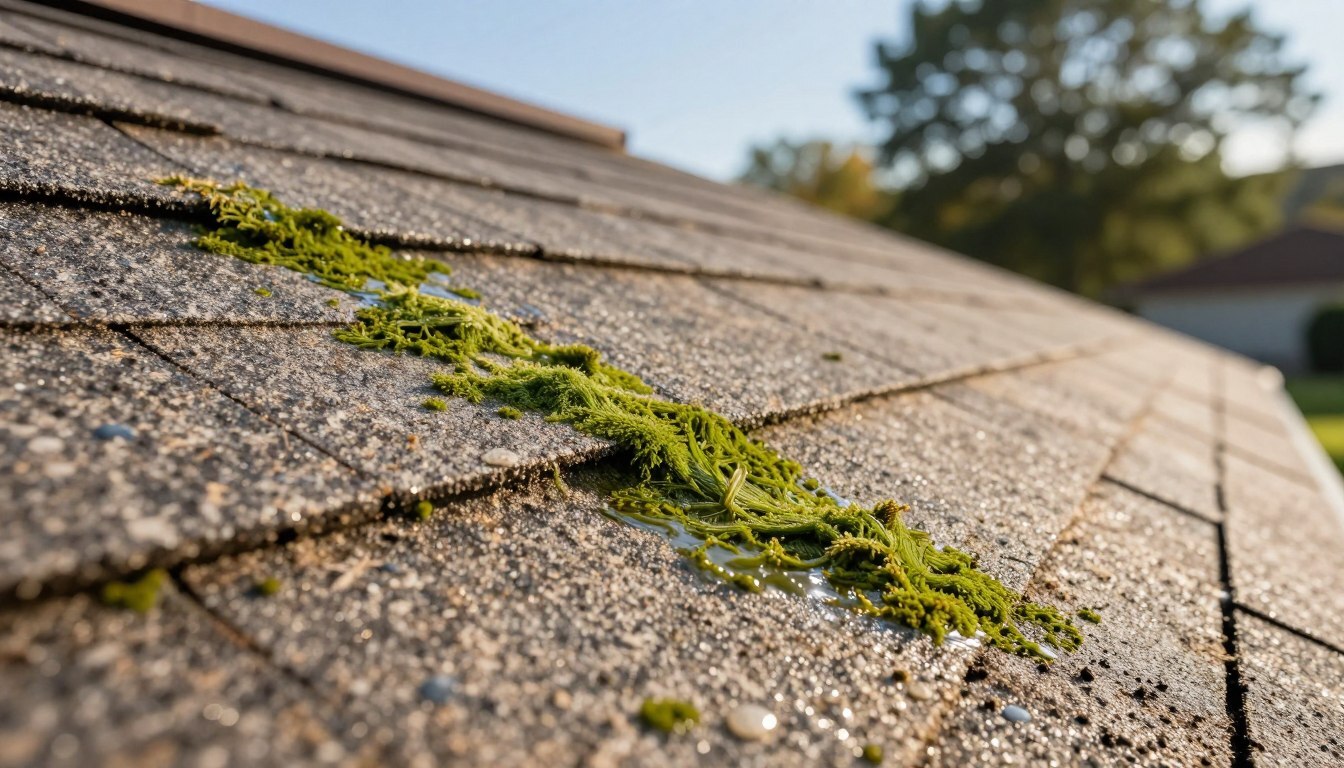
We understand that your property is a significant investment, and seeing algae stains on new roofs can be deeply concerning. These dark patches are typically caused by Gloeocapsa magma, a resilient cyanobacteria that thrives on the limestone fillers found in modern shingles. Understanding why new roofs can still get algae stains within 2 years is the first step in protecting your home’s long-term value.
Beyond the aesthetic impact, these organisms can compromise your home's thermal performance. As we explore the science of property maintenance, it is vital to recognize the impact of clean roofs on energy. By addressing these biological growths early, you ensure your investment remains both beautiful and functional for years to come.
Key Takeaways
- Dark streaks on modern shingles are usually caused by biological growth rather than manufacturing defects.
- The cyanobacteria Gloeocapsa magma feeds on the limestone fillers commonly used in asphalt roofing materials.
- Environmental factors like humidity and shade significantly accelerate the appearance of these organisms.
- Maintaining a clean surface is essential for preserving the thermal resistance and energy efficiency of your home.
- Proactive care protects your property investment and prevents long-term degradation of roofing materials.
The Science Behind Gloeocapsa Magma
To effectively manage your property, we must first demystify the science behind the common causes of algae stains on roofs. Many homeowners mistakenly believe these dark streaks are merely soot or simple dirt accumulation, but the reality is far more biological in nature.
Understanding the Organism
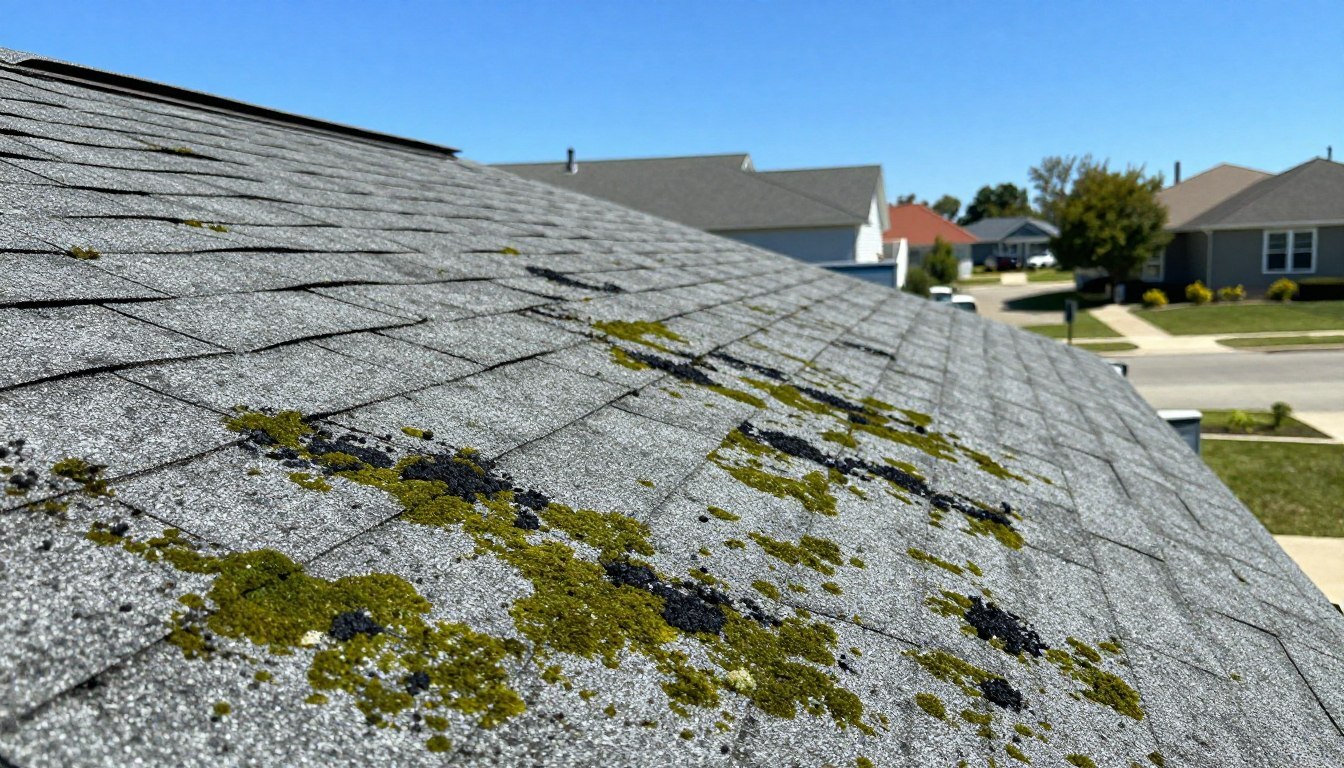
Gloeocapsa magma is not a plant, mold, or fungus; it is a type of cyanobacteria. This ancient organism thrives by feeding on the limestone fillers commonly found in modern asphalt shingles.
As the colony matures, it develops a thick, dark outer sheath. This pigment acts as a natural sunscreen, protecting the bacteria from harsh ultraviolet radiation. This protective layer is exactly what creates those unsightly black-brown streaks that diminish your home's curb appeal.
How Spores Travel and Colonize
The primary reason these stains appear so rapidly is the airborne nature of the organism's spores. Because they travel easily on the wind, they can land on any roof surface regardless of the quality of the installation or the age of the shingles.
Once these spores find a hospitable environment, they begin to colonize and spread across the roof deck. If left unchecked, this growth can lead to more severe issues, which is why we often discuss the top reasons to remove moss from your roof and other biological contaminants before they compromise the structural integrity of your investment.
Understanding these causes of algae stains on roofs allows us to implement proactive strategies rather than reactive repairs. Consider these key factors that facilitate colonization:
- Moisture Retention: Shaded areas of the roof provide the perfect damp environment for bacteria to flourish.
- Nutrient Availability: The limestone granules in shingles serve as a primary food source for the colony.
- Airborne Distribution: Prevailing winds carry spores from neighboring properties, making your roof vulnerable even if your yard is pristine.
Why New Roofs Can Still Get Algae Stains Within 2 Years
It is a common frustration to see a brand-new roof develop unsightly stains within just a few years. Many homeowners assume that a fresh installation provides a clean slate, yet why new roofs can still get algae stains within 2 years often comes down to the specific chemistry of the materials used. We believe that understanding these vulnerabilities is the first step toward protecting your investment.
The Role of Limestone Fillers in Asphalt Shingles
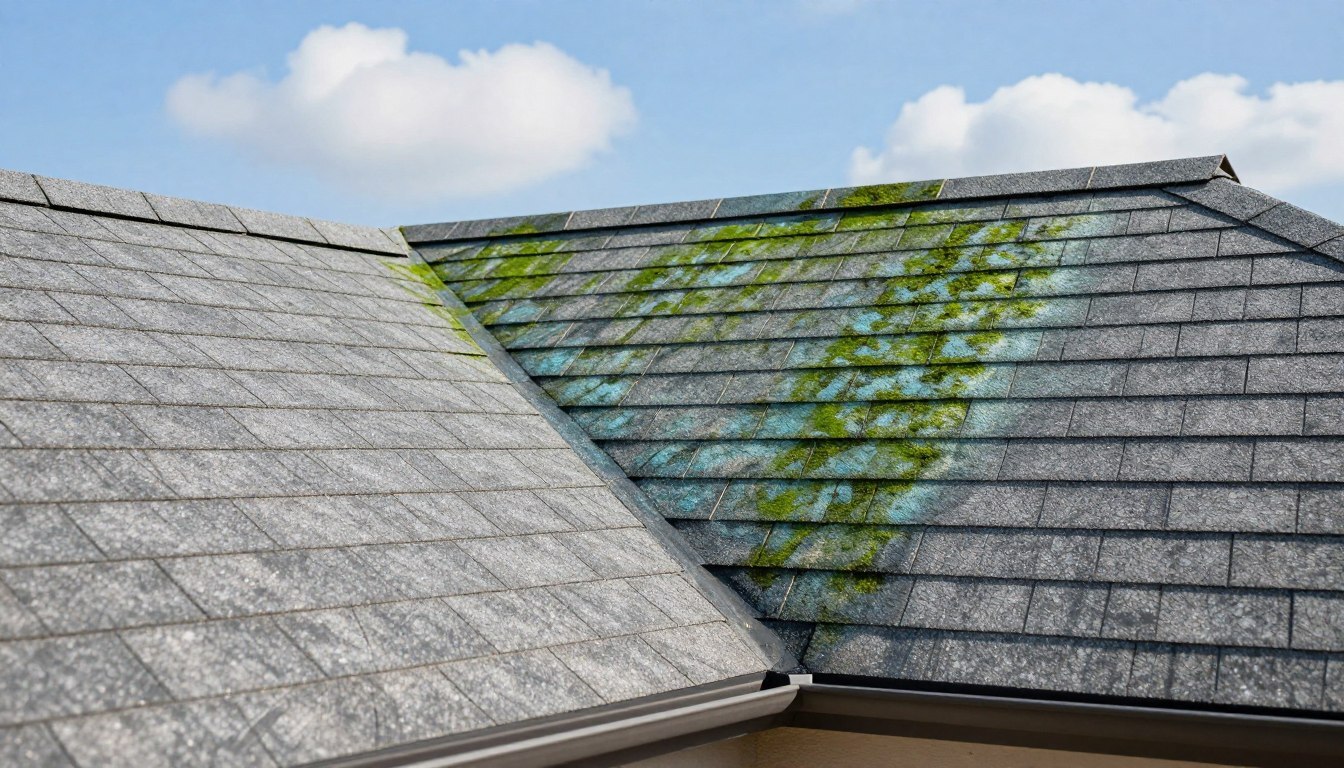
Modern asphalt shingles are manufactured using limestone as a primary filler material. Unfortunately, this mineral acts as a nutrient-rich food source for Gloeocapsa magma, the bacteria responsible for those dark streaks. As the shingles age, the protective granules wear away, exposing the limestone and creating a perfect environment for algae to thrive.
These causes of algae stains on roofs are often overlooked during the selection process. While limestone provides structural integrity and weight to the shingle, it inadvertently invites biological growth. If you are concerned about the longevity of your roof, you should consider how often should you clean your roof to prevent these colonies from taking hold.
Environmental Factors and Humidity Levels
Beyond material composition, local climate plays a massive role in new roof staining issues. High humidity levels provide the consistent moisture that algae require to reproduce and spread across your shingles. In regions with frequent morning dew or heavy rainfall, the roof surface remains damp for extended periods, accelerating the colonization process.
The Impact of Roof Pitch and Sunlight Exposure
The physical orientation of your home also dictates how quickly stains appear. Roofs with a lower pitch often retain moisture longer because they do not shed water as efficiently as steeper slopes. Furthermore, areas of the roof that receive limited direct sunlight stay cooler and wetter, making them prime targets for algae growth.
| Factor | Impact on Algae Growth | Risk Level |
|---|---|---|
| Limestone Content | Provides nutrients | High |
| High Humidity | Maintains moisture | High |
| Low Roof Pitch | Slows water runoff | Medium |
| Shaded Areas | Reduces UV exposure | High |
Identifying Algae Versus Other Roof Stains
Many homeowners feel immediate alarm when they notice dark streaks, but not all roof blemishes are created equal. Understanding the specific cause of new roof staining issues is vital for determining the right course of action. We believe that proper identification prevents unnecessary panic and protects your home from ineffective or harsh cleaning methods.
Distinguishing Algae from Moss and Lichen
Algae, specifically Gloeocapsa magma, typically presents as black or dark brown streaks that follow the path of water runoff. While these stains are unsightly, they are primarily cosmetic and do not immediately compromise the structural integrity of your shingles. In contrast, moss and lichen are far more aggressive organisms that can lift shingle edges and trap moisture against the roof deck.
Moss appears as thick, green, carpet-like patches that thrive in shaded, damp areas. Lichen often looks like crusty, circular spots that are firmly attached to the surface and difficult to remove without damaging the granules. Treating these distinct organisms as interchangeable often leads to damaging maintenance decisions that shorten the lifespan of your roof.
Recognizing Soot and Oxidation Patterns
Sometimes, what appears to be biological growth is actually a result of environmental or chemical factors. Soot deposits from nearby chimneys or heavy traffic areas can create dark, localized smudges that mimic algae. Oxidation, on the other hand, occurs when the protective granules on asphalt shingles break down, leading to a faded or chalky appearance.
Distinguishing these non-biological stains from new roof staining issues requires a keen eye for patterns. If the discoloration is uniform or localized near a vent, it is likely related to soot or chemical residue rather than a living organism. We recommend a professional assessment to ensure you are not applying biocides to stains that require a different cleaning approach.
| Stain Type | Appearance | Primary Risk | Removal Method |
|---|---|---|---|
| Algae | Black streaks | Cosmetic | Soft wash |
| Moss | Green, raised clumps | Structural damage | Manual removal |
| Lichen | Crusty, circular spots | Granule loss | Professional treatment |
| Soot | Grey/Black smudges | None | Surface cleaning |
The Role of Modern Roofing Materials
Advancements in material science now offer homeowners better defenses against the spread of algae. We have seen a significant shift toward algae-resistant roofing materials designed to maintain the aesthetic integrity of your home for longer periods.
Advancements in Algae-Resistant Shingles
Modern shingles often incorporate specialized granules coated with copper or zinc. These minerals act as a natural deterrent by releasing metal ions whenever it rains. As water washes over the roof, these ions spread across the surface, creating an environment where spores struggle to take root.
This technology is a proactive step in protecting your investment. By inhibiting the colonization of Gloeocapsa magma, these shingles help preserve the original color and curb appeal of your property. It is a sophisticated approach to a common maintenance headache.
Limitations of Copper-Infused Granules
While these algae-resistant roofing materials provide a strong defense, they are not a permanent solution. The effectiveness of the copper ions depends on the gradual release of minerals from the granules. Over time, the supply of these active ingredients will naturally deplete due to weathering and heavy rainfall.
Homeowners should maintain realistic expectations regarding the longevity of these features. Most manufacturers design these shingles to provide protection for a specific duration, often ranging from ten to fifteen years. Once the mineral supply is exhausted, the roof may become susceptible to growth again.
We encourage you to view these materials as a valuable layer of protection rather than a "set it and forget it" fix. Understanding these limitations allows for better long-term planning and helps you manage your property maintenance budget with confidence.
Environmental Triggers That Accelerate Growth
We often find that the most persistent roof stains are fueled by specific environmental conditions right outside your door. While shingles are designed to withstand the elements, the immediate landscape surrounding your home can create a perfect storm for biological growth. Mastering roof algae prevention requires a keen eye for how your yard interacts with your roof’s surface.
The Influence of Nearby Vegetation and Tree Canopy
Overhanging tree branches are a primary contributor to moisture retention on your roof. When leaves and limbs shade your shingles, they prevent the sun from drying out the surface after a rainstorm. This prolonged dampness provides the ideal hydration that algae need to thrive and spread across your roof deck.
Furthermore, trees act as a constant source of organic debris. Falling leaves, twigs, and pollen settle into the crevices of your shingles, creating a nutrient-rich layer of compost. This organic matter serves as a food source, making preventing algae on new roofs significantly more difficult if you do not manage your tree canopy effectively.
Micro-Climates and Moisture Retention
Your home’s orientation and local geography can create unique micro-climates that trap humidity. If your roof faces north or is tucked into a valley, it likely receives less direct sunlight throughout the day. This lack of solar exposure keeps the shingles cooler and wetter for longer periods, which accelerates the colonization of Gloeocapsa magma.
Proper ventilation is the best defense against these localized moisture traps. When your attic is well-ventilated, it helps regulate the temperature of the roof deck, preventing the condensation that often feeds algae growth from the inside out. By addressing these environmental triggers, you protect your investment and maintain your home's curb appeal.
| Environmental Factor | Impact on Algae | Risk Level |
|---|---|---|
| Heavy Tree Shade | High Moisture Retention | Critical |
| Organic Debris | Provides Nutrients | High |
| North-Facing Slope | Reduced Sunlight | Moderate |
| Poor Ventilation | Internal Humidity | High |
Professional Inspection and Early Detection
Protecting your home starts with recognizing the subtle changes that occur on your roof surface. By staying vigilant, you can catch issues before they evolve into costly repairs. Implementing consistent roof maintenance tips is the best way to ensure your investment remains in top condition for years to come.
Signs Your New Roof is Vulnerable
Even a relatively new roof can show signs of distress if environmental conditions are right. One of the first indicators is the appearance of dark, vertical streaks that suggest the early colonization of algae. You should also inspect your gutters regularly for an accumulation of loose granules, which indicates that the protective layer of your shingles is wearing away prematurely.
Early-stage discoloration often appears as subtle shading rather than deep black stains. If you notice these patterns, it is a clear signal that your roof is becoming vulnerable to biological growth. Taking action at this stage is far more effective than waiting for the stains to spread across the entire surface.
When to Contact Experts at (703) 261-8228
When you observe these warning signs, it is time to seek a professional assessment. Our team provides the expertise needed to determine whether your roof requires simple cleaning or more comprehensive restorative care. We help you navigate the complexities of roof maintenance tips to protect your property value.
Do not wait for minor issues to compromise your home's structural integrity. We encourage you to reach out to our specialists at (703) 261-8228 for a thorough evaluation. Our goal is to provide the clarity you need to make informed decisions about your roofing system.
Safe and Effective Removal Methods
Understanding the delicate nature of asphalt shingles is the first step in learning how to remove roof algae effectively. While those dark, unsightly streaks can be frustrating, your primary goal should always be the long-term preservation of your roofing system. We believe that protecting your investment requires patience and the use of scientifically sound cleaning protocols.
Why Pressure Washing Can Damage New Shingles
Many homeowners are tempted to use high-pressure washing to blast away stains, but this approach often leads to irreversible damage. Asphalt shingles are coated with a protective layer of mineral granules designed to shield the underlying asphalt from harsh UV rays. High-pressure water strips these granules away, which significantly shortens the lifespan of your roof and may even void your manufacturer's warranty.
Beyond the immediate physical damage, pressure washing often fails to kill the root system of the algae. It merely cleans the surface, leaving behind spores that will quickly recolonize the area. For those seeking a permanent solution, we recommend professional roof moss removal in Falls Church to ensure the job is done correctly the first time.
Recommended Cleaning Solutions and Techniques
The industry-standard approach for cleaning is known as soft-washing. This method utilizes specialized, biodegradable cleaning solutions that target the algae at a molecular level without the need for mechanical force. By applying these solutions at low pressure, we can safely neutralize the growth and restore the aesthetic appeal of your shingles.
It is essential to hire professionals who understand the chemistry involved in these treatments. Proper application ensures that the surrounding vegetation remains safe while the roof surface is thoroughly sanitized. When you choose the right experts, you protect your home's structural integrity while achieving a clean, refreshed look.
| Cleaning Method | Pressure Level | Effect on Granules | Algae Removal |
|---|---|---|---|
| High-Pressure Wash | High (1500+ PSI) | Severe Damage | Temporary |
| Soft-Wash System | Low (Garden Hose) | Safe/None | Complete |
| Manual Scrubbing | N/A | Moderate Damage | Incomplete |
Long-Term Prevention Strategies
Your roof is a significant investment, and we are here to help you safeguard its appearance and structural integrity for years to come. Achieving lasting results requires a shift from reactive repairs to a proactive mindset. By focusing on roof algae prevention, you can maintain your home's curb appeal while avoiding the stress of premature surface degradation.
Routine Maintenance Schedules
Consistent care is the cornerstone of effective roof maintenance tips. We recommend scheduling a professional inspection at least once a year to clear away organic debris like leaves, pine needles, and twigs. These materials trap moisture against your shingles, creating the perfect environment for spores to thrive.
Beyond debris removal, keeping your gutters clean is essential for moisture control. When water backs up, it creates damp conditions that accelerate growth across your roof surface. Regular maintenance is not just about cleaning; it is about protecting the long-term health of your roofing system.
Installing Zinc or Copper Strips
One of the most reliable methods for preventing algae on new roofs involves the installation of metal strips. When rain washes over copper or zinc, it releases metal ions that inhibit the growth of algae and moss. This natural, passive process provides a continuous shield for your shingles.
While many homeowners opt for algae-resistant roofing materials during a full replacement, these metal strips offer an excellent solution for existing roofs. They are discreet, effective, and work around the clock to keep your shingles clean. The following table highlights how these preventative measures compare to traditional cleaning methods:
| Method | Effectiveness | Longevity |
|---|---|---|
| Pressure Washing | Short-term | Low |
| Chemical Cleaning | Medium-term | Moderate |
| Metal Strips | Long-term | High |
By partnering with us, you can implement a sustainable plan that keeps your home looking its best. We are committed to providing you with the knowledge and tools necessary to defend your property against environmental stressors. Taking action today ensures a cleaner, healthier roof for the future.
Conclusion
Protecting your home from biological growth requires a blend of professional expertise and consistent maintenance. We understand that your roof represents a significant investment in your property value and long-term comfort.
Gloeocapsa magma remains a persistent challenge for many homeowners across the United States. By staying informed about the science of roof health, you take a vital step toward safeguarding your shingles against premature degradation.
Our team stands ready to provide the guidance you need to keep your roofing system in peak condition. We prioritize manufacturer-approved methods that protect your warranty while ensuring your home looks its best.
Reach out to our experts at (703) 261-8228 to schedule a comprehensive inspection. We help you implement a proactive strategy that keeps your roof clean and resilient against the elements for years to come.
FAQ
Modern asphalt shingles contain limestone filler, which serves as a primary food source for a cyanobacterium called Gloeocapsa magma. When combined with airborne spores and high humidity, this organism can colonize a roof and create visible dark streaks in as little as 24 months, even on brand-new installations.
Yes; preventing algae on new roofs often involves managing your local environment. We recommend trimming back overhanging tree branches to increase sunlight exposure and improve airflow, which helps the roof surface dry more quickly and reduces the amount of organic debris that can trap moisture.
The primary causes of algae stains on roofs include consistent moisture from high humidity, a lack of direct sunlight on north-facing slopes, and the presence of limestone in the shingles. Airborne spores from nearby infested trees or neighboring houses also play a significant role in rapid colonization.
To safely learn how to remove roof algae, you must avoid high-pressure washing. We use a professional soft-wash method involving ARMA-approved cleaning solutions; this safely kills the bacteria without stripping the protective granules from your shingles, ensuring your manufacturer warranty remains intact.
Yes, algae-resistant roofing materials like those featuring GAF StainGuard Plus™ utilize copper-infused granules to inhibit growth. However, these have a functional lifespan, and their effectiveness can be hampered by heavy debris accumulation, making supplemental roof maintenance tips essential for long-term clarity.
New roof staining issues are often more prevalent because modern shingles use higher concentrations of limestone filler than older, legacy shingles. Additionally, your home may be situated in a specific micro-climate or have more shade, creating a more hospitable environment for biological growth than the properties around you.
© 2026 All Rights Reserved