CALL NOW TO GET A FREE ESTIMATE->

The Best Way to Clean Brick Siding Without Damaging Mortar
Brick is a timeless and durable material that adds character to any home. While it requires little upkeep, environmental elements like moss, dirt, and grime often accumulate on exterior surfaces. These deposits create unsightly discoloration that detracts from your property's curb appeal.
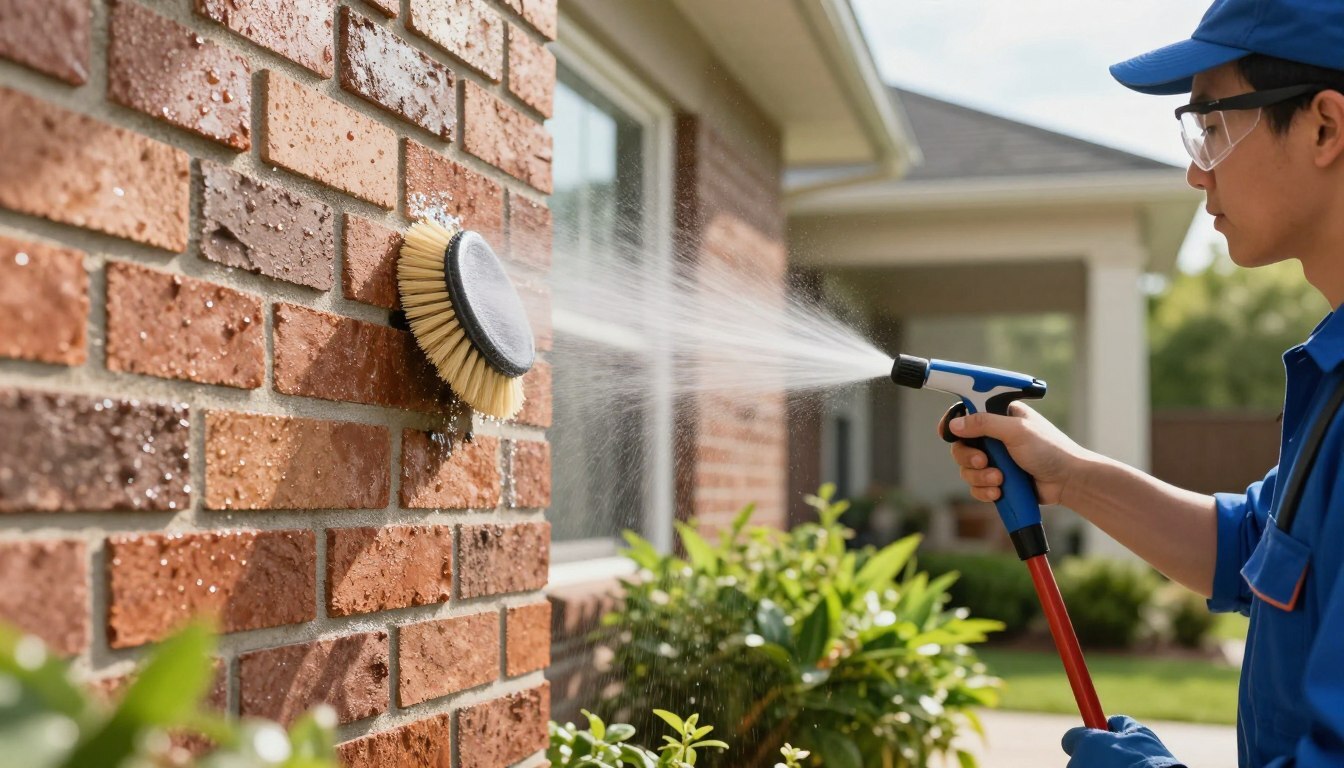
We believe that proper maintenance is essential for preserving your home's structural integrity. Our team recommends starting with gentle techniques before considering high-pressure equipment. This approach ensures you discover the best way to clean brick siding without damaging mortar, keeping your walls strong for years.
Effective brick siding cleaning requires patience and the right tools. If you find that stubborn stains persist or if you prefer expert help, please reach out to us at (703) 261-8228. We are here to assist you in restoring your home's beauty safely.
Key Takeaways
- Brick is a resilient material that benefits from regular, gentle care.
- Environmental buildup like moss can lead to long-term surface issues.
- Always prioritize low-pressure methods to protect delicate mortar joints.
- Professional assistance is recommended for stubborn or deep-set stains.
- Call (703) 261-8228 for expert guidance on exterior maintenance.
Why Mortar-Safe Brick Siding Cleaning Matters
Many homeowners overlook the delicate nature of the mortar holding their brick walls together. While the bricks themselves are often durable, the joints between them are significantly more porous and susceptible to damage. Prioritizing mortar-safe brick cleaning ensures that your home remains structurally sound while looking its best.
How Improper Pressure and Chemicals Damage Mortar Joints
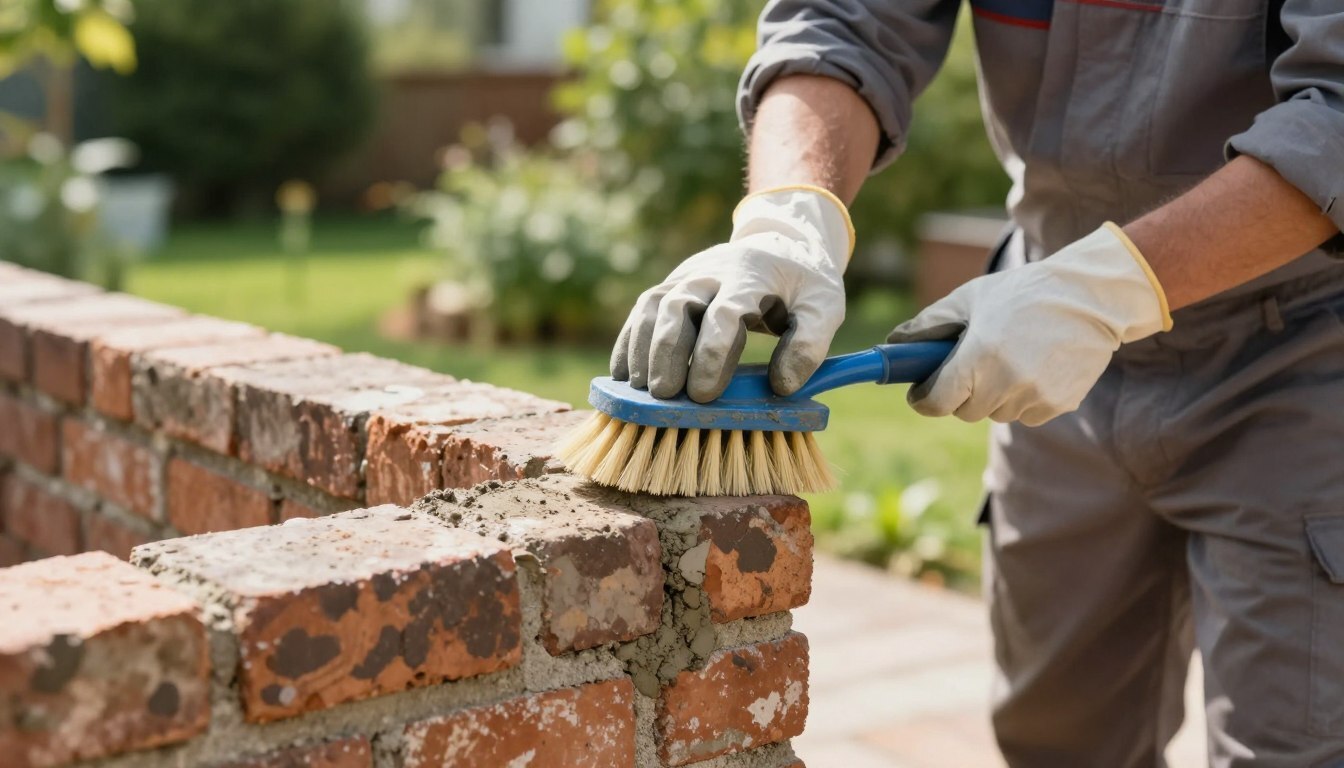
Using high-pressure washers or harsh chemical cleaners can lead to irreversible damage. Excessive water pressure acts like a sandblaster, stripping away the surface of the mortar and leaving it vulnerable to moisture intrusion. Chemical cleaners that are too acidic can also dissolve the binders within the mortar, causing it to lose its strength over time.
When these joints are compromised, water can seep behind the brickwork. This leads to internal wall damage, mold growth, and even structural instability. We always recommend avoiding aggressive methods that prioritize speed over the long-term health of your masonry.
Why Brick and Mortar Require Different Cleaning Approaches
It is essential to recognize that brick and mortar are two distinct materials with different hardness levels. Fired-clay bricks are generally dense and resistant to wear, whereas mortar is designed to be softer to allow for building movement. Because of this, preserving mortar while cleaning brick requires a tailored approach that treats each component according to its specific needs.
- Bricks can often withstand gentle scrubbing with soft-bristled brushes.
- Mortar joints require minimal agitation to prevent surface erosion.
- Cleaning solutions must be pH-balanced to avoid etching the masonry.
Signs That Existing Mortar May Be Too Weak for DIY Cleaning
Before you begin any cleaning project, you must inspect your walls for signs of pre-existing damage. If the mortar is already failing, even a light cleaning could cause it to crumble or wash away entirely. Look for these warning signs that indicate you should pause your efforts:
- Visible cracks or gaps between the brick and the mortar.
- Mortar that feels sandy or loose when touched.
- Large sections of missing mortar or deep recesses.
- Significant flaking or "dusting" of the joints.
If you notice these issues, it is best to avoid DIY methods. Instead, contact a masonry professional to evaluate the condition of your wall. For expert guidance or to schedule a professional assessment, please reach out to us at (703) 261-8228.
The Best Way to Clean Brick Siding Without Damaging Mortar
When you want to refresh your home's exterior, starting with the gentlest methods is always the smartest move. We prioritize a strategy that avoids aggressive tactics, ensuring your masonry remains intact for years to come. Understanding the best way to clean brick siding without damaging mortar involves patience and the right choice of tools.
Use the Gentlest Effective Cleaning Method First
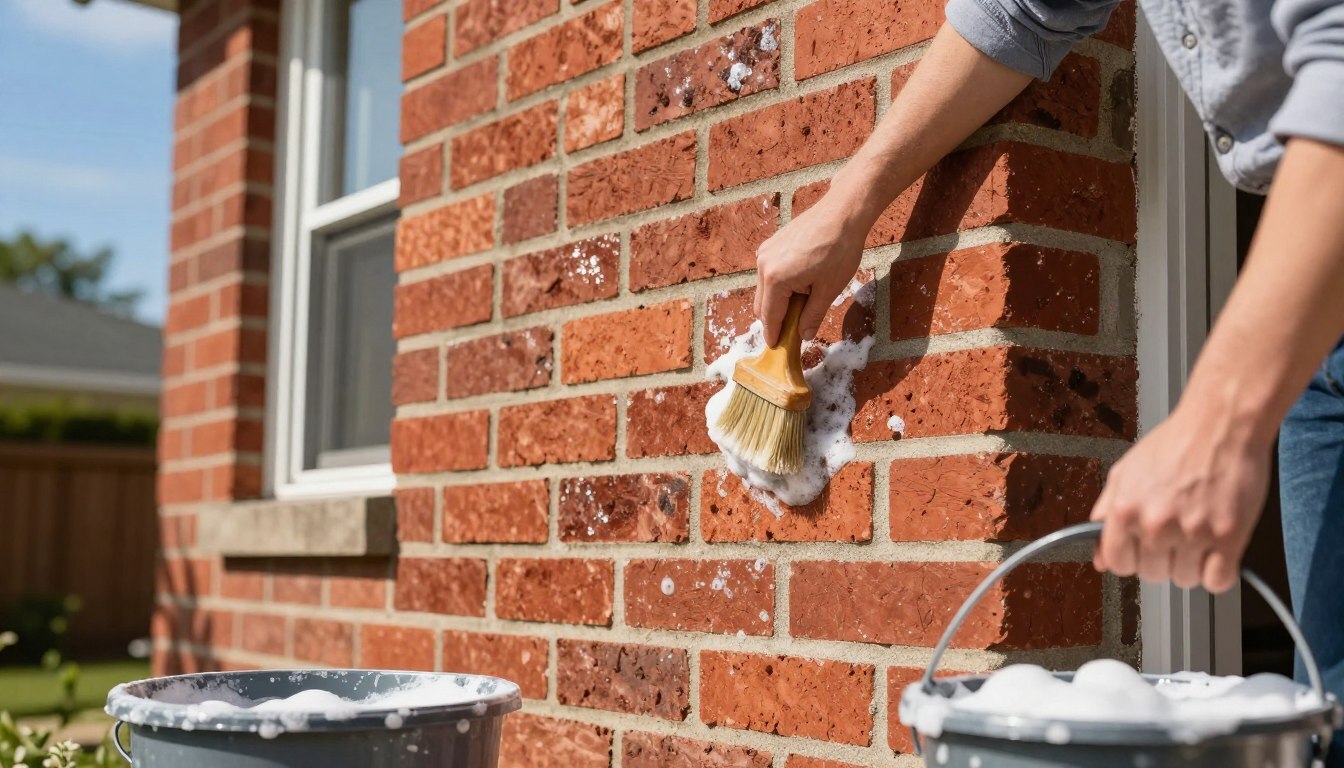
We always recommend beginning with simple water and a mild detergent solution. Many homeowners mistakenly jump straight to high-pressure washers, which can easily erode soft mortar joints. By starting with a soft brush and a gentle rinse, you can often remove surface dust and light grime without any risk to the structure.
If you are unsure about the process, remember that less is often more when it comes to masonry care. If you find that standard cleaning methods are not enough, feel free to contact our team at (703) 261-8228 for expert guidance. We can help you determine the safest approach for your specific brick type.
Why Low-Pressure Water, Soft Brushes, and Mild Cleaners Are Safer
Low-pressure water is essential because it cleans the surface without forcing moisture deep into the brick or washing away the binding agents in the mortar. Soft nylon brushes provide enough friction to lift dirt while remaining gentle on the delicate surface of the brick. Using mild, pH-neutral cleaners prevents chemical reactions that could weaken the mortar over time.
This combination is widely considered the best way to clean brick siding without damaging mortar because it respects the material's natural composition. Harsh acids or chlorine bleach can strip the finish off the brick and cause the mortar to crumble. By sticking to mild solutions, you maintain the structural integrity of your home's exterior.
How to Balance Cleaning Results With Mortar Preservation
Learning how to clean brick siding effectively requires a balance between aesthetics and preservation. You should aim to remove stains and buildup while stopping immediately once the surface looks clean. Over-scrubbing or using excessive pressure once the dirt is gone only increases the risk of unnecessary wear.
We suggest working in small, manageable sections to ensure you do not miss any spots or leave cleaner residue behind. This controlled method allows you to monitor the condition of the mortar constantly. If you ever feel overwhelmed by the task, remember that professional help is just a call away at (703) 261-8228. Mastering how to clean brick siding is a skill that rewards you with a beautiful, long-lasting home exterior.
Inspect the Brick Siding and Mortar Before Cleaning
A successful cleaning project starts long before you pick up a hose or a brush. We recommend performing a detailed visual assessment of your exterior walls to ensure they can withstand the process. Following these tips for cleaning brick siding will help you avoid accidental damage to your home's structural integrity.
Check for Crumbling, Missing, or Recessed Mortar
Mortar acts as the glue holding your bricks together, and it is often more porous than the brick itself. If you notice mortar that is crumbling, missing, or deeply recessed, you must proceed with extreme caution. Water intrusion through these gaps can lead to significant internal damage.
If the mortar is already failing, high-pressure washing will likely accelerate the erosion. We suggest consulting a professional if you see loose material falling away from the joints.
Identify Cracks, Efflorescence, Mold, and Organic Growth
Different stains require different approaches, so identifying the culprit is key to effective diy brick cleaning. Look for these common issues during your inspection:
- Efflorescence: A white, powdery salt deposit that indicates moisture issues.
- Organic Growth: Green or black patches of moss, algae, or mold.
- Cracks: Hairline fractures that may allow water to seep behind the brick veneer.
Test a Small, Inconspicuous Area
Never apply a cleaning solution to the entire wall without testing it first. Choose a small, hidden spot to ensure the cleaner does not discolor or etch the surface of the brick.
"Always test your cleaning method in an inconspicuous area to prevent permanent damage to the masonry finish."
This simple step allows you to observe how the brick reacts to the solution. If you notice any negative changes, stop immediately and re-evaluate your strategy.
Determine Whether Painted, Sealed, or Historic Brick Needs Special Care
Not all brick is the same, and older homes often require a delicate touch. Painted or sealed brick can trap moisture, while historic masonry may be made of softer, hand-molded clay that erodes easily.
If you are unsure about the age or condition of your brick, do not attempt a risky diy brick cleaning project. For expert guidance on handling delicate surfaces, feel free to contact our team at (703) 261-8228. We are here to help you maintain your home safely and effectively.
Gather Mortar-Safe Tools and Cleaning Solutions
Selecting the correct supplies is vital for achieving a deep clean without causing structural harm. When you prioritize mortar-safe brick cleaning, you ensure that your home maintains its aesthetic appeal and structural integrity for years to come.
Choose a Garden Hose or Low-Pressure Washer
For most residential projects, a standard garden hose with a spray nozzle provides sufficient power. If you must use a pressure washer, keep the setting at a very low PSI to prevent surface erosion. Always test the equipment on a hidden spot first to confirm it will not harm the masonry.
Select Soft Nylon and Natural-Bristle Brushes
We strongly recommend using soft-bristled brushes for manual scrubbing. Nylon or natural fibers are gentle enough to lift surface grime while avoiding damage to brick mortar. Never use stiff or metallic bristles, as these can easily scratch the brick face and gouge the joints.
Use Water, Mild Dish Soap, or a Brick-Safe Cleaner
Start your process with plain water to see if it removes the bulk of the dirt. If a cleaning agent is necessary, choose a mild dish soap or a specialized brick-safe solution. These products effectively break down organic growth without compromising the chemical balance of the mortar.
Avoid Wire Brushes, Harsh Acids, Chlorine Bleach, and High Pressure
Certain tools and chemicals pose a significant risk to your home. Wire brushes and metal scrapers will permanently scar the brick surface. Furthermore, harsh acids and chlorine bleach can cause long-term degradation, leading to crumbling joints. If you are unsure about the best approach, call us at (703) 261-8228 for expert guidance.
Wear Eye Protection, Gloves, Non-Slip Footwear, and Appropriate Clothing
Safety is our top priority during any exterior maintenance task. You should always wear the following protective gear:
- Safety goggles to protect your eyes from splashes.
- Chemical-resistant gloves to keep your skin safe from cleaning agents.
- Non-slip footwear to maintain stability on wet surfaces.
- Durable clothing that covers your arms and legs.
Prepare the Work Area Before Washing the Brick
We believe that thorough preparation is the most critical step in any diy brick cleaning project. By taking the time to organize your workspace, you ensure a safer and more controlled environment for your home. Proper planning helps you avoid accidental damage to sensitive areas while following essential tips for cleaning brick siding effectively.
Protect Windows, Doors, Plants, Electrical Fixtures, and Nearby Surfaces
Before applying any water or solution, you must shield vulnerable parts of your home. Use heavy-duty plastic sheeting to cover windows, doors, and electrical outlets to prevent water intrusion. Always remember to rinse nearby plants with fresh water before and after the cleaning process to dilute any potential runoff.
Remove Loose Dirt and Debris Without Scraping the Mortar
Start by gently sweeping the brick surface with a soft-bristled broom or a leaf blower. This removes cobwebs, dust, and loose debris without the need for harsh scraping. Avoid using wire brushes or metal tools, as these can easily gouge the mortar and cause permanent damage to your masonry.
Pre-Wet the Brick and Mortar to Limit Cleaner Absorption
Brick is a porous material that acts like a sponge. By pre-wetting the wall with clean water, you fill those pores, which prevents the cleaning solution from soaking too deeply into the masonry. This simple step ensures that the cleaner stays on the surface where it can work on the stains rather than damaging the structural mortar joints.
Plan Cleaning Around Shade, Temperature, and Weather Conditions
We recommend working in the shade whenever possible to prevent the cleaning solution from drying too quickly. If the brick is too hot, the chemicals may evaporate before they have a chance to lift the dirt. If you find the task overwhelming or require specialized equipment, please contact our team at (703) 261-8228 for professional assistance.
| Preparation Task | Recommended Tool | Primary Benefit |
|---|---|---|
| Surface Clearing | Soft Nylon Brush | Prevents mortar abrasion |
| Fixture Protection | Plastic Sheeting | Stops water intrusion |
| Pore Saturation | Garden Hose | Limits chemical absorption |
| Vegetation Care | Fresh Water | Protects plant health |
Clean Brick Siding Step by Step Without Eroding Mortar
When you learn how to clean brick siding, the secret lies in your technique rather than the strength of your chemicals. A methodical, gentle approach ensures that your home exterior remains beautiful without compromising the structural integrity of the masonry. We suggest following these specific steps to achieve professional results safely.
"The preservation of historic and modern masonry depends entirely on the gentleness of the cleaning process and the avoidance of abrasive mechanical force."
Step 1: Rinse the Wall From Top to Bottom With Low Pressure
Begin your brick siding cleaning project by rinsing the entire surface with a standard garden hose. Always work from the top down to prevent dirty runoff from streaking the clean areas below. Keep the water pressure low to avoid forcing moisture into any existing cracks.
Step 2: Apply a Mild Cleaning Solution in Small Sections
Apply your chosen mild cleaning solution to a small, manageable area of the wall. Working in sections prevents the cleaner from drying prematurely, which can leave unsightly residues. Consistency is key when managing the chemical dwell time on your brick surface.
Step 3: Agitate the Brick Gently With a Soft Brush
Use a soft-bristled nylon brush to gently work the solution into the brick surface. Avoid using excessive force, as the goal is to lift surface dirt rather than abrade the material. Light, circular motions are usually sufficient to loosen most common stains.
Step 4: Work Around Mortar Joints Instead of Scrubbing Them Aggressively
Focus your scrubbing efforts on the face of the bricks themselves. Avoid scrubbing the mortar joints directly, as these areas are often softer and more susceptible to erosion. By concentrating on the brick, you protect the structural bond of your wall.
Step 5: Rinse Each Section Thoroughly Before the Cleaner Dries
Rinse the cleaned section thoroughly with clean water before moving to the next area. Ensure that no soap or chemical residue remains on the surface or within the joints. Proper rinsing is a vital part of how to clean brick siding without causing long-term damage.
Step 6: Repeat Carefully Only Where Stains Remain
If stubborn stains persist, repeat the cleaning process only on those specific spots. Do not over-clean the entire wall if only a few areas require extra attention. Patience will yield better results than aggressive, repeated scrubbing.
Step 7: Stop Immediately if Mortar Begins to Flake or Wash Away
Monitor the mortar closely throughout the entire process. If you notice any signs of flaking, crumbling, or washing away, stop your brick siding cleaning immediately. If you encounter significant issues or need expert assistance, please contact our team at (703) 261-8228 for professional guidance.
Remove Common Brick Siding Stains With Gentle Methods
Cleaning brick siding effectively requires matching the right technique to the specific type of stain you are facing. We prioritize gentle brick cleaning methods to ensure that your masonry remains structurally sound while looking its best. By avoiding harsh, one-size-fits-all chemicals, we protect the integrity of your mortar joints.
Lift Dirt and Mud With Soaking and Light Brushing
For standard dirt and mud, we recommend a simple approach. Start by soaking the affected area with low-pressure water to soften the debris. Once the surface is damp, use a soft-bristled brush to gently lift the grime away from the brick face.
Treat Algae, Moss, and Mildew Without Overusing Bleach
Organic growth often thrives in damp, shaded areas. We advise against heavy bleach use, as it can damage the surrounding mortar and harm nearby plants. Instead, use a mild, eco-friendly cleaner designed for masonry to kill the spores without causing long-term erosion.
Address Efflorescence With Dry Brushing and Controlled Rinsing
Efflorescence appears as a white, powdery salt deposit on the surface of the brick. Before adding water, try removing these salts with a stiff, dry brush. If the residue persists, use a very light, controlled rinse to wash the salts away without driving moisture deep into the brick.
Handle Rust, Paint, and Smoke Stains Without Acid-Based Damage
These stubborn stains often tempt homeowners to reach for harsh acids, but we strongly advise against this. Acid-based cleaners can permanently etch the brick and dissolve mortar joints. We suggest using specialized, pH-neutral poultices or cleaners that lift the stain safely over time.
Remove Oil and Grease With a Brick-Compatible Degreaser
Oil and grease require a targeted approach using a brick-compatible degreaser. Apply the product directly to the spot and allow it to sit for the recommended time to break down the oils. These tips for cleaning brick siding help you maintain your home's exterior without the risk of chemical damage.
If you find that your stains are too deep or the masonry is too fragile for DIY efforts, please reach out to our experts at (703) 261-8228. We are happy to provide professional guidance for your specific situation.
| Stain Type | Primary Tool | Cleaning Agent |
|---|---|---|
| Dirt and Mud | Soft Brush | Water |
| Algae/Mildew | Soft Brush | Mild Masonry Cleaner |
| Efflorescence | Dry Brush | Controlled Water Rinse |
| Oil and Grease | Absorbent Cloth | Brick-Safe Degreaser |
Rinse, Dry, and Check the Mortar After Cleaning
We believe that preserving mortar while cleaning brick requires a careful post-wash routine. Even after the visible dirt is gone, your work is not quite finished. Taking these final steps ensures that your masonry remains strong and attractive for years to come.
Rinse Away All Cleaner Residue From Brick and Joints
It is vital to remove every trace of cleaning solution from the surface. If chemicals remain trapped in the porous brick or the mortar joints, they can cause long-term damage or unsightly white streaks. Use a gentle stream of water to flush the entire area thoroughly, working from the top down to ensure all runoff is cleared away.
Allow the Wall to Dry Naturally Before Evaluating the Results
Patience is a key part of the process. You should allow the wall to dry completely before you make any final judgments about the cleanliness of the brick. Wet masonry often hides small imperfections or uneven cleaning patterns that only become visible once the moisture has evaporated.
Inspect for New Cracks, Loose Mortar, Discoloration, or Water Intrusion
Once the surface is dry, perform a detailed inspection of the entire wall. Look closely for any signs of loose mortar, new cracks, or areas where the color seems inconsistent. If you notice water pooling or signs of moisture trapped behind the brick, you may need to address these issues immediately to prevent structural decay.
| Inspection Point | What to Look For | Action Required |
|---|---|---|
| Mortar Joints | Crumbling or gaps | Repoint immediately |
| Brick Surface | White salt deposits | Gentle dry brushing |
| Structural Integrity | Deep cracks or shifts | Consult a professional |
Repair or Repoint Damaged Mortar Before Applying Any Sealer
If you find damaged joints, you must repair or repoint them before applying any protective sealer. Sealing over damaged mortar will only trap moisture inside, which leads to faster deterioration during freeze-thaw cycles. Taking prompt action on these minor defects prevents a simple cleaning task from turning into a costly masonry repair project.
If you are unsure about the condition of your mortar or need expert assistance with repairs, please reach out to us at (703) 261-8228. We are dedicated to preserving mortar while cleaning brick and ensuring your home stays in top condition.
Know When Professional Brick Cleaning Is the Safer Choice
Recognizing when a project exceeds your equipment or expertise is a vital part of home maintenance. While basic cleaning is manageable, avoiding damage to brick mortar often requires the steady hand of a trained technician. We understand that your home is a significant investment, and sometimes the best approach is to rely on those with specialized experience.
Hire Professionals for Weak, Historic, Painted, or Severely Stained Brick
Older homes often feature soft, historic brick that can crumble under standard pressure. Painted or sealed surfaces also react unpredictably to common cleaning agents, which can lead to permanent discoloration. If your masonry shows signs of deep staining or structural fatigue, professional intervention is the safest way to restore its appearance without causing further harm.
Use Professional Help When High Areas Require Ladders or Specialized Equipment
Cleaning high walls introduces significant safety risks, including ladder instability and difficult runoff management. Professionals utilize specialized equipment to reach these areas while maintaining strict safety protocols. By choosing a professional pressure washing service, you eliminate the danger of working at heights while ensuring a uniform clean.
Why Experienced Technicians Can Match Cleaning Pressure to Masonry Condition
The secret to successful masonry care lies in the ability to adjust pressure settings based on the specific needs of the surface. Our technicians are trained to assess the condition of your joints to ensure we are avoiding damage to brick mortar during every step of the process. We prioritize the longevity of your home over speed, ensuring that every inch of brick is treated with the appropriate level of care.
| Feature | DIY Cleaning | Professional Service |
|---|---|---|
| Pressure Control | Limited/Variable | Precision Calibrated |
| Safety Equipment | Basic/Standard | Advanced/Professional |
| Mortar Protection | High Risk | Expertly Managed |
| Result Quality | Inconsistent | Uniform/Restorative |
Request Professional Brick Siding Cleaning at (703) 261-8228
If you are ready to refresh your home's exterior, we are here to help. You can reach out to our team at (703) 261-8228 to discuss your specific needs. We look forward to providing a safe, effective cleaning solution that keeps your brickwork looking beautiful for years to come.
Conclusion
Maintaining the beauty of your masonry requires a commitment to gentle care and regular observation. We believe the best way to clean brick siding without damaging mortar involves a patient approach that prioritizes the structural integrity of your home over speed.
By inspecting your walls for signs of wear and choosing mild cleaning agents, you protect your investment for years to come. Brick remains a resilient material, yet it relies on healthy mortar joints to keep moisture out and stability in.
Always rinse your surfaces thoroughly and allow them to dry completely before you assess the final results. If you encounter stubborn stains or notice crumbling joints that seem beyond a simple touch-up, professional intervention is the safest path forward.
Our team understands the nuances of masonry care and provides the expertise needed to keep your exterior looking pristine. For dependable assistance with your property, call us at (703) 261-8228. We are ready to help you implement the best way to clean brick siding without damaging mortar while ensuring your home stays in top condition.
Preguntas Frecuentes (FAQ)
The most effective method for diy brick cleaning is using a standard garden hose, a bucket of warm water mixed with mild dish soap, and a soft-bristle nylon brush. This approach ensures you are avoiding damage to brick mortar while still removing common household grime and dust.
We recommend extreme caution. If you must use one, keep the pressure below 500-800 PSI and use a wide fan tip. High pressure is the leading cause of eroded mortar joints, so using a garden hose is generally the safer, mortar-safe brick cleaning choice.
Watch the runoff water. If you see small grains of sand or chunks of gray material washing away, you are eroding the mortar. Preserving mortar while cleaning brick requires you to stop immediately if the joints appear to be flaking or softening under the water stream.
For older or historic homes, always pre-wet the brick thoroughly to prevent the cleaning solution from being absorbed too deeply. Also, avoid all acids and wire brushes. These gentle brick cleaning methods are essential because older mortar is often lime-based and much softer than modern materials.
While effective against mold, standard chlorine bleach can sometimes leave salts behind that cause efflorescence. We prefer using oxygen-based cleaners or highly diluted solutions, followed by an intensive rinse, to ensure mortar-safe brick cleaning.
If you notice deep cracks, large sections of missing mortar, or if the stains (like rust or deep oil) aren't responding to mild soap, it's time to seek help. You can reach our professional team at (703) 261-8228 to ensure your home is cleaned without risking structural damage.
© 2026 All Rights Reserved