
Why Sealing Pavers Prevents Weed Growth in the Joints
Many homeowners believe unwanted plants sprout from deep beneath their patio stones. Actually, most vegetation begins as airborne seeds that settle into surface debris. These tiny invaders find a perfect home within loose sand gaps.
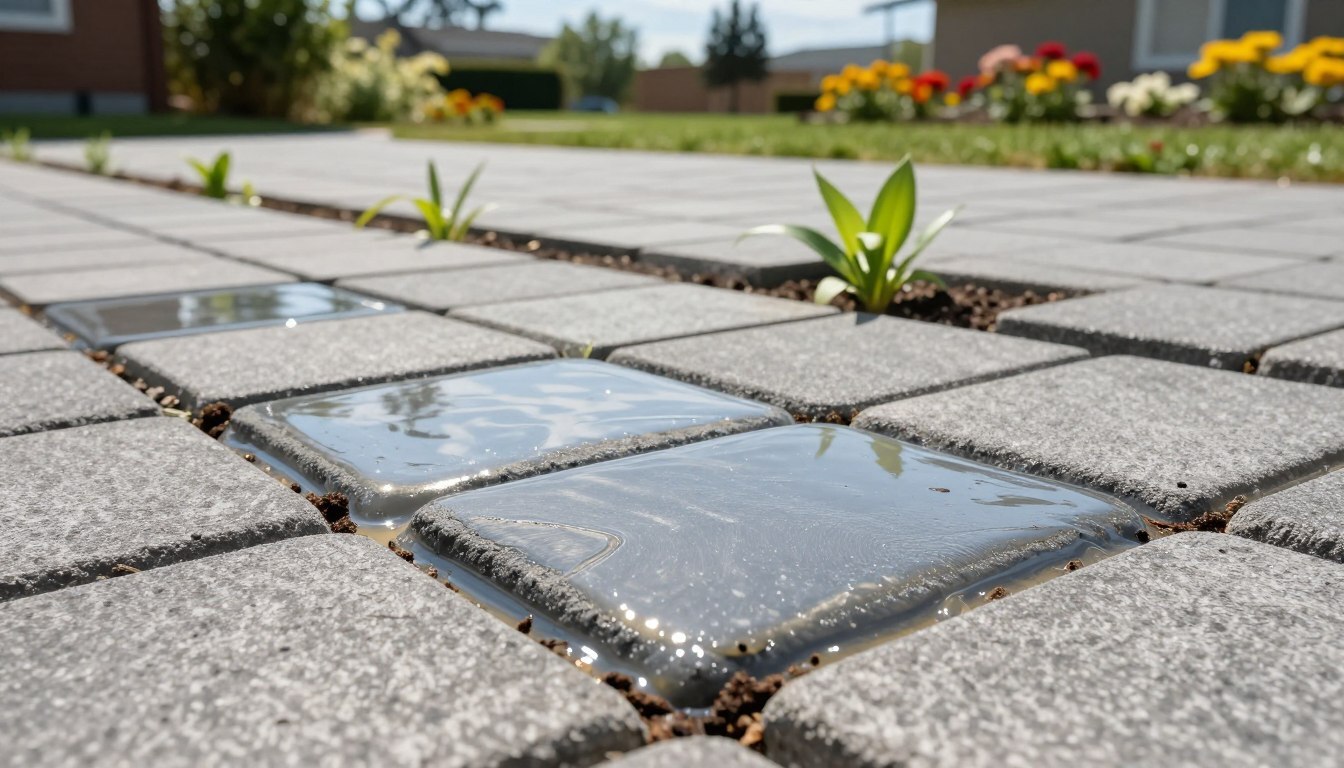
Applying a protective coat creates a solid barrier that blocks these seeds from taking root. This process stabilizes sand particles, ensuring your hardscape remains firm and tidy. You will also notice that routine maintenance becomes much faster once your surface resists moisture and stains.
Our team specializes in keeping outdoor areas pristine and beautiful. If you need expert advice or professional application services, please contact us at (703) 261-8228. We are ready to help you maintain a flawless backyard sanctuary.
Prevent weed growth and keep your paver joints locked and stable with our professional sealing solutions.
Call (703) 261-8228 for Expert AdviceKey Takeaways
- Vegetation typically starts from seeds landing on top of your patio.
- Protective coatings block seeds from finding a place to germinate.
- Stabilized sand keeps your hardscape structure firm and secure.
- Regular maintenance becomes significantly easier with a sealed surface.
- Professional assistance ensures long-lasting results for your outdoor space.
Why Sealing Pavers Prevents Weed Growth in the Joints
We often see how quickly nature reclaims outdoor spaces when joints are left unprotected. Many homeowners find that their beautiful patios become overrun with unwanted greenery within just a few seasons. Taking proactive steps to prevent weeds in paver joints is essential for maintaining the structural integrity and aesthetic appeal of your hardscape.
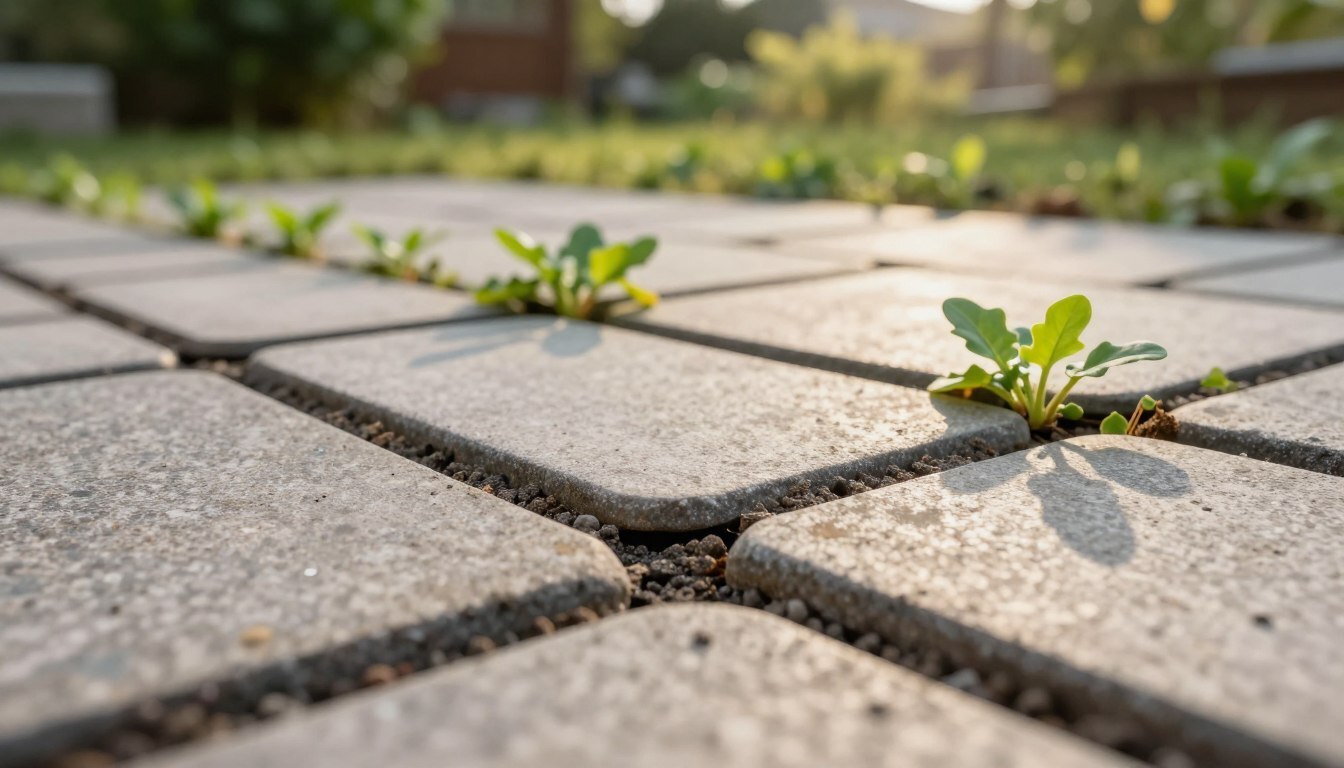
How Open Paver Joints Become Vulnerable to Weeds
When pavers are installed, the gaps between them are typically filled with fine sand. Over time, this sand can wash away due to rain or wind, leaving behind empty voids. These gaps provide the perfect environment for opportunistic plants to take hold.
Without a binding agent, the sand remains loose and shifts easily. This instability makes it simple for seeds to lodge deep within the crevices. If you notice your patio looking neglected, feel free to call us at (703) 261-8228 for professional guidance.
Why Windblown Seeds, Soil, and Moisture Collect Between Pavers
The open joints act as a natural trap for organic debris. Airborne seeds, dust, and tiny particles of soil settle into these gaps, creating a nutrient-rich foundation for growth. Once moisture from rain or irrigation enters the mix, the area becomes a miniature nursery for weeds.
"A well-maintained surface is the first line of defense against the relentless encroachment of nature."
This combination of moisture and organic matter creates a damp, protected environment. Because the joints are shielded from direct sunlight and foot traffic, seeds can germinate and thrive undisturbed. This is exactly why you must prevent weeds in paver joints before they establish deep root systems.
What a Paver Joint Sealer Does After Application
Applying a high-quality sealer is a transformative step for your patio. The sealer works by binding the joint sand together, creating a solid, hardened barrier that prevents debris from settling. By filling these voids, you significantly reduce the space available for seeds to take root.
It is important to remember that sealing is a preventative measure rather than an absolute guarantee against all future growth. It creates strong resistance, but it works best when paired with a consistent cleaning and maintenance program. By choosing to prevent weeds in paver joints through sealing, you are investing in the long-term health of your outdoor living space.
How Weeds Take Root in Unsealed Paver Joints
If you have ever wondered why weeds return so quickly after you pull them, the answer lies in the structure of your paver joints. Many homeowners struggle with persistent greenery because they do not realize how these gaps function as miniature ecosystems. Implementing effective weed prevention in paver pathways requires understanding the biological and physical processes that allow unwanted plants to thrive.
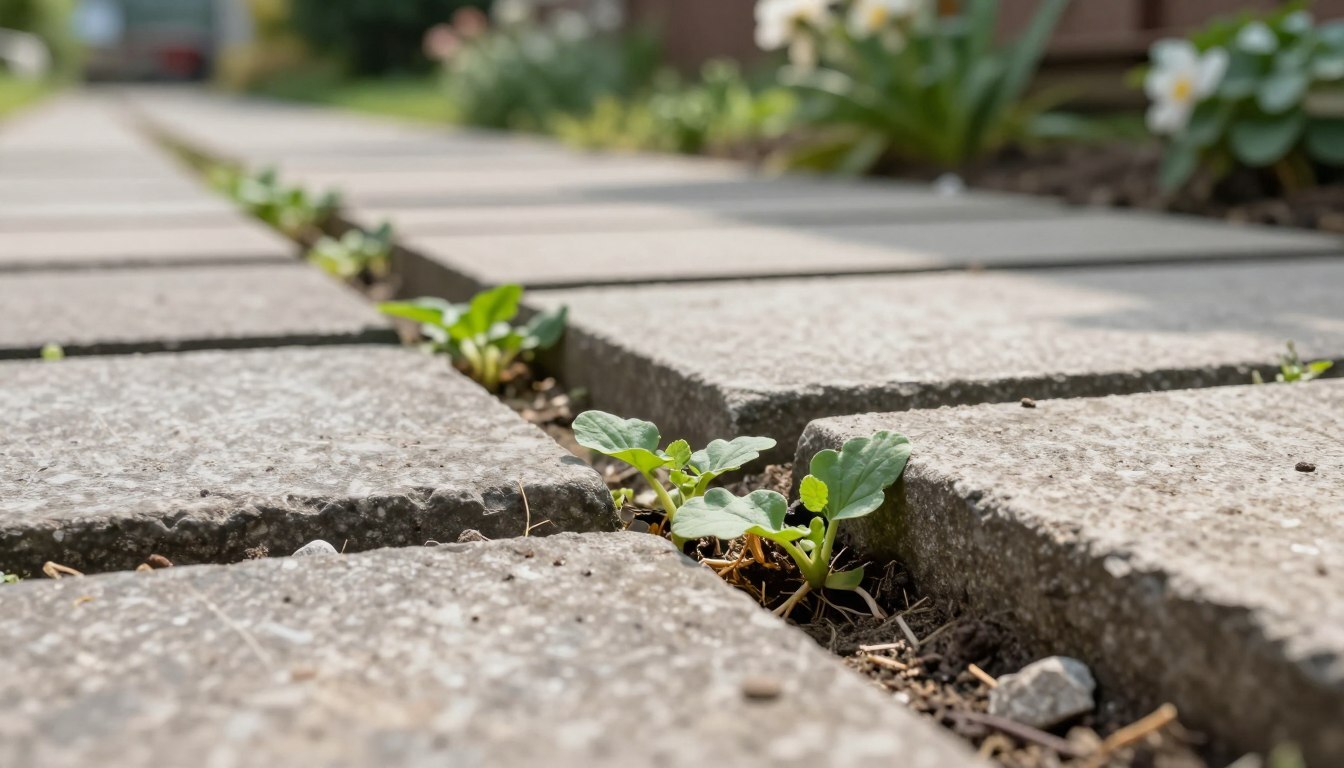
Seed Germination in Damp Jointing Sand
Jointing sand is designed to lock pavers in place, but it also acts as a sponge. When moisture becomes trapped within the sand, it creates a perfect environment for dormant seeds to germinate. Once these seeds find a damp, stable home, they quickly develop root systems that anchor them deep within the joint.
Organic Debris as a Growing Medium
Over time, your patio collects more than just rain. Leaves, pollen, dust, and grass clippings settle into the gaps between stones. This organic debris decomposes and transforms into a nutrient-rich soil, providing the exact fuel that weeds need to grow rapidly.
Root Expansion and Joint Displacement
As weeds grow, their roots exert significant pressure against the surrounding pavers. This expansion can push the stones apart, leading to visible joint displacement. If left unchecked, this process compromises the structural integrity of your entire hardscape.
How Repeated Foot Traffic and Rain Accelerate Joint Deterioration
Rainwater acts as a catalyst by washing away the fine particles of sand that keep joints tight. When you walk across these areas, the lack of support causes the pavers to shift further. This movement creates larger gaps, inviting even more debris and seeds to settle into the surface.
Why Loose Sand Makes Weed Removal More Difficult
When you pull a weed from loose sand, you often disturb the surrounding material. This leaves the joint hollow and uneven, which makes it easier for new seeds to take hold. Consistent maintenance is difficult when the foundation of your joints is constantly shifting.
How Erosion Creates Additional Space for Roots
Erosion is the silent enemy of a clean patio. As wind and water remove the sand, the space for roots to expand grows larger. If you are struggling with these issues, please contact us at (703) 261-8228 to discuss professional weed prevention in paver pathways and restore your surface stability.
How Paver Sealing Creates a Stronger Barrier Against Weed Growth
When we talk about protecting your outdoor living space, the importance of sealing pavers cannot be overstated. A high-quality sealer acts as a protective shield, transforming loose, vulnerable joints into a solid, unified surface. By choosing the right product, we ensure that your hardscape remains beautiful and free from invasive greenery for years to come.
Stabilizing Joint Sand Beneath the Paver Surface
The primary function of a joint-stabilizing sealer is to bind the sand particles together. When sand remains loose, it shifts easily under the weight of foot traffic or heavy rain. Sealing locks these grains in place, creating a firm foundation that prevents the sand from washing away or settling unevenly.
Reducing Spaces Where Seeds Can Settle
Weeds thrive in the tiny gaps found between unsealed pavers. By filling these voids with a binding agent, we effectively eliminate the landing zones where windblown seeds typically take root. This proactive approach is a cornerstone of the importance of sealing pavers in any residential landscape.
"A properly sealed paver joint is the single most effective deterrent against the encroachment of weeds and moss in a patio environment."
Limiting Moisture and Soil Penetration
Moisture is the lifeblood of weed growth. Sealers create a hydrophobic barrier that repels water, preventing it from soaking into the jointing sand. Furthermore, this barrier stops fine soil and organic debris from settling into the joints, which would otherwise provide the nutrients necessary for plant life to flourish.
| Feature | Unsealed Joints | Sealed Joints |
|---|---|---|
| Sand Stability | Loose and shifting | Firm and locked |
| Moisture Control | High absorption | Water repellent |
| Weed Potential | High risk | Minimal risk |
Why Sealing Is More Effective When the Joints Are Properly Prepared
It is vital to understand that a sealer is not a magic cure for existing neglect. If weeds are already present or the sand is contaminated with dirt, the sealer will simply lock those problems in place. We always recommend a thorough cleaning and, if necessary, the installation of fresh polymeric sand before applying a sealer.
Polymeric sand provides an excellent physical barrier that works in tandem with liquid sealers to maximize durability. If you are unsure about the condition of your joints, please reach out to our team at (703) 261-8228 for a professional assessment. Recognizing the importance of sealing pavers correctly ensures that your investment remains a clean, stable, and weed-free asset for your home.
Benefits of Paver Sealing for Long-Term Weed Control
Beyond keeping unwanted plants at bay, sealing your pavers provides essential structural and aesthetic support for your outdoor living spaces. Many homeowners discover that the benefits of paver sealing extend far beyond simple weed prevention, offering a comprehensive solution for property maintenance. If you have questions about your specific project, feel free to contact us at (703) 261-8228.
Lower Weed Growth and Fewer Maintenance Tasks
By creating a solid, non-porous barrier, you significantly reduce the opportunities for seeds to germinate in your joints. This proactive paver sealing to prevent weeds approach means you spend less time pulling stubborn growth and more time enjoying your patio. Consistency is key to keeping your walkways looking pristine throughout the seasons.
Improved Resistance to Rain, Runoff, and Erosion
Unsealed joints are highly susceptible to water damage, which can wash away the sand holding your pavers in place. Our sealing process creates a water-repellent surface that directs moisture away from the base. This protection is vital for preventing the erosion that often leads to uneven surfaces and costly repairs.
Stronger Paver Joints and Better Surface Stability
Stabilized joint sand acts as a structural anchor for your entire hardscape. When the sand is locked in place, it prevents the individual pavers from shifting or sinking under the weight of foot traffic. This added stability ensures that your walkways remain level and safe for years to come.
Cleaner, More Consistent Appearance Across Patios and Walkways
Sealing enhances the natural colors of your stone or concrete, providing a uniform look that elevates your home's curb appeal. It also makes the surface easier to clean, as dirt and debris are less likely to penetrate the pores of the material. You will notice a cleaner, more polished finish that ties your entire landscape design together.
How Sealing Supports the Overall Service Life of Pavers
The long-term value of your investment depends on how well you protect the surface from environmental stressors. While service life varies based on local weather and traffic, regular maintenance provides several key advantages:
- Color preservation: Protects against UV fading and oxidation.
- Stain resistance: Makes it easier to wipe away spills and organic debris.
- Structural integrity: Minimizes the risk of shifting or settling.
- Reduced repair costs: Prevents the need for frequent sand replacement.
Ultimately, the benefits of paver sealing represent a smart financial decision for any homeowner. By investing in professional care, you ensure that your patios and driveways remain both beautiful and functional for the long haul.
Preparing Pavers and Joints Before Applying Sealer
We believe that the foundation of a successful sealing project lies in the meticulous work performed before the application begins. Proper paver preparation before sealing is the only way to ensure that your investment remains beautiful and functional for years to come. Even the highest quality sealer cannot compensate for joints that are wet, dirty, or already filled with organic growth.
Removing Existing Weeds, Moss, and Organic Debris
Simply pulling the visible leaves of a weed is rarely enough to stop regrowth. We focus on extracting the entire root system from the joint to prevent future issues. If roots remain trapped deep within the sand, they will eventually push through the surface again, regardless of the sealer used.
Repairing Damaged or Missing Jointing Sand
Over time, wind and rain can erode the sand between your pavers, leaving gaps that invite weeds. We perform a thorough joint sand replacement to ensure the joints are filled to the proper level. This creates a solid, uniform surface that prevents seeds from finding a place to settle and germinate.
Cleaning Stains Without Driving Debris Deeper Into the Joints
Effective paver cleaning requires a delicate balance of pressure and technique. We use specialized equipment to lift surface stains without forcing dirt or organic matter deeper into the joint system. This step is vital for maintaining the structural integrity of the sand base.
Allowing the Surface and Joints to Dry Completely
Moisture is the enemy of a strong bond. We ensure that both the pavers and the jointing sand are completely dry before we apply any product. Trapped moisture can lead to a cloudy finish or prevent the sealer from penetrating the sand effectively.
Why Weather Conditions Matter Before Sealing
We monitor local forecasts closely to avoid rain or high humidity during the application process. If the air is too damp, the sealer will not cure properly, which compromises its ability to harden the joint sand. Our team schedules work during clear, dry windows to guarantee the best results for your property.
How We Protect Nearby Landscaping During Preparation
We take great care to shield your flowers, shrubs, and lawn from any cleaning agents or debris. By using protective barriers and careful rinsing techniques, we ensure your garden remains untouched while we work. If you have questions about our process, please feel free to call us at (703) 261-8228.
| Preparation Step | Action Required | Goal |
|---|---|---|
| Debris Removal | Clear surface and joints | Prevent organic buildup |
| Sand Restoration | Replace missing sand | Stabilize paver joints |
| Deep Cleaning | Remove surface stains | Ensure aesthetic consistency |
| Moisture Control | Dry surface completely | Maximize sealer adhesion |
Choosing and Applying the Right Paver Joint Sealer
Selecting the right paver joint sealer is the most critical step in ensuring your hardscape remains weed-free for years. We understand that the sheer variety of products on the market can feel overwhelming, but focusing on the specific needs of your patio will guide you toward the best choice. Our team at (703) 261-8228 is always ready to help you navigate these technical decisions.
Water-Based and Solvent-Based Sealer Considerations
When comparing options, you must decide between a water-based paver sealer and a solvent-based paver sealer. Water-based products are generally more environmentally friendly and offer easier cleanup, making them a popular choice for residential projects. Conversely, a solvent-based paver sealer often provides deeper penetration and superior color enhancement, though it requires more careful handling due to stronger fumes.
Penetrating Sealers Versus Film-Forming Sealers
The choice between penetrating and film-forming products changes how your pavers look and perform. Penetrating sealers soak into the pores of the stone, providing invisible protection that does not alter the natural texture. Film-forming sealers create a protective layer on top, which can offer a wet-look or high-gloss finish while locking the joint sand firmly in place.
Matching the Sealer to Paver Material and Joint Sand
Not every product works on every surface. Natural stone, concrete pavers, and clay bricks all have different porosity levels that dictate which sealer will bond effectively. Furthermore, the condition of your joint sand is vital; if the sand is old or contaminated, no sealer will provide the long-term weed resistance you desire.
| Sealer Type | Finish | Best Use Case |
|---|---|---|
| Water-Based | Natural/Matte | General maintenance and eco-conscious homes |
| Solvent-Based | Gloss/Enhanced | High-traffic areas needing deep protection |
| Penetrating | Invisible | Natural stone and porous materials |
Application Practices That Promote Even Joint Coverage
Achieving a professional result requires more than just buying the right product; it demands precise application techniques. We recommend using a low-pressure sprayer or a high-quality roller to ensure the sealer saturates the joints evenly without pooling on the surface.
"The secret to a long-lasting, weed-free patio lies in the patience of the applicator. Never rush the process, and always ensure the joints are fully saturated to create a solid, impenetrable barrier."
Following Manufacturer Cure Times and Coverage Requirements
Always adhere strictly to the manufacturer’s guidelines regarding cure times and coverage rates. Applying too little product leaves your joints vulnerable to seeds, while applying too much can lead to unsightly white haze or slippery surfaces. Allow the sealer to dry completely before allowing foot traffic back onto the area.
Preventing Puddling, Overapplication, and Surface Residue
To avoid common mistakes, keep a clean roller or brush nearby to redistribute any excess liquid that collects in low spots. Puddling is the primary cause of surface residue, which can be difficult to remove once the product has cured. By maintaining a controlled, consistent application, you ensure that your paver joint sealer provides maximum protection while keeping your patio looking pristine.
Paver Maintenance Tips That Reinforce Weed Prevention
We believe that proactive care is the secret to keeping your outdoor living spaces looking pristine for years. While a professional sealing treatment provides a robust defense, implementing consistent paver maintenance tips will ensure your hardscape remains beautiful and weed-free. Even the best sealers benefit from a little extra attention throughout the changing seasons.
Sweeping Debris From Paver Pathways Regularly
Organic matter like leaves, grass clippings, and dirt acts as a nutrient-rich bed for windblown seeds. We recommend sweeping your pathways at least once a week to prevent this debris from settling into the joints. Regular cleaning stops the accumulation of organic material before it can break down into soil.
Addressing Small Weeds Before Roots Become Established
If you spot a stray sprout, pull it immediately by the root. Removing weeds while they are small prevents them from displacing your jointing sand or damaging the paver edges. Quick action is far easier than dealing with a full-scale infestation later.
Monitoring Joint Sand After Heavy Rain and Seasonal Changes
Heavy rainfall can sometimes wash away fine particles, leaving gaps in your joints. We suggest inspecting your patio after major storms to ensure the sand remains level and firm. If you notice significant loss, contact us at (703) 261-8228 to discuss professional sand replenishment.
Keeping Water Flow and Drainage Away From Vulnerable Joints
Standing water is the enemy of a stable paver surface. Ensure that your downspouts and landscape grading direct water away from your patio area. Proper drainage prevents the joints from staying saturated, which is a primary trigger for moss and weed growth.
"A well-maintained paver surface is not just about aesthetics; it is about preserving the structural integrity of your entire outdoor investment through consistent, small actions."
When to Reapply Sealer for Continued Joint Protection
You should look for signs that your protective barrier is thinning. Common indicators include a dull surface appearance, water no longer beading on the pavers, or the return of persistent weeds. Most surfaces benefit from a fresh coat of sealer every two to three years to maintain peak performance.
| Maintenance Task | Frequency | Primary Benefit |
|---|---|---|
| Surface Sweeping | Weekly | Prevents organic buildup |
| Weed Inspection | Monthly | Stops root development |
| Drainage Check | After Storms | Reduces moisture saturation |
| Sealer Reapplication | 2-3 Years | Restores protective barrier |
By following these paver maintenance tips, you protect your investment and keep your outdoor areas looking their best. If you have questions about your specific surface, please reach out to our team at (703) 261-8228 for expert guidance.
When Professional Sealing Is the Best Choice for Paver Weed Control
While routine maintenance helps, there are moments when only a professional touch will suffice. When your outdoor surfaces face persistent challenges, relying on a professional paver sealing expert ensures long-term success. We provide the specialized tools and knowledge needed to restore your hardscape to its original beauty.
Recognizing Extensive Weed Growth and Joint Failure
You should consider expert help if you notice recurring weeds despite your best efforts. Extensive root growth often indicates that the joint sand has eroded, leaving deep gaps for seeds to thrive. If you see significant shifting or missing sand, simple spot treatments will not solve the underlying structural issues.
Why Professional Cleaning and Sand Replacement Improve Results
Effective weed control for pavers requires a complete reset of the joint material. We use high-pressure cleaning to remove organic debris and old, contaminated sand that acts as a growing medium. By replacing this with fresh, stabilized joint sand, we create a solid foundation that resists future weed intrusion.
How We Evaluate Surface Condition Before Recommending a Sealer
Before we apply any product, our team performs a thorough site assessment. We examine the current drainage patterns, the specific type of paver material, and the integrity of the existing joints. This paver maintenance service allows us to choose the perfect sealer that matches your unique environment and moisture levels.
| Feature | DIY Maintenance | Professional Service |
|---|---|---|
| Deep Cleaning | Surface level only | Full joint extraction |
| Sand Replacement | Rarely performed | Standard procedure |
| Sealer Quality | Consumer grade | Industrial grade |
| Longevity | Short-term | Long-term protection |
Requesting Expert Paver Maintenance in the United States
If you are located in the United States and want to protect your investment, we are ready to assist. Our team specializes in restoring walkways, patios, and driveways to keep them looking pristine year-round. We take the guesswork out of maintenance so you can enjoy your outdoor space without the constant worry of weeds.
Contact Us at (703) 261-8228 for Sealing Advice
Do not let your pavers deteriorate further. Reach out to our experts today to discuss your specific needs and schedule a professional evaluation. Call us at (703) 261-8228 to get started on your path to a cleaner, more durable landscape.
Conclusion
A beautiful patio or driveway requires consistent care to maintain its structural integrity. Our paver sealing conclusion highlights that stabilizing joint sand remains the most effective way to block weed growth. By limiting the spaces where seeds settle and reducing moisture penetration, you create a durable surface that stands the test of time.
Sealing is not a magic solution that eliminates all maintenance needs. You must combine this process with regular cleaning, proper drainage control, and proactive debris removal. These steps work together to ensure long-term weed prevention across your walkways and outdoor living spaces.
Professional preparation and the right product selection dictate the success of your project. We evaluate every surface condition to ensure the chosen sealer provides maximum protection for your specific paver material. This attention to detail keeps your hardscape looking clean and consistent for years.
Our team provides the expertise needed to keep your pavers in top condition. Reach out to us at (703) 261-8228 when you are ready to secure your joints against unwanted growth. We look forward to helping you maintain a pristine outdoor environment.
Frequently Asked Questions
Why is sealing pavers considered the best method for weed prevention in paver pathways?
We consider sealing the most effective method because it addresses the root cause of the problem: the loose, damp sand in the joints. By stabilizing the joint sand, we create a hard, durable barrier that prevents windblown seeds from finding a place to germinate and grow.
Does a paver joint sealer provide a 100% guarantee against all weeds?
While a high-quality paver joint sealer is incredibly effective, it is a resistance tool rather than an absolute guarantee. Factors like heavy debris accumulation or extreme moisture can still allow surface moss to form, but the sealer makes these issues much easier to manage through routine maintenance.
What are the primary benefits of paver sealing for a homeowner?
Beyond the visual appeal, the benefits of paver sealing include increased structural stability, resistance to oil and rust stains, protection against UV fading, and a significant reduction in the time spent on weed control for pavers.
How does the importance of sealing pavers relate to the structural integrity of my driveway?
The importance of sealing pavers cannot be overstated when it comes to stability. Sealed joints prevent the sand from washing away during storms, which keeps the pavers "interlocked." This prevents the shifting and sinking that often leads to costly repairs.
Can you provide some essential paver maintenance tips for after the sealing is complete?
Our top paver maintenance tips include regular sweeping to remove organic debris, ensuring your drainage systems are clear to prevent standing water, and avoid using harsh de-icing chemicals in the winter that could degrade the sealer's finish.
Why do I need to prevent weeds in paver joints if I can just pull them out?
When you pull weeds, you often leave the roots behind and remove some of the joint sand in the process. Over time, this creates larger gaps and more instability. It is much better to prevent weeds in paver joints entirely through sealing than to constantly fight a losing battle with recurring growth.
How often should we look into professional weed control for pavers and resealing?
For most homes in the United States, we recommend a professional inspection and potential resealing every 3 to 5 years. This timeline ensures the protective barrier remains thick enough to repel moisture and keep the joint sand firmly in place.