
How Roof Algae Can Shorten the Life of Your Roof in Reston
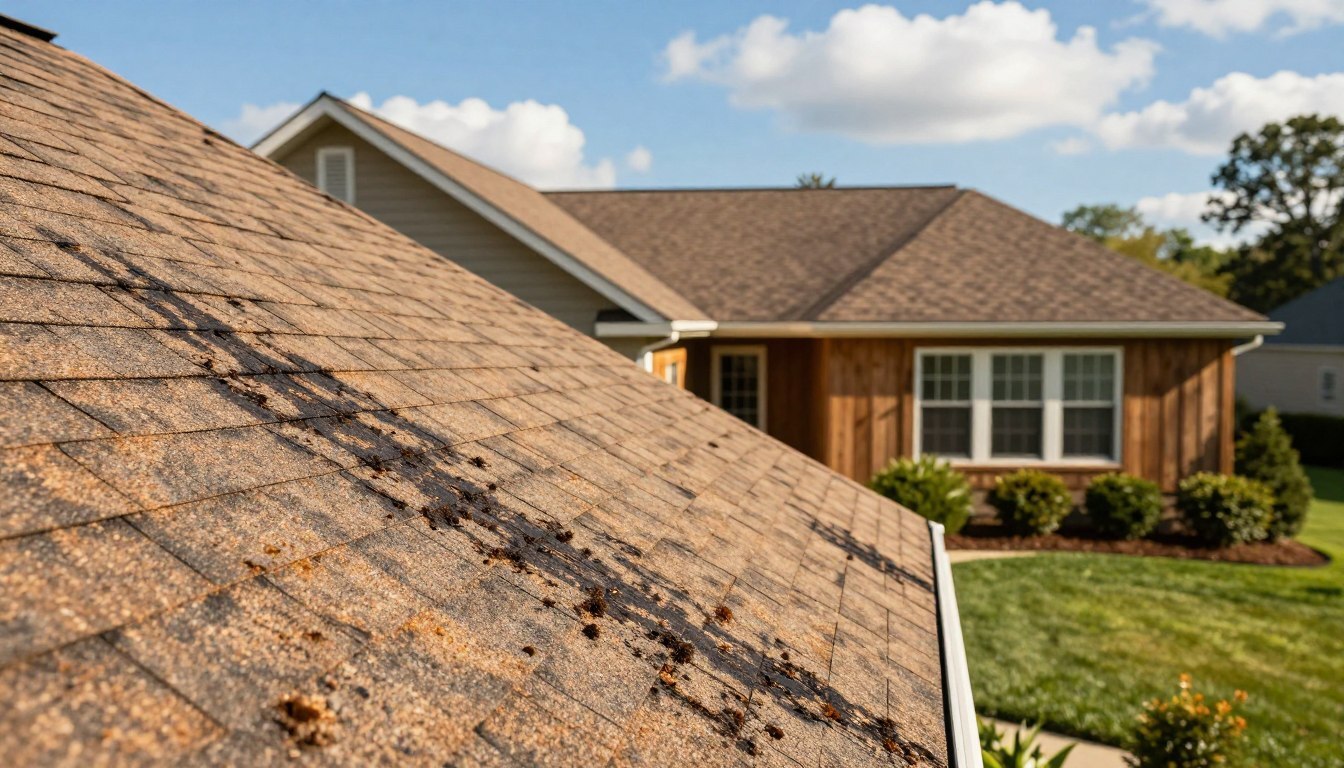
A dark roof streak can be an early warning, but it does not by itself prove the shingles are failing. Roof algae may start as a cosmetic concern, while long-lasting moisture and surface wear make the roof’s condition worth checking. Moss can cause more physical harm than algae because it holds moisture and may lift shingles. A dark stain alone does not mean your home needs a new roof. We can set realistic expectations by considering the visible growth and the roof’s overall condition.
Key Takeaways
- Dark streaks alone do not prove roof failure.
- Moisture and surface wear deserve attention.
- Moss can affect shingles more directly than algae.
- Visible growth may have different causes.
- Start by identifying the growth and its roof effects.
The first useful step is identifying which organism is present and what it can do to the roof.
How Roof Algae Can Shorten the Life of Your Roof in Reston
On asphalt shingles, the black streaks commonly called roof algae are usually caused by Gloeocapsa magma. Early staining is usually cosmetic, but persistent moisture and surface wear can contribute to deterioration over time.
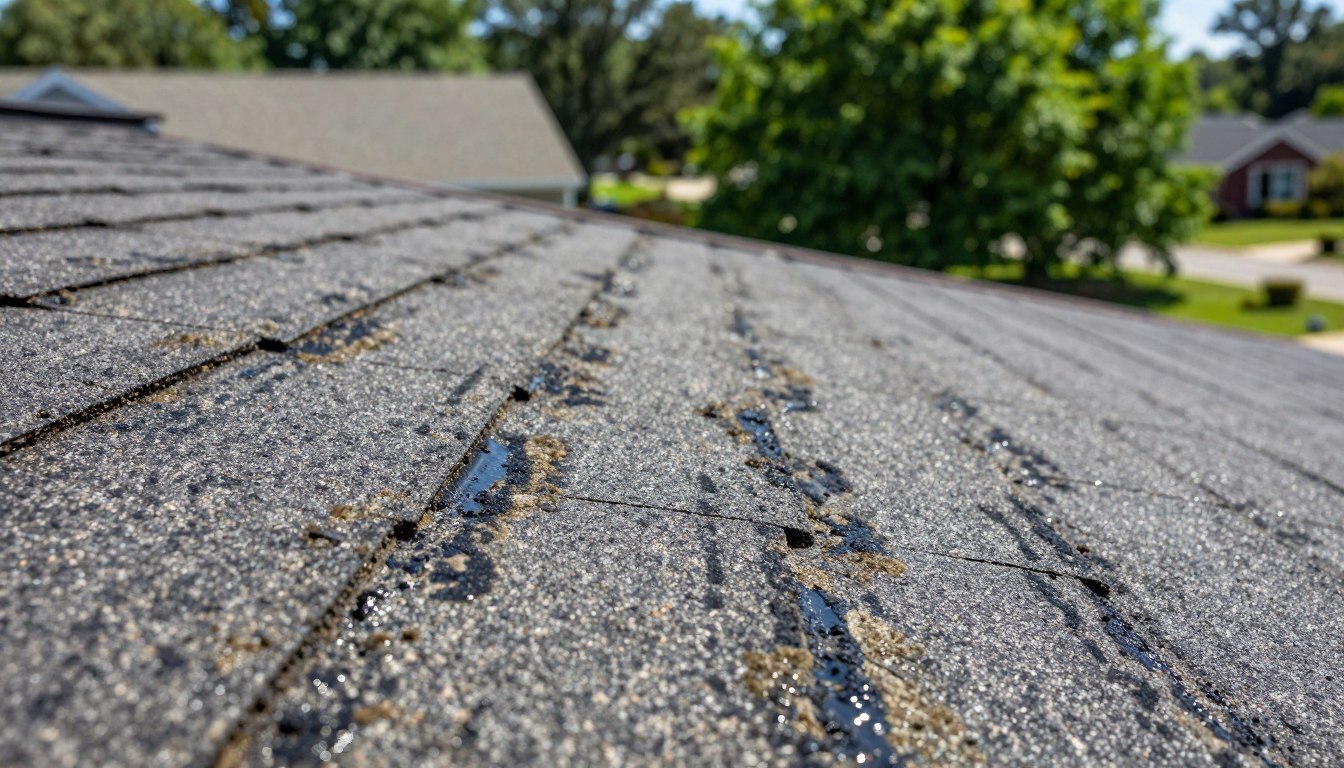
Protective granules are the ceramic particles on asphalt shingles that shield the underlying material from sun and weather. Algae alone does not prove immediate structural damage, but lost granules reduce surface protection. Dark growth can hold moisture against shingles, and granule loss can leave the asphalt more exposed.
"Early algae staining is usually cosmetic, but moisture and missing protective granules deserve attention."
What black streaks can tell you
Gloeocapsa magma is a cyanobacterium commonly called roof algae. It feeds on limestone filler in asphalt shingles, then leaves dark stains that may spread across the roof. The black streaks can lower curb appeal and make a home look poorly maintained, even when the shingles remain sound.
In early stages, the staining is mainly a surface issue. Its long-term structural effect by itself is not definitive, so we should not treat every streak as proof that shingles are failing.
How moisture and granule loss affect shingles
Moisture that lingers on a roof can contribute to wear over time. If protective granules have already thinned or washed away, shingles have less shielding from sun and weather. The roof’s age, maintenance history, and visible wear all help explain what the staining means.
A close look at the roof surface can show whether the main concern is appearance or broader damage. What the streaks look like is one clue; the type of growth matters too.
How to Tell Algae, Moss, Lichen, and Mold Apart
A flat dark streak, a fuzzy green mat, and a crusty patch are different clues, not interchangeable names for roof growth. Appearance can help us tell common organisms apart, but visible growth alone cannot confirm hidden damage.
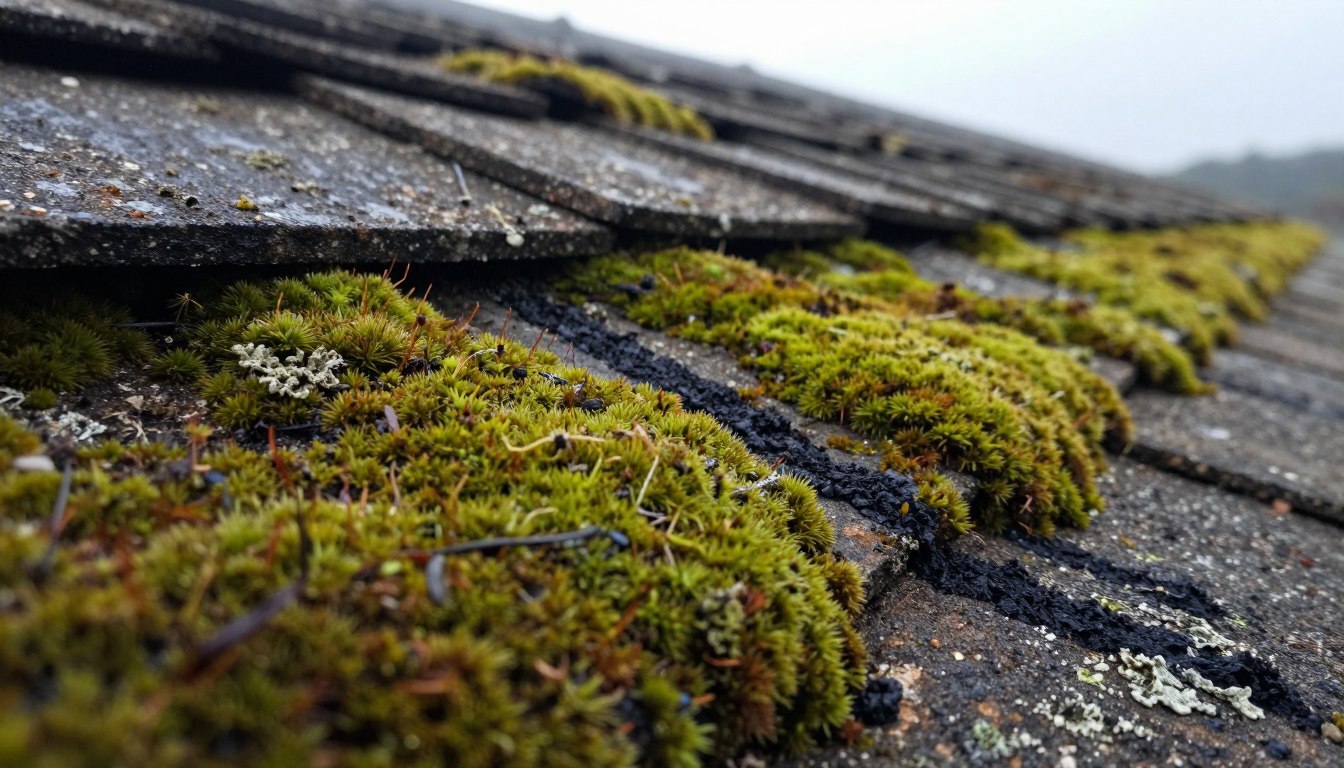
Look at whether growth lies flat, rises above the shingle, or forms a firm crust. The shape can help determine what kind of attention the roof needs.
Flat streaks versus raised or crusty growth
| Organism | Typical appearance | Growth pattern | Roof concern |
|---|---|---|---|
| Algae | Flat dark streaks | Surface growth | Mainly cosmetic early on |
| Moss | Green fuzzy mat | Raised growth | Moisture retention and shingle lifting |
| Lichen | Crusty flat patches | Firmly bonded growth | Granule damage during removal |
| Mold | Slimy or upward growth | Surface growth | Possible moisture or indoor warning signs |
Why moss, lichen, and mold need different attention
Moss is raised and green, and it can retain moisture and lift shingles. Lichen bonds firmly to asphalt shingles, so removing it may pull away protective granules. Lichen’s firm attachment to roofing is one reason not to scrape it off casually.
Mold can resemble algae, but it may feel slimy or grow upward. A musty odor can also be a warning sign. We should not assume that a visible stain identifies the full condition beneath the shingle surface.
Because appearance cannot reveal every hidden issue, an inspection may be needed when shingles seem worn. Once we identify the growth, shade and moisture conditions can help explain why it spread.
Which Roof Conditions Encourage Growth in Reston?
A shaded slope that dries slowly after rain is more likely to support roof growth than a sunny, quickly drying one. Persistent dampness can give algae, moss, and other growth a place to spread.
These conditions can encourage growth, but they are not a diagnosis or a guarantee that growth will occur in Reston. Spores can arrive by wind, birds, and small animals.
- Shaded or north-facing slopes that receive less direct sunlight.
- Branches that overhang the roof and limit sun or airflow.
- Debris that holds moisture against the roof surface.
- Standing water linked to drainage problems or damaged shingles.
- Spores carried by wind, birds, or small animals.
North-facing areas may stay damp longer because they receive less direct sunlight. Overhanging branches and debris can also slow drying or trap moisture on a roof.
Standing water can point to a drainage issue or damaged shingles, rather than growth alone. Addressing damp conditions helps, while any growth already present still needs a safe response.
How Can You Clean Roof Growth Without Damaging Shingles?
A pressure washer can remove visible growth while also stripping protective granules from asphalt shingles. Low-pressure treatment is safer than forceful washing, when the product and method suit the roof.
Do not pressure wash asphalt shingles. High-pressure water can damage the surface, remove granules, and affect shingle seal tabs. Some product labels call for low-pressure application and rinsing instead.
Choose a method suited to the growth
Soft washing is a low-pressure chemical cleaning method. Use only a treatment labeled for the roof material, and follow its directions. Some hose-applied products, including Spray and Forget and Wet and Forget, may take 3-6 months to work.
Advice about oxygen bleach and chlorine bleach conflicts, so we should not rely on a homemade bleach recipe. Never mix chemicals. A soft synthetic brush may loosen dense moss, but aggressive scrubbing can remove granules.
Blowing upward against shingle edges can break seal tabs. If the growth is dense or firmly attached, a trained crew can choose an approach that avoids unnecessary force. Some warranties also call for regular roof maintenance, so review the shingle care terms before work begins.
Keep people, shingles, and landscaping safe
A roof’s pitch, surface, and access affect whether cleaning is safe to do from the ground or by a professional. These four precautions matter before anyone starts:
- Do not pressure wash shingles.
- Do not walk on wet growth.
- Protect nearby plants from cleaning runoff.
- Stop and hire a professional if access is unsafe or there is substantial mold.
We should leave roof access to a professional whenever footing or equipment creates a risk. For moss or lichen that resists gentle treatment, professional soft washing and removal may be an option. After removal, we can consider what may help limit regrowth.
What Prevents Algae and Moss from Returning?
Reducing shade and persistent dampness is the practical starting point for discouraging regrowth. Routine roof maintenance can help limit moisture, debris, and conditions that support moss or algae.
These steps can make regrowth less likely, but they cannot restore worn shingles. Clear gutters, repair damaged shingles, trim overhanging trees, keep attic ventilation working, and arrange an annual roof inspection.
Reduce shade, debris, and standing water
Each step helps the roof dry or drain more effectively. Clear gutters so water can flow away, and address damaged shingles that may allow water to collect. Working attic ventilation supports airflow below the roof, while trimming branches can reduce shade and debris.
Regular inspections can catch blocked drainage or roof wear before those problems grow. Good roof and attic airflow can also support home performance by helping prevent blocked vents and trapped moisture.
Consider metal strips and roof materials
Copper or zinc strips installed near the roof peak can release ions as rain runs over them. The strips can sit beneath shingles near the peak. Some asphalt shingles also contain copper or zinc granules that help discourage growth.
Metal, slate, and some synthetic shingles resist algae and moss better than standard asphalt shingles. The white powder people put on roofs may be a labeled moss-control product, sometimes zinc sulfate. Identify it from the product label, and never apply an unknown powder.
Prevention cannot replace worn shingles or repair damage already present. Homeowners should check for signs that the roof needs more than routine care.
When Does Roof Growth Point to Shingle Damage or Replacement?
Dark streaks alone do not mean a roof needs replacement, but granule loss or soft spots change the decision. Visible wear deserves closer attention than staining by itself.
Cleaning removes growth, but it cannot replace missing granules or repair a damaged roof deck. A roofing professional can assess whether the roof needs maintenance or a replacement assessment.
Signs that cleaning may be enough
| What a homeowner notices | What it may indicate | Sensible next step |
|---|---|---|
| Staining, intact-looking shingles, little gutter grit | Possibly surface growth | Arrange an appropriate inspection or safe cleaning |
| Curling edges or noticeable granule grit | Shingle wear | Request a professional assessment |
| Soft spots, missing shingles, or interior leaks | Possible deeper roof-system damage | Contact a roofing professional promptly |
Signs that call for a replacement assessment
Granule grit can collect in gutters or at downspout outlets. Curling edges, missing granules, soft spots, and leaks are warning signs that call for professional assessment. Moss that holds moisture against roofing can also contribute to wear if it remains in place.
There is no fixed roof-age cutoff here that determines replacement. The shingle condition, water entry, and roof deck all matter. Metal, slate, and some synthetic shingles resist growth better than standard asphalt shingles, but material alone does not show whether a roof is sound.
Before seeking a professional opinion, note which slope has growth, whether shingles appear lifted, and where you see leaks or granule grit. Photos taken safely from the ground can help explain the concern without anyone walking on the roof.
"Staining alone may call for cleaning, but granule loss, soft spots, missing shingles, or leaks deserve a professional assessment."
When Should You Contact a Roofing Professional?
A roof inspection is the safer next step when growth appears alongside leaks, soft spots, or lifted shingles. Unsafe roof access is also a reason to call, not to climb up for a closer look.
Contact a roofing professional for widespread growth, suspected mold, or signs of roof damage. Share the roof’s approximate age if known, the affected slope, any prior cleaning, and photos taken safely from the ground.
We can call (703) 261-8228 as a contact option to discuss a professional roof inspection. An assessment can help separate surface growth from concerns that may affect shingles or the roof deck.
Conclusion
A roof’s condition matters more than the color of a few streaks. Algae staining alone does not establish that a roof is failing, but granule loss, lifted shingles, soft spots, and leaks deserve attention.
When any of those warning signs are visible, arrange a professional assessment rather than guessing from the roof’s appearance. That is the practical next step for protecting the shingles, limiting water damage, and making a sound decision about the roof’s life.
Frequently Asked Questions
Should I remove moss from my roof?
Yes, address moss before it spreads, because a dense mat can retain moisture and lift shingles. Removal should match the roof material and the moss’s condition. Do not walk on wet growth or climb onto a roof with unsafe access. When footing is uncertain or the moss covers a large area, hiring a professional is the safer choice.
How can I make my roof last longer?
Keep gutters clear, limit overhanging shade, repair damaged shingles, maintain attic ventilation, and arrange an annual inspection. These steps help the roof drain and dry, while inspections can reveal wear before it worsens. We should also address persistent moisture rather than treating visible stains as the only maintenance concern. No single task can guarantee a specific roof lifespan.
How do I get rid of algae on my roof?
Use a shingle-appropriate, low-pressure method or hire a professional. Never pressure wash asphalt shingles, since high-pressure water can strip protective granules. Follow the product label, including its application and rinse directions, and do not mix chemicals or improvise a bleach recipe. Some hose-applied treatments take 3-6 months to work, so visible results may not be immediate.
Does lichen damage roof tiles?
Lichen can bond to asphalt shingles, and removing it may pull away protective granules. The risk depends on the roofing material, so we should not assume every tile or roof has the same response. Firmly attached lichen is a reason to avoid scraping or aggressive scrubbing. A professional can assess the surface and choose an approach suited to that roof.
What kills lichen on the roof naturally?
No natural remedy can be promised as both safe and effective for established lichen. Lichen can bond firmly to roofing, and scraping or scrubbing may damage the surface or remove granules. If it is attached to asphalt shingles, avoid forceful removal. We can ask a roofing professional to assess the material and recommend an appropriate treatment.
What is the best time of year to remove moss from a roof?
There is no single season that suits every roof. Schedule the work for safe, suitable weather, and avoid walking on wet growth, which can create a slipping hazard. The roof’s pitch, surface condition, and access also affect whether work is safe. A professional can choose a suitable time and method for the specific roof.
What kills moss permanently?
No cleaning treatment guarantees permanent moss removal. Copper or zinc measures and less shade or dampness can discourage regrowth, but conditions may change and new spores can arrive. Keep the roof draining well, and check for returning growth during routine maintenance. If moss comes back quickly or covers a broad area, ask a professional to assess the roof.
What happens if you leave moss on a roof?
A dense moss mat can retain moisture and lift shingles, increasing the risk of shingle and moisture damage over time. Moss may also interfere with drainage, especially where it gathers near roof features or debris. The degree of concern depends on how much moss is present and the shingle condition. Address it safely before it spreads further.