
How Atmospheric Pollution Affects the Color of Your Roof
Many homeowners notice their shingles losing their original luster over time. You might assume this is just natural aging, but airborne residue often plays a larger role than you realize. Understanding how atmospheric pollution affects the color of your roof is essential for maintaining your home's curb appeal and structural integrity.
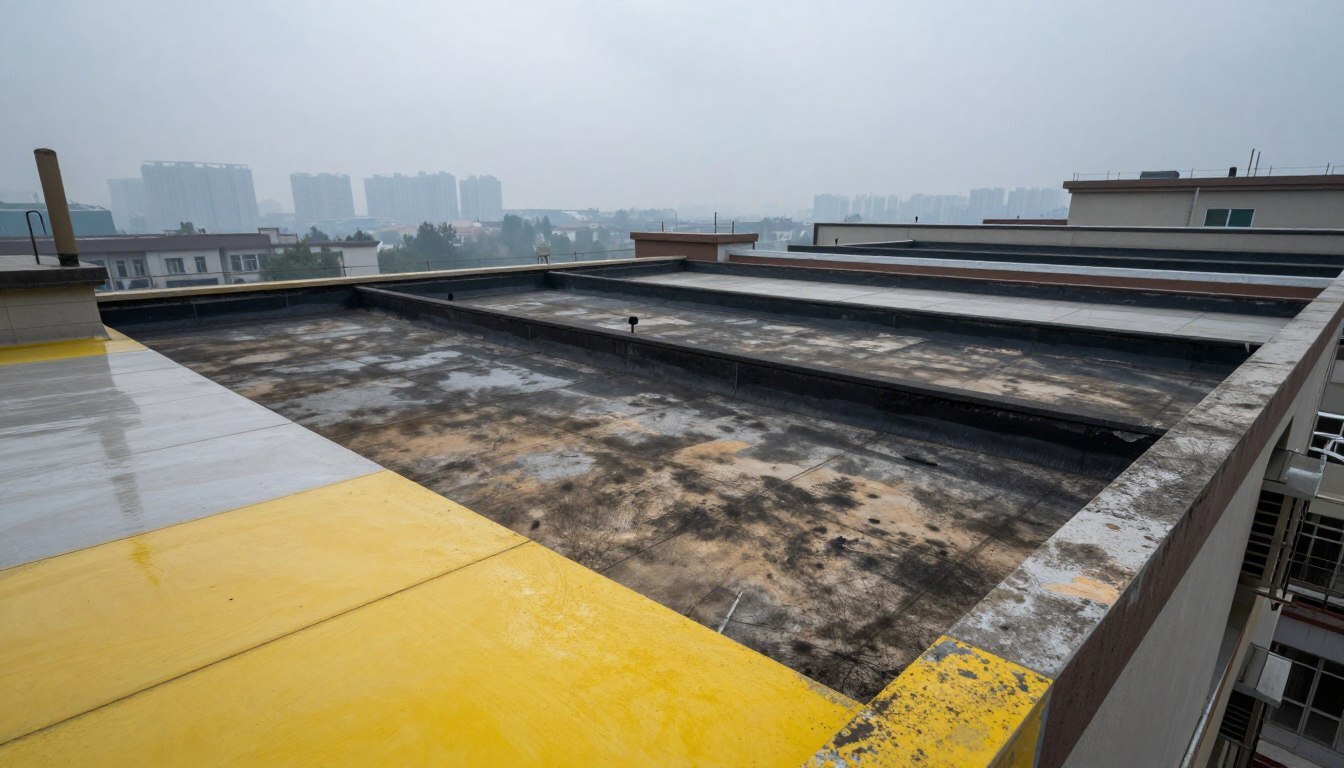
Whether you live near a busy highway or in a quiet suburb, traffic emissions, wildfire smoke, and industrial dust settle on your shingles. These particles combine with moisture and sunlight to create stubborn stains that go beyond simple surface dirt. It is important to distinguish this chemical buildup from genuine material decay. Keeping your home clean is also vital for the impact of clean roofs on energy, as dark stains absorb heat rather than reflecting it.
If you are concerned about the condition of your shingles, we are here to help. You can reach our team for professional guidance by calling (703) 261-8228.
Protect your roof from pollution buildup and restore your home's original curb appeal with expert care.
Call (703) 261-8228 for Professional GuidanceKey Takeaways
- Airborne particles from traffic and industry significantly alter the appearance of residential shingles.
- Chemical exposure and moisture create stains that differ from standard surface dust.
- Environmental factors like wildfire smoke impact properties far beyond industrial zones.
- Maintaining a clean surface is critical for preserving energy efficiency and heat reflection.
- Professional assessment helps distinguish between cosmetic staining and structural damage.
How Atmospheric Pollution Affects the Color of Your Roof
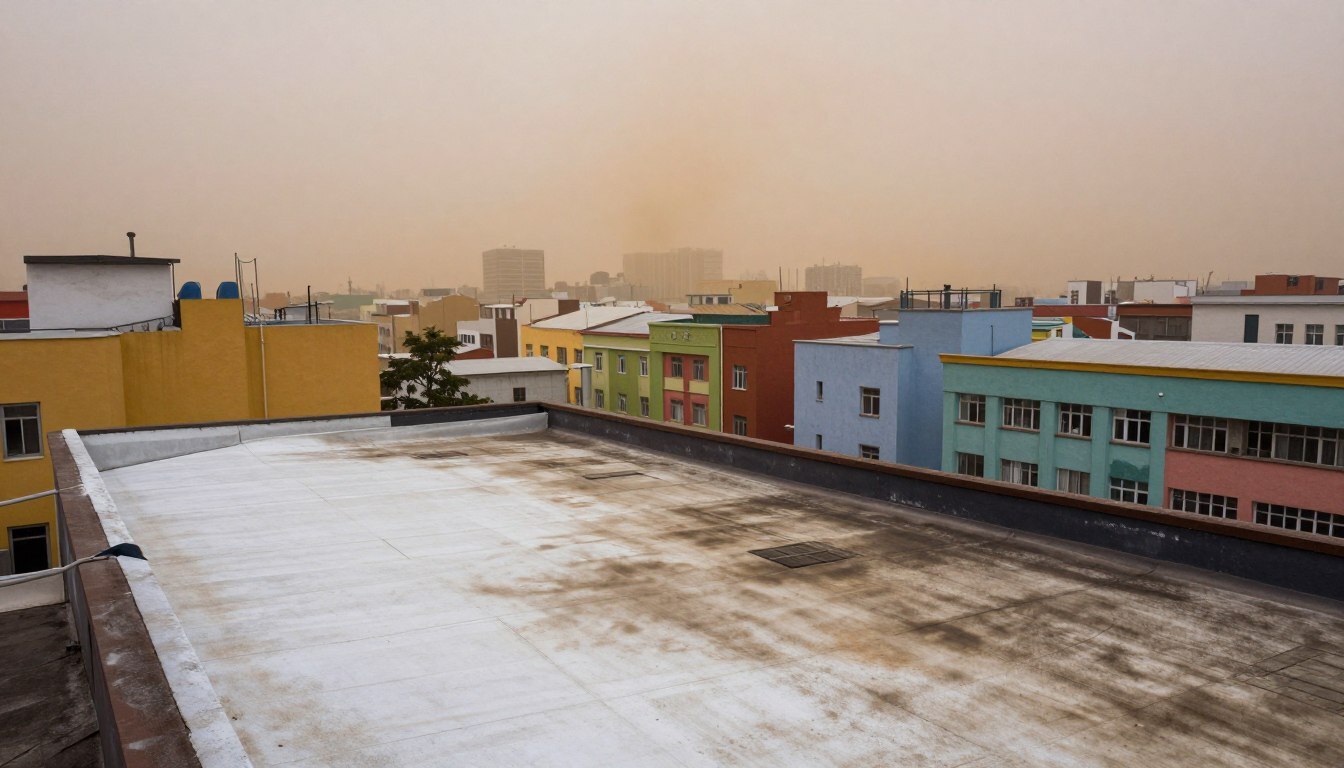
Atmospheric pollution acts as a silent agent of change for your home's exterior appearance. While we often focus on the structural integrity of our shingles, the aesthetic impact of pollution and roof color change is a gradual process that unfolds over many years. This transformation involves a complex cycle of deposition, chemical reactions, and repeated exposure to the elements.
Why Roof Color Changes Over Time
Roofing materials are designed to withstand harsh weather, but they are not immune to the microscopic particles floating in our air. Over time, these particles accumulate on the surface, altering the way light reflects off your roof. Chemical reactions between these deposits and the roofing material itself can lead to a dulling of original pigments.
"The accumulation of airborne debris is not merely a cosmetic issue; it is a sign that your roof is interacting with the local environment in ways that can accelerate material aging."
How Airborne Contaminants Settle on Roofing Materials
Traffic and industrial emissions are primary contributors to the dark films often seen on residential roofs. These contaminants settle into the textures of shingles, tiles, and metal panels, creating a stubborn layer of grime. We observe that this buildup is particularly heavy in areas with high vehicle density or proximity to manufacturing zones.
- Adhesion: Particles bond to the surface through moisture and static.
- Deposition: Wind currents carry soot and dust directly onto your roof.
- Chemical Bonding: Acidic components in the air can etch into protective coatings.
The Difference Between Surface Staining and Permanent Fading
It is vital to distinguish between temporary surface staining and permanent material degradation. Surface stains are often caused by organic growth or soot that can be cleaned away with the right professional techniques. In contrast, pollution and roof color change resulting from pigment breakdown, oxidation, or granule loss is usually permanent.
If you are unsure whether your roof is suffering from simple surface dirt or deeper structural damage, we are here to help. Please contact us at (703) 261-8228 for a professional assessment. We can help you identify the cause of discoloration and determine the best path forward for your home.
Pollutants That Cause Roof Discoloration
Understanding the specific pollutants that settle on your home is the first step toward preserving roof color from atmospheric pollutants. Our roofs are constantly exposed to a variety of airborne substances that can alter their appearance over time. By identifying these sources, we can better manage the long-term health and beauty of our homes.
Vehicle Exhaust and Industrial Emissions
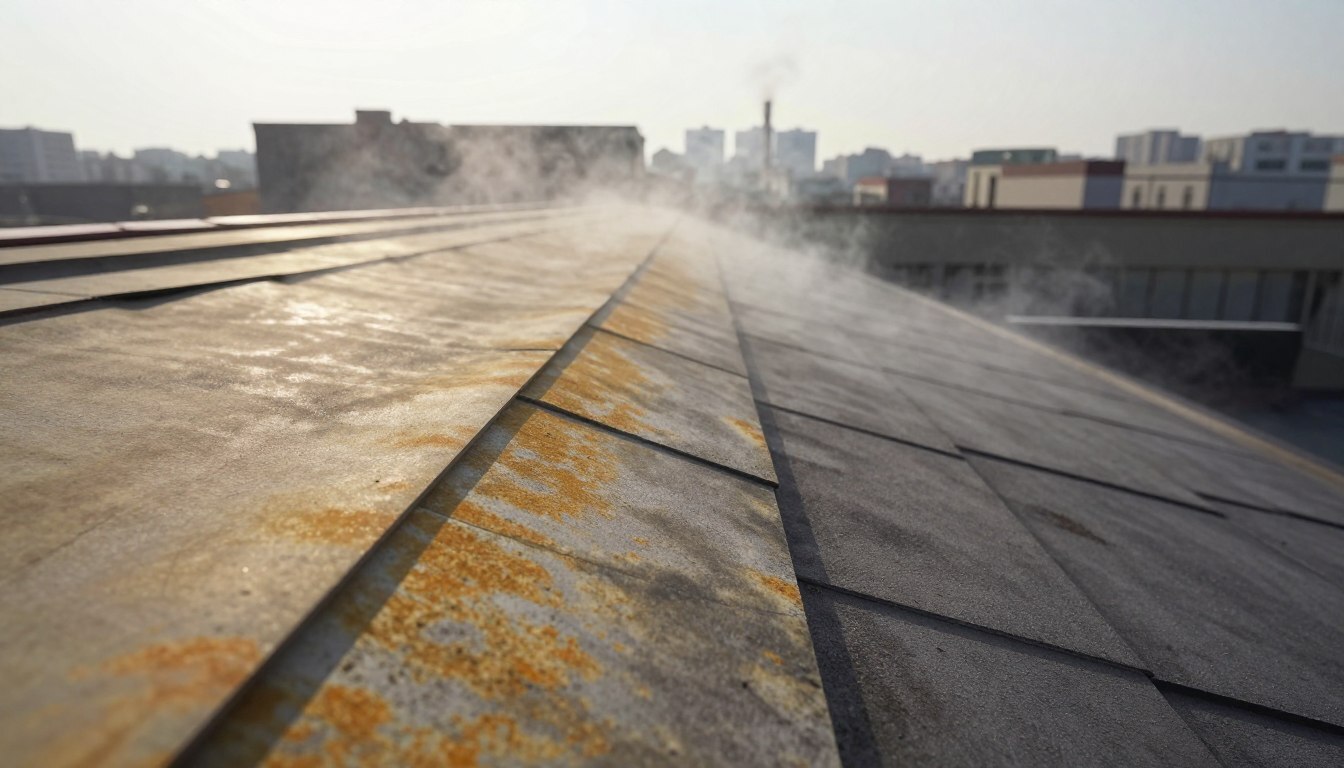
Combustion byproducts from cars and local factories are primary contributors to roof staining. These emissions often contain nitrogen oxides and sulfur compounds that cling to roofing materials. Over time, these chemicals create a film that dulls the original pigment of your shingles.
Dust, Soot, and Particulate Matter
Fine particulate matter is particularly problematic because it remains airborne for long periods. These tiny particles settle deep into the textured surfaces of asphalt shingles or the crevices of tile roofs. Regular maintenance is essential to prevent this buildup from becoming permanent.
Acidic Compounds From Air Pollution
When moisture mixes with airborne chemicals, it can form mild acidic compounds. These substances can chemically react with roofing materials, leading to accelerated fading or discoloration. If you notice persistent staining, feel free to contact us at (703) 261-8228 for a professional assessment.
Smoke, Ash, and Regional Wildfire Residue
In many parts of the United States, seasonal wildfires introduce significant amounts of ash and soot into the atmosphere. This residue is often oily and sticky, making it difficult to remove once it adheres to a roof. Effective strategies for preserving roof color from atmospheric pollutants must account for these regional environmental factors.
How Wind Carries Pollutants Onto Residential Roofs
Wind acts as the primary transport mechanism for these contaminants. It carries suspended particles across neighborhoods and deposits them onto roof slopes, valleys, and gutters. Because smaller particles travel further, they often settle into the most vulnerable areas of your roof, leading to uneven discoloration patterns.
How UV Exposure Intensifies Pollution and Roof Color Change
When solar radiation meets airborne pollutants, the resulting chemical reactions can significantly accelerate the degradation of your roofing materials. This process often leads to uv damage on roofs that goes beyond simple fading. We observe that sunlight acts as a catalyst, turning passive pollutants into active agents of decay.
Ultraviolet Radiation and Shingle Pigment Breakdown
Ultraviolet rays possess enough energy to break the chemical bonds within the pigments of your shingles. Over time, this exposure causes the vibrant colors of new roofing to lose their depth and consistency. This breakdown is not merely cosmetic; it represents a fundamental weakening of the material's protective surface.
As the pigments fail, the shingles become more porous and susceptible to further environmental stress. We often see that roofs in high-sunlight areas show signs of wear much faster than those in shaded environments. Regular inspections are vital to catch these changes before they compromise the integrity of your home.
Why Polluted Residue Can Increase Heat Absorption
Pollutants often settle on the roof as dark, oily residues that trap solar energy. These dark patches significantly reduce the natural reflectance of your shingles, causing the roof to absorb more heat than intended. Increased thermal stress can lead to warping, cracking, and a shorter lifespan for your roofing system.
When your roof runs hotter, the materials underneath expand and contract more aggressively. This cycle of thermal expansion often accelerates the physical deterioration of the entire structure. If you notice persistent dark staining that seems to be getting worse, please contact our team at (703) 261-8228 for a professional assessment.
Combined Effects of Sunlight, Moisture, and Airborne Chemicals
The environment becomes particularly harsh when sunlight interacts with nitrogen oxides and volatile organic compounds. These reactions create ground-level ozone, which acts as a powerful oxidant that attacks roofing surfaces. Moisture further complicates this process by acting as a solvent that carries these chemicals deeper into the shingle granules.
The synergy between these elements creates a persistent cycle of chemical weathering. By understanding how uv damage on roofs interacts with local air quality, we can better protect your investment. We recommend proactive maintenance to mitigate these combined effects and preserve your roof's color and structural health.
Roofing Materials Most Vulnerable to Color Fading
Understanding the environmental impact on roofing materials is essential for homeowners concerned about their property's long-term curb appeal. Different surfaces react to atmospheric pollutants in unique ways, leading to varied levels of discoloration and aesthetic degradation over time.
Asphalt Shingles and Granule Loss
Asphalt shingles are highly susceptible to the accumulation of airborne soot and dust. As these particles settle, they often become embedded in the protective mineral granules. Over time, this process accelerates granule loss, which exposes the underlying asphalt and leads to uneven, patchy fading across the roof surface.
Metal Roofing and Oxidation-Related Color Changes
While metal is generally durable, it is not immune to chemical reactions. Atmospheric pollutants can trigger oxidation on certain metal finishes, causing the material to lose its original luster. If you are wondering how often should you clean your roof to prevent this, professional guidance is recommended.
Clay and Concrete Tile Discoloration
Clay and concrete tiles are naturally porous, making them magnets for environmental pollutants. These materials easily absorb moisture and airborne chemicals, which can lead to deep-seated staining that is difficult to remove. Regular maintenance is vital to prevent these contaminants from permanently altering the tile's color.
Wood Shakes, Staining, and Atmospheric Moisture
Wood shakes are perhaps the most vulnerable to moisture-related staining. Because wood is organic, it readily traps atmospheric moisture and pollutants, creating an ideal environment for discoloration. This environmental impact on roofing materials often requires specialized cleaning techniques to restore the natural look of the wood.
How Material Age and Quality Affect Color Retention
The age and quality of your roofing system play a significant role in how well it resists fading. High-quality materials often feature advanced protective coatings that repel pollutants more effectively than budget alternatives. If you notice material-specific staining, please call us at (703) 261-8228 for a professional evaluation.
| Roofing Material | Primary Vulnerability | Staining Risk |
|---|---|---|
| Asphalt Shingles | Granule Loss | Moderate |
| Metal Roofing | Oxidation | Low |
| Clay/Concrete Tile | High Porosity | High |
| Wood Shakes | Moisture Retention | Very High |
Roof Discoloration Effects Beyond Appearance
Understanding the true impact of roof discoloration effects requires looking beyond the surface of your shingles. While many homeowners view these changes as a simple aesthetic nuisance, the reality is often far more complex. We believe that identifying the root cause of these shifts is essential for maintaining the long-term integrity of your home.
When Stains Signal Algae, Mold, or Moisture Problems
Dark streaks or patches often indicate the presence of Gloeocapsa magma, a type of algae that feeds on the limestone fillers in asphalt shingles. These organisms thrive in damp, shaded areas, which means their presence often points to underlying moisture retention issues. If left unchecked, this biological growth can trap water against the roof surface, potentially leading to premature material decay.
"A roof is not just a cover; it is a complex system that requires constant protection from the elements to function correctly."
How Granule Loss Can Reduce Roof Protection
Granules are the primary defense mechanism for asphalt shingles, as they block harmful UV rays and provide fire resistance. When you notice uneven fading or patches of discoloration, it may be a sign that these protective granules are wearing away. Significant granule loss leaves the underlying asphalt exposed to the sun, which accelerates the aging process and weakens the entire roofing structure.
Potential Effects on Roof Temperature and Energy Use
Dark stains and heavy soot accumulation can alter the thermal properties of your roof. These darker areas tend to absorb more solar heat, which can lead to higher attic temperatures during the summer months. This increased heat absorption forces your cooling system to work harder, often resulting in higher energy bills and reduced comfort levels inside your living space.
Distinguishing Cosmetic Damage From Structural Concerns
It is important to separate minor cosmetic fading from warning signs that require immediate attention. While some color changes are a natural part of aging, others may signal leaks, damaged flashing, or compromised weather protection. If you are unsure about the severity of the changes you see, we recommend calling (703) 261-8228 for a professional assessment.
Our team can help you determine if your roof discoloration effects are merely superficial or if they indicate a need for repairs. Addressing these concerns early helps prevent minor issues from turning into costly structural failures. Always prioritize the health of your roof to ensure your home remains safe and energy-efficient.
How We Assess Pollution-Related Roof Color Changes
Our team utilizes a specialized methodology to distinguish between simple surface stains and deeper structural concerns. We believe that effective pollution and roof maintenance begins with a comprehensive visual assessment of your entire roofing system.
Inspecting Shingles, Tiles, Flashing, and Gutters
We start by examining the primary roofing materials, whether they are asphalt shingles, clay tiles, or metal panels. Our technicians look for signs of uneven wear or discoloration that may indicate trapped pollutants.
We also pay close attention to flashing and gutters. These areas often act as collection points for airborne debris, which can accelerate the degradation of your roof's protective layers.
Identifying Pollution Stains Versus Biological Growth
Distinguishing between chemical staining and biological growth is a critical part of our process. We analyze the color, texture, and location of the marks to determine their origin.
While algae and moss often thrive in damp, shaded areas, pollution-related stains frequently appear in patterns dictated by wind direction and roof pitch. Understanding these subtle differences allows us to recommend the most appropriate cleaning or repair strategy.
Evaluating Roof Age, Exposure, and Local Air Quality
The history of your roof provides essential clues regarding its current condition. We factor in the age of the materials, the proximity to high-traffic roads, and the presence of nearby industrial activity.
Regional wildfire history and prevailing wind patterns also play a significant role in how contaminants settle on your home. By combining these environmental data points, we gain a clearer picture of how pollution and roof maintenance needs have evolved over time.
Signs That Call for a Professional Roof Inspection
Some issues are best handled by experts to ensure safety and accuracy. You should contact us at (703) 261-8228 if you notice any of the following warning signs:
- Stains that are spreading rapidly across the roof surface.
- Significant accumulation of shingle granules in your gutters.
- Visible damage to flashing or suspected structural decay.
- Situations where the roof is too steep or unstable for a safe DIY evaluation.
Preventing Roof Color Fading in Polluted Areas
We believe that preventing roof color fading starts long before the first sign of discoloration appears. By understanding how environmental factors interact with your home, you can implement strategies that preserve your roof's original beauty for years to come. If you need professional guidance for your specific property, please contact us at (703) 261-8228.
Choosing Durable Roofing Materials and Protective Finishes
Selecting the right materials is the first line of defense against atmospheric pollutants. High-quality asphalt shingles often feature algae-resistant copper granules that prevent the dark streaks caused by biological growth. Metal roofing, when finished with high-performance coatings like Kynar 500, offers superior resistance to chemical staining and oxidation.
Investing in premium materials may require a higher initial cost, but the long-term savings are significant. These products are engineered to withstand harsh urban environments without losing their structural integrity or aesthetic appeal.
Improving Attic Ventilation and Roof Moisture Control
Proper attic ventilation is essential for maintaining a healthy roof system. When moisture becomes trapped in the attic, it creates a humid environment on the underside of the roof deck, which can accelerate the growth of mold and algae on the surface. Effective airflow keeps the roof deck dry and prevents the premature breakdown of shingle pigments.
"A well-ventilated roof is a long-lasting roof. By managing the temperature and moisture levels beneath the shingles, you protect the exterior finish from the inside out."
Managing Nearby Trees, Dust Sources, and Exhaust Exposure
Your immediate surroundings play a major role in how quickly your roof accumulates pollutants. Overhanging tree branches deposit organic debris that traps moisture and soot against your shingles. We recommend trimming back vegetation to allow for better sunlight exposure and airflow, which helps keep the surface clean.
Additionally, consider the proximity of your home to unpaved roads or industrial exhaust vents. Minimizing these sources of particulate matter can drastically reduce the accumulation of grime. For homeowners in high-traffic areas, regular inspections are vital to preventing roof color fading caused by heavy soot buildup.
Using Reflective and Color-Stable Roofing Options
Modern "cool roof" technology allows homeowners to choose energy-efficient options that do not require a stark white appearance. These products use specialized pigments that reflect solar energy while maintaining a wide range of attractive, deep colors. By reducing heat absorption, these materials also lower the thermal stress that often accelerates the chemical degradation of roofing surfaces.
| Material Type | Pollution Resistance | Color Stability | Maintenance Needs |
|---|---|---|---|
| Asphalt Shingles | Moderate | Good | Low to Moderate |
| Metal Roofing | Excellent | High | Very Low |
| Clay/Concrete Tiles | High | High | Moderate |
Choosing the right technology is a key step in preventing roof color fading. We are here to help you evaluate which materials best suit your local climate and air quality conditions. Reach out to our team at (703) 261-8228 to discuss your options for a more resilient and beautiful roof.
Maintaining Roof Color From Atmospheric Pollutants
Protecting your home's exterior requires a proactive approach to maintaining roof color in polluted areas. When airborne contaminants settle on your shingles, they can create unsightly stains and accelerate the degradation of protective coatings. By implementing a consistent care routine, you can extend the lifespan of your roof while keeping it looking fresh and clean.
Scheduling Safe Roof Cleaning
We advise homeowners to prioritize gentle cleaning methods that do not compromise the integrity of their roofing materials. Harsh chemicals or abrasive scrubbing can strip away essential granules, leaving your roof vulnerable to further damage. Instead, opt for low-pressure, eco-friendly cleaning solutions designed to lift pollutants without causing physical harm to the surface.
Why We Avoid Pressure Washing Asphalt Shingles
Many homeowners mistakenly believe that high-pressure washing is the best way to remove stubborn stains. However, we strongly discourage this practice for asphalt shingles. High-pressure water can blast away the protective mineral granules that shield your roof from UV rays and weather elements. This process often leads to premature aging and can even cause water infiltration under the shingles.
Removing Debris Before It Holds Pollutants Against the Surface
Accumulated debris, such as leaves, twigs, and pine needles, acts as a sponge for atmospheric pollutants. When this organic matter stays on your roof, it traps moisture and chemicals against the surface, which promotes staining and potential rot. We recommend the following steps to keep your roof clear:
- Clear your gutters at least twice a year to ensure proper water drainage.
- Remove overhanging tree branches that drop debris and provide shade for algae growth.
- Use a soft-bristled brush to gently sweep away loose dirt and leaves during dry weather.
Planning Seasonal Inspections and Minor Repairs
Regular inspections are vital for maintaining roof color in polluted areas. By checking your roof every season, you can identify small issues before they become expensive problems. Look for signs of granule loss, cracked tiles, or damaged flashing that might allow pollutants to penetrate deeper into the roofing structure.
When to Consult a Professional Roofing Contractor
While some maintenance tasks are manageable for homeowners, certain situations require expert intervention. If you notice recurring dark streaks, significant granule loss, or signs of structural leaks, it is time to call in the professionals. For expert guidance or to schedule a comprehensive inspection, please contact us at (703) 261-8228. Our team is ready to help you preserve your roof's beauty and structural integrity.
Conclusion
Your roof faces constant pressure from the environment every single day. Understanding pollution's effect on roofing materials helps you take proactive steps to preserve your home exterior.
Surface staining, pigment fading, and oxidation often result from a mix of airborne chemicals and sunlight. These factors work together to alter the appearance and structural integrity of your shingles or tiles. We see how moisture-related growth and heat absorption accelerate this natural wear process.
Choosing reflective, color-stable materials provides a strong defense against these atmospheric challenges. Proper maintenance routines keep your roof looking sharp while supporting lower summer cooling demand. You can extend the lifespan of your investment by staying ahead of minor discoloration issues.
We remain ready to assist with your property needs. Our team provides expert guidance on evaluating roof health and planning necessary care. Reach out to us at (703) 261-8228 to discuss your specific roofing concerns today.
Frequently Asked Questions
How does the environmental impact on roofing affect my property value?
A roof that appears prematurely aged or stained due to atmospheric contaminants can significantly decrease "curb appeal." Prospective buyers often view discoloration as a sign of neglect or an impending need for replacement. By proactively managing the environmental impact on roofing, you maintain your home's market value and aesthetic integrity.
Can regular pollution and roof maintenance extend the life of my shingles?
Absolutely. When we perform consistent pollution and roof maintenance, we remove the acidic residues and carbon-based films that accelerate the breakdown of asphalt and protective coatings. This prevents the material from becoming brittle and helps the roof reach its full engineered lifespan.
Is UV damage on roofs worse in urban or rural areas?
UV damage on roofs can be more severe in urban areas where ground-level ozone and particulate matter are higher. These pollutants can create a "heat island" effect, raising the surface temperature of your roof and making the chemical reaction between UV rays and roofing pigments much more aggressive.
What are the most common roof discoloration effects I should look for?
You should look for dark, streaky lines (often mistaken for dirt but usually algae), uniform graying or "chalking" on metal surfaces, and splotchy patches where granules have gone missing. These roof discoloration effects often start on the northern-facing slopes or in areas shaded by trees where moisture lingers.
Are there specific products for preventing roof color fading?
Yes, we recommend high-quality brands like GAF, which offers shingles with StainGuard Plus technology. These products use specialized copper-containing granules that help in preventing roof color fading by resisting the growth of algae and reflecting more solar radiation.
How atmospheric pollution affects the color of your roof compared to biological growth?
While biological growth like moss or lichen is thick and green or white, atmospheric pollution typically presents as a thin, uniform dark gray or black film. Understanding how atmospheric pollution affects the color of your roof is key to choosing the right cleaning method—pollution requires chemical surfactants, while biological growth may require algaecides.
What is the best strategy for maintaining roof color in polluted areas?
The best strategy for maintaining roof color in polluted areas is a combination of seasonal debris removal and a professional soft-wash every few years. This prevents the "stacking" of pollutants, where new layers of grime bond to older ones, making them nearly impossible to remove later.
Does pollution's effect on roofing materials differ by climate?
Yes. In humid climates, pollution's effect on roofing materials is often compounded by fungal and algae growth. In dry, sunny climates, the combination of dust and high UV levels leads to faster oxidation and "bleaching" of the material's original pigment.
Why is preserving roof color from atmospheric pollutants important for energy efficiency?
Preserving roof color from atmospheric pollutants is vital because a clean, light-colored roof reflects sunlight. When a roof is covered in dark soot or exhaust residue, it absorbs more thermal energy, which transfers into your attic and increases the cost of cooling your home.
Can I handle pollution and roof maintenance myself?
While homeowners can clear gutters and remove loose debris, we strongly recommend professional help for deep cleaning or assessing damage. Walking on a polluted, wet roof is extremely dangerous, and using the wrong chemicals can permanently damage your roofing materials or void your warranty.