CALL NOW TO GET A FREE ESTIMATE->

How to Clean Composite Decks (Treks) Without Scratching
Your outdoor living space represents a significant financial investment in your home. We understand that maintaining its pristine appearance requires both specialized expertise and a gentle touch to preserve long-term value.
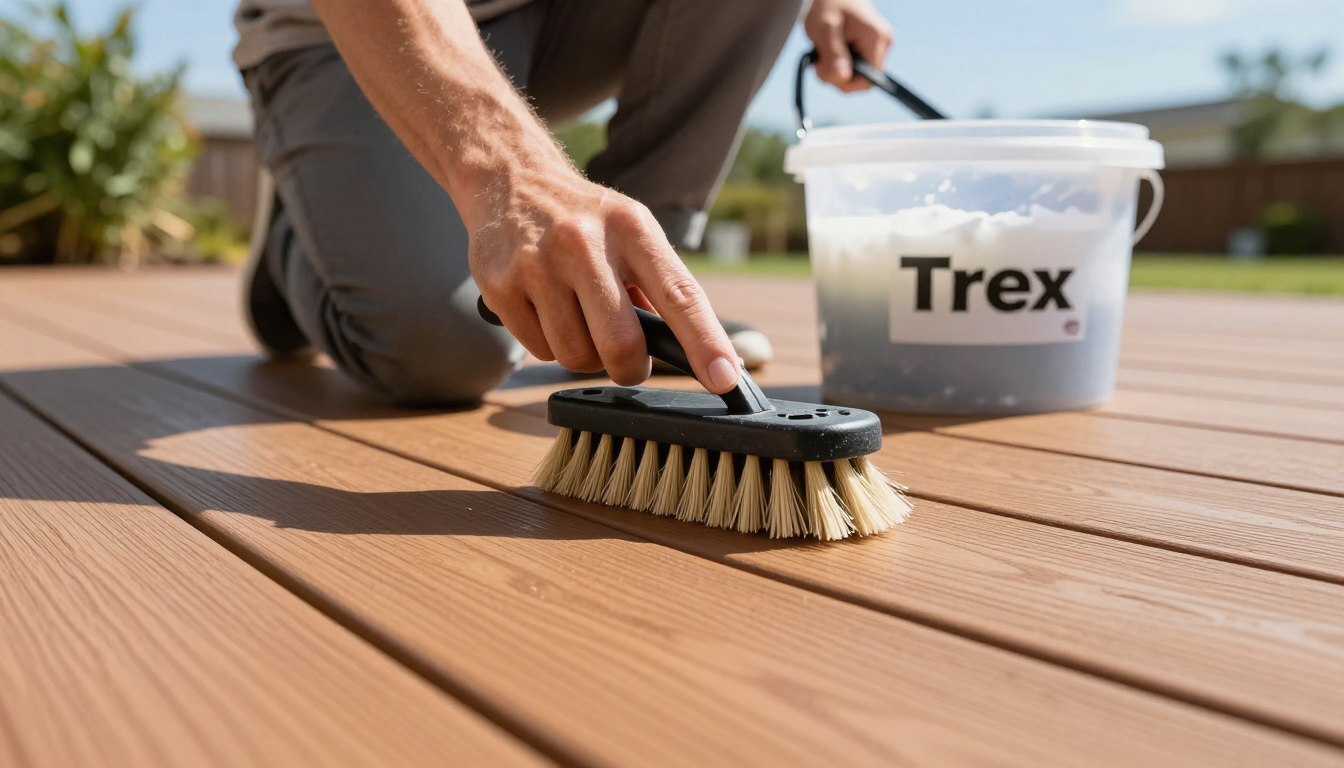
Many homeowners struggle with the balance between removing stubborn grime and protecting the delicate surface material. Mastering proper maintenance techniques is essential for avoiding common pitfalls that lead to permanent damage. Our goal is to provide you with a comprehensive guide on how to clean composite decks without scratching while ensuring your property remains in top condition.
Effective trex deck cleaning relies on manufacturer-approved methods that prioritize surface integrity over harsh, abrasive shortcuts. If your outdoor area requires professional attention beyond standard DIY care, please contact our team at (703) 261-8228. We are dedicated to protecting your investment through science-based, reliable practices.
Key Takeaways
- Prioritize manufacturer-approved solutions to maintain your warranty and surface finish.
- Avoid high-pressure washing, which can permanently etch or damage composite boards.
- Use soft-bristled brushes to remove debris without leaving unsightly marks.
- Regular, gentle maintenance prevents the buildup of organic matter and mold.
- Professional guidance is available at (703) 261-8228 for complex restoration needs.
Understanding the Composition of Trex Decking
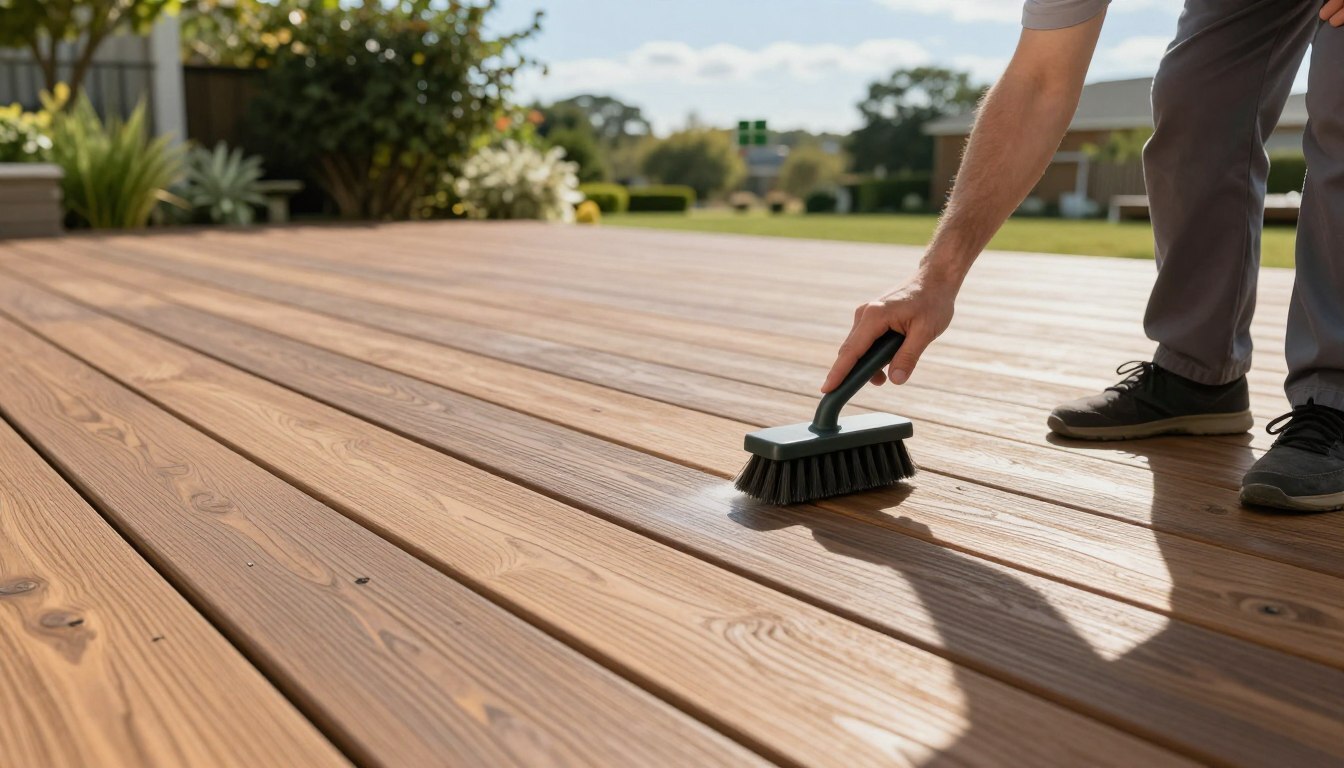
Understanding the unique blend of materials in your Trex decking is the first step toward long-term preservation. These boards are engineered using a precise combination of wood flour and inorganic plastic particles. This hybrid construction provides the aesthetic appeal of natural timber while offering the enhanced durability of synthetic materials.
Why Composite Materials Require Specialized Care
Many homeowners mistakenly believe that these surfaces are entirely maintenance-free. In reality, effective composite decking maintenance requires a consistent strategy to protect the structural integrity of the boards. Because these materials react differently to environmental stressors than traditional lumber, using harsh cleaning methods can lead to permanent surface degradation.
We often remind our clients that while composite boards resist rot and insects, they are still susceptible to surface-level staining and fungal growth. Neglecting routine care allows debris to settle into the grain, which can compromise the finish over time. You can learn more about why pressure washing is essential for deck when performed by professionals who understand these specific material requirements.
Identifying the Protective Shell of Modern Decking
Modern composite boards feature a protective outer shell, often referred to as a cap, which acts as a shield against the elements. This layer is designed to resist fading, scratching, and moisture absorption. However, this shell is not invincible; it requires gentle cleaning agents to remain intact and effective.
If you damage this outer layer through abrasive scrubbing or improper chemical use, the inner core becomes exposed to the environment. Once the shell is compromised, the board loses its primary defense against stains and weathering. Maintaining this barrier is the cornerstone of successful composite decking maintenance.
| Feature | Traditional Wood | Composite Decking |
|---|---|---|
| Primary Material | Natural Timber | Wood Fiber & Plastic |
| Maintenance Focus | Staining & Sealing | Surface Protection |
| Durability | Moderate | High |
| Cleaning Method | Sanding & Refinishing | Gentle Washing |
Essential Tools for Scratch-Free Cleaning
Protecting your outdoor investment requires a thoughtful approach to the equipment you keep in your cleaning arsenal. When you follow the right tips for cleaning composite decks, you ensure that your property remains a beautiful space for years to come. Using the wrong implements can lead to permanent surface damage that is difficult to reverse.
Selecting the Right Bristle Brushes
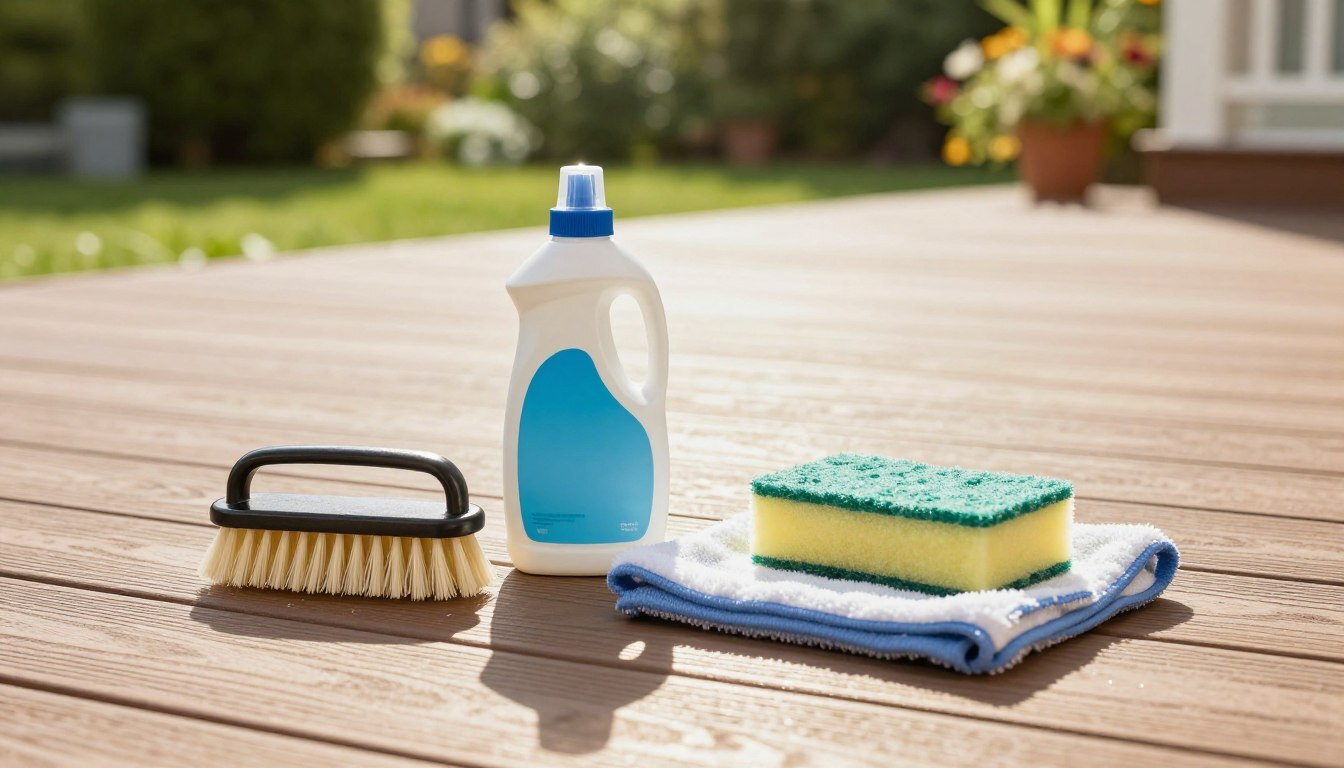
The surface of modern composite decking often features intricate embossing patterns designed to mimic natural wood grain. To clean these areas effectively, you must select a brush that reaches into the grooves without compromising the protective shell. We always recommend using a soft-bristle brush to gently lift dirt and debris from these delicate textures.
Why Soft-Bristle Brooms are Mandatory
Soft-bristle brooms are essential because they provide the perfect balance between cleaning power and surface safety. These tools allow you to sweep away loose particles efficiently while maintaining the integrity of the deck's finish. By choosing these recommended scrubbing tools for decks, you avoid the risk of creating micro-scratches that trap future dirt and grime.
Avoiding Abrasive Pads and Steel Wool
It is vital to steer clear of harsh materials like steel wool or heavy-duty abrasive pads. These items can easily strip away the protective capstock, leaving your deck vulnerable to staining and moisture absorption. We advise homeowners to strictly avoid these tools to prevent long-term structural and aesthetic degradation.
| Tool Type | Suitability | Risk Level |
|---|---|---|
| Soft-Bristle Brush | High | Minimal |
| Microfiber Cloth | High | None |
| Steel Wool | Low | Severe |
| Abrasive Scouring Pad | Low | High |
How to Clean Composite Decks (Treks) Without Scratching
Protecting your investment starts with understanding that composite materials demand a much gentler touch than traditional wood. We prioritize a gentle approach because the protective shell of your decking is designed to resist stains, but it can still suffer from surface abrasions if handled incorrectly. Learning how to clean composite decks without scratching is the most effective way to ensure your outdoor space remains beautiful for years to come.
The Importance of a Gentle Approach
Many homeowners mistakenly believe that high-intensity scrubbing or harsh equipment will yield better results. In reality, aggressive cleaning often compromises the integrity of the composite finish. We advocate for a measured, careful process that respects the manufacturer's engineering while effectively removing dirt and grime.
Step-by-Step Rinsing Procedures
Before you apply any soap or solution, you must clear away loose debris. We recommend using a standard garden hose or a low-pressure washer to rinse the entire surface thoroughly. If you choose to use a pressure washer, ensure the pressure is no greater than 3100 psi and always utilize a fan tip adjustment to disperse the water force safely.
These tips for cleaning composite decks emphasize that consistent rinsing prevents the buildup of dirty water films. If left to dry, these films can leave unsightly residue on your boards. By keeping the surface wet during the process, you maintain a clean, streak-free finish.
Applying Cleaning Agents Safely
When selecting your cleaning agents, always verify that they are compatible with composite materials. We suggest applying your chosen solution in small, manageable sections to prevent it from drying prematurely. Following these manufacturer-approved procedures ensures that you remove contaminants without leaving behind any harmful chemical residue.
Remember that the goal is to lift dirt away from the surface rather than forcing it deeper into the grain. By adhering to these professional tips for cleaning composite decks, you protect the aesthetic value of your home while maintaining a safe environment for your family.
Preparing Your Deck Surface for Deep Cleaning
A successful deep cleaning project begins long before the first drop of water touches your boards. We believe that thorough preparation is the secret to achieving a professional-grade finish on your composite decking. By taking these initial steps, you protect your investment and ensure that your cleaning efforts yield the best possible results.
Clearing Furniture and Obstructions
Before you begin any washing process, you must clear the entire deck surface of all furniture, planters, and decorative items. Removing these obstructions allows us to inspect every square inch of the material without hindrance. It is essential to create a completely open workspace to ensure that no areas are missed during the cleaning phase.
Removing Loose Debris and Leaves
Organic materials like leaves, twigs, and dirt act as sponges that trap moisture against your deck boards. We recommend using a soft-bristle broom or a gentle stream from a garden hose to clear away all loose debris. By eliminating these items, you remove the primary food sources that allow mold and mildew to thrive in the gaps between your boards.
Inspecting for Existing Damage Before Washing
Once the surface is clear and dry, take a moment to perform a detailed inspection of the deck. Look for signs of structural wear, loose fasteners, or deep scratches that may have occurred since your last maintenance cycle. Identifying these issues early allows you to address them before they worsen under the influence of water or cleaning agents.
| Preparation Task | Action Required | Priority Level |
|---|---|---|
| Clear Furniture | Remove all items | High |
| Sweep Debris | Use soft broom | High |
| Inspect Boards | Check for cracks | Medium |
| Clear Gaps | Remove trapped dirt | Medium |
Selecting the Best Cleaners for Composite Decking
Selecting the best cleaners for composite decking is a vital step in protecting your outdoor investment. We understand that homeowners want to keep their spaces looking new, but using the wrong product can lead to irreversible damage. Our goal is to guide you toward solutions that maintain the structural integrity and aesthetic beauty of your boards.
Recommended Commercial Cleaning Products
When shopping for supplies, look for products specifically labeled as safe for composite materials. Many manufacturers offer proprietary cleaners designed to lift dirt without stripping the protective shell of the deck. These specialized formulas are often the most reliable choice for busy homeowners who want professional results.
We encourage you to explore eco-friendly deck cleaning methods that prioritize both your property health and the environment. Using biodegradable soaps ensures that your garden and surrounding landscape remain safe during the rinsing process. Consistency in your choice of products will help preserve the factory finish for years to come.
Understanding pH-Neutral Cleaning Agents
A pH-neutral cleaner is the gold standard for composite maintenance. These solutions are balanced to effectively break down organic debris without reacting negatively with the synthetic polymers in your decking. By maintaining a neutral pH, you avoid the risk of etching or dulling the surface over time.
Avoiding Harsh Chemicals and Bleach
It is critical to avoid products containing bleach or harsh acids, as these can permanently lighten the surface color of your composite decking. While these chemicals might seem effective for removing stains, they often degrade the protective outer layer. Once this layer is compromised, the boards become more susceptible to staining and moisture absorption.
| Cleaning Agent Type | Safety Level | Effectiveness |
|---|---|---|
| pH-Neutral Soap | High | Excellent |
| Bleach-Based | Low | Damaging |
| Acidic Cleaners | Low | Corrosive |
We strongly advise against using heavy-duty industrial cleaners that are not explicitly approved for composite surfaces. Sticking to gentle, eco-friendly deck cleaning methods will keep your deck looking vibrant and healthy. Protecting your investment starts with making informed decisions about the liquids you apply to your home.
DIY Deck Cleaning Solutions for Stubborn Stains
We believe that protecting your investment starts with gentle, effective cleaning methods that anyone can perform. While professional services like patio pressure washing are vital for deep restoration, many homeowners prefer diy deck cleaning solutions for routine upkeep. These approaches prioritize the longevity of your composite boards while keeping your outdoor space looking its best.
Mixing Mild Soap and Water Solutions
For everyday spills, grease, or food residue, a simple mixture of warm water and mild dish soap is often sufficient. We recommend using a soft-bristle brush to gently agitate the surface, ensuring you work within the embossing pattern to lift trapped dirt. This eco-friendly deck cleaning method is safe for almost all composite materials and prevents the buildup of grime that can lead to long-term staining.
Using Vinegar for Natural Cleaning
Hard water deposits can leave unsightly white streaks on your decking that soap alone cannot remove. White vinegar acts as a powerful, natural acidic agent that breaks down mineral deposits without harming the protective shell of your boards. Simply dilute the vinegar with water and apply it to the affected area, allowing it to sit briefly before rinsing thoroughly with clean water.
Targeting Specific Stains Without Damage
Promptly addressing spills is the most effective way to maintain your deck's finish. By avoiding harsh chemicals or bleach, you ensure that the structural integrity of the composite remains intact. If you encounter stubborn spots, consistent, gentle scrubbing is always superior to aggressive force, which can permanently scratch or dull the surface.
| Cleaning Agent | Best Used For | Application Method |
|---|---|---|
| Mild Dish Soap | General dirt and grease | Soft brush and warm water |
| White Vinegar | Hard water stains | Diluted spray and rinse |
| Baking Soda | Organic debris/mildew | Light paste and gentle scrub |
Utilizing these eco-friendly deck cleaning methods allows you to manage your property with confidence. When you choose the right tools and solutions, you preserve the value of your home while enjoying a clean, beautiful outdoor environment throughout the year.
Proper Scrubbing Techniques to Protect the Finish
We often find that the way you move your brush across the boards determines the long-term health of your decking. While selecting the recommended scrubbing tools for decks is a vital first step, your physical technique ultimately dictates whether your surface remains pristine or suffers from premature wear.
Scrubbing in the Direction of the Grain
Always scrub each deck board in the direction of the grain to maintain the integrity of the embossing pattern. Moving your brush parallel to the wood grain prevents the bristles from catching on the edges of the texture. This simple habit ensures that your deck retains its authentic look for years to come.
Applying Consistent Pressure
Using the right amount of force is essential when you utilize your recommended scrubbing tools for decks. We advise our clients to apply steady, even pressure rather than aggressive force, which can create cross-grain scratches. These tiny abrasions often trap dirt and moisture, leading to deeper stains that become difficult to remove later.
Rinsing Thoroughly to Prevent Residue
A thorough final rinse serves as the final barrier against a dull, lackluster appearance. If cleaning agents remain on the surface, they can attract dust and grime, effectively undoing your hard work. Ensure you flush the entire area with clean water until no suds or film remain visible on the boards.
| Technique | Impact on Surface | Result |
|---|---|---|
| Grain-Aligned Scrubbing | Protects Embossing | Maintains Texture |
| Consistent Pressure | Prevents Abrasions | Smooth Finish |
| Thorough Rinsing | Removes Residue | Prevents Dullness |
Managing Mold and Mildew on Composite Surfaces
While composite materials are engineered for resilience, they are not entirely immune to organic buildup. Even high-quality decking can become a host for fungal growth if organic matter is allowed to settle into the surface texture for extended periods.
We view your deck as a significant investment that deserves consistent protection. By understanding the lifecycle of these organisms, we can better preserve the structural integrity and aesthetic appeal of your outdoor living space.
Identifying Early Signs of Fungal Growth
Fungal growth often begins as a microscopic biofilm, which acts as a nutrient-rich foundation for mold and mildew. You might notice this as a subtle, slippery film or small, dark spots appearing in shaded areas of the deck.
If left unchecked, these spots can develop into fuzzy patches that penetrate the surface. We recommend performing a thorough visual inspection during your routine cleaning sessions to catch these issues before they spread.
Safe Removal Methods for Mold
When you discover mold, the goal is to remove the growth without compromising the deck's protective shell. We advise using a mild, pH-neutral cleaner specifically formulated for composite surfaces to break down the biofilm.
Avoid the temptation to use harsh chemicals or high-pressure power washers, as these can permanently etch the material. Instead, apply your cleaning solution and allow it to dwell for a few minutes before gently scrubbing with a soft-bristle brush in the direction of the grain.
Preventing Moisture Accumulation
The most effective way to manage mold is to eliminate the conditions that allow it to thrive. Moisture is the primary catalyst for fungal development, often trapped by layers of pollen, leaves, and other organic debris.
We suggest keeping your deck clear of obstructions that block airflow or trap water against the boards. Regularly sweeping away debris ensures that your deck remains dry and inhospitable to mold spores, keeping your investment looking its best year-round.
Preventing Scratches and Future Damage
We understand that your outdoor living space is a significant investment, and preventing scratches on composite decks is the most effective way to preserve its long-term value. By adopting a proactive maintenance mindset, you can avoid the frustration of surface damage while keeping your deck looking brand new for years to come.
Using Furniture Pads and Protective Mats
The legs of heavy patio furniture are common culprits for surface abrasions. We strongly recommend applying felt or nylon furniture pads to the bottom of all chairs, tables, and loungers to create a protective barrier between the metal or wood and the composite material.
When selecting floor mats for your deck, please exercise caution. Many rubber-backed mats contain chemicals that can react with composite materials, leading to permanent discoloration or lightening of the surface. Instead, look for breathable, non-staining woven mats designed specifically for outdoor use.
Managing Heavy Traffic Areas
High-traffic zones often experience faster wear than the rest of your deck. To mitigate this, consider the following strategies:
- Use outdoor rugs in high-traffic pathways to absorb grit and debris.
- Periodically rearrange your furniture layout to distribute foot traffic more evenly.
- Encourage guests to remove heavy, debris-covered footwear before stepping onto the deck.
Avoiding Sharp Objects on the Deck Surface
Even the most durable composite materials have limits when faced with sharp, pointed items. We advise against dragging heavy objects across the deck, as this can create deep gouges that are difficult to repair. Always lift furniture rather than sliding it, and be mindful of sharp tools or hardware that might fall during outdoor projects.
By staying vigilant and implementing these simple habits, you are actively preventing scratches on composite decks and ensuring your outdoor sanctuary remains a source of pride for your home.
Seasonal Maintenance Schedules for Lasting Beauty
Protecting your investment in composite decking requires a thoughtful plan that spans the entire calendar year. We recommend a consistent approach to composite decking maintenance to ensure your outdoor space remains a beautiful extension of your home. By following a structured routine, you can effectively mitigate the wear and tear caused by changing weather patterns.
Spring Cleaning and Inspection Routines
Spring serves as the ideal time to refresh your deck after the dormant winter months. We suggest performing a thorough deep cleaning to remove any accumulated dirt, pollen, or organic debris that settled during the colder season. This is also the perfect moment to inspect the surface for any signs of damage or loose fasteners.
Early detection is key to long-term property health. By addressing minor issues during your spring inspection, you prevent them from becoming costly repairs later in the year. A clean surface also allows you to better evaluate the condition of the protective shell.
Summer Maintenance for High-Traffic Periods
Summer brings increased activity, which often leads to more frequent spills and heavy foot traffic. We emphasize the importance of preventing scratches on composite decks by using protective mats under heavy furniture and grills. Regularly sweeping the surface helps remove abrasive grit that can cause surface marring over time.
If spills occur, prompt attention is necessary to maintain the deck's appearance. We advise homeowners to rinse the area with water and a mild soap solution as soon as possible. This simple habit keeps your deck looking pristine even during the busiest months of the year.
Preparing Your Deck for Winter Conditions
As temperatures drop, your focus should shift toward shielding the deck from harsh winter elements. We recommend clearing all furniture and planters to allow for proper drainage and airflow. If you live in an area with heavy snowfall, always use a plastic shovel to clear the surface, as metal tools can easily damage the finish.
Maintaining a reliable schedule for composite decking maintenance ensures that your deck remains resilient against freezing temperatures and moisture. By taking these proactive steps, you protect your investment and ensure your outdoor space is ready for enjoyment as soon as the weather warms up again.
When to Call Professional Deck Cleaning Services
Even the most diligent homeowners occasionally encounter deck issues that defy simple cleaning solutions. While many diy deck cleaning solutions work well for routine upkeep, certain conditions require a more advanced approach to ensure the longevity of your outdoor space.
Recognizing When DIY Methods are Insufficient
You might notice that despite your best efforts, some stains simply refuse to fade. If you are dealing with deep-seated organic growth or persistent discoloration, it is often safer to stop scrubbing before you accidentally damage the protective shell of your boards.
We often see cases where aggressive scrubbing has compromised the surface finish. If you notice the following, it is time to call for help:
- Stubborn, recurring mold or mildew patches.
- Deep-seated stains that do not respond to mild soap.
- Signs of surface abrasion from previous cleaning attempts.
Benefits of Expert Maintenance
Choosing professional services ensures that your deck receives the care it deserves without the risk of permanent damage. We utilize specialized equipment and the best cleaners for composite decking that are specifically formulated to lift grime while remaining gentle on the material.
Our team follows strict manufacturer-approved protocols to maintain your warranty and keep your deck looking brand new. By relying on our expertise, you avoid the common pitfalls associated with improper chemical use or high-pressure washing techniques that can strip away the protective layer of your boards.
Contacting Professionals at (703) 261-8228
We understand that your deck is a significant investment, and we are here to help you protect it. If you find yourself struggling with complex maintenance challenges, please do not hesitate to reach out to our team.
You can contact us directly to schedule a consultation. Let us handle the heavy lifting so you can get back to enjoying your beautiful outdoor living space with complete peace of mind.
Conclusion
Your composite deck represents a significant investment in your home value and your quality of life. Maintaining this space requires a consistent partnership between your routine homeowner care and our specialized professional expertise.
We believe that informed maintenance is the best way to preserve the structural integrity and aesthetic appeal of your Trex surfaces. By applying these science-based, manufacturer-approved methods, you ensure your outdoor living area remains a beautiful asset for years to come.
Our team remains dedicated to supporting your property health through every season. We invite you to reach out to us at (703) 261-8228 for personalized guidance or to schedule expert cleaning services. Let us help you keep your deck in peak condition so you can focus on enjoying your home.
Frequently Asked Questions
To ensure you are preventing scratches on composite decks, we recommend using a soft-bristle brush and always scrubbing in the direction of the embossed grain. We advise against using metal scrapers or stiff wire brushes, as these can compromise the integrity of the outer shell. By applying consistent, gentle pressure with a manufacturer-approved brush, you can effectively remove dirt and debris without leaving behind unsightly scuffs or permanent damage to your Trex decking.
Selecting the right equipment is a cornerstone of proper composite decking maintenance. We advocate for the use of soft-bristle brooms or specialized deck brushes designed for synthetic materials. You should strictly avoid abrasive pads, steel wool, or high-pressure power washers set at high PSIs, as these can erode the protective layer. For winter care, we always suggest using a plastic shovel rather than a metal one to clear snow without gouging the boards.
We recommend utilizing pH-neutral cleaners specifically formulated for composite materials. It is vital to avoid harsh chemicals like chlorine bleach, which can lead to permanent fading and damage the organic wood fibers within the boards. For professional-grade results, look for products approved by brands like Trex or TimberTech to ensure your cleaning regimen supports your long-term investment protection.
Yes, we often find that the most effective diy deck cleaning solutions are also the gentlest. A simple mixture of mild liquid dish soap and warm water is usually sufficient for general cleaning and removing surface grime. For more stubborn issues, such as hard water spots, a solution of white vinegar and water can act as a natural mineral dissolver. We emphasize addressing spills immediately to prevent them from setting into the grain.
We prioritize eco-friendly deck cleaning methods that protect both your home and the surrounding environment. Using biodegradable, pH-neutral soaps and white vinegar ensures that runoff does not harm your garden or lawn. Additionally, by maintaining a regular schedule of clearing organic debris, you prevent the growth of biofilms like mold or Gloeocapsa magma, reducing the need for aggressive chemical interventions later.
Because Trex and other composite brands are engineered from a blend of recycled plastic and wood fibers, they do not require the heavy sanding or staining that traditional wood demands. However, they are more susceptible to heat-related expansion and surface scratching. Our tips for cleaning composite decks focus on preserving the specialized "shell" technology that protects the inner core, requiring a more nuanced, non-abrasive approach than porous natural wood.
Mold thrives on organic debris like pollen and leaves that get trapped in the gaps between boards. We suggest a thorough seasonal maintenance routine every spring and fall to clear these obstructions. If you spot early signs of fungal growth, we recommend a gentle scrub with soap and water followed by a low-pressure rinse. Keeping the deck dry and ensuring proper ventilation between the joists is the best way to prevent moisture-related issues from taking hold.
While routine care is manageable for most homeowners, some situations—such as deep-seated oil stains, extensive fungal infestations, or heavy oxidation—require specialized expertise. If diy deck cleaning solutions are not yielding the desired results, we encourage you to contact us at (703) 261-8228. Our team utilizes manufacturer-approved techniques to restore your deck's aesthetic beauty while ensuring the structural health of your investment remains intact.
© 2026 All Rights Reserved