
How to Clean Stucco Safely Using Soft Wash Methods
Maintaining your home’s exterior is essential for long-term durability. Stucco, a porous material crafted from sand, limestone, or concrete, requires specialized care to prevent damage. Gentle maintenance is the secret to preserving its structural integrity and aesthetic appeal.
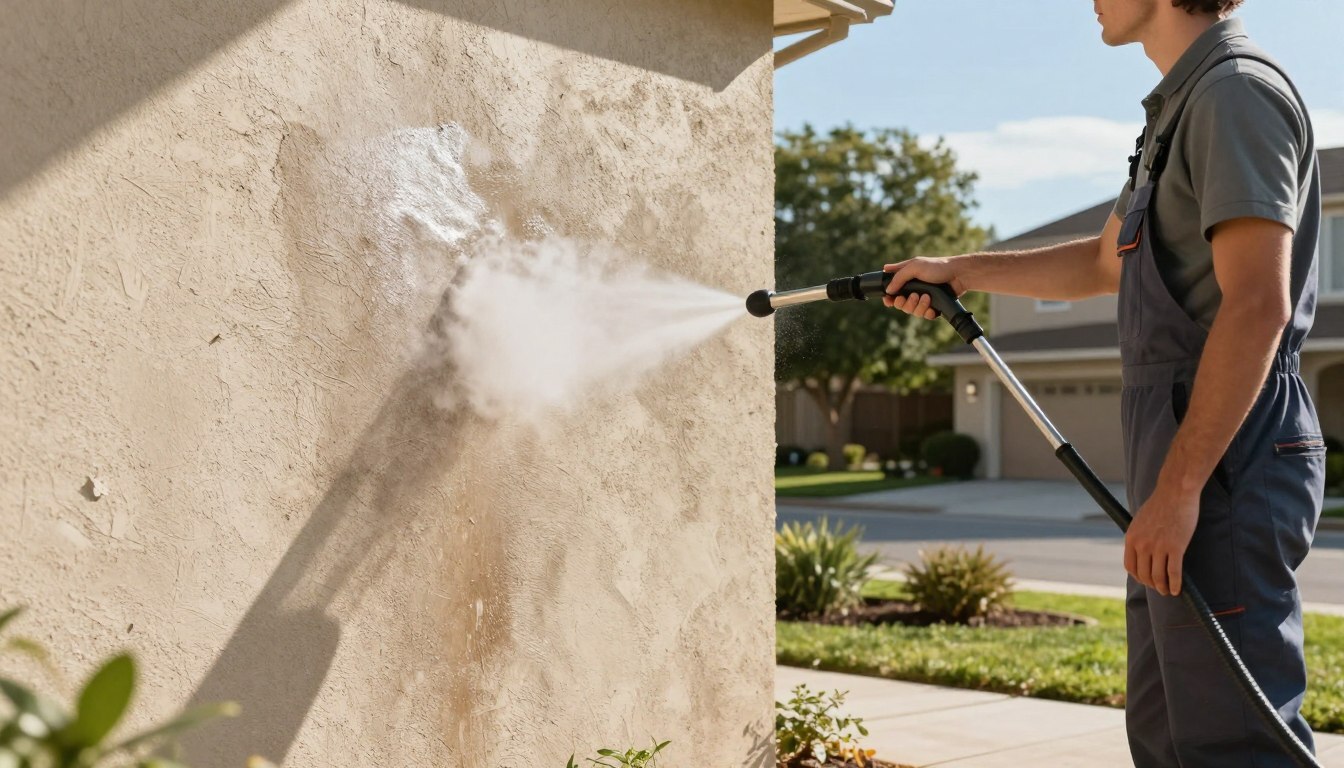
We believe that exterior cleaning should never compromise the surface of your property. By choosing the right approach, you protect your investment from harsh elements and unwanted buildup. If you have questions or need professional assistance, please call us at (703) 261-8228.
In this guide, we walk you through the entire process. We cover everything from initial inspections and surface preparation to the final rinse. Our goal is to ensure you understand the best practices for a beautiful, lasting finish.
Protect your stucco finish and safely restore your home's exterior with low-pressure soft washing solutions.
Call (703) 261-8228 for Expert AssistanceKey Takeaways
- Stucco is a porous material that demands a gentle touch during maintenance.
- Proper inspection is the first step in any successful project.
- Low-pressure techniques prevent structural damage to your home.
- Consistent care preserves the value and beauty of your property.
- Professional guidance is available by calling (703) 261-8228.
Why Stucco Requires Soft Washing Instead of High-Pressure Cleaning
Stucco is a beautiful, durable material, but it requires a specialized approach to keep it looking its best. Many homeowners mistakenly believe that high-pressure washing is the most effective way to remove grime. However, we recommend gentle stucco cleaning to preserve the integrity of your home's exterior.
How Stucco’s Porous Surface Responds to Water and Pressure
Stucco is inherently porous, acting much like a hard sponge. When you apply high-pressure water to this surface, the material absorbs moisture rapidly. This deep saturation can lead to significant issues if the water is forced into microscopic voids or existing fissures.
Excessive pressure does not just clean the surface; it can drive water deep into the wall cavity. Once moisture is trapped behind the finish, it creates a breeding ground for mold and structural rot. Our team at (703) 261-8228 emphasizes that controlled, low-pressure methods are essential to prevent this internal damage.
Common Damage Caused by Aggressive Exterior Cleaning
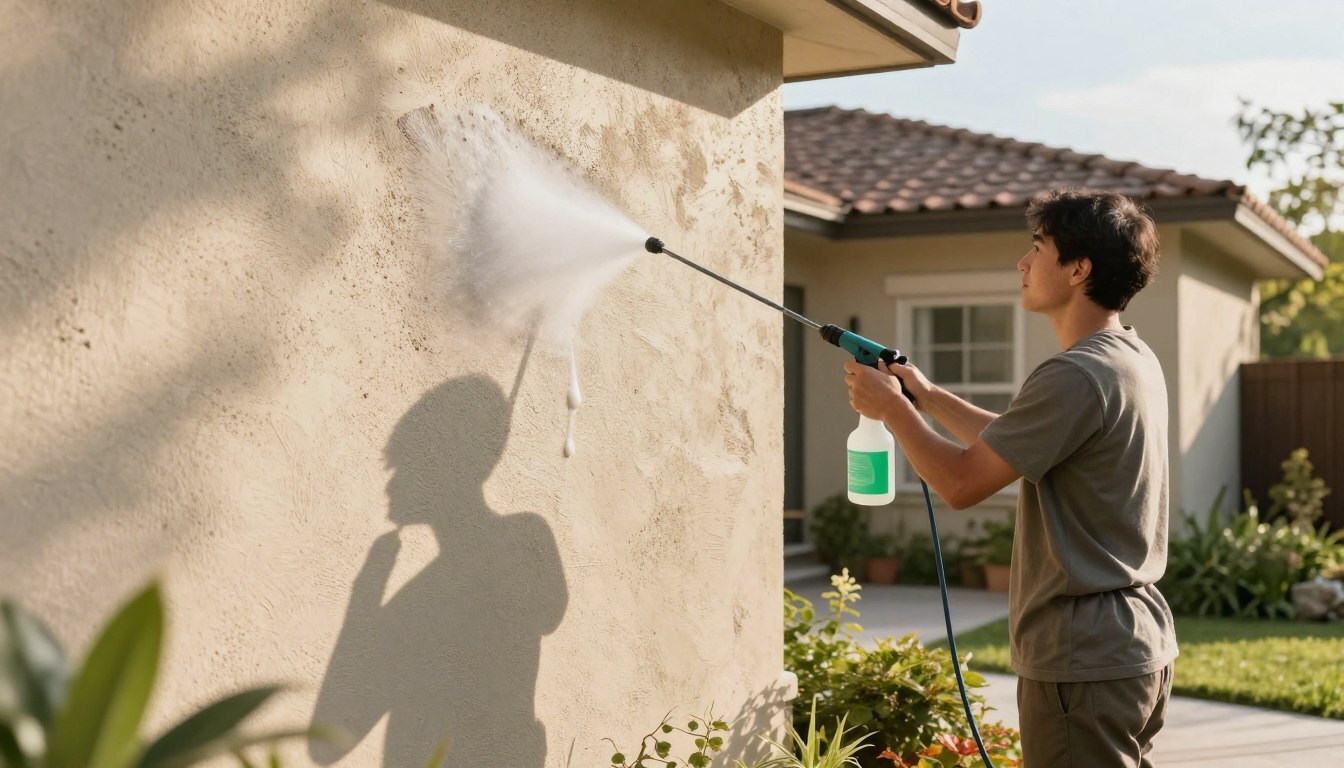
Using a standard power washer on stucco often results in irreversible harm. The force of the water can easily strip away the outer layer, leading to unsightly erosion and a loss of texture. In some cases, high pressure can even dislodge chunks of the finish, creating holes that require expensive repairs.
Beyond surface damage, aggressive stucco cleaning can compromise the structural components of your home. High-pressure streams often blast away the protective caulking around windows and doors. Once these seals are broken, water intrusion becomes a major threat to your home's framing and insulation.
How Soft Washing Protects Stucco Finishes, Seals, and Underlying Walls
Soft washing offers a safer alternative by relying on specialized cleaning solutions rather than raw force. These solutions effectively break down algae, mildew, and dirt at a molecular level. By allowing the chemicals to do the heavy lifting, we can achieve a deep clean without the risks associated with high-pressure equipment.
This method is significantly gentler on your home's delicate seals and trim. By maintaining the integrity of your exterior, you avoid the common pitfalls of water damage and premature aging. Choosing a professional approach ensures your stucco remains both clean and structurally sound for years to come.
How to Clean Stucco Safely Using Soft Wash Methods
Many homeowners struggle with exterior grime, but learning how to clean stucco safely using soft wash methods changes everything. We prioritize the long-term integrity of your home by avoiding the harsh impact of traditional pressure washing. If you have questions about your specific exterior, feel free to call us at (703) 261-8228.
What Soft Washing Does Differently From Power Washing
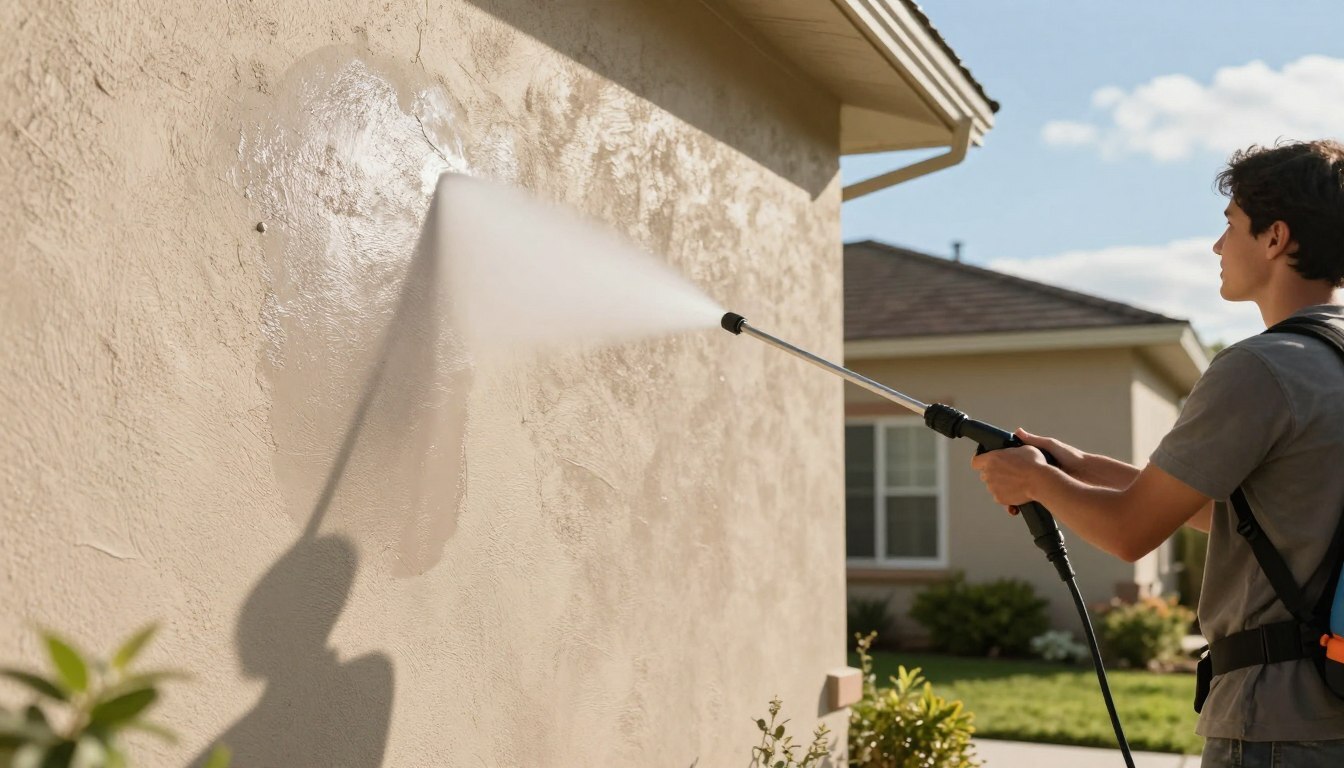
Power washing relies on high-pressure water to blast away dirt, which often causes significant damage to porous surfaces. In contrast, soft wash stucco services utilize a specialized delivery system that applies cleaning agents at a pressure similar to a garden hose. This approach ensures that we clean the surface without etching or pitting the delicate stucco finish.
How Cleaning Solutions Loosen Algae, Mold, Mildew, Dirt, and Stains
Our soft washing techniques rely on biodegradable detergents to do the heavy lifting. These solutions are designed to chemically break down the molecular bonds of organic growth like algae, mold, and mildew. Once the solution penetrates the grime, the contaminants lose their grip on the stucco, allowing them to be rinsed away effortlessly.
"The goal of professional exterior maintenance is to restore the surface without compromising the structural integrity of the building materials."
Why Dwell Time and Low-Pressure Rinsing Matter
Dwell time is the period during which the cleaning solution remains on the surface to work its magic. We carefully monitor this phase to ensure the chemicals have enough time to neutralize stains before they dry. Following this, a gentle, low-pressure rinse removes the loosened residue, leaving the wall clean and undamaged.
Balancing Cleaning Strength With Stucco Safety
Achieving the perfect clean requires a delicate balance between chemical potency and surface protection. We adjust our dilution ratios based on the severity of the staining to ensure we never use more strength than necessary. By mastering these soft washing techniques, we provide a deep clean that keeps your home looking its best while maintaining the safety of your stucco finish.
Inspecting Stucco Before Beginning the Cleaning Process
We prioritize a comprehensive site assessment to ensure your home remains safe during the cleaning process. Taking the time to evaluate the exterior allows us to clean stucco surfaces effectively while avoiding unnecessary risks to your property.
Checking for Cracks, Chips, Holes, and Loose Stucco
Our team begins by walking the perimeter to identify any physical damage to the finish. We look for hairline cracks, larger fissures, or areas where the stucco has begun to chip or pull away from the lath.
Small gaps can easily trap moisture, which leads to further deterioration if left unaddressed. Identifying these spots early is a vital part of proactive stucco maintenance.
Identifying Failed Caulking Around Windows, Doors, and Penetrations
Sealants around windows, doors, and utility penetrations often degrade over time due to sun exposure and temperature changes. We carefully inspect these joints to ensure they are still providing a watertight barrier.
If the caulk is cracked, peeling, or missing, water can bypass the exterior finish during the cleaning process. We note these areas to ensure they are avoided or sealed before we begin.
Looking for Water Intrusion, Efflorescence, and Damaged Flashing
We also scan for signs of water intrusion, such as dark staining or soft spots in the wall. Efflorescence, which appears as a white, powdery salt deposit, often indicates that moisture is moving through the wall system.
Additionally, we check the metal flashing at rooflines and chimneys. Damaged flashing is a common entry point for water, and it must be handled with extreme care to prevent interior damage.
When Pre-Existing Damage Requires Repairs Before Soft Washing
"An ounce of prevention is worth a pound of cure when it comes to protecting the structural integrity of your home's exterior."
If we discover significant damage, we may recommend professional repairs before proceeding. Applying cleaning solutions to compromised areas can force moisture into the wall cavity, leading to mold or structural rot.
Documenting Vulnerable Areas and Protecting Nearby Fixtures
We document every vulnerable spot with photos to ensure our team is fully aware of the property's condition. This allows us to create a customized plan that protects your landscaping, outdoor lighting, and sensitive fixtures.
If you have questions about your home's specific needs, please reach out to us at (703) 261-8228. We are here to help you maintain the beauty and longevity of your home.
Preparing the Work Area, Equipment, and Soft Washing Solutions
Achieving a pristine stucco finish requires more than just water; it demands a strategic approach to preparation. We prioritize safety and precision by organizing our equipment and soft washing solutions before starting any exterior cleaning project. If you have questions about the right approach for your home, feel free to call us at (703) 261-8228.
Choosing a Low-Pressure Soft Wash System and Appropriate Nozzles
We utilize specialized low-pressure pumps that deliver cleaning agents without the force of a traditional pressure washer. Selecting the correct nozzle is vital to ensure the spray pattern remains wide and gentle. This prevents mechanical damage to the delicate stucco surface while ensuring even coverage.
Selecting Stucco-Safe Detergents and Cleaning Agents
The chemistry of your cleaning agent must match the specific needs of your stucco finish. We carefully evaluate the surface to determine whether a bleach-based or non-bleach alternative is appropriate.
Why Chlorine-Based Solutions Require Careful Dilution and Handling
Chlorine-based mixtures are highly effective at killing mold and algae. However, they must be diluted precisely to avoid etching or discoloration. We always handle these chemicals with extreme caution to protect the integrity of the wall.
When Biodegradable Detergents and Specialty Cleaners Are Preferable
In areas with sensitive vegetation or specific staining, we opt for biodegradable detergents or peroxide-based cleaners. These specialty products offer a safer alternative for the environment while still providing a deep, thorough clean.
Protecting Landscaping, Outdoor Furniture, Electrical Components, and Glass
Before applying any chemicals, we take proactive steps to shield your property. We cover nearby plants with plastic sheeting and rinse them thoroughly with fresh water. We also ensure that electrical outlets and glass windows are properly masked to prevent unwanted contact.
Wearing Gloves, Eye Protection, Protective Clothing, and Respiratory Protection
Safety is our top priority during every exterior cleaning task. Our team wears chemical-resistant gloves, safety goggles, and protective clothing to minimize exposure. We also utilize respiratory protection when working with concentrated soft washing solutions to ensure a safe environment for everyone.
Testing the Cleaning Solution on an Inconspicuous Section
We never apply a new mixture to the entire wall without a preliminary test. By applying the solution to a small, hidden area, we can observe how the stucco reacts. This simple step ensures that the product will not cause streaking or damage before we proceed with the full application.
Step-by-Step Soft Wash Stucco Cleaning Procedure
Our team utilizes a proven sequence to revitalize your home's exterior safely. Before you begin, ensure you have completed the necessary steps to prepare your home for professional pressure washing to avoid any potential property damage. By following this structured method, you ensure that your stucco cleaning project remains safe and highly effective.
Step 1: Remove Loose Dirt With a Gentle Preliminary Rinse
We start by applying a light, low-pressure water rinse across the entire surface. This initial step removes loose debris, dust, and cobwebs that might otherwise interfere with the cleaning agents. Consistency is key during this phase to ensure the surface is ready for treatment.
Step 2: Apply the Soft Washing Solution From the Bottom Upward
When applying our specialized soft wash stucco solution, we always work from the bottom of the wall toward the top. This technique prevents "streaking" that occurs when cleaning agents run down over dry, dirty areas. It ensures an even distribution of the solution across the entire facade.
Step 3: Allow the Solution to Work Without Letting the Surface Dry
Dwell time is critical for breaking down biological growth like mold and algae. We monitor the surface closely to ensure the solution remains moist. If the area begins to dry, we apply a light mist of water to keep the chemicals active and effective.
Step 4: Agitate Only Stubborn Stains With a Soft-Bristle Brush
Most stains lift away easily with the solution alone. For particularly stubborn spots, we use a soft-bristle brush to gently agitate the area. We avoid harsh scrubbing to protect the integrity of the stucco finish.
Step 5: Rinse Stucco Thoroughly With Controlled Low Pressure
Once the dwell time is complete, we rinse the wall from the top down. We maintain a controlled, low-pressure flow to wash away the loosened dirt and cleaning agents. This prevents water from being forced behind the stucco, which could lead to moisture issues.
Step 6: Repeat Targeted Treatment Instead of Increasing Water Pressure
If some discoloration remains, we never increase the water pressure. Instead, we perform a second, targeted application of the cleaning solution. This patient approach preserves the surface while achieving a deep, thorough clean.
How to Recognize When the Surface Is Clean Enough
You will know the process is complete when the surface appears uniform in color and free of visible biological growth. If you have questions or need expert assistance, please contact us at (703) 261-8228. We are here to help you maintain your home's beauty.
| Step | Action | Purpose |
|---|---|---|
| 1 | Preliminary Rinse | Remove loose debris |
| 2 | Solution Application | Break down organic growth |
| 3 | Dwell Time | Ensure chemical activation |
| 4 | Final Rinse | Remove residue safely |
Managing Stains, Biological Growth, and Difficult Stucco Discoloration
We often encounter various types of discoloration that demand specific cleaning strategies. When you aim to clean stucco surfaces effectively, identifying the root cause of the mark is the most critical first step. Our team at (703) 261-8228 understands that using the right approach ensures your home remains beautiful without risking structural damage.
Removing Green Algae and Black Mildew Growth
Biological growth thrives in shaded or humid areas of your home. We utilize specialized, eco-friendly solutions that break down the cell walls of algae and mildew. This gentle stucco cleaning process kills the spores at the root, ensuring they do not return immediately after the rinse.
Treating Red Clay, Soil Splashes, and Atmospheric Dirt
Red clay and soil often leave stubborn pigments behind after heavy rain. We apply a surfactant-rich solution that lifts these particles away from the porous texture of the wall. By allowing the solution to dwell, we ensure the dirt releases fully before we perform a low-pressure rinse.
Addressing Rust Marks Without Spreading the Stain
Rust requires a different chemical approach than organic growth. We use targeted acidic cleaners that neutralize the iron oxide without harming the surrounding finish. It is vital to apply these products precisely to avoid spreading the discoloration to clean areas.
Cleaning Efflorescence Without Damaging the Stucco Texture
Efflorescence appears as a white, powdery salt deposit on the surface. We carefully dissolve these minerals using mild, stucco-safe agents. This method preserves the integrity of the finish while restoring the original color of your walls.
Why Oil, Paint, and Deep Discoloration May Need Specialized Treatment
Some stains, such as motor oil, spray paint, or deeply embedded dyes, do not respond to standard detergents. These marks often require professional assessment to determine if a solvent-based cleaner is safe for your specific wall type. Attempting to scrub these deep stains can often result in permanent surface abrasion.
Preventing Streaks, Shadowing, and Uneven Color After Rinsing
Streaking usually occurs when cleaning solutions dry on the surface before they are rinsed away. We always work in manageable sections to keep the wall wet throughout the process. Consistent, even rinsing ensures that you clean stucco surfaces uniformly, leaving behind a refreshed and consistent appearance.
Safety Practices for Stucco, People, Plants, and Property
When we approach the task of cleaning stucco, we must place the safety of our environment and ourselves above all else. Implementing proper soft washing techniques requires a high level of vigilance to ensure that no harm comes to the structure or the surrounding landscape.
Keeping Water and Cleaning Chemicals Away From Openings
We always prioritize sealing off windows, doors, and electrical outlets before starting. Water intrusion can lead to significant interior damage, so we use plastic sheeting and high-quality painter's tape to create a watertight barrier around all vulnerable points.
Preventing Solution Damage to Plants, Lawns, and Outdoor Surfaces
Plants are highly sensitive to the detergents used in our process. We mitigate this risk by thoroughly soaking all nearby vegetation with fresh water before and after the application of any cleaning agents. This dilution process ensures that any overspray does not harm your garden or lawn.
Using Ladders, Extensions, and Elevated Equipment Responsibly
Working at heights demands strict adherence to safety standards. We ensure that all ladders are placed on stable, level ground and utilize stabilizers to prevent contact with the delicate stucco finish. If a task requires reaching extreme heights, we rely on specialized equipment to maintain balance and control.
Weather Conditions That Make Soft Washing Unsafe or Ineffective
Environmental factors play a major role in the success of our work. High winds can cause cleaning solutions to drift onto unintended surfaces, while extreme heat may cause the solution to dry too quickly, potentially leaving streaks. We avoid working during heavy rain, as it prevents our solutions from dwelling on the surface effectively.
"Safety is not just a rule; it is the foundation of every professional project we complete to ensure the longevity of your home's exterior."
Handling Runoff and Disposing of Contaminated Wastewater Responsibly
We take great care to manage the flow of water during the cleaning process. By directing runoff away from storm drains and sensitive soil areas, we minimize our environmental footprint. Our team monitors the path of the water constantly to ensure it remains contained within safe zones.
Stopping Work When Stucco Damage or Unsafe Conditions Appear
If we notice signs of structural compromise, such as deep cracks or loose patches, we stop immediately. Continuing to clean damaged areas can lead to further deterioration. In such cases, we recommend seeking professional stucco cleaning services to address the underlying issues safely. If you have concerns about your home's condition, please contact us at (703) 261-8228 for an expert assessment.
Rinsing, Drying, and Evaluating the Finished Stucco Surface
Achieving a pristine finish requires careful attention to the final rinsing and inspection phases. After you have applied the soft washing solutions, the way you remove the residue determines the long-term success of your project.
Rinsing From the Top Down Without Forcing Water Behind the Finish
Always begin your rinse from the highest point of the wall and work your way down. This gravity-fed approach prevents dirty runoff from streaking clean areas you have already addressed. Crucially, use a low-pressure setting to ensure you do not force water behind the stucco finish or into wall cavities, which could lead to structural moisture issues.
Checking Corners, Trim, Ledges, and Shaded Areas for Residue
Residue often hides in tight corners, window trim, and horizontal ledges where cleaning agents can pool. Take a moment to inspect these areas closely, as leftover chemicals may cause discoloration if left to dry. If you notice similar buildup on other exterior surfaces, you might also want to look for signs your patio needs a pressure wash to maintain a uniform appearance around your property.
Allowing Stucco to Dry Before Judging Color and Stain Removal
It is tempting to evaluate the results while the wall is still wet, but this is often misleading. Stucco colors appear significantly different when saturated with water compared to when they are fully dry. We recommend waiting for the surface to reach a completely dry state before making any final judgments regarding the effectiveness of your stucco maintenance efforts.
Inspecting for Missed Growth, Surface Changes, and Newly Visible Damage
Once the surface is dry, perform a thorough walk-around to identify any missed spots or biological growth that may have survived the initial treatment. Look for any signs of surface changes or damage that were previously hidden by heavy dirt or algae. Identifying these issues early allows you to address them before they escalate into larger problems.
What to Do When Stains Remain After a Safe Cleaning Attempt
If stubborn stains persist, do not be tempted to increase the water pressure, as this can easily damage the stucco texture. Instead, consider a second, targeted application of your cleaning agents to the specific area. If the discoloration remains after a second attempt, it may be time to contact a professional at (703) 261-8228 for an expert evaluation to ensure your home receives the proper care it deserves.
Maintaining Clean Stucco After Soft Washing
Long-term care for your stucco finish is essential to maintain your property's curb appeal and structural integrity. By establishing a consistent routine, you ensure that your home remains protected against the elements while looking its best year-round.
Scheduling Seasonal Inspections and Gentle Exterior Cleaning
We recommend performing a visual inspection of your stucco at least twice a year. Look for signs of dirt buildup or early biological growth, especially after heavy storm seasons.
When you notice light staining, you should know how to clean stucco safely using soft wash methods to prevent buildup from becoming permanent. Regular, light maintenance is far more effective than waiting for heavy grime to accumulate.
Improving Drainage, Ventilation, and Sunlight Around Stucco Walls
Stucco thrives in dry, well-ventilated environments. You can significantly improve the longevity of your finish by managing the area surrounding your home:
- Trim back tree branches to allow sunlight to reach shaded walls.
- Ensure gutters and downspouts direct water away from the foundation.
- Clear away dense shrubs that trap moisture against the stucco surface.
Repairing Cracks and Failed Sealants Before Moisture Enters
Moisture is the primary enemy of a healthy stucco wall. If you find small cracks or gaps in the caulking around windows and doors, address them immediately to prevent water intrusion.
Proper stucco maintenance involves sealing these gaps to keep the wall system dry. Neglecting these small repairs often leads to more expensive structural damage over time.
Reducing Recurring Algae and Mildew Growth Around the Home
If your property is prone to persistent biological growth, you may need to address the root cause. Often, this involves improving airflow or managing nearby organic debris that promotes spores.
For those dealing with persistent issues on roofs or adjacent structures, consider professional services like roof moss removal to stop spores from spreading to your walls. Keeping the entire exterior clean helps reduce the frequency of required treatments.
When to Arrange Professional Stucco Cleaning and Maintenance
While routine care is manageable, some situations require an expert touch. You should contact a specialist if you notice deep-seated stains, extensive efflorescence, or signs of structural cracking that you cannot safely address yourself.
Our team provides professional stucco cleaning to restore your home's appearance without risking damage to the finish. We use specialized equipment to ensure your property receives the care it deserves.
How to Request Professional Guidance at (703) 261-8228
If you are unsure about the condition of your exterior or need help with a difficult cleaning project, please reach out to us. You can request professional stucco cleaning and expert advice by calling our office at (703) 261-8228. We are here to help you maintain a beautiful, long-lasting home exterior.
| Maintenance Task | Frequency | Benefit |
|---|---|---|
| Visual Inspection | Every 6 Months | Early Damage Detection |
| Soft Wash Cleaning | Annually | Prevents Staining |
| Sealant Check | Every 2 Years | Prevents Water Intrusion |
Conclusion
Protecting your property requires a commitment to proper care and attention to detail. Learning how to clean stucco safely using soft wash methods ensures your home remains beautiful without risking structural damage from high-pressure water.
Consistent stucco maintenance prevents long-term issues like moisture intrusion and surface degradation. By prioritizing gentle cleaning techniques, you extend the lifespan of your exterior finish and keep your home looking its best throughout the seasons.
We understand that some situations require expert intervention. If you encounter persistent stains, significant surface damage, or difficult access points, reach out to us for professional stucco cleaning. Our team provides the guidance and support needed to restore your walls effectively.
Call us at (703) 261-8228 to discuss your specific needs. We are ready to help you maintain the integrity and appearance of your stucco surfaces for years to come.
Frequently Asked Questions
How often should we perform stucco cleaning?
We generally recommend gentle stucco cleaning every 2 to 3 years. However, if your home is in a shaded or high-humidity area where algae grows quickly, annual stucco maintenance may be necessary to prevent staining.
Can I use a standard pressure washer for soft wash stucco?
Most homeowners should avoid standard pressure washers. Professional stucco cleaning uses specialized low-pressure pumps. If you must use a pressure washer, use a "black" soap tip (65-degree) and keep the pressure below 500 PSI to ensure you are following soft washing techniques correctly.
Are soft washing solutions safe for my garden?
Yes, provided the proper precautions are taken. We always pre-saturate plants with fresh water and rinse them thoroughly after the exterior cleaning is complete. Using biodegradable detergents like Simple Green also helps minimize environmental impact.
How do we remove white powdery stains from stucco surfaces?
That white powder is called efflorescence. We treat it during stucco maintenance using a specific balance of white vinegar or a mild acidic cleaner, followed by a thorough rinse to clean stucco surfaces without damaging the cement bond.
Why is dwell time important in soft washing techniques?
Dwell time allows the soft washing solutions to chemically break down the "root" of the mold and mildew. This is the key to how to clean stucco safely using soft wash methods, as it eliminates the need for high pressure that could damage the substrate.
What should we do if we find cracks during the cleaning process?
If we find cracks larger than a 1/16th of an inch, we avoid spraying water directly into them. These areas should be repaired with a stucco-compatible sealant like SikaFlex before continuing with any deep exterior cleaning.
Who should we call for professional stucco cleaning guidance?
For expert advice or to schedule a professional service, you can contact us at (703) 261-8228. We have the experience and equipment to handle even the most delicate stucco finishes safely.