CALL NOW TO GET A FREE ESTIMATE->

How to Handle a Moss Emergency After a Major Storm Fast
Severe weather events often leave homeowners facing unexpected property challenges. When high winds, heavy rain, or hail strike, existing growth on your shingles can quickly transform into a critical drainage or leak crisis. Understanding the risks is vital, as the dangers of roof moss often escalate when moisture levels spike during turbulent weather.
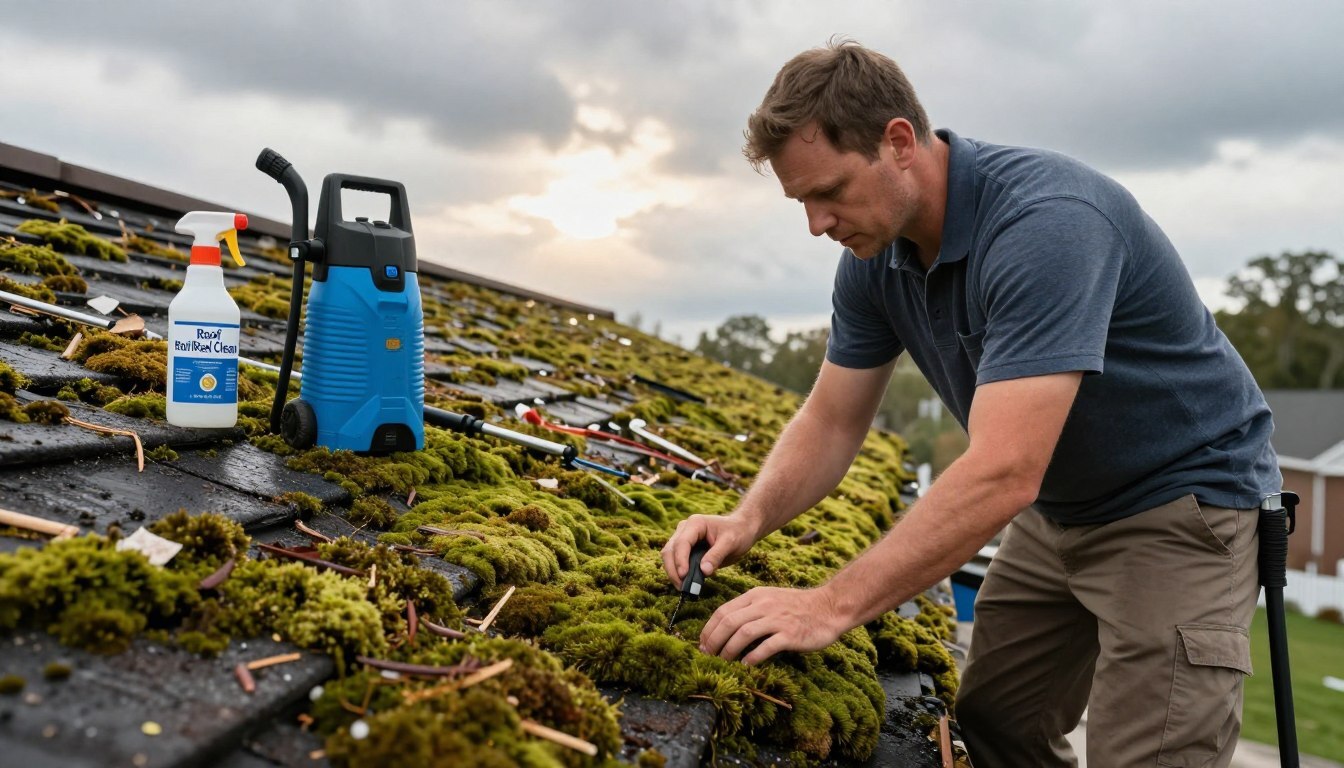
We strongly advise against attempting dangerous repairs while conditions remain unstable, as climbing onto a slick, damaged roof puts your safety at significant risk. Instead, prioritize your well-being and let our experienced professionals assess the structural integrity of your home.
If you find yourself needing immediate assistance, please contact our team at (703) 261-8228 to provide the expert care required to prevent further deterioration and protect your investment.
Key Takeaways
- Severe weather can turn minor moss growth into a major structural emergency.
- Prioritize personal safety by avoiding roof access during or immediately following a storm.
- Excess moisture trapped by moss accelerates shingle decay and potential water leaks.
- Professional assessment is essential to identify hidden damage caused by wind and debris.
- Contact our team at (703) 261-8228 for rapid, safe, and effective roof restoration services.
Storm Risks That Can Turn Existing Moss Into an Emergency
While moss might seem like a minor aesthetic issue, severe weather can transform it into a significant structural threat. When high winds and heavy rain hit your home, the presence of moss changes from a cosmetic concern to a critical safety hazard. Homeowners must recognize these risks early to prevent long-term damage.
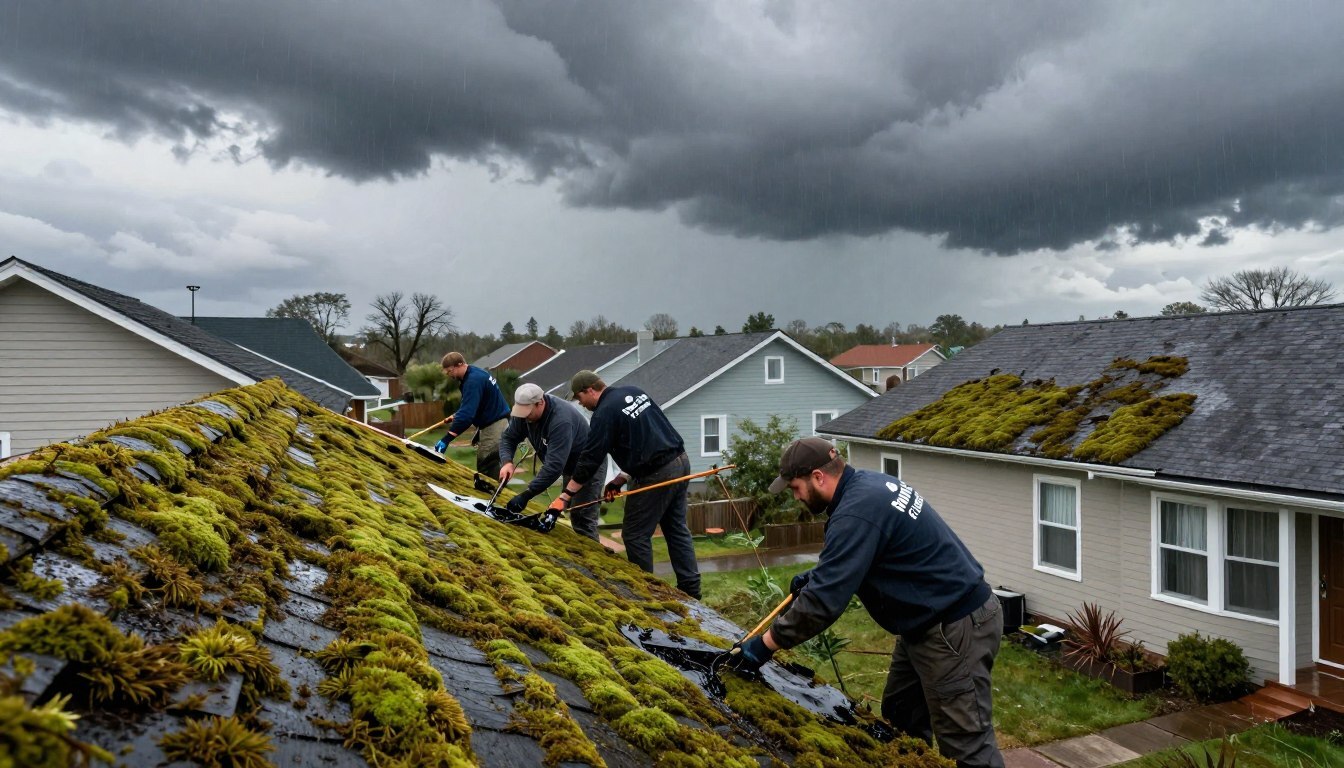
How Wind, Heavy Rain, and Hail Affect Moss-Covered Roofs
Wind-driven rain acts like a wedge when it hits moss-covered surfaces. The moss acts as a sponge, holding moisture against the shingles and forcing water into tiny gaps. During a storm, this added weight and moisture saturation can cause shingles to lift or tear away entirely.
Hail further complicates this by damaging the protective granules on your shingles. When these granules are already compromised by moss, the impact of hail is significantly more destructive, often necessitating a professional moss emergency response to stabilize the roof structure.
Why Saturated Moss Can Loosen Shingles and Block Drainage
Saturated moss adds substantial weight to your roof deck, which is not designed to carry such a load. As the moss expands with water, it physically pushes against the edges of your shingles, weakening the adhesive strips that keep your roof sealed against the elements.
"A roof is only as strong as its weakest point, and moss often creates the very vulnerabilities that storms exploit to cause major leaks."
Furthermore, as moss detaches during heavy wind, it flows directly into your gutter system and creates immediate blockages. When water cannot escape, it backs up under the roofline, leading to rapid interior water damage.
Warning Signs That Require Immediate Moss Emergency Response
You should monitor your roof from the ground for specific indicators of failure. If you notice these signs, it is time to call us at (703) 261-8228 for an expert assessment.
Exposed Roofing Materials, Leaks, and Missing Shingles
Visible gaps where shingles have blown off are a primary indicator of an emergency. If you see exposed felt or wood decking, your home is vulnerable to immediate water intrusion. Prompt action is essential to prevent rot and structural decay within your attic space.
Overflowing Gutters, Falling Debris, and Unsafe Roof Access
Overflowing gutters during a storm often signal that moss and debris have created a dam. Additionally, if you see large branches or debris resting on the moss, do not attempt to climb up yourself—unsafe roof access is a leading cause of injury, and walking on a wet, mossy surface should be strictly avoided.
How to Handle a Moss Emergency After a Major Storm
If a major storm has impacted your home, knowing how to handle a moss emergency after a major storm is essential for your safety and property integrity. When heavy winds and rain strike, moss-covered roofs often become unstable, creating hidden risks that require a calm, systematic approach.
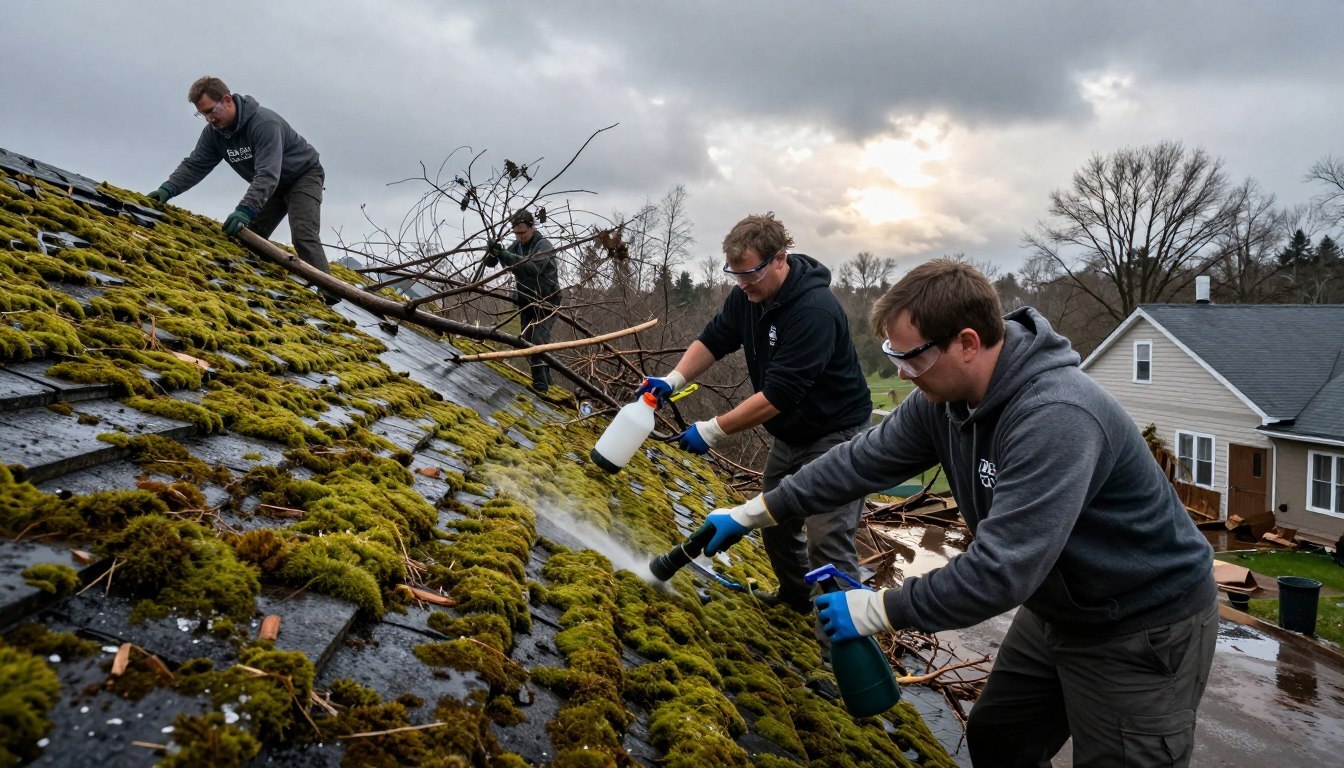
Step One: Keep People Away From the Damaged Area
Your first priority must be the safety of your family and pets. Please avoid walking directly under the roofline, especially if you notice loose shingles or heavy, water-saturated moss clumps hanging from the eaves.
Step Two: Check for Immediate Interior Water Damage
Once the exterior area is secured, carefully inspect your home’s interior for signs of active leaks. Check your ceilings, attic spaces, and walls for damp spots or water stains that may indicate a breach in the roof membrane.
Step Three: Document Visible Roof and Moss Damage From the Ground
Document the condition of your roof using photos or videos taken strictly from the ground. Do not attempt to climb a ladder, as wet moss creates an extremely slippery and dangerous surface.
Step Four: Contact a Professional Emergency Moss Removal Service
After securing the area and documenting the damage, reach out to a qualified emergency moss removal service immediately. You can contact our team at (703) 261-8228 to discuss your situation.
What Information to Provide During the Initial Call
- Your full property address and contact information.
- The approximate time the storm damage occurred.
- A description of visible roof damage, such as missing shingles or displaced moss.
- Any evidence of interior leaks or water intrusion.
- Details regarding property accessibility for equipment.
- Your insurance provider information for documentation purposes.
How We Perform a Safe Post-Storm Roof and Moss Assessment
A safe, systematic evaluation is the first step toward restoring your home after a major weather event. When you reach out to us at (703) 261-8228, we initiate a professional moss removal assessment designed to identify hidden dangers without putting anyone in harm's way.
Inspecting the Roof From a Safe Ground-Level Position
Our technicians utilize high-resolution cameras and specialized optics to scan your roof from the safety of the ground. This method allows us to capture clear images of the entire structure while preventing further damage to weakened shingles or saturated moss layers.
"Safety is not just a protocol; it is the foundation of every successful restoration project." — Industry Safety Standard
Checking Shingles, Flashing, Vents, Valleys, and Roof Edges
We conduct a comprehensive visual sweep of all critical roof components, looking for signs of lifting, cracking, or missing shingles beneath thick moss growth. Our experts also examine flashing around chimneys and vents.
Identifying Storm Debris Embedded in or Beneath Moss
Storms often drive branches, leaves, and other debris deep into existing moss colonies. This trapped material acts like a sponge, holding moisture against your roof deck and accelerating rot.
Determining Whether Emergency Tarping or Roof Repairs Come First
Not every situation requires immediate cleaning; sometimes, structural stabilization is the priority. We evaluate the severity of the damage to decide if your home needs an emergency tarp to prevent active leaks.
| Condition | Urgency Level | Recommended Action |
|---|---|---|
| Active Interior Leaks | Critical | Emergency Tarping |
| Structural Damage | High | Professional Repair |
| Heavy Moss/Debris | Moderate | Professional Moss Removal |
Emergency Safety Measures Before Moss Removal Begins
Before starting any emergency storm cleanup, prioritize personal safety above all else. Avoid attempting repairs on your own when the structural integrity of your roof is in question.
Why Homeowners Should Avoid Climbing Onto a Wet, Damaged Roof
A roof covered in wet moss becomes an extremely slippery hazard after a storm. The combination of moisture and loose shingles creates a high risk of dangerous falls.
Managing Downed Branches, Electrical Hazards, and Unstable Debris
Storms often leave behind dangerous debris, including heavy branches and live electrical wires. Never attempt to move materials near power lines; call your local utility provider immediately if downed wires are present.
Protecting Attics, Ceilings, and Belongings From Active Leaks
If water enters your home, minimize interior damage by moving valuables to a dry location and using containers to catch dripping water.
Temporary Leak-Control Measures for the First Several Hours
Plastic sheeting or heavy-duty tarps can cover damaged areas if accessible safely from the ground. Focus strictly on containment until professional assistance arrives.
When to Contact Emergency Services Before a Roofing Professional
If you smell gas, see sparking wires, or notice significant structural sagging, contact emergency services right away before reaching out for roofing cleanup.
Removing Storm Debris Without Causing Additional Roof Damage
Every emergency storm cleanup must be performed carefully so that moss removal clears the area without compromising fragile shingles or the roof structure.
Separating Loose Branches, Leaves, and Windblown Materials From Moss
Identify what is loose versus embedded by carefully lifting branches and leaves by hand, avoiding dragging them across the mossy surface.
Why Rakes, Pressure Washers, and Sharp Tools Can Damage Shingles
Aggressive tools like metal rakes strip protective granules, while high-pressure washers force water underneath roofing materials, causing hidden moisture damage.
"A roof is a complex system of layers; treating it with harsh tools during a crisis often creates more problems than the storm itself."
Collecting Debris Safely for Storm Damage Restoration
Using soft-bristled brushes and manual collection methods ensures no additional stress is placed on the roof deck during storm debris cleanup.
Checking Gutters and Downspouts for Moss and Storm Blockages
Storms wash moss into gutters, creating clogs. When water cannot flow freely, pooling runoff causes rapid saturation and foundation damage.
| Tool Type | Risk Level | Impact on Shingles |
|---|---|---|
| Metal Rake | High | Strips granules and tears shingles |
| Pressure Washer | Critical | Forces water under shingles |
| Soft Brush | Low | Safe for surface debris |
| Manual Removal | Minimal | Best for delicate moss areas |
Professional Moss Removal Steps for Storm-Damaged Roofs
When your roof faces storm damage and moss growth, choosing professional moss removal ensures gentle, effective care that protects against moisture intrusion.
Loosening Moss Without Stripping Granules From Shingles
Specialized techniques lift moss away without stripping protective granules, maintaining the structural integrity of your roofing material through controlled loosening.
Removing Moss From Roof Edges, Valleys, and Shaded Sections
Clearing shaded valleys and roof edges ensures water flows freely toward gutters and reduces the risk of shingle rot.
Treating Remaining Moss Growth With Roof-Safe Products
Applying eco-friendly, roof-safe treatments neutralizes remaining spores to prevent rapid regrowth without harming surrounding landscaping.
Cleaning Up Detached Moss and Contaminated Storm Debris
Thorough cleanup removes all detached moss and windblown materials to keep drainage systems fully clear.
Why Moss Removal Should Be Coordinated With Roof Repairs
Synchronizing professional moss removal with structural repairs prevents hidden defects from being overlooked.
| Service Feature | Manual Removal | Professional Service |
|---|---|---|
| Granule Protection | Low | High |
| Debris Disposal | Homeowner | Included |
| Safety Standards | Variable | Certified |
| Repair Coordination | None | Integrated |
When Storm Damage Restoration Must Come Before Moss Treatment
Structural failures pose a immediate threat to your home. Essential storm damage restoration must take priority before addressing surface moss.
Repairing Missing, Cracked, Lifted, or Waterlogged Shingles
High winds expose roof decking to direct water penetration. Waterlogged shingles lose protective granules and fail to shed water, causing rapid leaks.
Addressing Damaged Flashing, Chimneys, Skylights, and Vents
Compromised flashing around chimneys, skylights, and vents lets water bypass shingles entirely. Repairing metal seals prevents deeper decay.
Preventing Hidden Moisture From Spreading Into the Attic
Sealing roof breaches protects attic insulation, framing, and personal belongings from mold growth and wood rot.
Coordinating Emergency Repairs With Insurance Documentation
Documenting technical findings helps streamline insurance claims during storm restoration.
Photographs, Inspection Notes, Receipts, and Contractor Records
- Clear photographs of visible roof damage from multiple angles.
- Detailed inspection notes detailing storm impact.
- Receipts for emergency tarping or temporary repairs.
- Contractor records specifying the complete scope of work.
Moss Removal Tips for Preventing Another Roof Emergency
Following proactive moss removal tips reduces the likelihood of future roofing emergencies.
Improving Sunlight and Airflow Around Moss-Prone Roof Areas
Moss thrives in damp, dark environments. Thinning out dense vegetation increases sunlight and airflow, helping shingles dry rapidly after storms.
Keeping Gutters, Downspouts, and Roof Valleys Clear
Regularly clearing gutters and valleys keeps water flowing freely away from the home, forming a cornerstone of post-storm moss management.
Trimming Overhanging Branches Before the Next Major Storm
Trimming limbs removes shade while preventing heavy branches from falling onto shingles during high winds.
Scheduling Routine Roof Inspections After Severe Weather
Post-storm inspections identify loose shingles and early moss regrowth before issues turn costly.
Choosing Professional Help for Emergency Storm Cleanup
Selecting an experienced team for storm aftermath cleanup prevents long-term structural issues.
What to Look for in a Qualified Moss Removal and Restoration Team
Prioritize providers with proven roofing experience, full insurance coverage, and formal safety training for working on wet, steep surfaces.
Questions About Safety Procedures, Roof Experience, and Cleanup
Ask potential contractors about their stabilization techniques, eco-friendly treatment products, and plans for protecting interior spaces.
Why Fast Response Should Still Include a Detailed Assessment
A methodical inspection ensures hidden structural issues or trapped moisture are fully identified before repairs begin.
Costs, Timing, and Priorities During an Emergency Moss Response
Understanding service factors helps homeowners prioritize care during a roof crisis.
Factors That Affect Emergency Moss Removal Service Pricing
Roof size, pitch steepness, moss density, debris volume, and equipment access determine overall labor costs.
How Roof Size, Accessibility, Damage, and Debris Change the Timeline
Complex damage and heavy debris require careful stabilization, adjusting project length to ensure complete safety.
Separating Urgent Stabilization From Nonessential Maintenance
Focusing on stopping leaks and clearing heavy debris takes priority over minor cosmetic cleaning.
| Service Category | Priority Level | Primary Goal |
|---|---|---|
| Active Leak Mitigation | Critical | Stop water damage |
| Debris Removal | High | Prevent structural stress |
| Moss Treatment | Moderate | Long-term roof health |
| Gutter Cleaning | Moderate | Ensure proper drainage |
Conclusion
Managing your roof integrity requires a proactive mindset when severe weather strikes. Knowing how to handle a moss emergency after a major storm involves prioritizing safety, documenting damage, and stopping active leaks promptly.
Once emergency repairs are complete, ongoing post-storm moss management protects your investment for years to come. Reach out to our team at (703) 261-8228 to schedule a professional evaluation.
Preguntas Frecuentes (FAQ)
You need an emergency moss removal service if water backs up behind moss, gutters overflow, or moss lifts shingles during high winds.
Yes, storm debris cleanup is typically integrated with moss removal to eliminate trapped moisture.
Stay off the roof, document damage from ground level, keep downspouts clear, and avoid high-pressure washers.
Detailed contractor documentation helps show how storm conditions exacerbated existing roof vulnerabilities.
Most treatments take 4 to 8 hours, though structural stabilization may extend project time.
It eliminates the "sponge effect," preventing trapped water from causing deck rot or mold.
Focus on interior leak containment until weather permits safe technician intervention; call (703) 261-8228 for rapid scheduling.
© 2026 All Rights Reserved