CALL NOW TO GET A FREE ESTIMATE->

How to Remove Rust Stains from Concrete Sidewalks Easily
Maintaining the pristine appearance of your property represents a significant investment in your home's future. We understand that unsightly oxidation marks can be a source of genuine frustration for any dedicated homeowner.
Sidewalk rust removal requires more than just a quick scrub; it demands a scientific approach to ensure the integrity of your surfaces remains intact. Our team utilizes manufacturer-approved cleaning practices designed to restore your exterior while protecting it against further degradation.
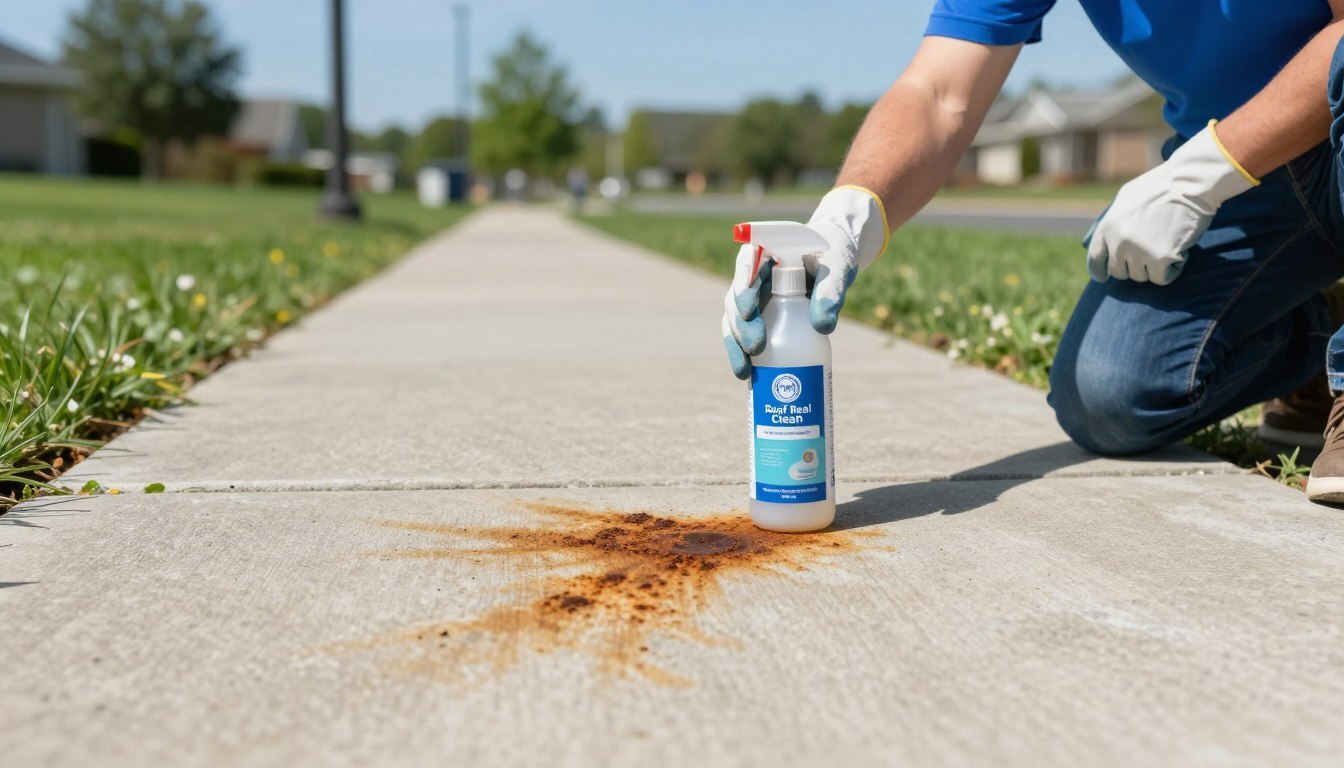
If you require immediate assistance or expert guidance, please contact our team at (703) 261-8228 to discuss your specific property needs. We aim to empower you with the knowledge necessary to preserve your home's value through proven, professional techniques. Learning how to remove rust stains from concrete sidewalks effectively is the first step toward long-term property health.
Key Takeaways
- Professional cleaning methods protect your property's long-term market value.
- Science-based solutions prevent permanent damage to porous surfaces.
- Manufacturer-approved practices ensure safe and effective results.
- Expert guidance helps homeowners avoid harsh, damaging chemical treatments.
- Contacting specialists at (703) 261-8228 provides tailored solutions for your home.
Understanding Why Rust Forms on Concrete Surfaces
We often overlook the chemical processes occurring right beneath our feet on our driveways and sidewalks. While these areas seem solid, they are actually porous structures that interact constantly with the environment. Removing rust from outdoor surfaces requires a clear grasp of how these stubborn stains originate.
Common Sources of Iron Oxide Stains
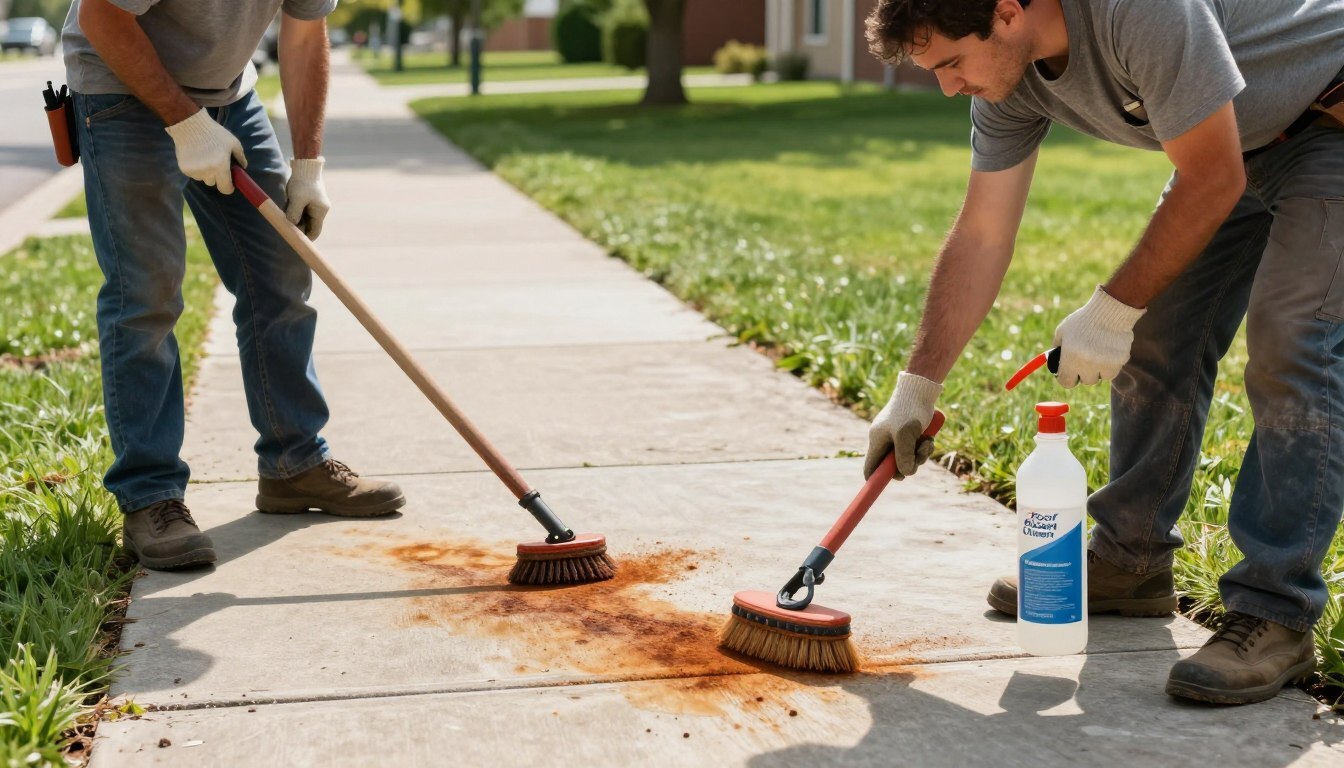
Many homeowners are surprised to learn that their irrigation systems are frequent culprits. Iron-rich well water is a primary source of these unsightly orange and brown marks. When this water hits your concrete, the iron particles settle into the tiny pores of the material.
Beyond water sources, metal objects left in the elements contribute significantly to the problem. Outdoor furniture, metal planters, and even lawn equipment can leave behind iron oxide deposits. Once these items sit on damp concrete, the oxidation process accelerates, leaving behind deep-set discoloration that is difficult to remove.
Chemical Reactions Between Metal and Concrete
The relationship between metal and concrete is fundamentally chemical. When iron particles are exposed to oxygen and moisture, they undergo a transformation known as oxidation. This reaction creates the reddish-brown compound we recognize as rust.
Because concrete is highly porous, these iron particles do not just sit on the surface. They penetrate deep into the matrix of the slab, making the task of removing rust from outdoor surfaces much more complex than simple scrubbing. Standard household cleaners often fail because they cannot reach the iron trapped deep within the concrete pores.
By understanding this chemical nature, we can better protect your investment from the damaging effects of oxidation. We focus on science-based methods to ensure that removing rust from outdoor surfaces is done effectively without compromising the integrity of your property. Proper knowledge is your best defense against recurring stains.
Safety Precautions Before Starting Your Cleaning Project
Cleaning concrete requires more than just a brush; it demands a commitment to safety and environmental stewardship. Before we apply any solutions to your sidewalk, we must ensure that the process protects both your health and the integrity of your property.
It is vital to note that not all cleaning agents are suitable for rust. You must avoid bleach-based cleaners at all costs, as they can chemically react with iron oxide to make the stains significantly worse and much harder to remove.
Protective Gear Requirements
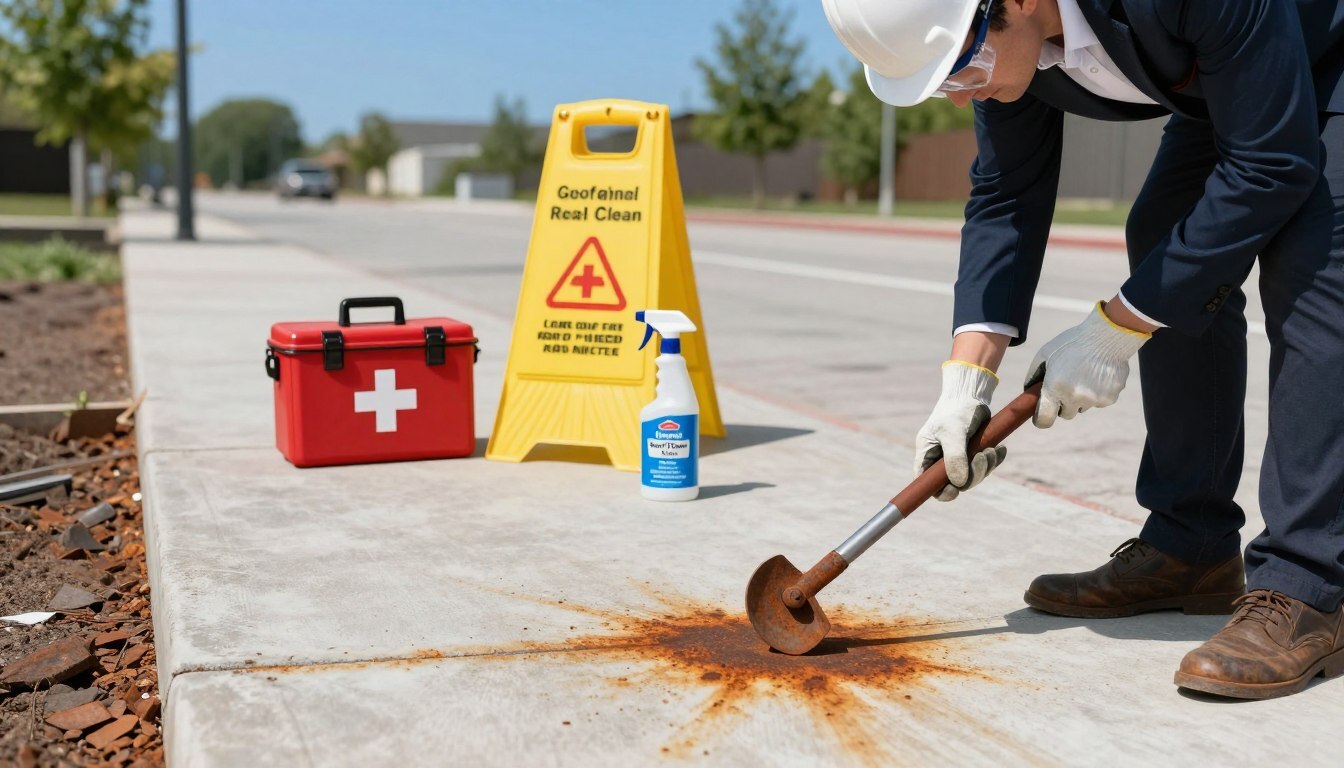
Because effective rust removal often involves acidic solutions, we prioritize the use of proper protective equipment. We recommend wearing chemical-resistant gloves and safety goggles to shield your skin and eyes from potential splashes.
Long sleeves and pants are also highly recommended to minimize skin exposure during the application process. By taking these simple steps, we ensure that your maintenance project remains a safe experience for everyone involved.
Environmental Considerations for Runoff
We must also consider the environmental impact of the cleaning agents we use. Runoff from your sidewalk can easily migrate into your lawn or local storm drains, potentially harming sensitive plants or water systems.
To mitigate these risks, we suggest pre-wetting the surrounding vegetation with fresh water to create a protective barrier. Responsible cleaning means we manage the flow of our solutions carefully, ensuring that our efforts to improve your home do not negatively affect the surrounding ecosystem.
How to Remove Rust Stains from Concrete Sidewalks
We understand that unsightly rust marks can diminish your home's curb appeal, but they are manageable with the right techniques. Learning how to remove rust stains from concrete sidewalks requires a systematic approach that prioritizes both the integrity of your masonry and the effectiveness of the treatment. By following a professional process, you can restore your property's aesthetic value without causing long-term damage.
Preparing the Surface for Treatment
Before applying any chemical agent, you must clear the area of loose debris, dirt, and organic matter. A clean surface allows the cleaning solution to penetrate the concrete pores directly where the iron oxide has settled. We recommend sweeping the sidewalk thoroughly and rinsing it with water to ensure the surface is free of surface-level contaminants.
Allow the concrete to dry slightly if the manufacturer instructions for your chosen product specify a dry application. Proper preparation prevents the dilution of your cleaning agents, ensuring they remain potent enough to break the chemical bond of the rust.
Applying Commercial Rust Removers
When dealing with stubborn, deep-set stains, specialized products often provide the most reliable results. For instance, Whink Rust Stain Remover Foaming Spray is specifically formulated to dissolve rust on concrete without etching or damaging the surrounding surface. This product is a staple among professionals because it targets the iron oxide while remaining gentle on the cement matrix.
Always apply these concrete cleaning solutions according to the manufacturer's guidelines to avoid surface discoloration. We suggest testing the product on a small, inconspicuous area first to confirm how your specific concrete reacts. Consistent application ensures that the rust is safely lifted rather than pushed deeper into the porous material.
Using Natural Acidic Solutions
For lighter or more recent stains, natural acidic alternatives can be highly effective. These solutions work by lowering the pH level of the stain, which helps to loosen the iron particles from the concrete surface. While these methods are accessible, they require careful monitoring to ensure the acid does not remain on the concrete for too long.
| Cleaning Method | Best For | Application Type | Safety Level |
|---|---|---|---|
| Commercial Foaming Spray | Deep-set rust | Direct Spray | High (with PPE) |
| Oxalic Acid | Stubborn stains | Liquid Solution | Moderate |
| Natural Acidic Mix | Surface rust | Scrubbing | Low |
Regardless of the method you choose, patience is essential during the cleaning process. We encourage you to work in small sections to maintain control over the reaction time. This methodical approach guarantees that your sidewalk remains structurally sound while achieving a professional-grade finish.
Evaluating the Best Rust Removal Methods for Your Sidewalk
We often find that homeowners struggle to identify the best rust removal methods for their unique sidewalk issues. Selecting the right approach for rust stain removal requires a careful look at your specific concrete conditions and the age of the discoloration.
Comparing Liquid Versus Powder Cleaners
Commercial cleaners are widely available at local hardware stores, but they generally come in two distinct forms. Understanding how these products interact with iron oxide is essential for effective maintenance.
- Liquid cleaners: These are often easier to apply to vertical surfaces or large areas. They penetrate the concrete matrix quickly to dissolve surface-level oxidation.
- Powder cleaners: These typically require mixing with water to create a paste. They are often more effective for deep-set stains because they allow for a longer dwell time on the affected area.
When to Use Professional-Grade Solutions
While DIY options work for minor blemishes, some situations demand a more robust intervention. We recommend transitioning to professional-grade solutions when you encounter extensive or deeply embedded iron oxide deposits that standard retail products cannot lift.
These industrial-strength formulas contain higher concentrations of active ingredients designed to break down stubborn chemical bonds without damaging the structural integrity of your concrete. Professional rust stain removal ensures that your investment remains protected from the harsh, abrasive scrubbing that often leads to permanent surface wear. By choosing the right concentration, you save significant time and prevent unnecessary damage to your property.
Step-by-Step Guide to Using Oxalic Acid
We often turn to oxalic acid as our primary tool for tackling the most persistent iron oxide stains on concrete. This compound is a staple in professional rust stain removal because it effectively breaks down the chemical bonds that hold rust to your sidewalk. By following a structured approach, you can achieve professional-grade results while keeping your property safe.
Mixing Ratios for Effective Cleaning
Precision is vital when working with acidic solutions to ensure you do not damage the concrete surface. We recommend starting with a ratio of one part oxalic acid crystals to ten parts warm water. Always add the acid to the water, rather than the other way around, to prevent splashing.
Application Techniques for Stubborn Stains
Once your solution is mixed, apply it evenly to the affected area using a plastic sprayer or a stiff-bristled brush. Allow the mixture to dwell on the surface for five to ten minutes, but do not let it dry out completely. For deep-set stains, use a nylon brush to agitate the solution, which helps the acid penetrate the porous concrete structure for better rust stain removal.
Neutralizing the Acid After Treatment
After the rust has lifted, you must neutralize the area to stop the chemical reaction. We suggest using a mixture of baking soda and water to balance the pH levels of the concrete. This final step is essential to protect the integrity of your sidewalk and prevent future discoloration.
| Process Step | Action Required | Safety Priority |
|---|---|---|
| Preparation | Mix acid and water | Wear gloves and goggles |
| Application | Apply and scrub | Avoid skin contact |
| Neutralization | Apply baking soda | Ensure full coverage |
| Rinsing | Flush with water | Prevent runoff damage |
Alternative DIY Rust Stain Cleaning Solutions
Many homeowners find that effective concrete stain cleaning can be achieved with simple ingredients found right in their kitchen pantry. While deep-set oxidation often requires professional intervention, light surface discoloration frequently responds well to mild, natural acidic treatments. We believe in empowering you with the knowledge to maintain your property investment safely and affordably.
Using White Vinegar and Baking Soda
The combination of white vinegar and baking soda creates a gentle chemical reaction that can help lift minor rust particles from porous concrete. Vinegar provides the necessary acidity to break down iron oxide, while the baking soda acts as a mild abrasive to assist in the physical removal of the stain. Patience is key when using this method, as the solution requires time to penetrate the surface effectively.
To apply this mixture, create a thick paste by combining the two ingredients and spreading it directly over the affected area. Allow the paste to sit for approximately thirty minutes before scrubbing the spot with a stiff-bristled nylon brush. We always suggest rinsing the area thoroughly with clean water afterward to ensure no residue remains on the concrete.
The Effectiveness of Lemon Juice and Salt
For those seeking practical DIY rust removal tips, lemon juice and salt offer another reliable approach for light maintenance. The citric acid found in fresh lemon juice works to dissolve the rust, while the coarse texture of the salt provides the mechanical friction needed to dislodge the stain from the concrete pores.
Simply sprinkle a generous amount of salt over the rust stain and squeeze fresh lemon juice directly onto the area until it is saturated. Let the mixture sit for about fifteen to twenty minutes, ensuring it does not dry out completely. After the dwell time, scrub the area firmly and rinse it well to reveal a cleaner surface.
While these natural methods are excellent for light upkeep, they are not a substitute for industrial-grade solutions when dealing with severe or widespread oxidation. We encourage you to use these DIY rust removal tips as a first line of defense for minor blemishes. If the stain persists despite your best efforts, it may be time to consult with professionals who have access to specialized equipment.
Advanced Techniques for Deep-Set Concrete Stains
We often find that the most persistent rust stains demand a specialized, multi-layered cleaning process. When discoloration has penetrated deep into the porous surface of your walkway, simple surface treatments may not be enough to restore the original appearance. Effective concrete stain cleaning requires a strategic combination of chemical application and physical agitation.
Utilizing Pressure Washing Equipment
Pressure washing serves as a highly effective solution for large areas or heavily stained concrete surfaces. Once you have applied your chosen cleaning agent, the high-pressure water stream helps to blast away loosened rust particles that remain trapped in the concrete pores. This step is vital for achieving a uniform finish across your entire driveway or sidewalk.
When operating this equipment, we recommend maintaining a consistent distance to avoid etching the concrete surface. Using a fan-tip nozzle provides the best coverage while minimizing the risk of damage to the aggregate. These DIY rust removal tips are designed to help you achieve professional-grade results safely.
Mechanical Scrubbing Tools and Brushes
Sometimes, the chemical reaction needs a little extra help to reach the deepest layers of the stain. We suggest using stiff-bristled brushes to physically lift the rust particles after the cleaning solution has dwelled on the surface. This mechanical action ensures that the chemicals can work more efficiently on the remaining residue.
To maximize your success, consider the following tools for your project:
- Nylon-bristle brushes: Ideal for scrubbing without scratching the concrete finish.
- Wire brushes: Use these only for extremely stubborn, localized spots on durable concrete.
- Long-handled scrubbers: These allow you to apply consistent pressure while standing comfortably.
By integrating these mechanical methods into your routine, you significantly improve the outcome of your concrete stain cleaning efforts. Combining these physical tools with reliable DIY rust removal tips ensures that your property remains in top condition for years to come.
Rust Stain Prevention Techniques for Outdoor Surfaces
We believe that stopping stains before they start is the smartest way to care for your home. While we are experts at removing rust from outdoor surfaces, we prefer to help you avoid the problem entirely. Proactive maintenance is far more cost-effective than repeated cleaning and helps preserve the long-term value of your property investment.
Sealing Concrete to Prevent Moisture Penetration
Applying a high-quality concrete sealer is one of the most effective rust stain prevention techniques available to homeowners. A professional-grade sealer creates a durable, invisible barrier that stops moisture from soaking into the porous surface of your sidewalk. By blocking water, you also prevent iron-rich minerals from settling deep into the concrete where they can cause permanent discoloration.
We recommend choosing a penetrating sealer that allows the concrete to breathe while still repelling liquids. This simple step ensures that rain and irrigation water bead up on the surface rather than penetrating the slab. Consistent sealing keeps your walkways looking fresh and significantly reduces the risk of future oxidation.
Managing Metal Furniture and Planters
Outdoor decor often serves as the hidden culprit behind stubborn concrete stains. Metal furniture, wrought iron planters, and even metal-bottomed pots can leave lasting marks when they sit directly on damp concrete. We suggest using protective rubber or plastic pads under the legs of all metal items to create a necessary buffer.
If you prefer not to use pads, try moving your metal items regularly to prevent moisture from trapping underneath them. Keeping these surfaces dry and elevated is a simple habit that protects your concrete from unnecessary contact with corrosive materials. You can easily maintain the beauty of your outdoor spaces by following the comparison guide below.
| Prevention Method | Primary Benefit | Maintenance Frequency |
|---|---|---|
| Concrete Sealing | Blocks moisture absorption | Every 2-3 years |
| Protective Pads | Prevents metal-to-concrete contact | Check seasonally |
| Regular Relocation | Reduces trapped moisture | Monthly or after rain |
Common Mistakes to Avoid During Concrete Cleaning
Protecting your concrete sidewalk starts with recognizing the mistakes that lead to permanent surface degradation. We believe that informed homeowners are the best stewards of their property, and understanding the risks of improper maintenance is essential for long-term success.
Avoiding Harsh Chemicals That Damage Concrete
Many people mistakenly believe that the strongest acid is the best tool for the job. However, using overly aggressive concrete cleaning solutions can etch the surface of your sidewalk, leading to long-term structural degradation.
When you apply chemicals that are too harsh, you increase the porosity of the concrete. This makes the material significantly more vulnerable to future damage and deep-set staining. Always prioritize manufacturer-approved methods to ensure the health of your investment.
— Benjamin Franklin
The Dangers of Over-Scrubbing
It is natural to want to scrub away a stubborn stain with maximum force, but this approach often backfires. Excessive mechanical force can strip away the protective top layer of your concrete, which is vital for its durability.
Once this protective barrier is compromised, the surface becomes a magnet for dirt and moisture. Implementing proper rust stain prevention techniques is far more effective than relying on brute force during your cleaning routine.
We encourage you to use gentle, consistent methods rather than aggressive scrubbing. By avoiding these common pitfalls, you ensure that your property remains beautiful and resilient for years to come.
When to Call Professionals for Expert Advice
Recognizing when your sidewalk rust removal project has exceeded the limits of household supplies is a vital skill for any homeowner. While many surface blemishes respond well to basic cleaning, certain situations demand a higher level of technical intervention to avoid permanent damage to your concrete.
Identifying When Stains Require Industrial Equipment
Deep-set, industrial-scale rust stains often penetrate far below the surface of the concrete. Household methods frequently fail to reach these depths, leaving you with frustrating, lingering discoloration that detracts from your home's curb appeal.
If you notice that your cleaning efforts are not yielding results, or if the stain covers a large area, it is time to seek a professional assessment. We utilize industrial-grade tools and manufacturer-approved cleaning agents to safely restore your surfaces without the risk of etching or chemical burns.
Contacting Experts at (703) 261-8228
We understand that your property is a significant investment, and we are here to help you protect its long-term value. When you choose to reach out to our team, you gain access to specialized expertise that ensures your sidewalk rust removal is handled with precision and care.
Do not let stubborn stains compromise the beauty of your home any longer. Please contact our experts at (703) 261-8228 to discuss your specific needs. Relying on our professional services ensures that your property receives the high-quality care it deserves, preserving its integrity for years to come.
Conclusion
Maintaining your concrete sidewalks serves as a vital step in protecting your home's overall value and curb appeal. We believe that a clean exterior reflects the care you invest in your property health.
You now possess the knowledge to identify stains and select the best rust removal methods for your specific needs. Implementing these science-based techniques ensures your investment remains beautiful and resilient for many years.
Our team remains available at (703) 261-8228 to provide expert guidance whenever you face stubborn surface challenges. We act as your dedicated partner in property maintenance, helping you avoid damaging practices while achieving professional results.
Reach out to us to discuss your specific sidewalk concerns. We look forward to helping you keep your home in top condition through our proven, manufacturer-approved cleaning standards.
FAQ
The most effective and safest method is using an acid-based cleaner specifically designed for masonry, such as F9 BARC. Unlike bleach, these products dissolve the iron oxide bonds without stripping the protective "cream" layer of the concrete, provided you follow the manufacturer's dwell time instructions.
For minor spots, we recommend applying undiluted white vinegar or lemon juice and letting it sit for at least 10 to 20 minutes. Scrubbing with a stiff synthetic brush and rinsing thoroughly can often handle surface-level sidewalk rust removal without the need for harsh chemicals.
Bleach is a powerful oxidizer, which is exactly what creates rust in the first place. Applying bleach to iron oxide can cause a chemical reaction that makes the orange stain darker and more permanent. Always opt for acidic concrete cleaning solutions instead of alkaline ones like bleach for mineral stains.
The single best prevention step we recommend is applying a high-quality penetrating sealer like Foundation Armor. This blocks the pores of the concrete, preventing iron-rich well water from penetrating the surface. Additionally, ensure that fertilizer granules are swept off the concrete immediately, as they often contain iron that stains when wet.
Pressure washing is an excellent secondary step. We suggest applying a rust-dissolving chemical first to break the bond, then using a pressure washer with a wide-angle nozzle to flush the pores. This combination is far more effective for concrete stain cleaning than using water pressure alone.
It depends on the source. If the stain is from a battery leak, you need a professional-grade restorer. If it is from a flower pot, a simple DIY vinegar soak may work. For large areas, we recommend liquid professional cleaners over powders for more even coverage and better penetration into the concrete matrix.
© 2026 All Rights Reserved