CALL NOW TO GET A FREE ESTIMATE->

Protect Your Investment The Secret to a Streak-Free Concrete Clean
Your driveway and walkways represent more than just paths; they are vital components of your home's curb appeal. Many homeowners overlook that masonry acts like a sponge. Because it is porous, oil, moisture, and dirt settle deep inside rather than sitting on top.
Neglecting these surfaces allows contaminants to degrade your property value over time. We believe in using science-based methods to restore your exterior surfaces safely. Finding the secret to a streak-free concrete clean requires understanding how specific solutions interact with mineral substrates.
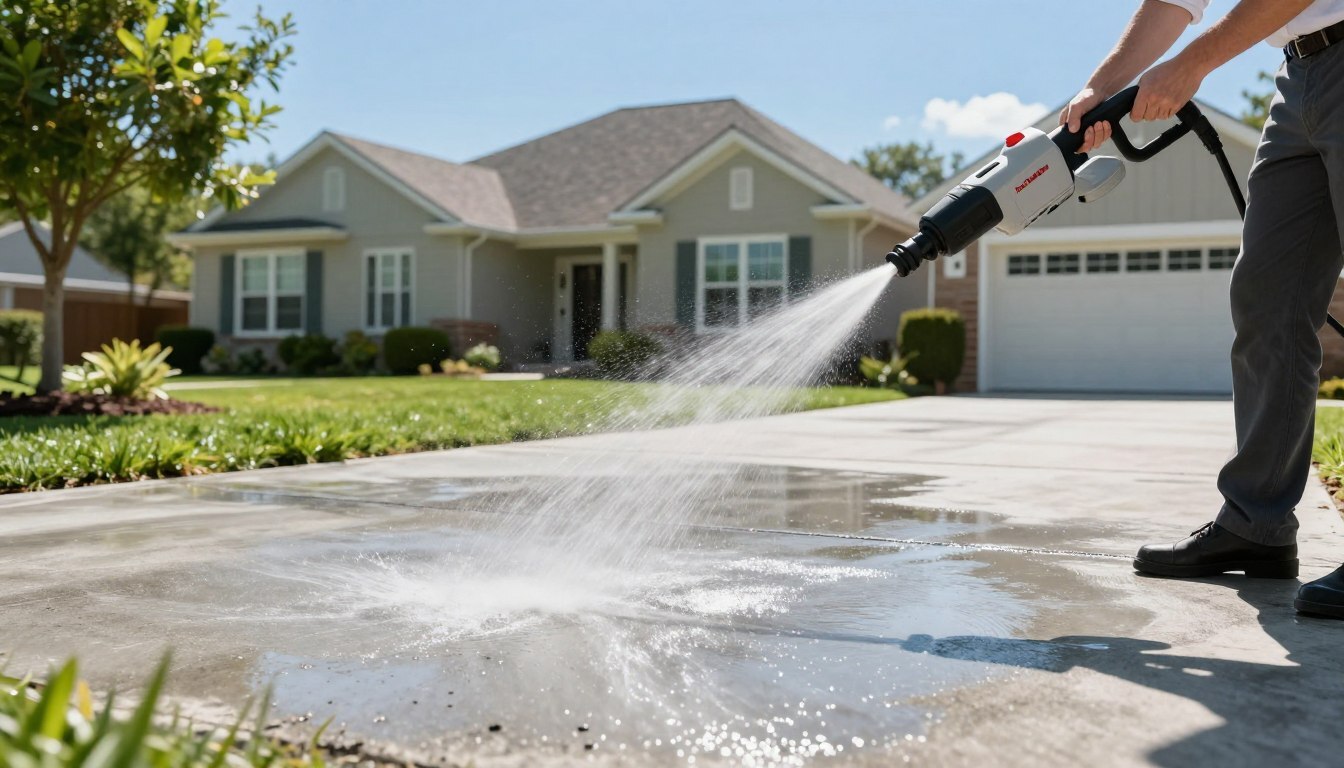
Using the best way to clean concrete prevents long-term damage caused by harsh pressure washing. Our team utilizes a specialized streak-free concrete cleaner that lifts stains without etching the surface. If you need professional guidance to maintain your investment, please call us at (703) 261-8228.
Key Takeaways
- Concrete is naturally porous, meaning it absorbs pollutants that can cause permanent staining.
- Regular maintenance preserves your property's curb appeal and long-term financial value.
- Professional methods prioritize surface integrity over aggressive, damaging pressure techniques.
- Proper chemical application is essential for achieving uniform, professional results.
- Contacting experts at (703) 261-8228 ensures your home receives manufacturer-approved care.
Why Concrete Develops Streaks, Film, and Uneven Color
Understanding why concrete surfaces develop unsightly film and uneven color is the first step toward a professional-grade finish. Many homeowners find that their best efforts to revitalize a driveway or patio result in unexpected streaks that detract from the home's curb appeal. We recognize that this process is often more complex than simply applying water and soap.
How Residue, Hard Water, and Soil Create Visible Lines
Visible lines often appear when suspended soil is not fully lifted from the surface during the rinsing phase. If the water used contains high mineral content, these minerals can bond with the remaining dirt as the surface dries. This creates a calcified film that is difficult to remove without specialized equipment.
We often see these patterns emerge when the cleaning process is interrupted or performed in sections that dry too quickly. When the water evaporates, it leaves behind a concentrated trail of minerals and debris. This is exactly why consistent, thorough rinsing is vital for a uniform appearance.
Why Excess Cleaner Can Make Concrete Look Duller
A common mistake involves using too much concrete cleaning solution, which can leave a sticky residue behind. When this detergent is not completely neutralized and rinsed away, it acts as a magnet for new dust and pollutants. Over time, this film attracts grime, making the concrete look significantly duller than it did before the cleaning began.
Proper dilution is essential to ensure the product works effectively without leaving a film. If you notice a cloudy or tacky texture after your cleaning project, it is likely a sign of product buildup. Should you struggle to restore the natural luster of your concrete, please feel free to call us at (703) 261-8228 for a professional evaluation.
How Porosity and Surface Texture Affect Cleaning Results
Concrete is inherently porous, meaning it acts like a sponge for both water and cleaning agents. A rough, broom-finished surface will trap moisture and debris in its grooves, while a smooth, troweled finish may allow liquids to pool in low spots. These variations in texture mean that a concrete cleaning solution will absorb at different rates across a single slab.
If the surface is highly porous, it may soak up the cleaner before you have a chance to agitate the stain. This uneven absorption often leads to patchy drying patterns that look like streaks or discoloration. Recognizing the specific porosity of your concrete allows us to adjust our methods to ensure a consistent, streak-free result every time.
The Secret to a Streak-Free Concrete Clean
We often find that the difference between a dull, streaky surface and a professional-grade finish lies in the technical execution of the cleaning process. Achieving the secret to a streak-free concrete clean requires a disciplined approach that balances chemistry, timing, and mechanical precision. When you treat your property with the right methodology, you protect your long-term investment while restoring its original aesthetic appeal.
Use the Right Balance of Cleaning Solution and Water
Selecting the correct concrete cleaning solution is only half the battle; you must also ensure it is diluted to the manufacturer's specifications. Using a mixture that is too concentrated can leave behind a hazy film, while a solution that is too weak will fail to lift stubborn contaminants. We recommend testing your mixture on a small, inconspicuous area to verify that it effectively breaks down grime without damaging the concrete substrate.
Work in Manageable Sections Before the Surface Dries
The best way to clean concrete involves working in small, manageable sections to prevent the cleaning agent from drying prematurely. If a solution dries on the surface, it often leaves behind unsightly residue that is difficult to remove without re-cleaning the entire area. We suggest focusing on zones that you can comfortably scrub and rinse within a few minutes to maintain a consistent, wet surface throughout the project.
Rinse Thoroughly to Remove Suspended Dirt and Product Residue
Rinsing is the most critical step in the entire process, as it carries away the dirt and chemicals that your cleaning agent has loosened. Failing to rinse thoroughly allows suspended soil to settle back into the porous concrete, which creates the very streaks you are trying to avoid. Consistency is key; ensure that you move your hose or pressure washer in overlapping passes to guarantee that no area is left untouched.
Why Controlled Water Flow Produces More Consistent Results
Many homeowners struggle with streaks because they rely on inconsistent hand-wand passes that vary in pressure and distance. Using a professional-grade surface cleaner, such as a 20-inch attachment, allows for a uniform distribution of water through rotating nozzles. This equipment can clean up to four times faster than a standard wand, provided that the flow rate and movement speed are properly matched to the surface condition.
If you find that your results are not meeting your expectations, or if you prefer to have a professional handle the heavy lifting, please reach out to us at (703) 261-8228. We are here to help you select the right streak-free concrete cleaner and provide the guidance necessary to keep your property looking its best. Our team is dedicated to ensuring your concrete remains a durable and attractive part of your home for years to come.
Assess the Concrete Before Choosing a Cleaning Method
We believe that a successful cleaning project begins long before the first drop of soap touches the ground. Taking the time to evaluate your slab ensures you choose the right strategy for how to remove stains from concrete without causing unintended harm to the material.
Identify Sealed, Painted, Broom-Finished, and Decorative Concrete
Concrete surfaces vary significantly in their composition and sensitivity. A sealed surface acts as a barrier, meaning cleaners may sit on top rather than penetrating the pores. Conversely, broom-finished concrete has a rough texture that traps debris, while decorative or stamped concrete requires gentle handling to preserve the integrity of the finish.
Painted surfaces demand even more caution, as harsh chemicals can strip the pigment or cause bubbling. We always recommend identifying your specific finish to ensure the cleaning agents remain compatible with your property's unique aesthetic.
Distinguish Surface Dirt from Oil, Rust, Mold, and Efflorescence
Not every discoloration requires the same level of intensity. Surface dirt is often easily removed with a simple rinse, but substances like oil, rust, and mold require specialized chemical reactions to break them down effectively.
Efflorescence, the white powdery salt deposit often mistaken for a stain, requires a completely different approach than organic growth. Understanding the root cause of the discoloration is essential for selecting the correct product.
| Stain Type | Primary Cause | Recommended Approach |
|---|---|---|
| Surface Dirt | Environmental debris | Mild soap and water |
| Oil/Grease | Automotive leaks | Degreasing agents |
| Rust | Metal oxidation | Acidic rust removers |
| Efflorescence | Mineral migration | Dry brushing or mild acid |
Check for Cracks, Spalling, Loose Aggregate, and Weak Areas
Before applying any liquid, inspect the slab for structural vulnerabilities. Cracks and spalling—where the surface flakes away—can allow cleaning solutions to seep deep into the sub-base, potentially causing further degradation.
If you notice loose aggregate or crumbling edges, the concrete may be too weak for standard pressure washing. If you are unsure about the structural integrity of your driveway or patio, please contact us at (703) 261-8228 for a professional evaluation.
Why a Small Test Area Prevents Widespread Surface Damage
We strongly advocate for performing a small test in an inconspicuous corner before treating the entire area. This simple step is the most effective way to learn how to remove stains from concrete while observing how the material reacts to your chosen solution.
If the test area shows signs of etching, discoloration, or unexpected texture changes, you can adjust your method immediately. This proactive approach protects your investment and prevents the risk of widespread damage across your property.
Prepare the Area for Safe, Even Concrete Cleaning
We believe that the secret to a perfect clean starts long before the water begins to flow. Proper site preparation is essential to protect your property and ensure that your chosen concrete cleaning solution performs exactly as intended. By taking these initial steps, you create a controlled environment that minimizes risks and maximizes the final aesthetic result.
Clear Furniture, Planters, Vehicles, and Loose Debris
Before starting any work, remove all movable items from the surface. This includes patio furniture, decorative planters, children’s toys, and vehicles that might be parked nearby. Clearing the space allows for a uniform application of your cleaning agents without the risk of trapped dirt or chemical pooling under heavy objects.
Take a moment to sweep away loose stones, leaves, and twigs. These small items can become projectiles under high pressure or cause uneven abrasion during the scrubbing process. A clear surface ensures that your equipment can move freely and effectively.
Protect Landscaping, Drains, Walls, and Nearby Property
Your garden and home exterior deserve careful protection during the cleaning process. We recommend covering delicate plants with plastic sheeting to prevent contact with runoff. If you are working near storm drains, use absorbent booms or sandbags to prevent chemical discharge from entering the local water system.
Check your walls and siding for potential splash-back zones. Rinsing these areas with fresh water before and after the cleaning process helps dilute any accidental overspray. This proactive approach keeps your home looking pristine while you focus on the concrete.
Gather Gloves, Eye Protection, Brushes, Hoses, and Absorbent Materials
Having the right tools ready makes the entire process smoother and safer. You should gather high-quality rubber gloves, safety goggles, and stiff-bristled brushes before you begin. Having a reliable hose and absorbent materials, such as rags or spill pads, allows you to manage your concrete cleaning solution with precision.
Safety Precautions for Cleaners, Pressure, and Runoff
High-pressure water can be dangerous if handled incorrectly, as it can cause skin injuries or damage the surface of the concrete. Always wear protective gear to shield yourself from flying grit and chemical mist. Your safety is our priority, so never underestimate the power of the equipment you are using.
If you find that your project involves complex drainage issues or requires specialized containment, do not hesitate to reach out for help. You can contact us at (703) 261-8228 for professional guidance on managing runoff safely. We are here to ensure your property remains protected throughout the entire maintenance process.
Choose a Concrete Cleaning Solution That Matches the Stain
Achieving a pristine finish depends entirely on matching your concrete cleaning solution to the specific type of contaminant. Using the wrong chemical can lead to etching, discoloration, or even permanent surface damage. We prioritize science-based methods to ensure your investment remains protected and visually appealing.
When Mild Soap and Water Are the Best Way to Clean Concrete
For routine maintenance and light surface dust, you do not need harsh chemicals. A simple mixture of mild dish soap and warm water is often the best way to clean concrete that has not been neglected. This gentle approach effectively lifts surface debris without stripping away protective sealers or altering the natural texture of the slab.
How Degreasers Break Down Oil and Automotive Residue
Oil spills and automotive fluids require a more aggressive approach because they penetrate deep into the porous surface. We recommend using specialized alkaline degreasers that emulsify the oil, allowing it to be rinsed away safely. These products are designed to break the molecular bond of petroleum-based stains, which is how to remove stains from concrete without scrubbing away the aggregate.
When Oxygen-Based Cleaners Help With Organic Stains
Organic growth, such as mold, mildew, or leaf tannins, responds best to oxygen-based cleaners. These solutions release active oxygen bubbles that lift organic matter from the pores of the concrete. This method is highly effective for brightening shaded areas where moisture often encourages unwanted biological growth.
Why Acidic Products Require Extra Caution and Professional Judgment
Acidic cleaners are powerful tools for removing mineral deposits like efflorescence or rust, but they carry significant risks. Because acid physically etches the surface, it can permanently change the color and texture of your concrete if used incorrectly. If you are unsure about the concentration or the compatibility of your surface, please call us at (703) 261-8228 for professional guidance before proceeding.
Cleaning Products and Methods to Avoid on Vulnerable Concrete
Certain household chemicals can cause irreversible harm to your property. Avoid using bleach on colored concrete, as it can cause uneven fading and chemical burns. Additionally, avoid high-pressure washing with narrow-tip nozzles, as these can gouge the surface and expose the underlying aggregate.
| Stain Type | Recommended Solution | Risk Level |
|---|---|---|
| General Dirt | Mild Soap & Water | Low |
| Oil & Grease | Alkaline Degreaser | Moderate |
| Mold & Algae | Oxygen-Based Cleaner | Low |
| Rust & Mineral | Acidic Cleaner | High |
Apply a Streak-Free Concrete Cleaner With the Right Technique
Achieving a pristine, uniform look on your driveway or patio requires more than just high-quality products; it demands a disciplined, systematic approach. We have found that even the most effective streak-free concrete cleaner can underperform if the application process is rushed or disorganized. By following a structured methodology, you ensure that every square inch of your surface receives the attention it needs to look its best.
Pre-Rinse the Surface Without Driving Dirt Deeper
Before you apply any chemical agent, you must saturate the concrete with plain water. This initial step prevents the porous material from absorbing your concrete cleaning solution too quickly, which can lead to uneven results. Use a gentle spray to dampen the area, ensuring you do not use high pressure that might force loose debris deeper into the concrete pores.
Apply Cleaner Evenly From the Highest Area Downward
Gravity is your partner in this process. Always begin your application at the highest point of the surface and work your way down toward the drainage areas. This technique ensures that the product flows naturally over the surface, preventing the formation of unsightly drip lines or uneven saturation patterns.
Agitate Soil With a Suitable Stiffness of Brush
Once the product is applied, mechanical agitation helps lift stubborn grime from the textured surface. We recommend using a brush with a stiffness that matches the concrete finish; a soft-bristle brush is ideal for decorative concrete, while a stiffer nylon brush works better for rough, broom-finished surfaces. Always avoid metal brushes, as they can leave behind metallic fragments that eventually rust and stain your concrete.
Control Dwell Time So the Solution Does Not Dry
The chemical reaction between the cleaner and the soil requires a specific amount of time to work effectively. However, you must never allow the concrete cleaning solution to dry completely on the surface. If the product begins to evaporate, it can leave behind a hazy film that is difficult to remove. Keep the area lightly misted if you are working in direct sunlight or high temperatures.
Rinse in Overlapping Passes Until Water Runs Clear
Effective rinsing is the final secret to a streak-free concrete cleaner application. Use a steady, overlapping motion to ensure that all suspended dirt and chemical residue are completely washed away. Continue this process until the runoff water is perfectly clear, indicating that no product remains trapped in the concrete texture.
When Pressure Washing Helps and When It Can Cause Damage
Pressure washing can significantly accelerate the cleaning process, but it requires careful calibration. While a fan tip can safely remove surface grime, using a zero-degree nozzle or excessive pressure can easily etch the concrete, causing permanent damage to the surface aggregate. If you are unsure about the appropriate settings for your specific concrete type, please reach out to our team at (703) 261-8228 for professional guidance.
| Cleaning Method | Best Use Case | Risk Level | Effectiveness |
|---|---|---|---|
| Manual Scrubbing | Small, delicate areas | Low | Moderate |
| Low-Pressure Rinse | General maintenance | Low | High |
| Pressure Washing | Heavy, deep-set stains | High | Very High |
Remove Common Concrete Stains Without Creating New Damage
Protecting your property investment means knowing exactly how to remove stains from concrete without causing unintended harm. Every blemish tells a different story, and using a one-size-fits-all approach often leads to surface etching or permanent discoloration. We believe in identifying the root cause of the stain before applying any chemical solution to ensure the integrity of your slab remains intact.
Lift Oil and Grease With Absorbent and Degreasing Methods
Oil and grease are hydrophobic, meaning they repel water and require specific surfactants to break their bond with the concrete. For fresh spills, we recommend using an absorbent material like cat litter or cornstarch to pull the liquid out of the pores before it settles deep into the substrate.
Once the surface is dry, apply a high-quality alkaline degreaser. Always work from the outside of the stain toward the center to prevent spreading the oil into clean areas of the concrete.
Treat Rust Stains Without Spreading Discoloration
Rust is particularly stubborn because it is a mineral deposit rather than a surface film. Using harsh scrubbing can drive these iron particles deeper into the porous concrete, making the stain look worse over time.
We suggest using a specialized acidic cleaner designed for masonry that targets iron oxide. By applying the product carefully and rinsing immediately, you can neutralize the rust without damaging the surrounding finish.
Address Mold, Mildew, and Algae on Shaded Concrete
Biological growth often thrives in damp, shaded areas where moisture lingers. These organisms, such as Gloeocapsa magma, can leave dark, unsightly streaks that compromise the aesthetic value of your home.
We utilize oxygen-based cleaners that safely lift these organic contaminants without the need for high-pressure washing. This method protects the surface texture while effectively killing the spores at the root.
Reduce Tire Marks, Food Spills, and Organic Discoloration
Tire marks and food spills often leave behind a combination of rubber particles and oils. These stains respond best to a combination of light agitation and a pH-neutral cleaner that lifts the debris without stripping the concrete's natural minerals.
Handle Efflorescence Without Mistaking It for Permanent Staining
Many homeowners mistake white, powdery efflorescence for a permanent stain. This substance is actually a salt deposit that migrates to the surface when moisture evaporates from within the concrete.
It is often easily removed with a dry brush or a mild acidic solution. If you are unsure about the nature of a mark, please reach out to our team at (703) 261-8228 for a professional assessment.
Why Some Deeply Absorbed Stains Need Repeated Treatment
Concrete is a porous material, and some contaminants penetrate deep into the matrix over time. Learning how to remove stains from concrete often involves patience, as deep-set stains may require multiple, gentle treatment cycles rather than one aggressive scrub.
If a stain persists after several attempts, it is safer to consult with a professional. Over-scrubbing can permanently damage the surface finish, turning a manageable stain into a permanent scar on your property.
DIY Concrete Cleaning Tips That Improve the Final Finish
We believe that effective property care relies on precision and gentle methods that preserve the integrity of your surfaces. Achieving a professional look does not always require heavy-duty machinery or harsh industrial chemicals. By adopting a few simple diy concrete cleaning tips, you can maintain your home's exterior while protecting the long-term value of your investment.
Use Concrete Cleaning Hacks That Do Not Rely on Excessive Force
Many homeowners mistakenly believe that high pressure is the only way to remove stubborn stains. In reality, these concrete cleaning hacks focus on chemical dwell time and proper agitation rather than brute force. Using a stiff-bristled brush allows you to lift debris without risking damage to the concrete's surface or aggregate.
Keep the Surface Wet Enough to Prevent Cleaner Flash-Drying
One of the most critical concrete maintenance techniques involves managing the moisture levels of your work area. If a cleaning solution dries on the concrete before it is rinsed, it can leave behind unsightly streaks or a hazy film. We recommend working in small, manageable sections and lightly misting the surrounding area to ensure the product remains active.
Use a Squeegee or Controlled Rinse to Limit Water Marks
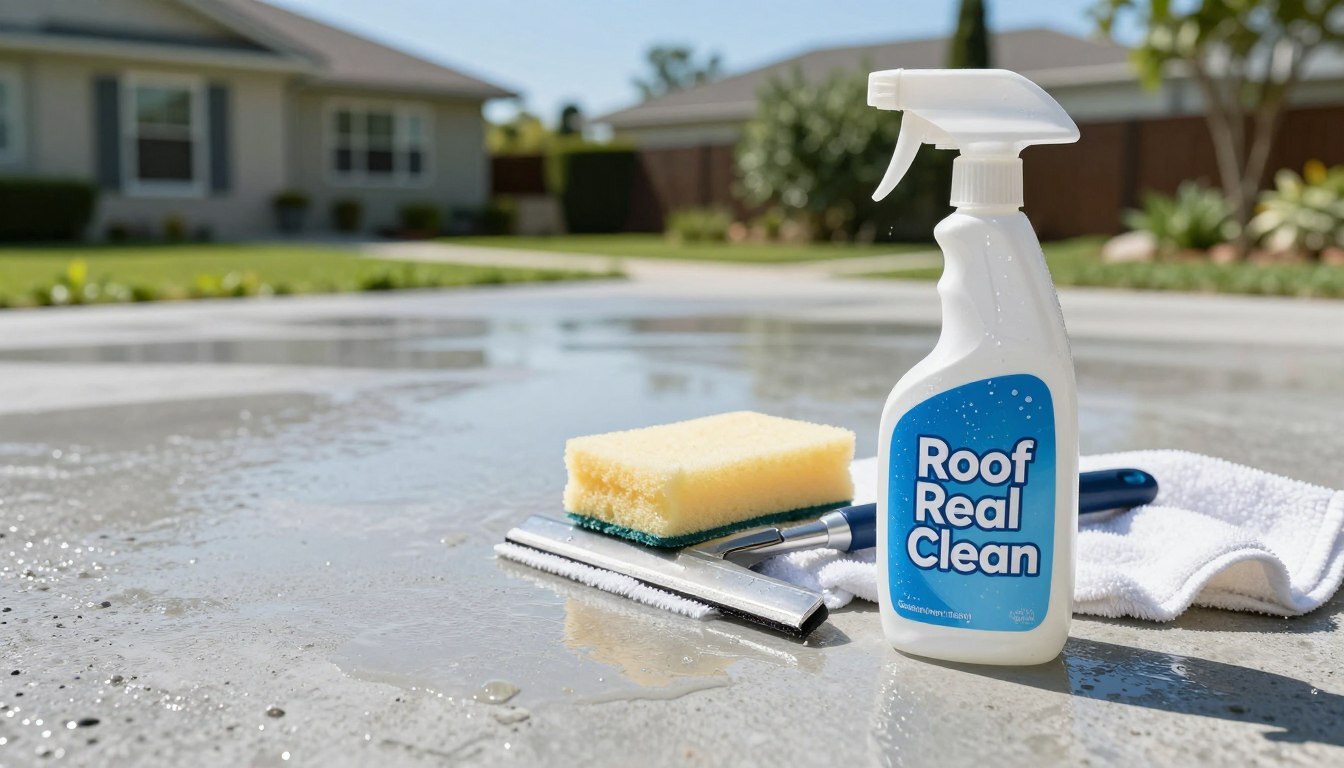
Water spots often occur when mineral-heavy water is allowed to evaporate on the surface. To achieve a uniform finish, use a squeegee to pull excess water toward a drain or off the edge of the slab. This simple step prevents pooling and helps you maintain a clean, consistent appearance across your entire patio or driveway, similar to the results seen with professional patio pressure washing in Falls Church.
Inspect the Surface After Drying Before Repeating Any Treatment
It is tempting to reapply a cleaner immediately if a stain appears to remain, but concrete often looks different when wet. Always wait for the surface to dry completely before deciding if a second application is necessary. If you encounter persistent discoloration or deep-seated stains that do not respond to these methods, please reach out to our team at (703) 261-8228 for expert guidance.
Protect Clean Concrete With Practical Maintenance Techniques
Once you have achieved a pristine finish, the real work of preserving that investment begins. Implementing effective concrete maintenance techniques is the most reliable way to extend the life of your surfaces and keep them looking brand new for years to come.
Establish a Seasonal Schedule for Sweeping and Rinsing
Consistency is the cornerstone of property care. We recommend a simple seasonal schedule that involves regular sweeping to remove abrasive grit and loose debris that can scratch the surface over time.
A gentle rinse with a garden hose every few weeks helps prevent the buildup of environmental pollutants. This habit keeps your concrete surfaces free from the accumulation of dirt that often leads to permanent discoloration.
Remove Spills Quickly Before They Penetrate the Concrete
Concrete is naturally porous, meaning it acts like a sponge for liquids. If you spill oil, grease, or chemicals, acting immediately is essential to prevent deep-set stains.
Blot the spill with an absorbent material rather than wiping it, which can spread the substance further into the pores. While some diy concrete cleaning tips suggest using household detergents, quick action remains your best defense against stubborn marks.
Use Sealing and Drainage Improvements to Reduce Future Staining
Applying a high-quality sealer provides a protective barrier that forces liquids to bead on the surface. We advise allowing your concrete to dry for at least 24 hours after cleaning before applying any product.
Silane or siloxane-based sealers are excellent choices because they penetrate the surface without altering its appearance. Additionally, ensuring that your gutters and downspouts direct water away from your concrete will prevent mineral deposits and efflorescence from returning.
Know When Professional Concrete Cleaning Services Are the Better Choice
While many homeowners enjoy maintaining their property, there are times when calling in the experts is the safest route. If you find that your efforts are not yielding the desired results, our team is ready to assist you at (703) 261-8228.
Signs That Cleaning Problems Require an Expert Evaluation
You should consider professional concrete cleaning services if you notice persistent issues that do not respond to standard care. Watch for these specific indicators:
- Extensive cracking or spalling that exposes the aggregate.
- Recurring stains that suggest deep-seated contamination.
- Concerns regarding chemical runoff into local landscaping or drains.
- Large surface areas that make manual maintenance unreliable or physically taxing.
| Maintenance Task | Frequency | Primary Benefit |
|---|---|---|
| Sweeping | Weekly | Prevents abrasive wear |
| Low-Pressure Rinse | Monthly | Removes surface pollutants |
| Sealing | Every 2-3 Years | Repels liquids and stains |
| Professional Inspection | Annually | Identifies structural damage |
Conclusion
Achieving a pristine exterior requires more than just high-pressure water. We believe the secret to a streak-free concrete clean lies in careful assessment, compatible chemistry, and controlled application techniques. By prioritizing these methods over raw force, you protect the structural integrity of your surfaces while ensuring a uniform, professional appearance.
Remember that your concrete remains vulnerable to new stains until it has dried completely. Applying a quality sealer and maintaining a consistent cleaning schedule will safeguard your property value for years to come. These proactive steps turn a simple maintenance task into a long-term investment in your home.
We understand that managing complex stains or large surface areas can feel overwhelming. If you prefer expert assistance to ensure the best results, our team is ready to help. Homeowners who need dependable professional concrete cleaning services can call (703) 261-8228 for knowledgeable guidance and support.
Frequently Asked Questions
The secret lies in maintaining a wet edge and using a professional surface cleaner rather than a standard pressure wand. By working in small, overlapping sections and ensuring the concrete cleaning solution never dries on the slab, we prevent the "tiger-striping" that commonly occurs with inconsistent manual passes.
The best way to clean concrete with oil saturation is to use a professional-grade alkaline degreaser combined with hot water. For older stains, a poultice may be required to draw the hydrocarbons out of the pores before the final rinse.
Not all cleaners are safe for all surfaces. Decorative or colored concrete requires a pH-neutral cleaner to avoid stripping the tint or damaging the sealer. We always recommend a small test area or calling us at (703) 261-8228 to ensure the product is compatible with your specific finish.
One of the most effective diy concrete cleaning tips is to use a floor squeegee immediately after your final rinse. Removing the standing water prevents minerals from settling into the concrete's pores as the moisture evaporates, which is the primary cause of white spotting and film.
A common hack is using an oxygen-based cleaner or a mild antimicrobial solution to kill the spores. Unlike high pressure alone, which only removes the surface growth, these solutions treat the "root" of the biological matter to prevent it from returning quickly.
To avoid etching, you must match the chemistry to the stain and avoid high-pressure nozzles (like the red 0-degree tip). If you are dealing with rust or efflorescence, acidic cleaners may be needed, but these should be used with extreme caution as they physically alter the concrete’s profile.
Professional concrete cleaning services provide access to industrial-grade equipment, such as hot-water pressure washers and high-flow surface cleaners, which produce a more uniform result than consumer-grade machines. Furthermore, professionals understand runoff management and chemical safety, protecting your landscaping and the local environment.
The most vital concrete maintenance techniques include applying a high-quality penetrating sealer to reduce porosity and establishing a seasonal sweeping schedule. Quickly addressing spills before they can soak into the slab will also significantly extend the life of your clean finish.
© 2026 All Rights Reserved