CALL NOW TO GET A FREE ESTIMATE->

The Impact of Moldy Siding on Your Family’s Health
We recognize that a residence serves as more than just a physical structure; it is the primary environment where loved ones live, grow, and seek comfort. When exterior surfaces become compromised by biological growth, the consequences extend far beyond simple aesthetics or property value concerns.
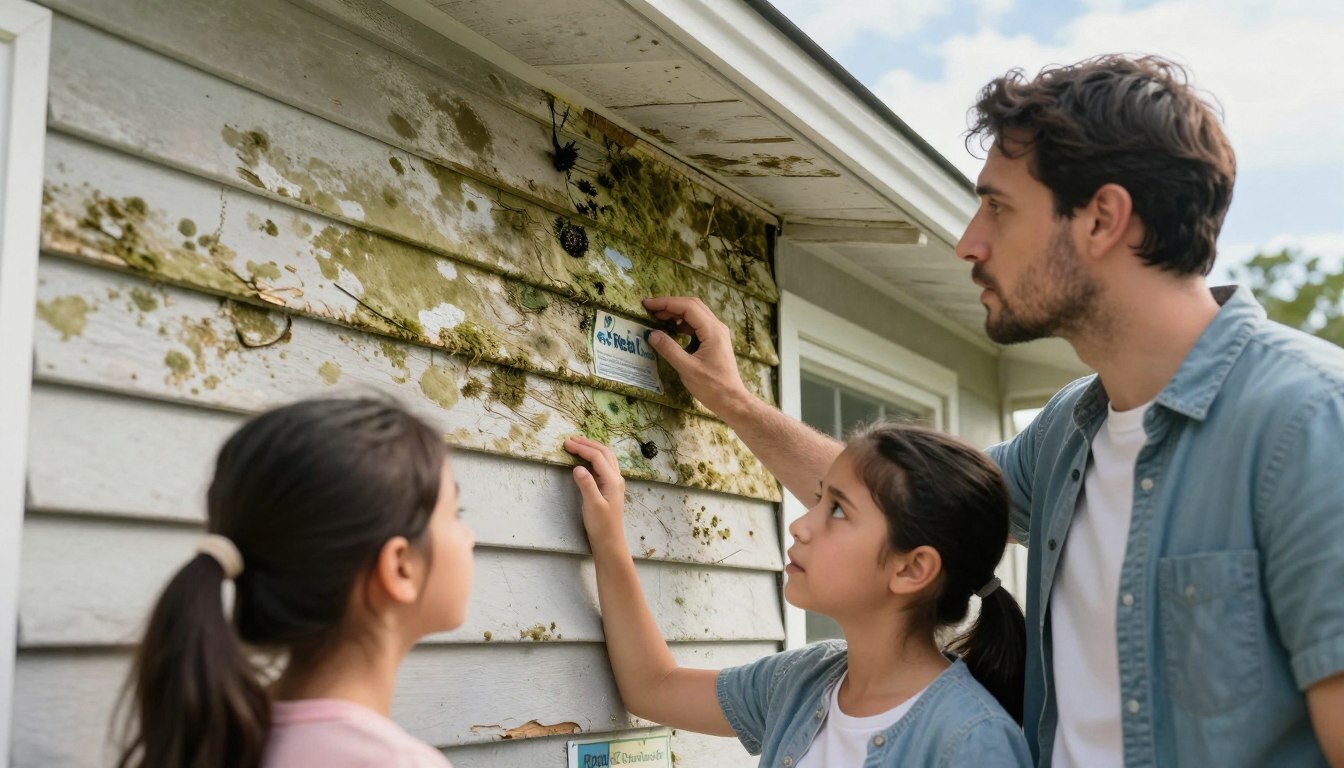
Understanding the impact of moldy siding on your family’s health requires looking at how spores infiltrate living spaces. We aim to educate you on why proactive maintenance remains essential for long-term safety. By grasping the science behind these growths, you can better protect your investment and ensure a cleaner indoor environment.
Ignoring these signs often leads to deeper structural issues that threaten your peace of mind. Recognizing the moldy siding impact on family's well-being allows you to take decisive action before minor issues escalate into costly repairs. We are here to guide you through effective, science-based solutions that prioritize your household's security.
Key Takeaways
- Homes function as vital sanctuaries that require consistent, professional care to remain safe.
- Biological growth on exteriors can penetrate indoor air quality, affecting respiratory comfort.
- Proactive maintenance serves as a critical defense against long-term property degradation.
- Understanding scientific causes helps homeowners avoid ineffective, damaging cleaning practices.
- Prioritizing exterior hygiene directly supports a healthier living environment for all residents.
Understanding the Growth of Mold on Exterior Siding
The science behind mold growth on exterior surfaces reveals why some homes are more susceptible to infestation than others. Mold is a natural organism that thrives in environments where moisture and organic matter are readily available for consumption. When we ignore these early signs, we inadvertently increase the potential for moldy siding health risks to develop within our living spaces.
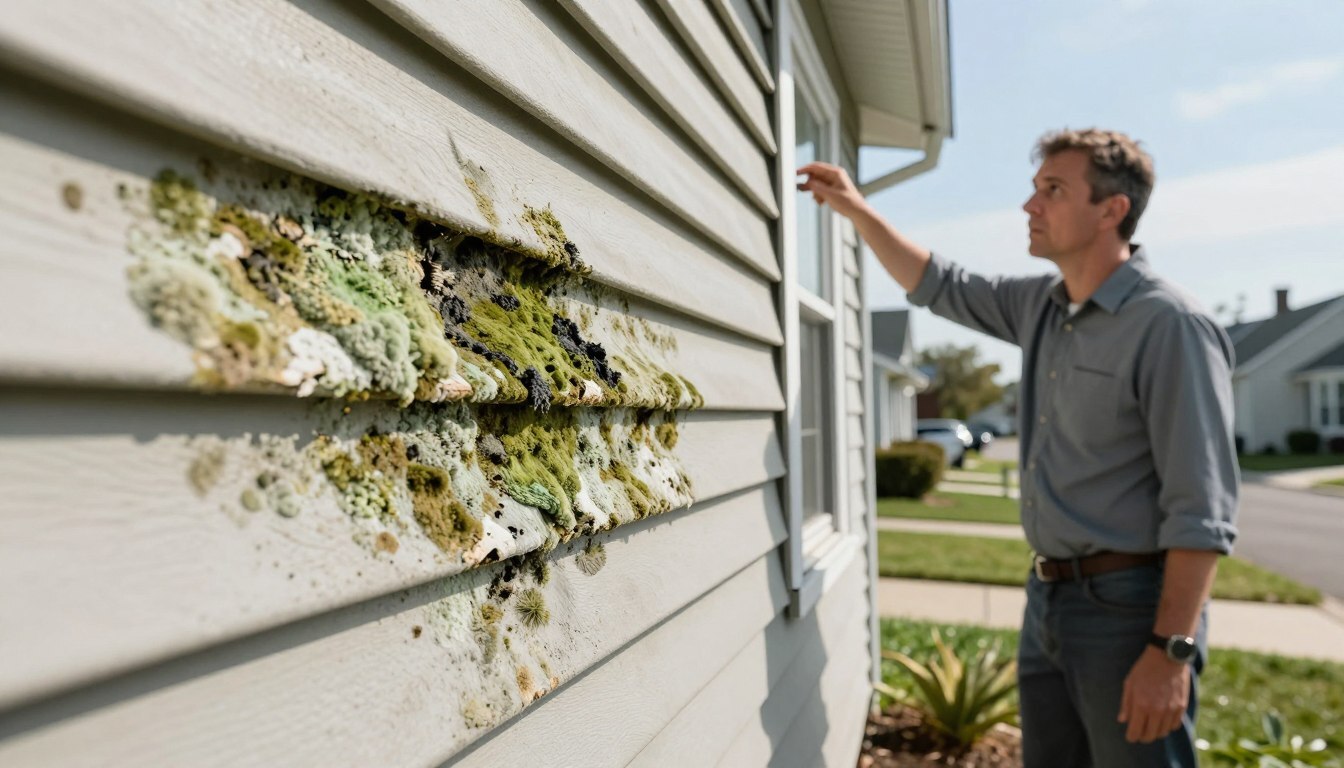
Environmental Factors Contributing to Mold Proliferation
Fungi require specific conditions to colonize and expand across your home's exterior. High humidity levels, limited sunlight, and poor airflow create the perfect storm for spores to settle and grow. Persistent dampness acts as a catalyst, allowing these organisms to break down organic debris that naturally collects on your walls.
We observe that homes located in shaded areas or regions with frequent rainfall face a higher probability of fungal colonization. These environmental triggers must be managed effectively to stop the growth cycle before it compromises your home's structural integrity. Addressing these factors early is essential to mitigating moldy siding health risks for your entire household.
The Role of Siding Material in Moisture Retention
Not all exterior surfaces react to moisture in the same way. Certain siding materials are more prone to moisture retention, creating a persistent dampness that allows fungi to flourish even during drier seasons. Porous materials, such as wood or older composite boards, often act as a collection point for spores that utilize the surface to colonize.
Even modern vinyl siding can harbor mold if it is not cleaned regularly, as it may trap moisture behind panels or within textured surfaces. We focus on identifying these specific material vulnerabilities to provide long-term protection for your investment. By understanding how your home's exterior interacts with the environment, we can implement strategies that significantly reduce the likelihood of future mold growth.
The Impact of Moldy Siding on Your Family’s Health
We often focus on indoor air quality, yet the condition of your home’s exterior plays a surprisingly large role in the air your family breathes every day. When organic growth accumulates on your walls, it creates a reservoir of spores that can easily migrate indoors. Recognizing these moldy siding health risks is the first step in transforming your property into a truly safe environment.
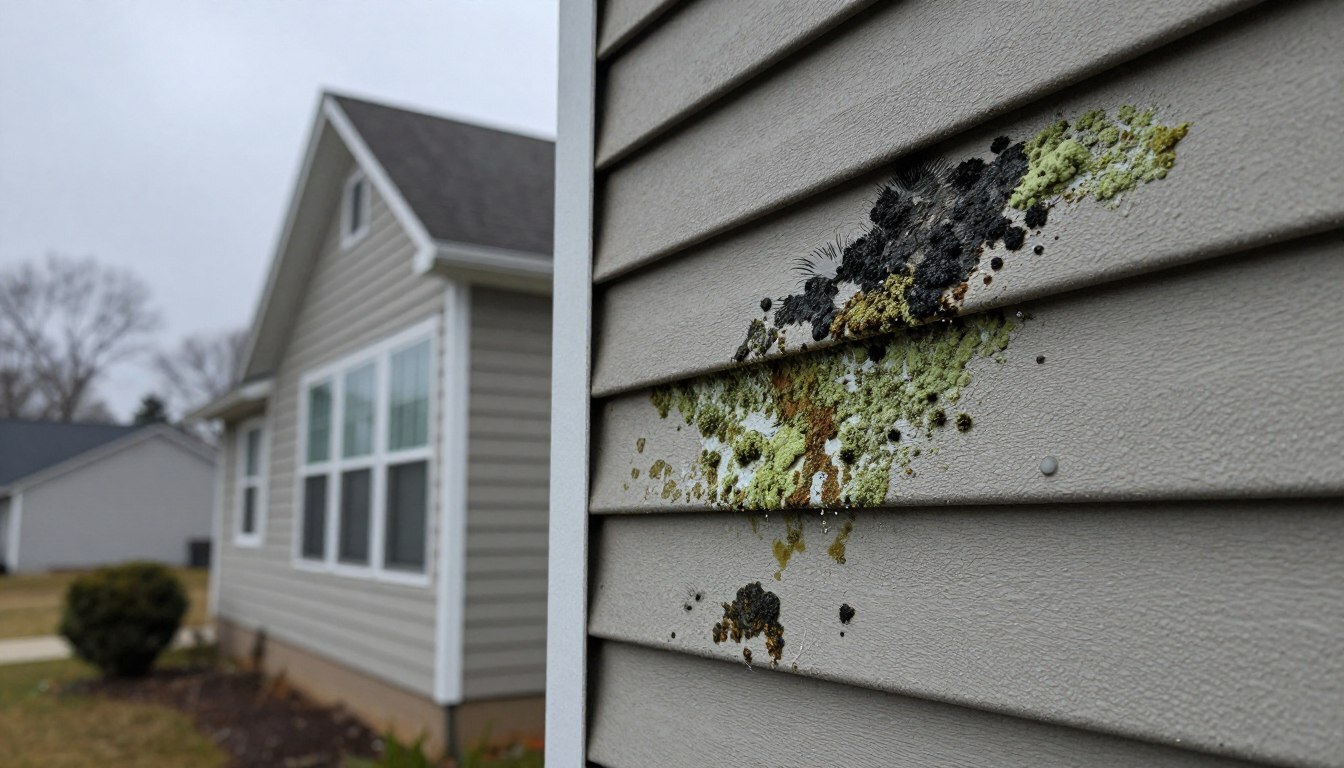
Biological Mechanisms of Mold-Related Illness
When mold spores are present in high concentrations on your exterior walls, they do not simply stay outside. These microscopic particles become airborne and infiltrate your home through ventilation systems, windows, and structural gaps. Once inhaled, these spores can trigger a range of physiological responses in the human body.
The biological impact often manifests as an immune system overreaction. Your body identifies the spores as foreign invaders, leading to inflammation and irritation of the respiratory tract. It is vital to understand that this is not merely a surface-level issue; it is a direct threat to your indoor air quality.
Vulnerable Populations and Increased Sensitivity
While every individual breathes in mold spores daily, certain family members face heightened family health concerns with moldy siding. Those with pre-existing respiratory conditions or compromised immune systems are significantly more susceptible to adverse reactions. Just as you might prioritize regular roof maintenance to prevent structural decay, you must address siding growth to protect your loved ones.
Consider the following groups who may experience more severe symptoms:
- Children: Their developing respiratory systems are more sensitive to airborne irritants.
- The Elderly: Often possess lower immune resilience, making them prone to chronic irritation.
- Asthma and Allergy Sufferers: Even low concentrations of spores can trigger acute attacks or prolonged allergic reactions.
By staying proactive, you mitigate these risks and ensure your home remains a healthy sanctuary. Addressing these family health concerns with moldy siding early prevents the escalation of both property damage and potential medical issues.
Identifying Common Types of Mold Found on Home Exteriors
Understanding the nature of exterior growth helps you mitigate potential moldy siding health hazards effectively. We believe that accurate identification is the cornerstone of any successful property maintenance strategy. By knowing exactly what is growing on your walls, you can take the right steps to protect your investment and your family.
| Growth Type | Typical Color | Health Risk | Structural Impact |
|---|---|---|---|
| Algae | Green/Black | Low | Minimal |
| Mildew | Gray/White | Moderate | Surface Staining |
| Toxic Mold | Black/Dark Green | High | Severe Decay |
Visual Indicators of Structural Mold Infestation
Beyond surface discoloration, we look for specific physical signs that indicate a deeper problem. When biological growth penetrates the siding material, it often leads to warping, cracking, or peeling. These physical changes are clear warning signs that the infestation has moved beyond the surface and is now compromising the integrity of your home.
Ignoring these signs can lead to severe moldy siding health dangers that affect your entire household. We recommend regular inspections to catch these indicators early. By correctly identifying the growth, we can implement the most effective, manufacturer-approved remediation strategies to restore your home's health.
How Mold Spores Infiltrate Your Indoor Living Environment
Protecting your family from moldy siding health hazards begins with understanding how these microscopic organisms transition from your exterior walls into your living space. While your home is designed to be a sanctuary, it is rarely an airtight fortress against the natural environment.
We often find that homeowners underestimate how easily these spores travel. Once mold colonies establish themselves on exterior surfaces, they release millions of tiny spores into the surrounding air. These particles are light enough to drift on the slightest breeze, seeking any available entry point into your home.
The Role of HVAC Systems in Spore Distribution
Your heating, ventilation, and air conditioning (HVAC) system is intended to keep your indoor climate comfortable, but it can inadvertently act as a distribution network. When your system pulls in fresh air from the outside, it may also draw in concentrated clusters of mold spores resting near intake vents.
Once inside the ductwork, these spores can be circulated throughout every room in your house. This process effectively turns your ventilation system into a delivery mechanism for allergens. We recommend regular inspections of your exterior intake areas to ensure they remain clear of organic growth.
Structural Vulnerabilities and Air Leakage Points
Beyond mechanical systems, your home likely contains several structural vulnerabilities that invite unwanted contaminants inside. Gaps around window frames, door seals, and utility penetrations serve as common pathways for spores to bypass your exterior cladding.
Addressing these moldy siding health dangers requires a proactive approach to home maintenance. By sealing these air leakage points, you create a more robust barrier that keeps the outdoors where it belongs. We work closely with you to identify these weak spots, ensuring your home remains a protected environment for your loved ones.
Recognizing Symptoms of Mold Exposure in Family Members
Many homeowners overlook the early warning signs that moldy siding effects on health can manifest within their own living spaces. Recognizing these indicators is vital for maintaining your family's quality of life and long-term wellness. We believe that proactive awareness is the best defense against family health concerns with moldy siding.
Respiratory Distress and Allergic Reactions
When mold spores infiltrate your home, the respiratory system is often the first to react. You might notice persistent nasal congestion, sinus pressure, or unexplained wheezing that does not seem to improve. Eye irritation and frequent sneezing are also common indicators that your indoor air quality has been compromised by exterior growth.
Neurological and Dermatological Manifestations
Beyond respiratory issues, mold exposure can trigger systemic reactions that affect your skin and nervous system. Some residents report persistent skin rashes or hives that appear without a clear external cause. Additionally, chronic headaches or a general feeling of fatigue may signal that your body is struggling to cope with poor air quality.
Differentiating Mold Symptoms from Seasonal Allergies
It is easy to dismiss these symptoms as simple seasonal allergies, especially during the spring or fall. However, there are key differences to consider when evaluating your environment. Seasonal allergies typically fluctuate based on outdoor pollen counts and weather patterns.
© 2026 All Rights Reserved