
The Importance of Rinsing: Our Multi-Step Roof Cleaning Process
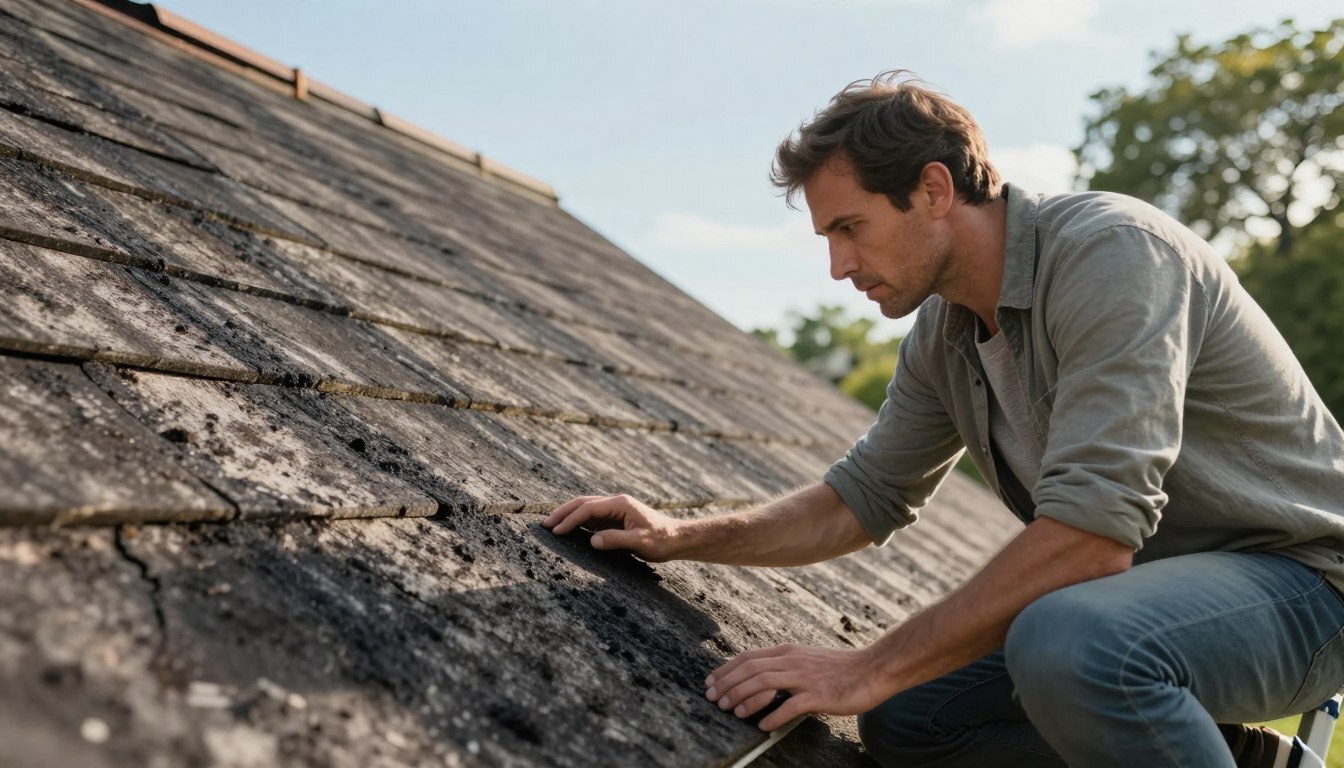
A homeowner spots black streaks or moss and wonders whether a roof wash will solve the problem or create another one. Those marks can affect curb appeal, but they do not prove that the roof is damaged. Algae and other organic growth are reasons to assess the roof and choose a careful cleaning process.
We explain what rinsing does, when it may not be needed, and how it fits with inspection, treatment, and cleanup. Soft washing means applying a cleaning solution at low pressure so it treats organic growth without relying on force to remove it. The right rinse depends on the cleaning method and roofing material, so we begin with why rinsing matters.
Key Takeaways
- Match the cleaning method and rinse to the roofing material.
- Use low pressure to apply a cleaning solution.
- Protect nearby plants and surfaces from runoff.
- Some dead growth takes time to weather away.
- Compare written estimates with the same service scope.
The Importance of Rinsing: Our Multi-Step Roof Cleaning Process
A rinse can remove cleaning residue and loosened debris, but its pressure and coverage must suit the roof and treatment. Gentle water supports roof cleaning; forceful washing can cause damage instead of helping create a clean roof.
Soft washing is applying a cleaning solution at low pressure so it treats organic growth without relying on force to remove it. Chemical application is typically delivered at under 100 PSI. Rinsing is not permission to use high-pressure washing. The Asphalt Roofing Manufacturers Association advises against using a power washer, brush, or broom to remove algae from asphalt shingles.
"Rinse only as the roof and treatment allow. High pressure is not a safe shortcut for removing algae from asphalt shingles."
What a rinse removes
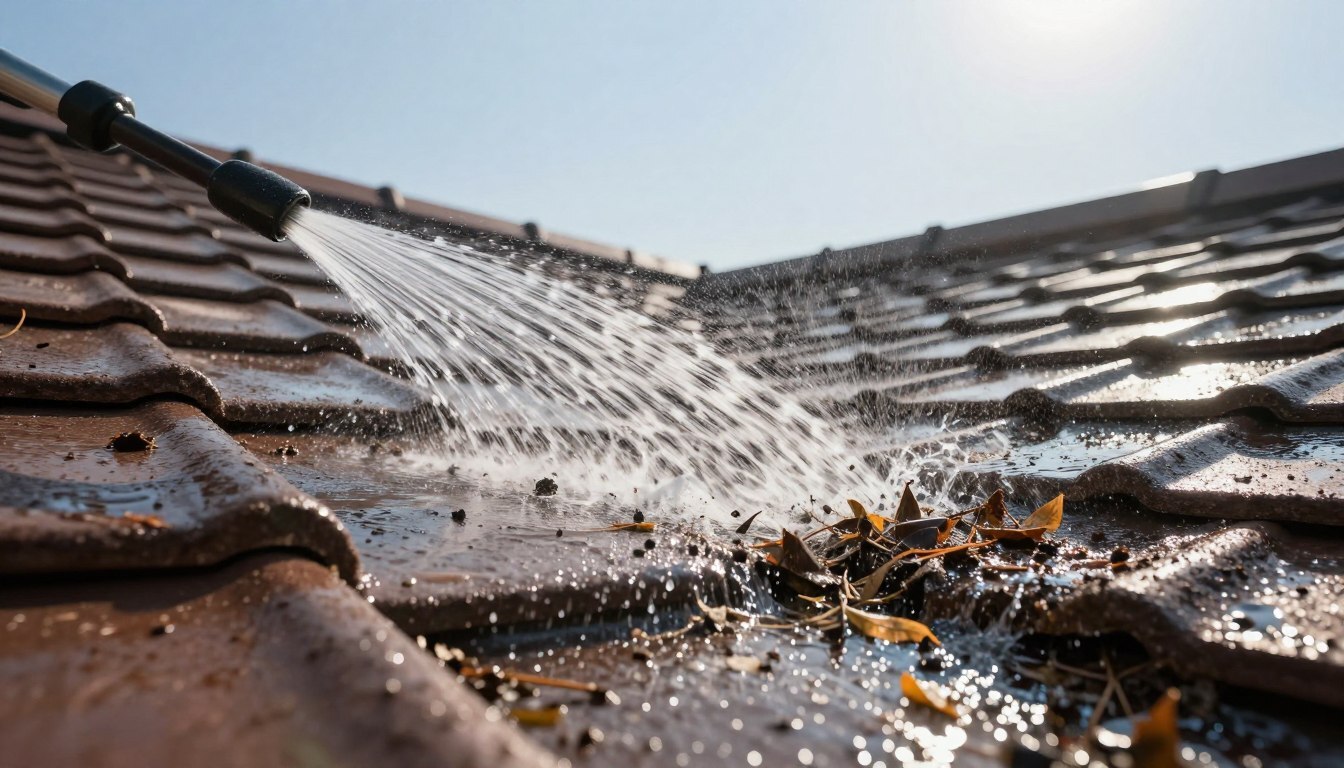
A gentle rinse can carry away residue left on the roof surface and debris loosened during washing. It can also help clear treated areas where the product directions call for fresh water. The goal is controlled cleanup, not blasting stains off the roofing.
Rinsing a treated surface differs from removing every visible trace of growth right away. Some methods leave dead organic growth in place to weather away, when the product directions and roofing material permit that approach. Moss may remain visible after service, even when treatment has started working.
That distinction matters because algae, moss, and residue do not respond alike. Moss can hold moisture against roofing and grow around shingle edges. We can learn more about why removing roof moss matters without assuming every mark signals immediate roof failure.
When a full roof rinse may not be the right choice
A full rinse may not fit every cleaning process. A product may direct the applicator to let treated growth weather away, or a delicate roof may need a limited, careful rinse. The roof's condition and the manufacturer's instructions should guide that decision.
Water can cause damage if it is driven beneath shingles or flashing, or if a forceful spray strips granules. A clean roof does not require using the strongest wash setting. The method must address the growth without stressing the roof surface.
Rinsing choices begin with the roofing material. Asphalt shingles, tile, metal, wood, and slate each have different vulnerabilities, so we identify the roof before choosing a wash method.
How Does Roofing Material Change the Cleaning Method?
A method that suits one roof can harm another. Roofing material determines how much pressure, foot traffic, moisture, and chemical exposure the surface can tolerate.
We identify the material before selecting a cleaning method or rinse. The same roof cleaning approach should not be assumed safe for shingles, tiles, metal, wood, and slate.
Asphalt shingles and tile
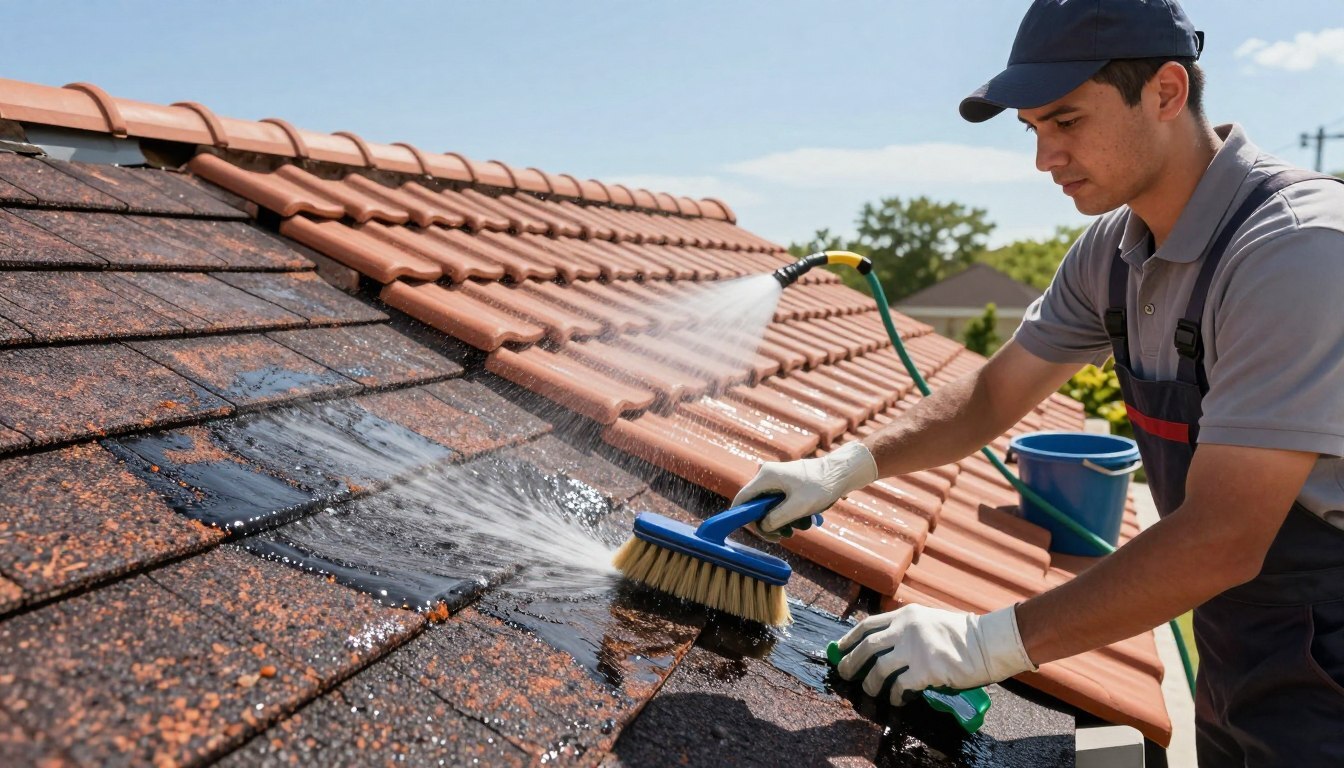
Asphalt shingles can lose protective granules if pressure or scrubbing wears their surface. A soft wash avoids relying on force to remove algae. Tile also needs careful handling: clay or concrete can crack when someone steps carelessly across it, and access needs planning before work starts.
| Material | Main vulnerability | Access or cleaning caution |
|---|---|---|
| Asphalt shingles | Granule loss | Avoid power washing and abrasive scrubbing |
| Metal | Coating or finish sensitivity | Use a compatible solution and controlled spray |
| Clay or concrete tile | Cracking under careless foot traffic | Plan access to limit stepping on tiles |
| Wood shakes or cedar shingles | Sensitivity to moisture and chemicals | Limit moisture and use compatible treatment |
| Slate | Brittleness and abrasion risk | Avoid pressure washing and abrasive cleaning |
Metal, wood, and slate
Metal roofing may have a coating or finish that reacts poorly to an incompatible cleaner. A gentle method still needs to match the finish and manufacturer guidance. The word “metal” alone does not identify the right pressure or solution.
Wood shakes and cedar shingles are sensitive to both moisture and chemicals. A treatment that is acceptable for asphalt may be too harsh for wood. We also avoid treating moisture-related wear as ordinary organic growth without checking the roof's condition.
Slate is brittle and can be damaged by careless foot traffic or abrasion. Slate cleaning avoids pressure washing and abrasive tools. Tile access also needs careful planning because a worker's weight can break a tile even when the cleaning product itself is suitable.
These differences affect both access and cleaning. Before selecting or applying a solution, we inspect the roof and prepare the surrounding property for the work.
What Should We Check and Protect Before Cleaning?
A loose shingle or clogged gutter found during inspection should be addressed before chemicals or water reach the roof. Pre-clean checks help separate existing damage from problems a cleaning process might cause.
Existing roof damage needs assessment before cleaning, not treatment as a cleaning problem. A cleaner cannot repair loose roofing, failed flashing, or a leak.
Inspect the roof and gutters
We look for visible wear and check where water will travel once work begins. A blocked downspout can send runoff toward a foundation or a planting bed. Nearby trees may also leave debris that hides a roof surface or slows drainage.
Use this four-item pre-clean checklist before choosing equipment or applying a cleaning solution:
- Missing, loose, cracked, or otherwise damaged roofing.
- Flashing and penetrations around vents, chimneys, and other roof openings.
- Gutters and downspouts that are blocked, loose, or draining poorly.
- Nearby plants and sensitive surfaces that need protection.
Gutters should carry runoff away rather than spill it onto siding or landscaping. If the gutters are full, arranging gutter cleaning and downspout flushing can help keep drainage clear during roof work.
Protect plants and nearby surfaces
Wet vegetation before work and cover sensitive plants to reduce exposure. Chemical runoff still needs control; covering a plant does not make it safe to direct treatment into its soil. Nearby siding, walkways, and other surfaces may also need protection from overspray.
We consider where the water and cleaning solution could flow before starting. Gutters, downspouts, and the slope of the yard affect where runoff ends up. Keeping those paths in mind helps reduce unwanted contact with plants and outdoor surfaces.
A pre-clean inspection also informs the next choice: the cleaning solution must suit both the roofing material and the kind of organic growth present.
Which Cleaning Solution Is Right for the Roof?
The right cleaning solution depends first on roofing material and then on the type and severity of organic growth. One formula is not suitable for every roof wash.
Follow the product instructions and the roof manufacturer's guidance before choosing or mixing a cleaner. Concentration limits matter, especially when a roof finish or wood surface is sensitive.
Sodium hypochlorite for common organic growth
Sodium hypochlorite is used to treat common organic growth, including algae and moss. For asphalt shingles, household bleach and water mixed 50/50 yields about 2.5-3% active chlorine. The exact product strength can vary, so readers should follow the instructions for the product in hand.
| Roof or treatment situation | Solution choice | Source-supported limit |
|---|---|---|
| Asphalt shingles | Household bleach and water, mixed 50/50 | About 2.5-3% active chlorine |
| Severe contamination treated by professionals | 3-5% sodium hypochlorite may be used | Professional assessment and product directions apply |
| Metal | pH-neutral or mildly alkaline solution | Avoid sodium hypochlorite above 2-3% |
| Wood | Sodium hypochlorite below 1.5%, or sodium percarbonate | Use a material-compatible option |
Alternatives and material-specific limits
Oxygen bleach, such as sodium percarbonate, can be an alternative for wood. It works more slowly than sodium hypochlorite and may need repeat applications. That slower action can change how long results take, so we do not treat it as a drop-in formula for every roof.
Metal coatings may be sensitive to strong cleaners. For metal, a pH-neutral or mildly alkaline solution is preferred, and sodium hypochlorite above 2-3% should be avoided. Wood needs a milder option, including sodium hypochlorite below 1.5% or an oxygen-bleach alternative.
Choosing a cleaner for asphalt shingles
Homeowners searching for the best roof cleaner for asphalt shingles should look for material guidance, not a universal product ranking. A roof wash solution must suit the shingles and address the growth present. Severe contamination may call for professional treatment, where 3-5% sodium hypochlorite may be used.
Cleaning solution strength is only one part of the decision. Product directions and roofing manufacturer guidance also shape how it can be applied and rinsed. With a suitable cleaner selected, the next concern is applying it safely and allowing time to work.
How Do We Apply the Treatment Safely?
We use equipment designed for low-pressure application and do not step onto a roof unless access and fall protection are suitable. Safe access matters as much as the cleaning equipment.
Slopes above 6:12 require fall-protection systems in the supplied guidance, and ladder setup follows a 4:1 ratio. Chemical application commonly uses under 100 PSI, not the force of pressure washing.
Choose equipment and access
Four essentials help support controlled application and safe access:
- A soft-wash pump or chemical sprayer designed for the cleaning solution.
- An adjustable spray wand to control the direction and spread of application.
- Chemical-resistant gloves and eye protection, with a respirator if needed.
- A stable ladder and suitable fall protection for the roof and access conditions.
Keep the ladder at a 4:1 setup ratio and use fall protection on slopes above 6:12. The precise access plan depends on the roof shape, height, and surface. Equipment should suit the chemical and the job, not just be available in a shed.
People asking how to clean a roof from the ground may be able to apply treatment from the ground with suitable equipment and access. That does not mean every roof can be fully or safely treated from ground level. Roof shape, obstructions, and spray reach affect coverage.
Apply evenly and allow dwell time
Apply the cleaning solution in a controlled, even manner, following the product directions. A wand should not be used to force water or cleaner under shingles, flashing, or roof edges. High-pressure washing is not a recommended way to clean asphalt shingles.
The treatment needs the time specified by its instructions to work. Rushing to scrub or raise pressure can stress the roof without improving the result. Keep people and pets away from the work area as directed by the product label.
Once the solution has had time to work, we decide how to rinse it and clear residue without directing water beneath roofing.
How Should We Rinse the Roof After Treatment?
The rinse should be gentle, controlled, and suited to the roofing material. Fresh water can clear residue without turning roof cleaning into a source of damage.
Use a low-pressure method, and never direct water beneath shingles or flashing. A rinse below 500 PSI is described for this process, but some roofs and product instructions call for a gentler method.
Rinse gently without forcing water under roofing
Follow these four rinse actions in order:
- Use a garden hose or low-pressure spray.
- Rinse gently from the upper roof area downward, keeping water away from shingle edges and beneath flashing.
- Clear and flush gutters and downspouts so runoff can drain.
- Rinse nearby vegetation and surfaces with fresh water after the work.
A downward rinse follows the roof's natural drainage direction. Spraying upward beneath shingles can push water into areas that are meant to shed it. Keep the spray controlled rather than chasing every dark patch with more force.
Clear gutters, windows, and nearby surfaces
Gutters and downspouts need a clear path for runoff. Flush them carefully and avoid directing water under roofing. If roof work or runoff reaches a skylight or window, rinse any solution from the glass before it dries.
Water may carry residue beyond the roof edge, so nearby siding and other surfaces deserve attention. A careful final cleanup also helps keep leftover cleaning solution from sitting on exterior surfaces.
Finish with a fresh-water plant rinse
Rinse vegetation and nearby surfaces with fresh water after treatment. This step limits lingering solution where runoff or overspray may have landed. It does not replace controlling runoff during application.
A rinse does not instantly remove all moss or lichen. The roof may look cleaner in treated areas while some dead growth remains attached. We judge the result over time rather than scraping or brushing the roof to make every trace disappear immediately.
That remaining growth can change in appearance after the service, so realistic expectations matter when assessing the finished roof.
What Should We Expect After the Roof Is Cleaned?
A roof can be treated successfully while some dead growth remains visible for a time. Visible residue does not always mean the treatment failed.
Dead growth may weather away over weeks or months, and timing varies with the organism and roof. The cleaning process can begin working before the roof looks fully clear.
Why growth may remain visible at first
Some treated organisms weather away rather than disappearing during the service. One expected range is 15-30 days for organisms to weather off. Customer experience also describes moss taking a month or two, while lichen may take up to six months.
These are variable expectations, not guarantees. Weather, the amount of growth, and the roof surface can affect how quickly the material loosens and disappears. A rinse is not proof that every patch should be gone that day.
Algae can leave dark marks that take time to fade, while thicker moss or lichen can remain visible longer. Taking a clear photo after treatment can help us compare later results without disturbing the roof.
When to consider another treatment
Thick moss or lichen may need more than one application. We base a follow-up on visible results and professional assessment, not on a desire to scrape the roof clean at once.
Aggressive scraping or brushing can harm roofing, including shingles and slate. If growth remains after a reasonable weathering period, an experienced cleaner can assess whether another treatment suits the roof and product instructions.
Give the treatment time before judging the outcome. After the visible results develop, homeowners can plan future maintenance and compare a cleaning quote with a clearer view of the roof's needs. For related roof-care topics, our roof cleaning and maintenance articles offer more guidance.
How Often Should a Roof Be Cleaned, and What Affects the Cost?
Maintenance timing depends on local growth conditions and roof exposure, not a fixed calendar alone. Climate and shade can change how quickly algae or moss returns.
A 2-5 year interval is a planning range, while humid climates may call for annual cleaning. Roof material, condition, nearby trees, and the amount of growth also affect timing.
"Use the 2-5 year range as a planning guide, not a fixed schedule. Humid conditions and visible growth can call for more frequent attention."
Set a maintenance interval
Climate, shade, growth, roof material, and roof condition all affect how often cleaning makes sense. A shaded roof beneath trees may develop organic growth sooner than a roof with more sun and less debris. An older or worn roof may also need a more careful cleaning choice.
The 2-5 year planning range is a starting point, not a promise that every roof should be cleaned on the same schedule. Humid conditions can mean annual cleaning when growth warrants it. We can use the roof's condition and surrounding environment to adjust the plan.
For more detail on timing, see how climate, trees, material, and roof age affect cleaning frequency. That discussion can help frame a maintenance plan, but the roof itself remains the deciding factor.
Compare written service estimates
There is no reliable price here for soft washing a 2,500-square-foot roof. A quote needs the roofing material, roof pitch, access, growth severity, and requested add-ons. Roof size alone cannot account for the work involved.
Ask for written estimates that describe the same scope. One quote may include only roof cleaning, while another may include gutter cleaning, surface protection, or minor repairs. Comparing unlike services can make a low number look better without showing what the job covers.
Ask what the quoted service includes
Ask how the contractor plans to clean the roof, what areas will be rinsed, and how runoff will be handled. Confirm whether gutter cleaning or minor repairs are included or priced separately. Written details make it easier to understand what the estimate covers.
Do not treat a promised longer roof life as a guaranteed result. A careful method can reduce avoidable wear during cleaning, but a quote should focus on defined work and conditions. Before booking, confirm the service scope and rinse plan.
Conclusion
A careful roof wash depends on both the treatment and the rinse. We match the cleaning method to the roofing material, then confirm how residue, gutters, and nearby plants will be handled.
If you want help planning a roof cleaning or requesting a quote, call (703) 261-8228. Ask about the proposed method and rinse plan so you know what the work includes before scheduling.
Frequently Asked Questions
Do you rinse the roof after soft washing?
Sometimes; a gentle rinse can remove residue and loosened debris, but whether we rinse the whole roof depends on the material, product directions, and treatment approach. Some treated growth is left to weather away when instructions allow. A gentle rinse is not high-pressure washing, which can harm many roofing surfaces and should not be used to force stains away.
What is the 25 rule in roofing?
The 25% rule is not a roof-cleaning or rinsing standard. The phrase may refer to a building-code, insurance, or repair requirement, and its meaning can vary by location and context. We should check the applicable local rule with the relevant building department or insurance provider rather than applying it to a cleaning decision.
Should I rinse off sodium hypochlorite?
A controlled fresh-water rinse may be appropriate, but follow the product directions and guidance for the roofing material. Rinse any nearby windows or surfaces that receive solution, and manage runoff so it does not flow uncontrolled into planting beds. Wetting vegetation and rinsing plants after the work can help reduce exposure, but do not direct runoff toward them.
How often should you soft wash your roof?
A 2-5 year interval is a planning range, while humid conditions may call for annual cleaning. The right timing depends on visible growth, shade, nearby trees, roof material, and roof condition. We should not clean on a rigid schedule if the roof does not need treatment, and a worn roof may need a more cautious plan.
What is the best time of year to clean a roof?
Mild, overcast conditions are generally preferable for roof cleaning. Avoid direct sun, temperatures above 90°F, freezing or icy weather, and rain expected within 24 hours. These conditions can affect how a cleaning solution behaves and whether safe access is possible. Product instructions and roof conditions should guide the final timing.
What damages the roof the most?
High-pressure washing is a major preventable risk for many residential roofs because it can remove shingle granules or force water beneath roofing. Unsuitable foot traffic can crack tile or damage brittle slate. Chemicals that do not suit the roof material can also harm a finish or surface, so method and access matter.
How much should I pay to have my roof cleaned?
There is no single reliable price without details about the property and service. Roof material, size, pitch, access, contamination, and included work all affect a quote. Compare written estimates that cover the same scope, including whether gutter cleaning, plant protection, or minor repairs are part of the price.
What kills moss on a roof best?
An appropriate soft-wash treatment can kill moss, but the cleaning solution must suit the roofing material and product directions. Heavy moss may take weeks or months to weather away after treatment, so visible growth can remain for a while. Avoid aggressive scraping or brushing, which can damage roofing; seek an assessment if thick growth persists.