CALL NOW TO GET A FREE ESTIMATE->

The Link Between Roof Moss and Attic Mold Explained
Many homeowners view exterior greenery as a simple aesthetic nuisance. However, ignoring these growths often leads to severe structural complications inside your home. Understanding the link between roof moss and attic mold is vital for preserving your property value.
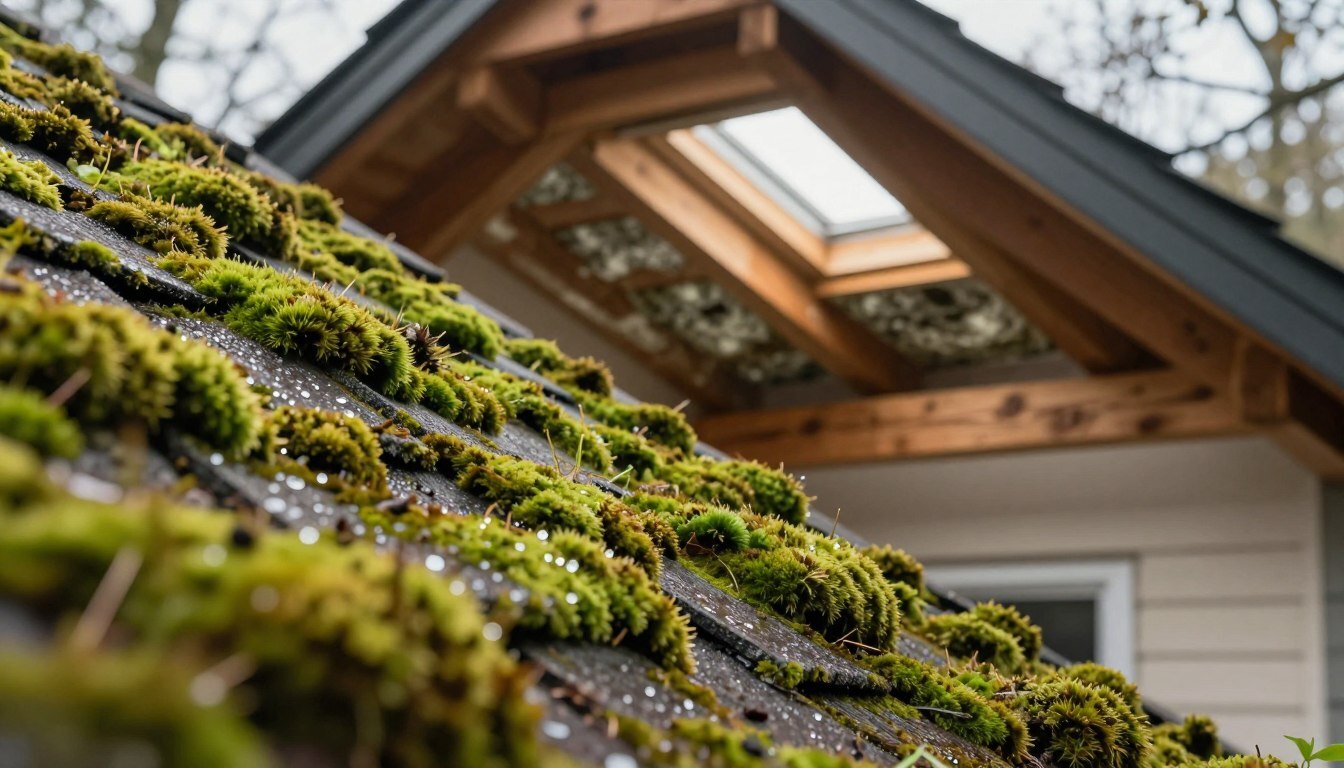
When moisture accumulates under shingles, it creates a breeding ground for spores. This dampness eventually migrates into your living space, compromising insulation and air quality. We specialize in identifying these silent threats before they escalate into costly repairs.
Our team prioritizes science-based maintenance to protect your investment from regional climate damage. If you suspect your home is at risk, please reach out to us at (703) 261-8228 to schedule a comprehensive inspection today.
Key Takeaways
- Exterior growth often signals deeper moisture issues within your home structure.
- Spore migration from shingles can significantly degrade indoor air quality.
- Early detection prevents expensive long-term damage to your property investment.
- Professional inspections identify hidden vulnerabilities that standard maintenance misses.
- Contact our experts at (703) 261-8228 for a thorough, science-based assessment.
Understanding the Biological Connection Between Moss and Mold
We often view roof moss as a simple aesthetic nuisance, but it represents a much deeper biological threat to your home. By recognizing the link between roof moss and attic mold, we can better protect our properties from long-term damage. These organisms thrive in the damp, shaded environments common to our region, creating a cycle that compromises your roof's integrity.
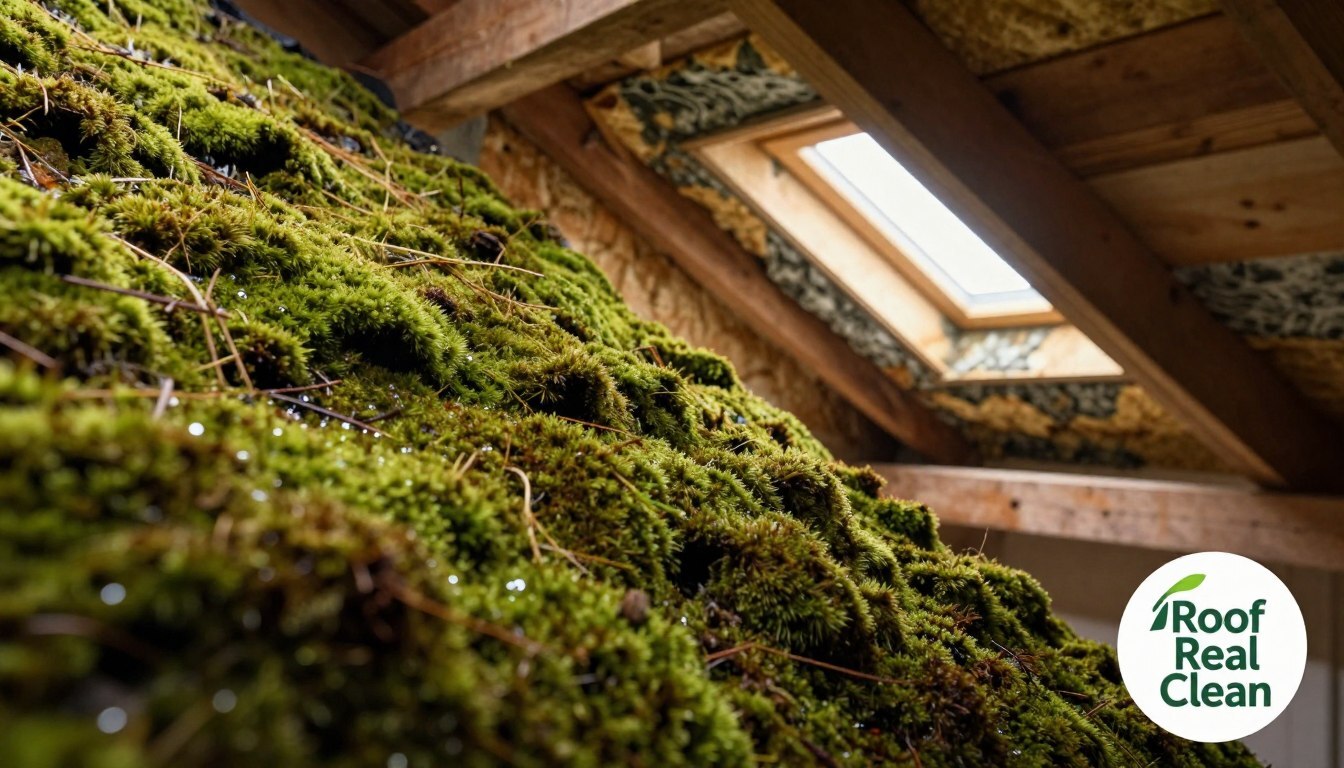
How Moss Retains Moisture on Roofing Materials
Moss acts like a living sponge on your shingles. It effectively traps precipitation and morning dew, holding that moisture directly against the roof deck for extended periods. This constant saturation prevents the natural drying process that is essential for the longevity of your roofing materials.
When shingles remain damp, they lose their ability to shed water properly. Over time, this persistent moisture softens the underlying materials, creating an ideal environment for further biological colonization. This is a critical part of the link between roof moss and attic mold that many homeowners overlook until it is too late.
The Process of Moisture Migration into Attic Spaces
Once the moss has saturated the outer layer of your roof, the moisture begins to migrate inward. It seeps through the gaps in your shingles and into the roof sheathing, which is the wooden deck supporting your roof. This hidden dampness creates a bridge for water to enter your attic space.
Inside the attic, this trapped moisture fuels the rapid growth of mold on your roof sheathing and rafters. By understanding the link between roof moss and attic mold, we can see how an exterior issue quickly becomes an interior health and structural concern. Addressing the moss early is the most effective way to stop this destructive cycle before it causes significant damage to your home.
The Role of Attic Ventilation in Preventing Mold Growth
We often see homeowners struggle with moisture issues because they overlook the complex relationship between ventilation and local climate conditions. While conventional wisdom suggests that adding more vents is always the best path toward preventing attic mold, this strategy can occasionally backfire. In our specific climate, excessive ventilation may cool the roof sheathing to the point of condensation, which inadvertently creates the perfect environment for attic mold growth.
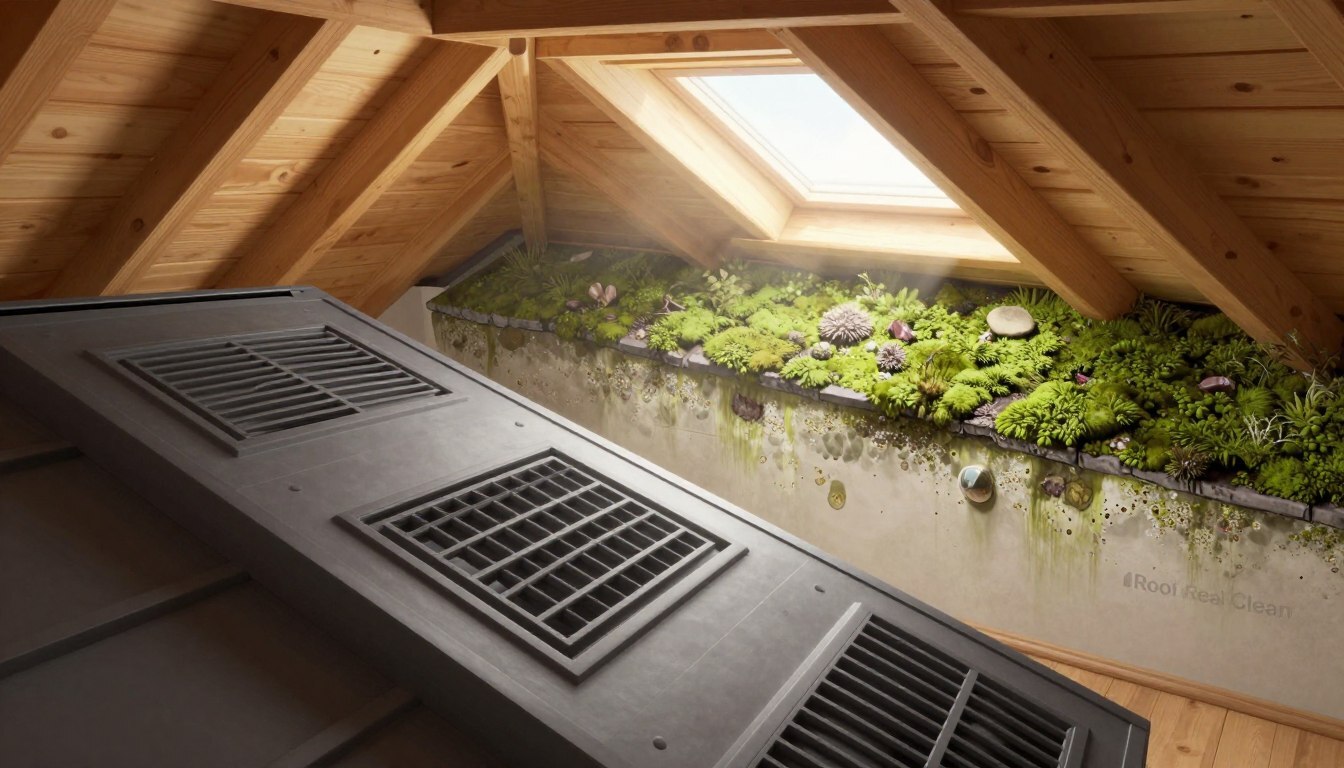
Achieving a healthy attic requires a balanced, strategic approach rather than simply following generic building codes. We prioritize airflow that accounts for local physics to ensure your investment remains protected from hidden moisture damage.
Signs of Poor Attic Airflow
Recognizing the early indicators of restricted airflow is vital for any proactive homeowner. If you notice a persistent musty odor when entering your attic, this is often a primary warning sign that moisture is trapped. You should also inspect your insulation for signs of dampness or clumping, as these indicate that humidity is not escaping as intended.
During colder months, look for frost buildup on the underside of your roof deck. This accumulation suggests that warm, moist air from your living space is meeting cold surfaces, leading to condensation. Addressing these signs early is crucial, especially when you consider the top reasons to remove moss from your roof to maintain overall property health.
Why Moss-Covered Roofs Exacerbate Ventilation Issues
The attic ventilation importance cannot be overstated, yet moss growth acts as a significant barrier to this process. Moss acts like a sponge, holding moisture directly against your roofing materials for extended periods. This constant saturation prevents the roof deck from drying out, which forces moisture to migrate into the attic space.
When the roof sheathing remains perpetually damp, the natural cooling effect of the moss can lower the temperature of the wood. This temperature drop often triggers condensation on the interior side of the roof, even if your ventilation system is technically functional. By removing moss, you allow the roof to breathe properly and reduce the workload on your ventilation system.
| Condition | Moisture Level | Risk to Structure |
|---|---|---|
| Balanced Ventilation | Low | Minimal |
| Excessive Ventilation | Moderate | Condensation Risk |
| Moss-Covered Roof | High | Severe Mold Potential |
Identifying the Early Warning Signs of Roof Moss
We believe that early intervention is the cornerstone of successful property maintenance and investment protection. By learning to spot the subtle changes on your shingles, you can implement effective roof moss control before the situation escalates into a major structural concern. Catching these indicators early preserves the integrity of your roof deck and prevents moisture from causing hidden damage.
Visual Indicators of Moss Colonization
Moss often begins as small, velvety patches that are easy to miss if you are not looking closely. These colonies thrive in shaded, damp areas of your roof where moisture lingers long after a rainstorm. You should watch for these specific signs during your routine property inspections:
- Raised or curled shingle edges caused by moss pushing underneath the material.
- Small, green, carpet-like patches appearing in the valleys or northern slopes of your roof.
- Granule loss around the areas where moss has established a foothold.
If you notice these signs, it is vital to address them immediately. Understanding the dangers of roof moss helps you realize why waiting is not an option. Proactive roof moss control is always more cost-effective than replacing a compromised roof system.
Differentiating Between Algae and Moss Growth
Many homeowners confuse common algae streaks with moss, but these two organisms require different management strategies. Algae, often appearing as black or dark brown streaks, is primarily an aesthetic issue that feeds on the limestone fillers in asphalt shingles. In contrast, moss is a non-vascular plant that actively traps moisture against your roof surface.
You can distinguish between them by observing the texture and growth pattern:
- Algae: Appears as flat, dark staining or streaks that do not have a physical height.
- Moss: Exhibits a three-dimensional, fuzzy, or clumped texture that you can physically touch or scrape.
While algae is unsightly, moss poses a much greater threat to the structural health of your home. Utilizing proper roof moss control techniques ensures that you are treating the specific biological threat present on your shingles. By staying vigilant, you protect your investment from the long-term damage caused by trapped moisture.
The Hidden Dangers of Attic Mold for Homeowners
We often find that attic mold growth is a silent threat that compromises both your health and your home's structural integrity. While many homeowners view these patches as minor cosmetic issues, they actually serve as a warning sign of deeper moisture pathways within the building envelope. Ignoring these symptoms can lead to significant long-term consequences for your property value.
Health Implications of Mold Spores in Living Areas
When mold colonies establish themselves in the attic, they release microscopic spores that easily travel through ventilation systems and floor gaps. These spores can significantly degrade indoor air quality, leading to persistent respiratory discomfort for your family. We emphasize that prolonged exposure to these airborne contaminants is a serious health concern that should never be underestimated.
Individuals with existing allergies or asthma often notice an immediate increase in symptoms when mold is present. By addressing attic mold growth early, you protect your living environment from becoming a source of chronic irritation. We believe that your home should be a sanctuary, not a source of health-related stress.
Structural Damage Caused by Prolonged Moisture Exposure
Beyond health risks, moisture-induced rot poses a direct threat to the physical stability of your roof assembly. When wood remains damp for extended periods, it loses its structural load-bearing capacity, which can lead to sagging or even partial roof failure. This type of damage is often hidden from view until it becomes a costly and avoidable repair.
We have seen how moisture migration slowly weakens rafters and sheathing, effectively compromising the entire investment you have made in your home. Taking proactive steps to stop attic mold growth is essential for maintaining the long-term safety of your structure. Protecting your roof today ensures that your property remains a secure and valuable asset for years to come.
Effective Roof Moss Prevention Strategies
We believe that preventing issues before they start is the hallmark of a well-maintained property. By taking a proactive stance on your home's exterior, you can implement successful roof moss prevention that safeguards your investment for years to come.
Effective maintenance requires a combination of smart material choices and consistent environmental management. These steps work together to create a hostile environment for unwanted growth while keeping your attic dry and healthy.
Choosing the Right Roofing Materials for Your Climate
Not all roofing materials react the same way to local weather patterns. If you live in a humid or shaded region, selecting materials that resist moisture absorption is essential for preventing attic mold and structural decay.
Metal roofing, for instance, offers a smooth surface that makes it difficult for spores to take root. Conversely, traditional asphalt shingles can become porous over time, creating the perfect conditions for moss to thrive if they are not properly treated or maintained.
Trimming Overhanging Trees to Increase Sunlight Exposure
Sunlight is one of your most powerful tools for natural roof moss control. When tree branches hang over your roof, they create constant shade and drop organic debris that feeds moss colonies.
We recommend trimming back any overhanging limbs to allow direct sunlight to hit your shingles throughout the day. This simple act increases evaporation rates, ensuring that your roof dries quickly after rain or morning dew. By keeping the roof surface clear and exposed to the sun, you significantly reduce the moisture levels that moss requires to survive. This strategic landscaping is a vital component of any comprehensive home protection plan.
Professional Moss Removal Techniques and Safety
When biological growth takes hold, choosing the right professional intervention is critical for your home's long-term integrity. Many homeowners feel tempted to handle roof maintenance themselves, but improper moss removal techniques often lead to significant, irreversible damage. We prioritize the health of your roofing system by utilizing methods that respect manufacturer specifications and material longevity.
Why DIY Moss Removal Can Damage Shingles
The most common mistake we encounter involves the use of high-pressure washers. While these machines provide immediate visual gratification, they frequently strip away the protective granules from asphalt shingles. This loss of material significantly shortens the lifespan of your roof and leaves the underlying structure vulnerable to leaks.
Furthermore, many store-bought chemical cleaners contain harsh agents that can corrode metal flashing or harm surrounding landscaping. Attempting to scrape moss off manually is equally hazardous, as it often results in cracked or displaced shingles. Relying on professional moss removal techniques ensures that your roof remains intact while effectively eliminating the threat.
Eco-Friendly Solutions for Roof Cleaning
We believe that effective maintenance should never come at the cost of environmental safety. Our approach utilizes biodegradable, eco-conscious solutions that target the root system of the moss without damaging your home’s exterior or the local ecosystem. These specialized treatments neutralize spores and prevent rapid regrowth, providing a sustainable alternative to aggressive scrubbing.
| Feature | DIY Cleaning | Professional Service |
|---|---|---|
| Methodology | High-pressure washing | Low-pressure, chemical-safe |
| Shingle Integrity | High risk of granule loss | Preserved and protected |
| Environmental Impact | Potential chemical runoff | Eco-friendly, safe solutions |
| Long-term Results | Short-term fix | Lasting prevention |
Mold Remediation Services and When to Call Experts
Not every sign of discoloration in your attic requires an immediate and costly structural overhaul. We understand that discovering fungal growth can be stressful, but our goal is to provide honest, transparent assessments based on the actual severity of the situation. While you might be concerned about the roof cleaning cost, ignoring potential moisture issues often leads to more significant expenses later.
Assessing the Severity of Attic Mold Infestations
Determining the extent of an infestation is the first step in our professional mold remediation services. We look beyond the surface to identify whether the growth is localized or widespread across your roof decking and insulation. By evaluating the moisture content in your wood, we can distinguish between minor surface staining and deep-seated structural colonization.
Professional Remediation Processes Explained
Effective remediation focuses on identifying and sealing the specific moisture pathways that allow mold to thrive. We do not simply treat the symptoms; we address the root cause to prevent the cycle of recurring growth. Our comprehensive approach ensures that your attic remains dry and healthy for years to come.
| Infestation Level | Primary Indicators | Recommended Action |
|---|---|---|
| Minor/Surface | Small, isolated spots | Moisture control & cleaning |
| Moderate | Visible growth on decking | Professional remediation & ventilation |
| Severe | Structural decay/rot | Material replacement & repair |
Essential Roof Maintenance Tips for Long-Term Protection
We believe that consistent care is the cornerstone of a healthy, long-lasting home environment. By staying ahead of potential issues, you protect your investment from the unpredictable nature of our regional climate. Implementing effective roof maintenance tips is the best way to ensure your home remains a safe haven for your family.
Seasonal Inspection Checklists for Homeowners
A proactive strategy involves regular monitoring of your roof and attic space. We recommend performing a thorough check at the start of every season to catch early signs of moisture or debris buildup. Focusing on roof moss prevention during these inspections can save you significant time and money in the long run.
- Clear Debris: Remove leaves, branches, and pine needles from valleys and gutters to prevent water pooling.
- Check Attic Ventilation: Ensure that soffit and ridge vents remain clear of insulation or dust to allow proper airflow.
- Inspect Shingles: Look for signs of curling, cracking, or missing granules that might indicate aging materials.
- Monitor for Growth: Watch for dark streaks or fuzzy patches that signal the early stages of moss or algae colonization.
Conclusion
Protecting your property requires a proactive, science-based approach that addresses the root causes of moisture. Understanding the link between roof moss and attic mold empowers you to stop structural decay before it compromises your investment.
We remain dedicated to being your partners in this process. Our team provides the expertise and guidance necessary to keep your living space healthy and secure. By maintaining your roof with professional care, you preserve your property value and ensure lasting peace of mind.
Frequently Asked Questions (FAQ)
We find that many homeowners view these as separate issues, but they are deeply interconnected; moss acts as a biological sponge that traps moisture against your shingles and roof deck. This persistent dampness prevents the wood from drying, eventually allowing moisture to migrate through the substrate and into the attic where it fuels attic mold growth on the underside of your roof sheathing.
Roof moss prevention begins with managing the microclimate around your property; we recommend strategic tree trimming to increase sunlight exposure and airflow, which naturally discourages biological colonization. Furthermore, installing high-quality materials such as GAF StainGuard Plus shingles or CertainTeed Landmark series can provide built-in resistance to the cyanobacteria and spores that lead to moss development.
While building codes provide a baseline, the true attic ventilation importance lies in achieving a delicate thermal balance; simply adding more vents can sometimes backfire by cooling the sheathing to the point of condensation. We focus on strategic, balanced airflow to ensure that moisture is exhausted rather than trapped, which is a critical component in preventing attic mold and protecting your structural integrity.
We strictly adhere to manufacturer-approved moss removal techniques that prioritize the longevity of your roofing system; this means avoiding high-pressure power washing which can strip the protective granules from your shingles. Instead, we utilize gentle, eco-friendly chemical treatments designed to neutralize the root system of the moss without compromising the asphalt's physical bond.
You should seek mold remediation services the moment you notice dark staining, "fuzz" on the rafters, or a persistent musty odor in your upper stories; these are signs that moisture pathways have been established. Our team at (703) 261-8228 provides comprehensive inspections to determine if the mold is a surface-level symptom or a sign of deeper structural decay that requires immediate intervention.
© 2026 All Rights Reserved