CALL NOW TO GET A FREE ESTIMATE->

Why Birds Love Mossy Roofs and Why That’s Bad News for You
Many homeowners notice small green patches appearing on their shingles but often ignore them as simple aesthetic changes. These biological growths frequently signal a deeper issue that compromises your property's integrity.
Understanding why birds love mossy roofs is essential for protecting your investment. Avian visitors often forage within these damp, soft layers to find insects or nesting materials. This constant activity accelerates surface degradation, leading to costly leaks.
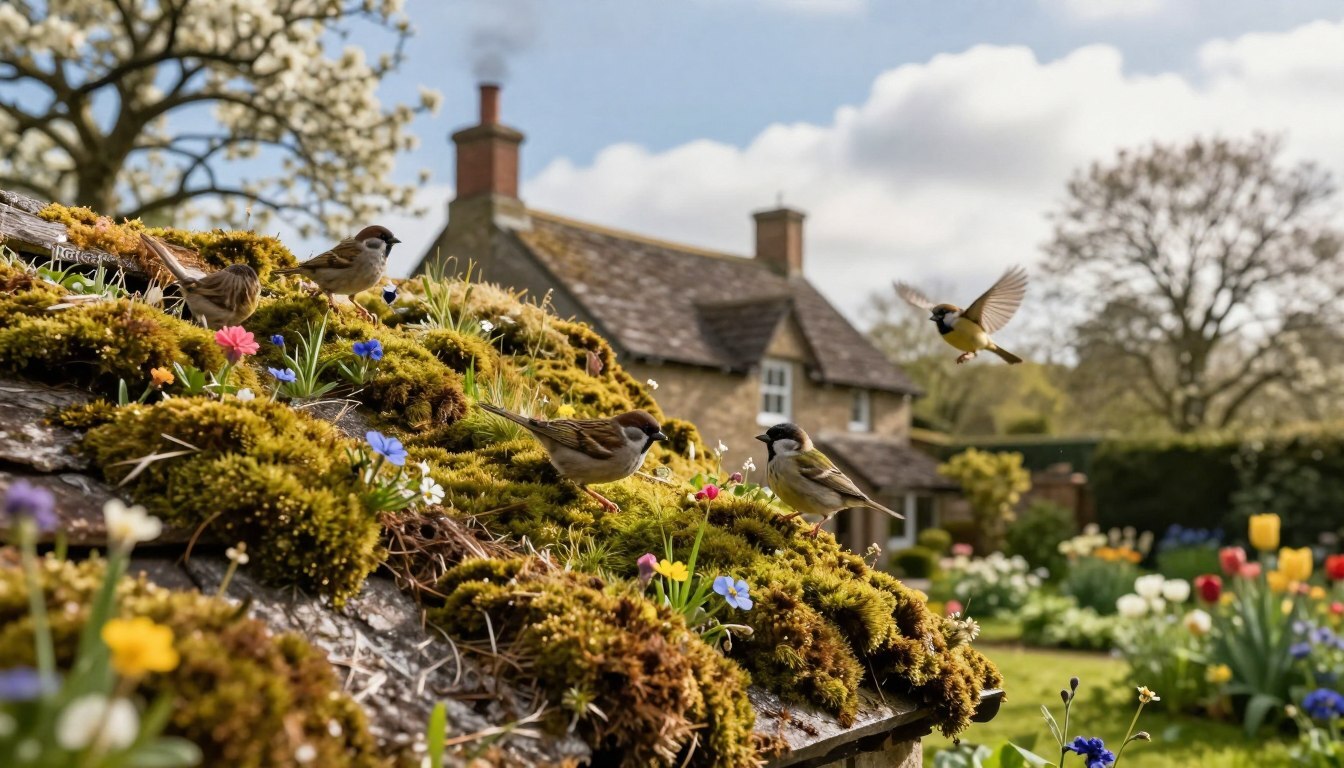
We believe proactive maintenance remains the best defense against these persistent invaders. Our team helps you identify early warning signs before minor patches turn into major structural damage. By addressing these concerns early, you ensure your residence stays dry, safe, and secure for years to come.
Key Takeaways
- Moss growth acts as a magnet for local avian species seeking food.
- Frequent bird activity causes premature wear on roofing materials.
- Ignoring green patches often leads to expensive water infiltration.
- Professional inspections help detect hidden damage beneath the surface.
- Regular cleaning preserves the lifespan of your home's exterior.
Why Birds Love Mossy Roofs (and Why That’s Bad News)
The relationship between birds and mossy roofs is far more complex and destructive than most property owners realize. While a lush, green roof might look picturesque, it acts as a magnet for local bird populations that can cause significant damage to your home. Understanding why birds love mossy roofs is the first step in protecting your property from long-term structural decay.
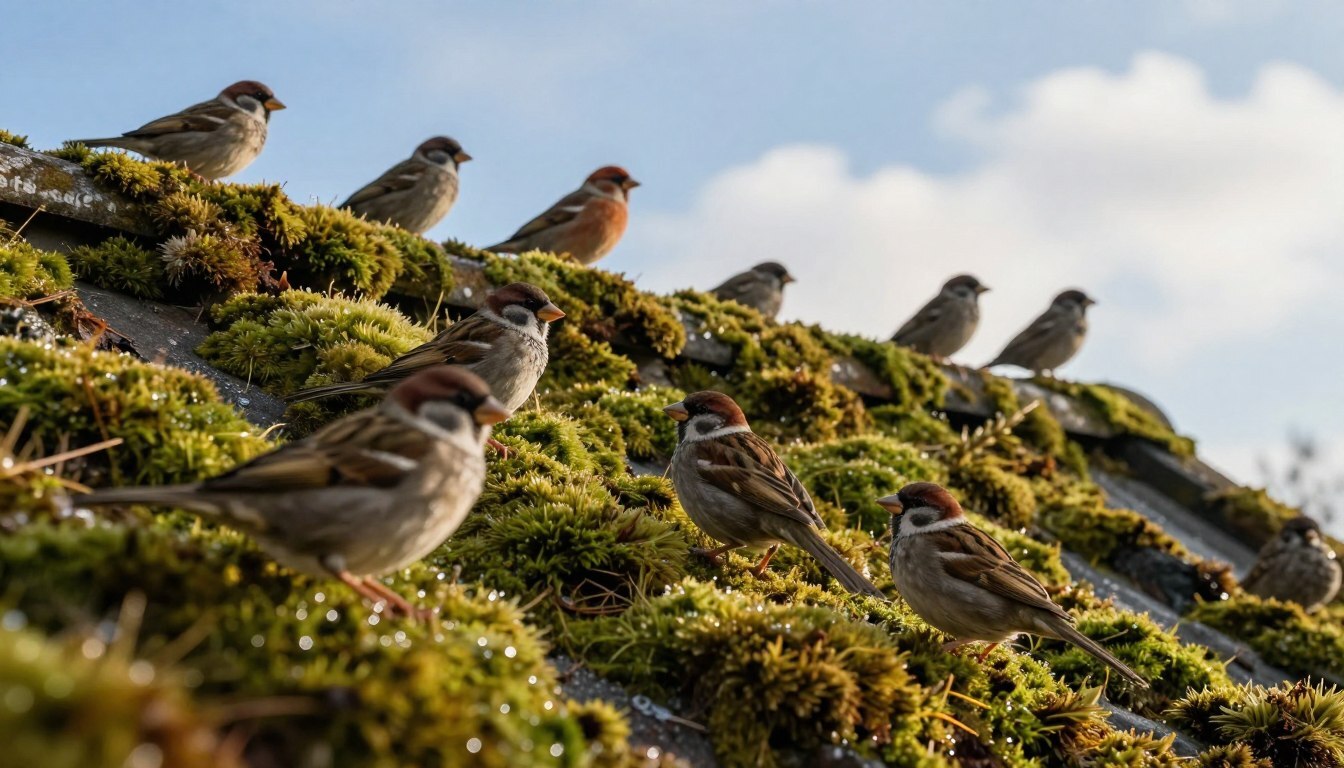
These avian visitors are not merely resting on your shingles; they are actively foraging. Moss acts as a dense, damp sponge that traps moisture and creates a perfect environment for small insects and larvae. Birds frequently peck at these mossy roofs to extract these hidden food sources, which often leads to the displacement of shingles and the compromise of your roof's protective barrier.
— Professional Roofing Consultant
This interaction creates a cycle of degradation that accelerates over time. As birds disturb the moss and the underlying roofing material, they create new entry points for water to seep into your attic and wall cavities. We have observed that what seems like a harmless natural occurrence is actually a precursor to serious roof decay.
| Feature | Moss-Free Roof | Mossy Roofs |
|---|---|---|
| Moisture Levels | Low (Dries quickly) | High (Retains water) |
| Insect Activity | Minimal | High (Attracts birds) |
| Structural Integrity | Stable | Compromised |
| Maintenance Needs | Low | High (Urgent) |
Ignoring these signs can lead to expensive repairs that go far beyond simple cleaning. By recognizing the risks associated with mossy roofs, you can take proactive steps to maintain your home's longevity and prevent the costly damage caused by persistent bird activity.
The Biological Attraction: What Moss Offers Avian Visitors
We often overlook the hidden biological factors that turn a simple roof into a bustling avian habitat. When moss begins to colonize your shingles, it transforms your home into a specialized environment that provides essential resources for local wildlife. Understanding the ecological impact of birds on mossy roofs is the first step in reclaiming your property from unwanted visitors.
The Role of Moisture and Micro-habitats
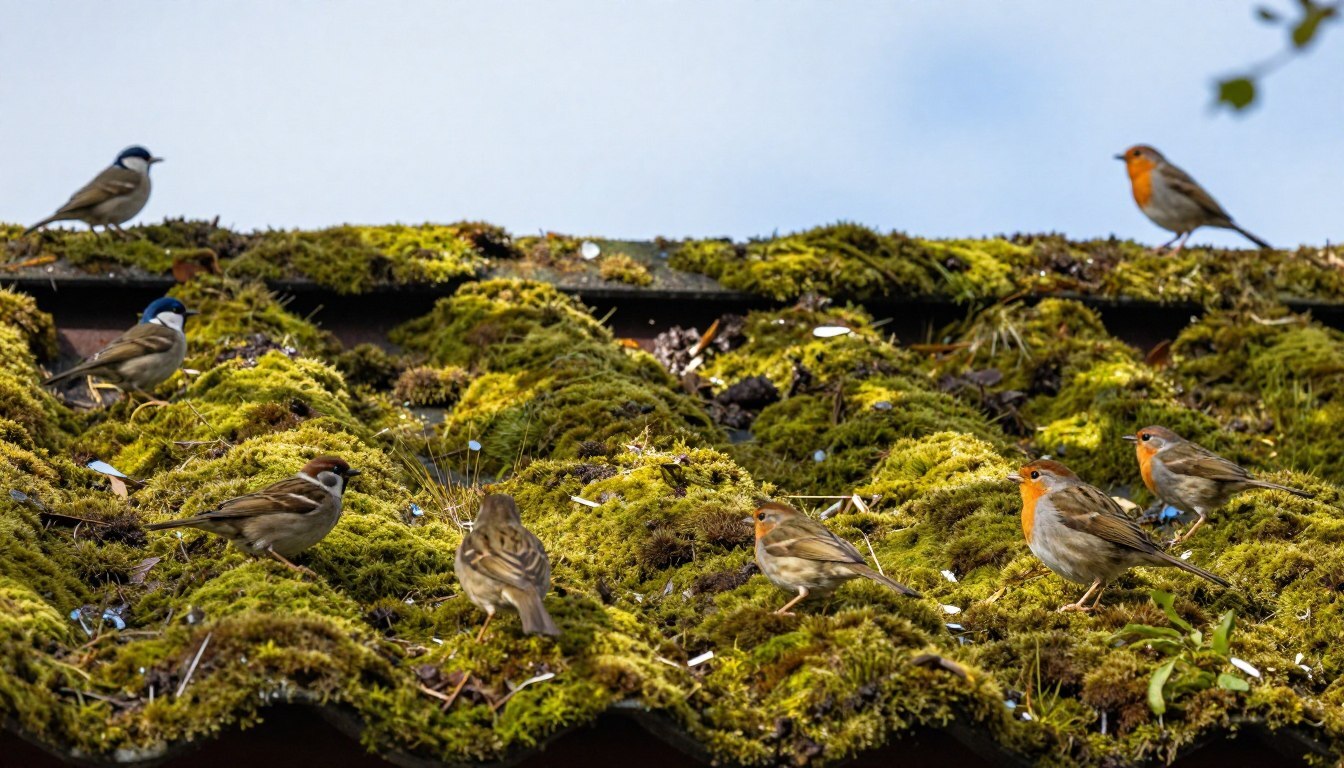
Moss acts like a natural sponge, retaining significant amounts of water long after a rainstorm has passed. This moisture creates a cool, humid micro-habitat that remains comfortable even during the heat of the day. Birds are naturally drawn to these damp patches, as they provide a reliable source of hydration and a refuge from harsh environmental conditions.
Moss as a Source of Nesting Material
Beyond hydration, moss serves as a premium building supply for many bird species. Its fibrous, soft texture makes it an ideal material for constructing sturdy and insulated nests. When birds harvest moss from your roof, they are not just cleaning your shingles; they are actively stripping away the protective layers of your roofing system to build their homes elsewhere.
Insects and Foraging Opportunities
A mossy roof is rarely just moss; it is a thriving ecosystem teeming with microscopic life. The dense mat of vegetation provides a perfect breeding ground for small insects, larvae, and spiders. This abundance of food creates a significant ecological impact of birds on mossy roofs, as avian visitors frequently forage across your shingles to feed on these hidden populations.
This constant foraging activity often leads to further physical damage. As birds peck and scratch at the moss to reach their prey, they inadvertently loosen granules and dislodge shingles. Protecting your roof requires recognizing that these biological attractions are not merely a nuisance, but a direct threat to your home's structural integrity.
Structural Risks: How Moss Compromises Your Roofing System
Beyond its aesthetic appeal, moss acts as a silent destroyer of residential roofing systems. Many homeowners underestimate the mossy roof hazards that develop when this vegetation takes hold. What appears to be a soft, green layer is actually a complex organism actively working to dismantle your home's primary defense against the elements.
Moisture Retention and Shingle Degradation
Moss thrives by absorbing and holding onto significant amounts of water. This constant state of dampness keeps your roofing materials, such as asphalt shingles or clay tiles, in a perpetual cycle of saturation. Over time, this moisture leads to premature rot and the chemical breakdown of the protective granules on your shingles.
As the material degrades, it loses its ability to reflect sunlight and shed water effectively. This process accelerates the aging of your roof, turning a durable surface into a brittle, porous mess. Without intervention, the structural integrity of the underlying deck begins to fail.
The Weight of Moss and Its Impact on Roof Integrity
We must consider the physical burden that moss places on your home. When moss becomes saturated during heavy rainfall, it acts like a giant sponge, adding significant weight to your roof deck. This excessive load can stress the rafters and structural supports beyond their intended capacity.
This added weight is a common cause of roof damage from moss that often goes unnoticed until a leak occurs. During winter months, this trapped moisture can freeze and expand, further straining the materials. This cycle of expansion and contraction creates micro-cracks that compromise the entire system.
How Moss Creates Entry Points for Water
The physical growth of moss is aggressive and invasive. As it spreads, the root-like structures, known as rhizoids, force their way underneath the edges of shingles. This action physically lifts the shingles, breaking the critical seal that keeps your home watertight.
Once these gaps are created, wind-driven rain can easily penetrate the roof deck. These mossy roof hazards effectively turn your roof into a sieve, allowing water to seep into your attic and wall cavities. Addressing this roof damage from moss early is the only way to prevent expensive interior water damage and long-term structural decay.
The Domino Effect: From Moss to Pests and Structural Decay
The presence of moss on your roof is rarely just a cosmetic issue; it is the start of a dangerous chain reaction. When you allow organic growth to take hold, you are inadvertently creating a hospitable environment for a variety of unwanted guests. The combination of birds and mossy roofs creates a unique ecosystem that invites further degradation of your home's exterior.
Attracting Larger Pests and Rodents
While birds are often the first to arrive, they are frequently followed by more destructive visitors. Rodents and other small animals are drawn to the shelter provided by thick moss mats and the nesting materials left behind by avian activity. These pests often burrow into the eaves and soffits, seeking warmth and protection from the elements.
Once these animals establish a presence, they can cause significant damage to your insulation and electrical wiring. Ignoring these early signs often leads to a much larger infestation that is difficult and costly to eradicate.
The Cycle of Rot and Wood Decay
Moss acts like a sponge, holding moisture against your roof deck for extended periods. This constant dampness prevents the shingles from drying out, which eventually leads to the softening of the underlying wood structure. As the wood begins to rot, it loses its structural integrity, creating soft spots that are prone to leaks.
This cycle of decay is accelerated by the debris trapped within the moss. When you fail to address the issue, you are essentially allowing your roof to decompose from the outside in. Protecting your home requires breaking this cycle before it leads to irreversible damage to your roof deck.
Long-term Financial Implications for Homeowners
The financial burden of ignoring these issues can be substantial. What starts as a simple cleaning task can quickly escalate into a full-scale roof replacement if the structural damage becomes severe. We strongly recommend proactive maintenance to avoid these heavy repair costs.
Investing in regular care is far more economical than dealing with the aftermath of rot and pest damage. By staying ahead of the curve, you ensure the longevity of your roofing system and protect your property value. Do not wait until the damage becomes visible from the inside of your home.
Identifying Early Warning Signs of Roof Infestation
Recognizing the subtle warning signs of a compromised roof can save you thousands in restoration costs. By staying vigilant, you can mitigate mossy roof hazards before they compromise the structural integrity of your home. We recommend performing a ground-level inspection at least twice a year to catch these issues early.
Visual Indicators of Moss Growth
The most obvious sign of trouble is the appearance of green or fuzzy patches on your shingles. Moss thrives in damp, shaded areas and often starts in the crevices between shingles. If you notice your shingles curling or lifting, this is a clear sign that moisture is trapped underneath.
- Dark, damp patches that do not dry out after a sunny day.
- Granule loss accumulating in your gutters or downspouts.
- Visible green or brown growth spreading across the roof surface.
Observing Increased Bird Activity
Birds are naturally drawn to the micro-habitats created by moss. If you notice a sudden increase in avian traffic, it is often a sign that your roof has become a thriving ecosystem for insects and nesting materials. This activity is one of the most overlooked mossy roof hazards that homeowners should monitor.
Pay attention to birds landing frequently in specific spots on your roof. They are likely foraging for food or gathering materials to build nests. Persistent activity in one area often indicates that the moss has already begun to soften the underlying roofing materials.
Detecting Interior Water Damage
Sometimes, the first sign of a problem is not on the roof, but inside your home. Water that penetrates the roof barrier will eventually show up on your ceilings or walls. You should look for these specific indicators during your routine home maintenance:
- Yellow or brown water stains appearing on your attic ceiling.
- A musty or damp odor in the upper levels of your house.
- Peeling paint or wallpaper near the roofline or eaves.
Early detection is the most effective way to minimize repair costs and maintain your home's value. If you spot any of these signs, it is time to address the mossy roof hazards immediately to prevent further decay.
Environmental and Health Hazards of Bird Activity on Roofs
While mossy roofs might seem like a natural habitat for birds, they create a cascade of environmental and health hazards for homeowners. The ecological impact of birds on mossy roofs is significant, as their presence often accelerates the deterioration of roofing materials. We believe that understanding these risks is vital for maintaining a safe and healthy living environment for your family.
The Corrosive Nature of Bird Droppings
Bird droppings are surprisingly acidic, which poses a direct threat to the longevity of your shingles. When these droppings accumulate on a moss-covered surface, they create a chemical reaction that can eat away at protective granules and asphalt coatings. Over time, this process weakens the structural integrity of the roof, making it more susceptible to leaks.
— Professional Roofing Consultant
Air Quality and Health Concerns
The accumulation of bird waste and decaying moss creates a breeding ground for harmful bacteria and fungal spores. When these particles become airborne, they can be drawn into your home through ventilation systems or attic gaps. This leads to poor indoor air quality, which may trigger respiratory issues or allergic reactions for sensitive individuals.
Furthermore, the environmental effects of birds on roofs often involve the introduction of parasites and pathogens. These contaminants can settle in your insulation, creating long-term health hazards that are difficult to remediate. We strongly recommend addressing these issues early to prevent the spread of mold and bacteria throughout your living space.
Impact on Gutter Systems and Drainage
Birds often dislodge moss and debris, which then washes into your gutter systems during rainstorms. This creates blockages that prevent water from flowing away from your home's foundation. When water pools on the roof or overflows from clogged gutters, it increases the risk of wood rot and interior water damage.
| Hazard Type | Primary Cause | Potential Consequence |
|---|---|---|
| Chemical Corrosion | Acidic Droppings | Shingle Granule Loss |
| Airborne Pathogens | Fungal Spore Growth | Respiratory Irritation |
| Drainage Failure | Debris Accumulation | Foundation Water Damage |
Maintaining clear gutters is essential to mitigate these risks and ensure your roof functions as intended. By preventing the buildup of moss and bird-related debris, you protect your home from costly structural repairs. We encourage homeowners to prioritize regular inspections to keep their drainage systems clear and effective.
Professional Maintenance Strategies for Moss Prevention
We believe that consistent care is the most effective way to protect your home from the hidden dangers of moss. Implementing a regular schedule for mossy roof maintenance helps you identify small issues before they evolve into expensive structural repairs.
Understanding the importance of preventing moss on roofs is the first step toward a longer-lasting home exterior. By staying ahead of organic growth, you ensure that your shingles remain functional and your roof deck stays dry.
Routine Roof Inspections and Cleaning
We recommend scheduling professional inspections at least twice a year. During these visits, experts look for early signs of moisture buildup and debris accumulation that often precede moss colonization.
When cleaning is necessary, always prioritize non-abrasive methods. High-pressure washing can strip away protective granules from your shingles, which actually makes the surface more porous and susceptible to future growth. You can learn more about why this is critical by reviewing the dangers of roof moss and why you should remove it.
Choosing the Right Moss Treatment Solutions
Selecting the correct treatment is vital for both your roof's health and the surrounding environment. We advise using eco-friendly, biodegradable solutions that target moss at the root without damaging your landscaping or water runoff systems.
Avoid harsh chemicals that may corrode metal flashing or degrade asphalt components. Safe, professional-grade treatments effectively neutralize spores, preventing them from returning quickly after the initial cleaning process.
Preventative Measures for Long-term Protection
Beyond cleaning, you can take active steps to discourage moss from returning. Trimming overhanging tree branches is one of the most effective ways to increase sunlight exposure and improve airflow across your roof surface.
Installing mineral-based deterrents, such as zinc or copper strips, can also provide long-term protection. These materials release ions during rainfall that naturally inhibit moss growth, making mossy roof maintenance significantly easier over time.
| Strategy | Frequency | Primary Benefit |
|---|---|---|
| Visual Inspection | Bi-annually | Early detection of damage |
| Soft-Wash Cleaning | As needed | Removes spores safely |
| Tree Trimming | Annually | Increases sunlight/airflow |
| Mineral Strips | Every 5-10 years | Long-term growth inhibition |
Recognizing the importance of preventing moss on roofs allows you to maintain your property value effectively. By combining these professional strategies, you create a robust defense system that keeps your home safe and dry for years to come.
When to Call for Expert Roof Restoration Services
Recognizing the signs that your roof requires expert restoration is the first step toward protecting your investment. While minor maintenance can often be handled by homeowners, certain conditions demand the specialized skills of a trained professional. We believe that timely action is the best way to prevent minor issues from escalating into costly structural failures.
Assessing the Severity of Damage
Determining the extent of your roofing issues is not always straightforward. You must look for signs of roof damage from moss that go beyond simple surface discoloration. If you notice shingles that are curling, missing, or showing signs of granular loss, the integrity of your roof may already be compromised.
Deep-seated moisture retention often leads to wood rot in the decking beneath your shingles. If you observe soft spots when walking on the roof or see sagging areas, you should seek an immediate professional evaluation. These are clear indicators that the underlying structure needs urgent attention to maintain the safety of your home.
Why Professional Intervention is Necessary
Attempting to address complex roofing problems without the proper equipment can be dangerous and ineffective. Professionals possess the tools and expertise to identify hidden vulnerabilities that are often missed during a casual inspection. We understand the environmental effects of birds on roofs, which can accelerate the degradation of materials through acidic droppings and debris accumulation.
DIY methods often fail to address the root cause of persistent growth or structural decay. By choosing professional services, you ensure that the job is done safely and thoroughly. You can learn more about our approach by reviewing our roof cleaning cost in Falls Church to understand the value of expert care.
Contacting Our Team at (703) 261-8228 for Assistance
We are committed to providing honest, effective solutions tailored to your specific roofing needs. If you are concerned about the condition of your home, do not hesitate to reach out for a comprehensive assessment. Our team is ready to help you restore your roof to its optimal state.
Please contact our team at (703) 261-8228 for assistance today. We prioritize clear communication and high-quality workmanship to ensure your peace of mind. Let us help you protect your home from the long-term impacts of neglect and environmental wear.
Conclusion
Your roof serves as the primary shield for your family and your belongings. Neglecting small patches of growth leads to expensive structural repairs that could have been avoided with consistent care.
We believe that proactive mossy roof maintenance remains the most effective way to extend the lifespan of your shingles. By staying ahead of biological growth, you keep your home safe from water intrusion and pest infestations.
Understanding the importance of preventing moss on roofs allows you to take control of your property value. Small steps taken today prevent major headaches in the future.
We encourage you to inspect your roofline regularly for signs of debris or moisture. Reach out to our team at (703) 261-8228 to schedule a professional assessment. Securing your roof today provides lasting peace of mind for your entire household.
FAQ
The primary reason why birds love mossy roofs is that moss serves as a thriving micro-habitat for insects, such as beetles and ants, providing a consistent foraging ground. Additionally, birds frequently use the soft, damp moss as a primary source of nesting materials during the breeding season.
One of the most significant mossy roof hazards is moisture retention. Moss acts like a sponge, keeping water against your shingles and leading to premature rot and wood decay. This extra moisture also increases the weight loads on your roof deck, which can compromise the entire structural integrity of your home during heavy North American rainstorms.
The relationship between birds and mossy roofs is physically destructive; as birds peck at the moss to find food, they often lift, displace, or tear the edges of asphalt shingles. This mechanical damage breaks the protective seal of your roofing system, creating entry points for leaks and further roof damage from moss accumulation.
The ecological impact of birds on mossy roofs often initiates a "domino effect" of infestation. The activity of birds and the presence of organic material can attract larger pests, such as rodents or squirrels, looking for shelter. This cycle quickly transitions from a simple moss growth issue to a full-scale pest infestation within your eaves and attic.
Yes, the environmental effects of birds on roofs include the accumulation of corrosive bird droppings, which can eat through roofing membranes. Furthermore, when moss and droppings clog your gutters, it leads to standing water and mold growth, which can eventually penetrate your home and degrade the indoor air quality.
The importance of preventing moss on roofs cannot be overstated because early intervention is significantly more cost-effective than a total roof replacement. By stopping moss growth, you prevent the structural decay caused by water infiltration and ensure that birds do not turn your home into a permanent feeding station.
Our mossy roof maintenance strategy focuses on using non-abrasive, eco-friendly cleaning solutions that kill moss spores without damaging the granules on your shingles. We also recommend preventative measures such as trimming overhanging branches to increase sunlight and installing mineral-based deterrents like zinc or copper strips to inhibit future growth.
If you notice interior water stains, visible shingle degradation, or a significant increase in bird activity, DIY methods are likely insufficient. We recommend contacting our team at (703) 261-8228 for a professional assessment. Our experts can identify hidden damage to the roof deck that may not be visible from the ground, ensuring your home remains safe and dry.
© 2026 All Rights Reserved