
Why Metal Roofs Need Specialized Soft Washing Techniques
Metal roofing can be cleaned safely, but the method must protect its finish, seams, and fasteners as well as remove dirt. Harsh washing can scratch paint or drive water into vulnerable joints. A gentle approach helps us avoid that damage while still clearing grime from the panels.
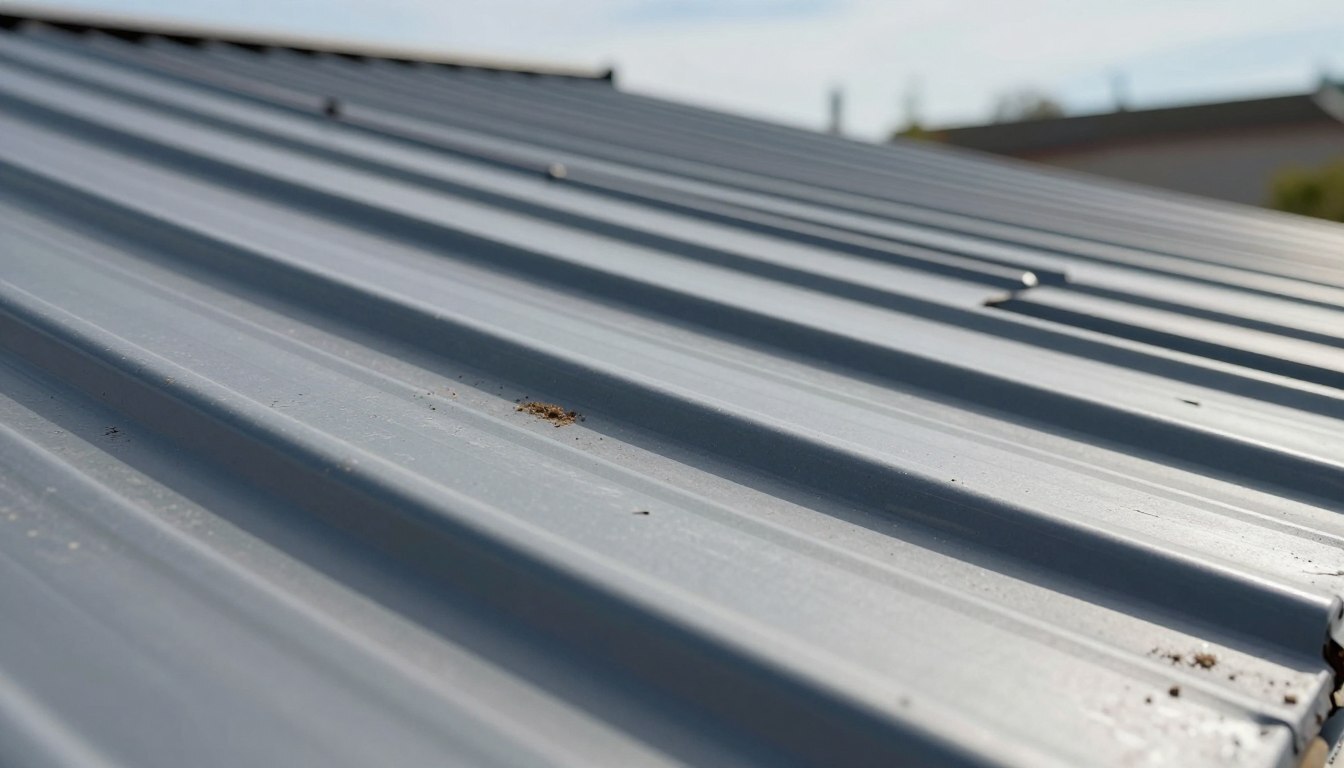
Chalking is a white, powdery residue caused by breakdown of the topcoat on painted metal roofing. We’ll cover how to check the finish, choose a gentle method, clean and rinse the panels, and decide when a professional should handle the job. The safest starting point is to check the panel manufacturer’s care instructions before choosing a cleaner or tool.
Key Takeaways
- Follow the panel manufacturer’s cleaning and warranty instructions.
- Use a mild, compatible cleaner and gentle tools.
- Rinse thoroughly without directing force beneath seams.
- Remove leaves and other organic debris as they collect.
- Do not climb onto a roof that feels unsafe to access.
Metal Roofs Soft Washing: Why Gentle Methods Matter
Dirt, pollen, and organic debris can hold moisture against metal panels and put the finish at risk. Gentle washing can remove that buildup without the force that may harm paint or push water into seams. Dirt left in place can also hold dampness against the roof for longer.
A mild solution and gentle rinse protect the finish better than forceful washing. Metal roofing often has a factory-applied paint or protective coating, called the finish. Paint systems such as PVDF and SMP can have different cleaning recommendations, so one cleaner may not suit every roof.
"Remove buildup without forcing water beneath seams or abrading the finish."
When debris stays wet against a panel, the metal and its coating face prolonged exposure to moisture. That condition may contribute to corrosion or coating deterioration. Regular care helps us remove grime before it becomes difficult to clear, while keeping the cleaning method compatible with the finish.
Soft washing relies on a mild cleaning solution and controlled application, not aggressive scrubbing. We can use water and a gentle cleaner to loosen dirt, then rinse the surface carefully. This approach is especially important where panels overlap or connect to flashing and other roof parts.
Strong chemical products can change the color or condition of a finish, even if they remove a stain quickly. The panel manufacturer’s instructions should guide cleaner choice. Cleaning should remove the buildup without forcing water beneath seams or abrading the finish.
How Often Should You Clean a Metal Roof?
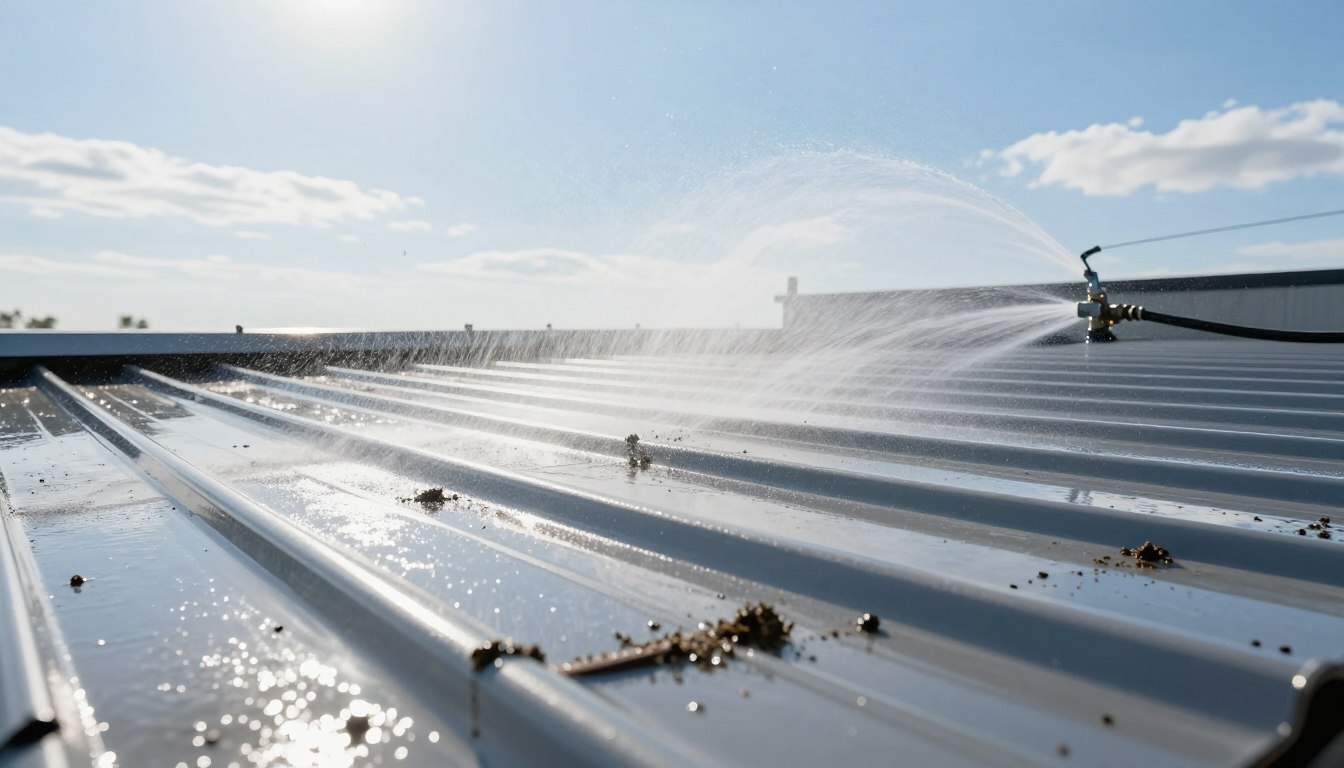
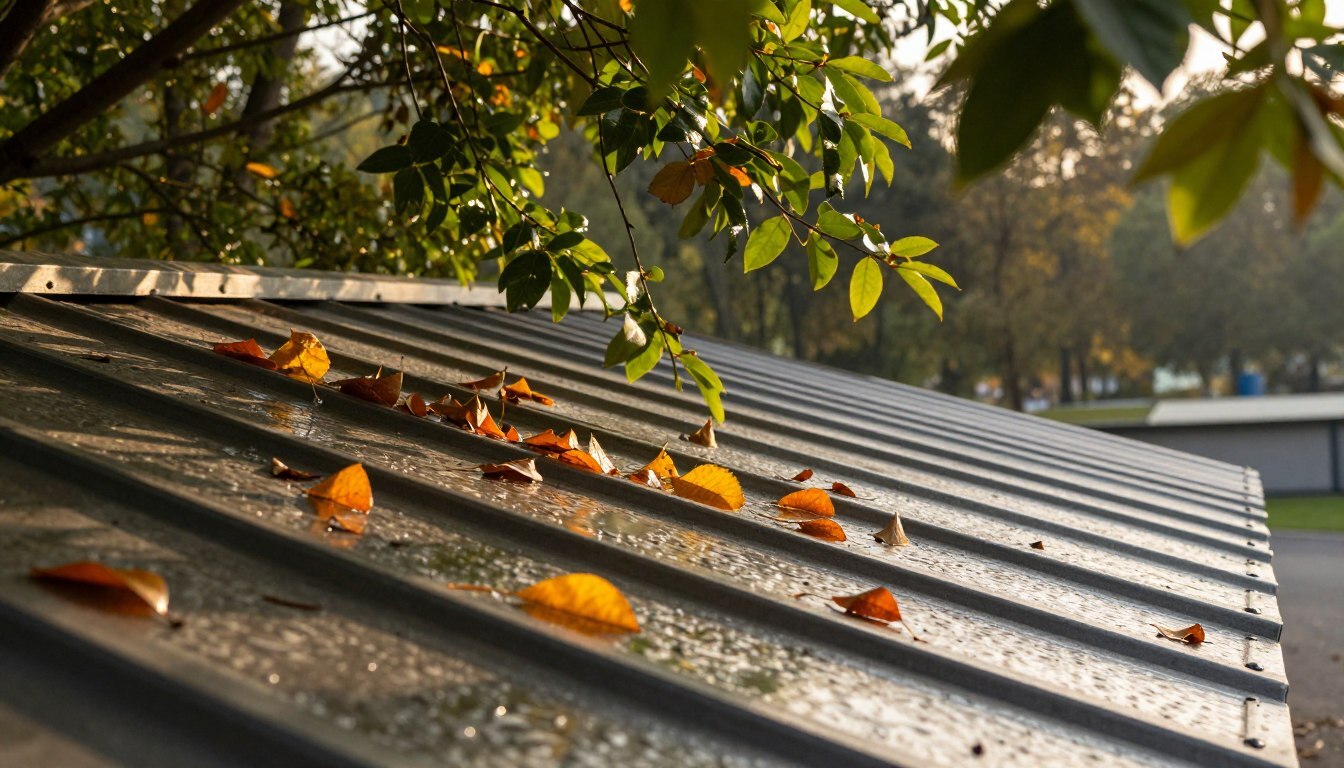
Remove leaves and other organic debris when it accumulates, but set the full-wash schedule according to the roof’s condition and exposure. Debris removal is not the same as washing every panel. Promptly clearing leaves helps prevent moisture from sitting against the roof.
A general interval for routine roof cleaning is every 5 to 10 years, depending on climate and condition. Recommendations differ because a simple annual cleaning may suit one maintenance plan, while a less frequent full wash may suit a roof with little buildup.
| Maintenance action | Suggested timing | Condition or purpose |
|---|---|---|
| Remove accumulated organic debris | Promptly as it appears | Avoid trapped moisture |
| Routine roof cleaning | Every 5 to 10 years | General interval based on climate and condition |
| More frequent cleaning | About twice a year or annually | Recommendations for different conditions and maintenance approaches |
Some maintenance guidance recommends cleaning about twice a year, such as in spring and fall, and removing organic debris promptly. Another recommendation calls for a simple annual cleaning. These approaches can include light maintenance rather than a full wash each time.
Exposure helps determine what makes sense. Salt near the sea can leave deposits, while shade and overhanging trees can keep panels damp and add leaves or other debris. A roof in Arizona may need less frequent washing than one near the coast, depending on its condition.
We should follow the panel manufacturer’s guidance and base the schedule on what the roof actually collects. A clean, dry roof may need less attention than one under dense branches. A coastal roof or a roof beneath trees may need attention sooner than a cleaner, drier roof.
What Should You Check Before Washing?
Before setting out a hose, identify the finish and look over the roof from a safe position. Ground-level checks can reveal visible issues without asking us to walk on metal panels. Paint systems such as PVDF and SMP may have different care requirements.
Do not wash over loose panels, damaged fasteners, or signs of a leak. Check the manufacturer’s cleaning and warranty instructions first. A visual inspection does not make it safe to walk on a roof, and it cannot confirm that every seam or fastener is sound.
- Identify the panel and finish type, using product records if available.
- Check the manufacturer’s cleaning and warranty instructions.
- Look from the ground for visible damage, loose fasteners, or corrosion.
- Note debris and staining that may need a professional assessment.
A yearly inspection can help reveal early oxidation and chalking. A broader visual check twice a year, ideally in spring and fall, can include seams, fasteners, panels, and roof penetrations. We can use binoculars from the ground when roof details are hard to see.
Look for a panel that appears bent or displaced, a fastener that seems raised, or a stain that suggests water may be getting through. If the surface is hard to view, do not climb closer just to make the check more exact. A qualified roofing professional can assess areas that are difficult to inspect safely.
Which Cleaners and Tools Are Safe?
For routine dirt on painted panels, start with plain water or a mild cleaner approved for the finish. Finish compatibility matters more than a product’s general reputation. The panel manufacturer’s instructions take priority over broad cleaning advice.
Mild, non-abrasive, roughly pH-neutral cleaners are a common choice for painted metal roofing. Read the product label and the roof-care instructions before use. Simple Green and Formula 409 are examples used on painted metal, but neither should override the manufacturer’s guidance.
Choose a cleaner that suits the finish
Plain water may remove loose dust and pollen without detergent. For more buildup, a mild detergent is a general option for painted metal, provided the finish instructions allow it. Avoid mixing cleaners or assuming that a chemical safe for one coating will suit another.
Use gentle tools instead of abrasive equipment
The best soft-washing methods for metal roofs pair gentle tools with a cleaner approved for the specific finish. A garden hose is a practical starting point. For localized stubborn dirt, use a soft-bristle brush or a non-abrasive sponge, and avoid scouring the paint.
| Option | Best use | Important limit or detail |
|---|---|---|
| Garden hose | Rinsing loose dirt | Use a gentle spray |
| Soft-bristle brush or non-abrasive sponge | Localized stubborn dirt | Avoid scouring and scratching |
| 30 Seconds Outdoor Cleaner | Tested product example | Ready to use in quantity, up to coverage limits; test instructions used no power washing |
Test an unfamiliar cleaner on an inconspicuous area and confirm the finish remains unchanged before treating a larger section.
How Do You Soft Wash a Metal Roof Step by Step?
Choose a cool, calm time to work so the solution is less likely to dry on a hot panel. Small sections are easier to manage than a large area treated all at once. Check the weather and avoid working when wind could carry cleaner onto nearby surfaces.
Use only one cleaner at a time, at a label or manufacturer-approved dilution. Chemical choices depend on the finish. Do not treat bleach advice for painted metal as universal, and do not use bleach on Galvalume unless the panel manufacturer expressly approves it.
Prepare the work area and roof surface
Begin by protecting nearby plants. Wet them with clean water before cleaning, then keep them rinsed during the job. Move outdoor items that could be affected by runoff, and avoid letting cleaning solution collect in places where it can dry.
Choose a cool period with little wind. Heat and direct sun can make a solution dry too quickly, leaving residue or uneven results. If the roof is hot to the touch from the ground-level edge, wait for cooler conditions instead of trying to work faster.
Clear loose leaves and similar debris before applying cleaner. Use a soft tool or a method that does not scratch the panels. Sharp tools can cut or gouge the finish, turning a simple cleaning job into a repair concern.
Apply the solution in manageable sections
Mix one compatible cleaner at its label direction or approved dilution. For light dirt, one suggested mixture is one-fourth cup of pH-neutral dish soap per gallon of water, provided the panel manufacturer permits it. Do not add bleach or another chemical to the mixture.
Apply the solution gently to a small area, working in a way that avoids directing water beneath overlaps or seams. Keep the section wet as the cleaner works. If the area is large, divide it into sections that can be rinsed before the solution dries.
Let the cleaner work before gentle spot-scrubbing
For the light-dirt soap mixture, let the solution sit for 5 to 10 minutes before gently scrubbing stubborn spots and rinsing thoroughly. Follow the cleaner’s label if it gives a different contact time. Do not let the solution dry on the panel while waiting.
Use a soft-bristle brush only where needed. Work lightly over the spot, then check whether the dirt is loosening. If it does not respond, stop rather than increasing force or adding a stronger chemical without checking the finish guidance.
How Should You Rinse and Finish the Job?
Rinse each washed area thoroughly with clean water before applying cleaner to another section. Section by section, rinse from the ridge toward the eave so runoff moves down the roof. This helps clear residue without directing force into vulnerable joints.
Keep the spray gentle and do not aim it beneath seams, ridge caps, or panel overlaps. High-pressure water can force its way under roof parts or harm paint when used improperly. Rinse until suds and visible cleaner are gone before treating another area.
Watch the runoff as it travels down the panels. If suds remain, continue rinsing that area rather than applying more cleaner nearby. Rinsing fully matters because even a mild cleaner can leave residue if it dries on the surface.
Check gutters and nearby plants during cleanup. Runoff can carry cleaner and loosened dirt into gutters, so clear any visible residue and rinse surrounding plants with clean water. Keep the spray away from openings where water could enter beneath the roofing.
What Do Stains and White Chalking Mean?
A white powder that transfers to a finger may be chalking, not ordinary dust. That transfer is a useful clue, but it does not tell us whether the coating still protects the metal. Chalking comes from breakdown of the topcoat on painted metal roofing.
Washing can remove chalking powder, but it cannot restore the paint. Sunlight can break down paint resin and leave a white, powdery residue. If the finish is deteriorating, stronger washing will not repair it and may make the surface worse.
Separate surface growth and rust stains from coating changes
Algae and mildew are surface growth that may need treatment approved for the finish. A stain can also come from runoff, debris, or another material resting on the panel. Check the area carefully before choosing a spot treatment or stronger cleaning method.
Some stubborn residues may need spot treatment with isopropyl alcohol or mineral spirits, but only when the finish instructions allow it. These solvents are for limited spot cleaning, not for washing an entire roof. Test a small, hidden area first if the manufacturer permits the product.
Recognize chalking and oxidation
Aluminum does not rust, but it can develop white oxidation spots. Galvanized steel can rust when its protective coating wears down and exposes the steel. The color alone may not identify the metal or explain the cause, so avoid treating every white or orange mark alike.
Check whether powder transfers to a finger without rubbing hard. That can point to chalking, while persistent rust may signal that the protective layer has worn away. A gentle wash may clear loose residue, but it cannot restore failed paint or replace damaged metal.
Can You Use a Pressure Washer on Metal Roofing?
A pressure washer is not the default tool for metal roofing because excessive pressure can damage the finish or push water under seams. A garden hose is the safer choice for most rinsing. A dedicated soft-wash system can apply cleaner at low pressure.
Never use a pressure washer above 500 psi on a metal roof. If a washer is used, choose its lowest setting, use a broad spray tip, and keep the nozzle well back from the surface. Avoid directing the stream at seams or panel overlaps.
High pressure can peel paint when used improperly and may send water beneath roof components. A narrow spray or a close nozzle can concentrate force on a small area. That can harm the surface even when the panel appears sturdy.
For moss or other growth, a professional moss and stain removal service can assess the roof’s material before choosing a method. Choose a garden hose instead whenever you cannot control the washer’s pressure and spray pattern confidently.
What Does Professional Roof Cleaning Cost?
In 2026, U.S. professional roof cleaning averaged $461, but a soft-wash quote depends on the roof and work involved. Roof size and access affect the estimate, along with pitch, shape, and the cleaning needed. General roof-cleaning figures are not a guaranteed price for a metal roof.
The reported overall range for professional roof cleaning in 2026 was $150 to $1,000. One listing for a 1,600-square-foot metal roof gives $350-$700 for high-pressure cleaning, including labor and materials. That figure is for high-pressure cleaning, not a quoted soft-wash price.
| Roof or service example | Reported price | Scope or condition |
|---|---|---|
| U.S. professional roof cleaning average | $461 | 2026 average |
| Overall roof-cleaning range | $150-$1,000 | 2026 reported range |
| Standard accessible roof | $200-$600 at 1,000 sq ft; $400-$1,200 at 2,000 sq ft | High angles or difficult access can cost more |
A standard, easily accessible roof may fall within those listed ranges. High angles, unusual shapes, or difficult access can increase the price. A metal roof’s pitch and panel condition may also affect the method a cleaner proposes.
- Ask what method and pressure the crew will use.
- Confirm the cleaner is compatible with the roof finish.
- Ask how workers will protect plants and property.
- Request the written scope and proof of insurance.
Homeowners can contact a local provider for a roof-specific estimate. The supplied contact number is (703) 261-8228, but a call does not set a price or confirm availability. Ask the provider to describe the method and cleaner in writing before approving the work.
How Can Routine Maintenance Prevent Buildup?
Small, regular checks can keep leaves and debris from sitting against the panels for long periods. Quick upkeep helps limit trapped moisture and makes new stains easier to notice. It also gives us a chance to spot visible changes before they are hidden by more buildup.
Keep organic debris and gutters from holding water against the roof. Gutters should generally be cleared at least twice a year. Leaves and branches that collect along panel edges can stay damp and may contribute to staining or coating problems.
- Remove organic debris promptly.
- Keep gutters clear.
- Trim overhanging branches that drop debris.
- Check for visible rust, loose fasteners, or new staining from a safe vantage point.
Zinc strips release ions when rain runs over them and may inhibit moss and algae. They provide less coverage and potency than copper strips, so they should not be treated as a complete control method. Performance depends on the product and exposure.
When Should You Hire a Professional?
Hire a professional if the roof is steep, high, damaged, or beyond your comfort level at height. Safety comes first on wet, slick metal panels. A professional can assess the condition and select a cleaning method suited to the roofing material.
Do not climb onto wet metal roofing or continue when the ladder or fall-protection setup feels unsafe. Work from ladders and at heights carries serious hazards. A ground-level rinse is not worth risking a fall.
"Do not climb onto wet metal roofing or continue a job when the ladder or fall-protection setup feels unsafe."
We should choose a cleaner who understands metal roofing rather than assuming every roof can be washed the same way. Professional crews can inspect the surface, use suitable equipment, and explain how they will protect the property. Hiring a professional roof cleaner can also be useful when height, access, or material concerns make a DIY job risky.
- Do you have insurance?
- Do you regularly clean metal roofs?
- What cleaner and pressure will you use?
- Will you put the scope and property-protection plan in writing?
Conclusion
A metal roof stays easier to maintain when we remove buildup gently and respect its finish. Mild, approved cleaning and thorough rinsing are the core of safe care. Forceful washing or an incompatible chemical can damage a coating that protects the panels.
Our next step is simple: check the panel manufacturer’s care instructions, then decide whether a safe ground-level rinse is enough or a qualified professional should handle the work. For assistance in Northern Virginia, call (703) 261-8228.
Frequently Asked Questions
How much does it cost to have a roof soft washed?
U.S. professional roof cleaning averaged $461 in 2026, with a reported overall range of $150 to $1,000. Those figures describe general roof cleaning, not a specific soft-wash quote. The price for a metal roof depends on its size, pitch, shape, access, and cleaning needs. Ask for a written estimate that states the method and scope.
What is the biggest problem with metal roofs?
There is no single biggest problem for every metal roof. Dirt and organic debris can trap moisture against panels, which may contribute to corrosion or coating deterioration. Other concerns include damaged fasteners, loose panels, and finish wear. Regular checks from a safe position help us notice changes, but a roofer should assess damage or signs of a leak.
Is a roof soft wash worth it?
A soft wash can be worthwhile when grime or surface growth needs removal and the method protects the finish. Loose dirt may need only a gentle rinse from a garden hose. Before washing, check the panel manufacturer’s cleaner guidance and the roof’s condition. A wash does not repair chalking, rust damage, or a failing coating.
What do professionals use to clean metal roofs?
Professionals may use low-pressure application with a garden hose or a dedicated soft-wash system, paired with a mild cleaner compatible with the finish. The panel manufacturer’s instructions should guide the product choice because paint systems can differ. A professional should also explain the pressure, cleaner, and property-protection plan before starting work.
How to soft wash a metal roof?
Use a mild solution approved for the finish, apply it at low pressure in small sections, and keep it from drying. For the light-dirt soap mixture, allow 5 to 10 minutes before gently treating stubborn spots with a soft brush. Rinse thoroughly with clean water. Do not generalize bleach recommendations to every metal roof or use bleach on Galvalume without approval.
What is the white powder people put on their roofs?
Zinc sulfate is a moss-control powder, while chalking is a white, powdery residue caused by breakdown of a painted roof’s topcoat. They are not the same thing. Chalking may transfer to a finger and can be washed away, but cleaning does not restore the paint. Check product directions before using any moss-control treatment.
How long does a zinc strip last on a roof?
A zinc strip has no dependable lifespan that applies to every roof. Its performance depends on the product and exposure, including how rain reaches the strip and the panels below it. Check the strip manufacturer’s guidance and inspect its condition for wear. Zinc strips may inhibit moss and algae, but they provide less coverage and potency than copper strips.