CALL NOW TO GET A FREE ESTIMATE->

Why White Siding Shows Algae Faster and How to Fix It
Homeowners often notice that light-colored exterior panels seem to attract green streaks more quickly than darker materials. This visual contrast makes the presence of organic growth much more apparent on bright surfaces. Moisture retention serves as the primary catalyst for these unsightly patches, especially in shaded or humid environments.
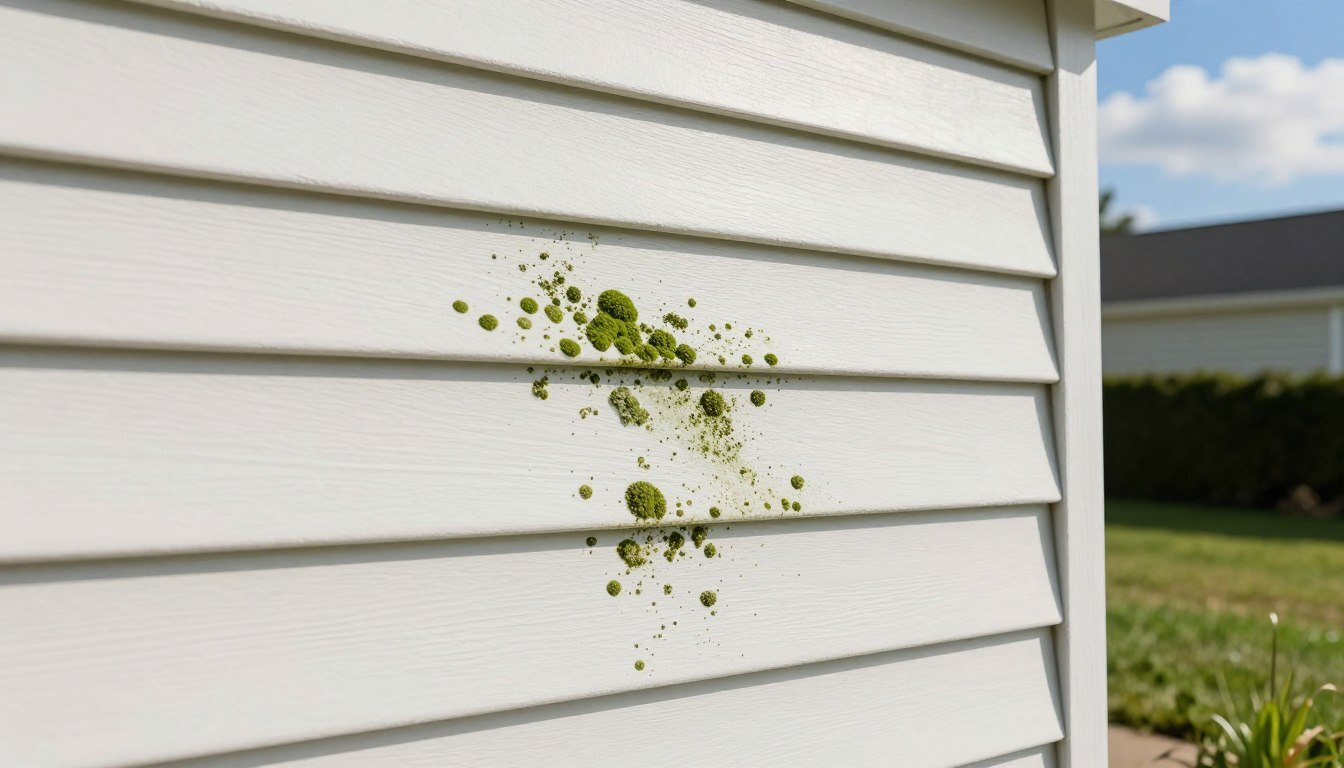
Organic debris, poor airflow, and constant dampness create a perfect breeding ground for spores. Beyond the aesthetic impact, these growths can trap heat against your home, which is why we emphasize the impact of clean roofs on energy. Maintaining a pristine exterior is essential for thermal regulation and long-term property value.
If you struggle with persistent green stains, our team provides professional solutions to restore your home's curb appeal. Please call us at (703) 261-8228 for expert assistance when the problem becomes difficult to manage on your own.
Key Takeaways
- Light-colored surfaces highlight organic growth due to high visual contrast.
- Excess moisture and shade are the main drivers of recurring green streaks.
- Regular maintenance prevents debris buildup that traps heat and moisture.
- Clean exteriors support better energy efficiency by improving solar reflectivity.
- Professional cleaning services ensure safe removal without damaging delicate materials.
- Contact our experts at (703) 261-8228 for persistent or extensive buildup issues.
Why White Siding Shows Algae Faster and How to Fix It
White siding acts like a blank canvas, making even the smallest amount of organic growth stand out immediately. Many homeowners wonder why white siding shows algae faster than darker materials, often assuming their home is deteriorating. In reality, the issue is usually a matter of visual contrast rather than a failure of the building material itself.
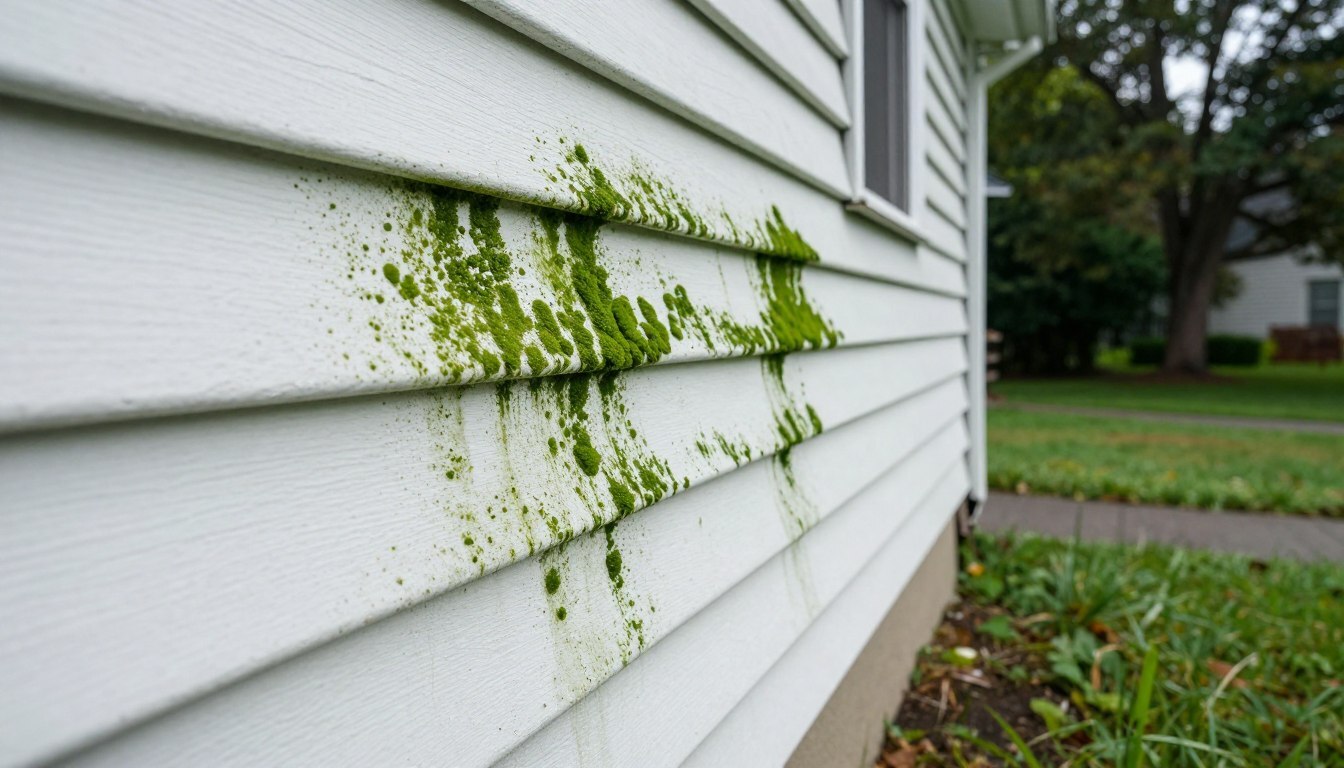
Why Algae Is More Noticeable on White Siding
The primary reason for this visibility is the high level of light reflection provided by white surfaces. When microscopic algae spores land on your home, they create a thin, green film that contrasts sharply against the bright background. Darker siding colors often hide these organic deposits, allowing them to accumulate for longer periods before they become apparent to the naked eye.
How Moisture, Shade, and Humidity Encourage Algae Growth
Algae thrives in environments where moisture remains trapped against the exterior walls for extended periods. Shaded areas, such as those under roof overhangs or near dense landscaping, provide the perfect conditions for these organisms to flourish. Humidity levels and airborne particles like pollen or dust act as a nutrient source, helping the growth adhere firmly to the siding surface.
Why Algae Appearance Does Not Always Indicate Siding Damage
It is important to recognize that a white siding algae issue is typically a surface-level problem. While the discoloration can look alarming, it does not necessarily mean your siding has reached the end of its lifespan. You should inspect the area carefully to ensure the material remains structurally sound and free of cracks or rot.
If you are concerned about the condition of your home, we are here to help. Call us at (703) 261-8228 for professional assistance in identifying and safely removing organic growth. We can help you determine if your siding simply needs a professional cleaning or if further maintenance is required to protect your investment.
- Assess the extent of the discoloration.
- Check for signs of physical damage or loose panels.
- Identify moisture sources like leaking gutters.
- Consult with experts to prevent future buildup.
What Algae on White Siding Looks Like
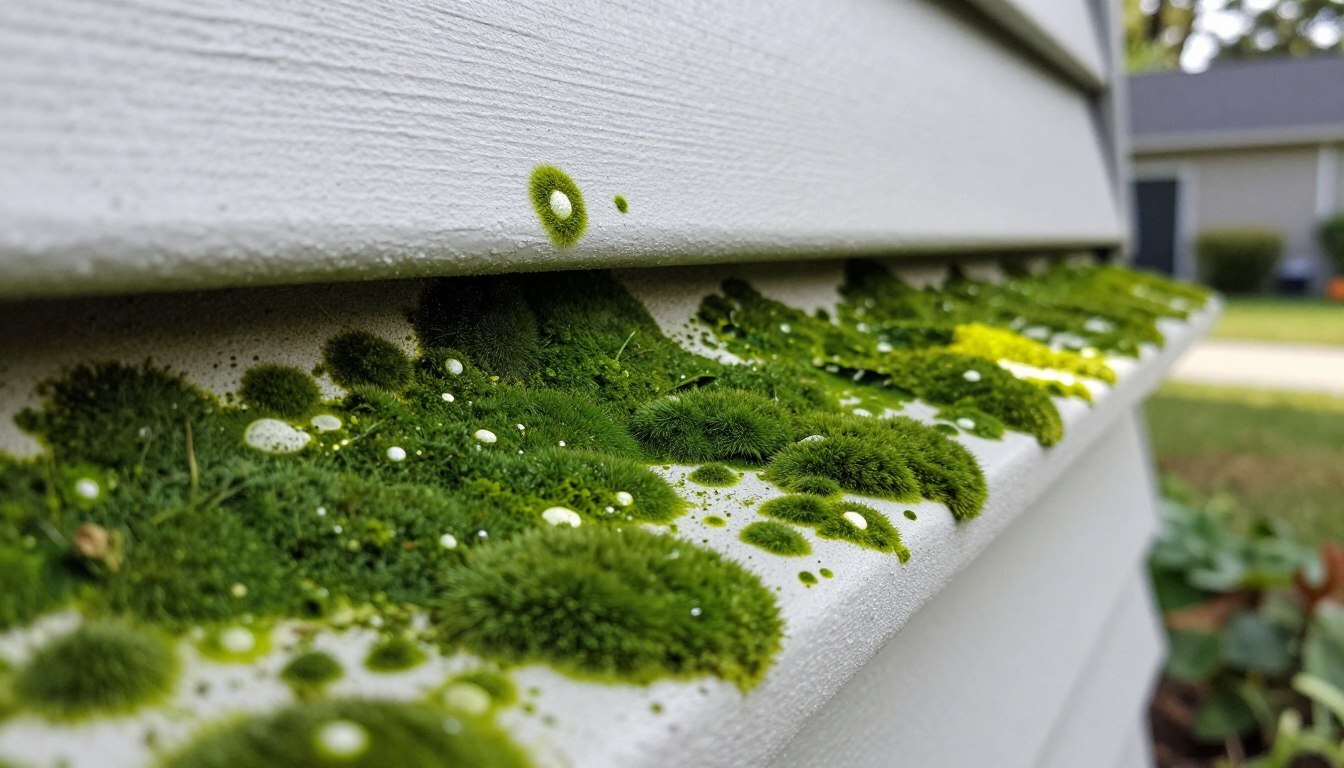
Identifying the specific type of buildup on your home is the first step toward a cleaner exterior. When you notice a white siding algae issue, it often appears as a fuzzy, green, or brownish film that clings to the surface. Unlike simple dust, this growth feels slightly slimy to the touch when wet.
Distinguishing Green Algae From Mold, Mildew, and Dirt
It is easy to confuse various types of organic buildup. Green algae typically presents as a vibrant, moss-like coating that thrives in damp conditions. In contrast, mildew often appears as gray or black powdery spots, while mold can look like dark, fuzzy patches that penetrate deeper into the material.
Ordinary dirt usually washes away with a light spray of water. If the discoloration remains after a gentle rinse, you are likely dealing with a biological growth that requires a specialized cleaning solution. Recognizing these differences ensures you choose the right tools for the job.
Common Locations Where Algae Growth Begins
You will often find algae growth on white siding in areas that stay shaded or damp for long periods. North-facing walls are particularly susceptible because they receive less direct sunlight to dry out moisture. Additionally, areas near downspouts or under roof overhangs frequently harbor these organisms due to constant water exposure.
Warning Signs That Require More Than Surface Cleaning
Sometimes, the presence of algae is a symptom of a larger structural problem. If you notice persistent staining that returns quickly after cleaning, it may indicate that your siding is not drying properly. You should call us at (703) 261-8228 for professional assistance if you suspect underlying damage.
When Discoloration May Indicate Trapped Moisture
Discoloration that appears deep within the seams or behind the panels often points to trapped moisture. This hidden water creates a perfect environment for biological growth that surface cleaning cannot reach. If the siding feels soft or spongy, the moisture may have already compromised the structural integrity of the wall.
When Cracked or Loose Siding Needs Repair
Cracked or loose panels provide easy entry points for water and spores. If you see gaps in your siding, simple cleaning will not solve the white siding algae issue. You must address these physical defects to prevent further water intrusion and long-term damage to your home.
| Stain Type | Appearance | Texture | Primary Cause |
|---|---|---|---|
| Green Algae | Vibrant green/brown | Slimy/Fuzzy | Moisture & Shade |
| Mildew | Gray/Black spots | Powdery | Humidity |
| Dirt/Dust | Brown/Gray film | Gritty | Environmental debris |
| Oxidation | Chalky white | Dry/Powdery | Sun exposure/Age |
Conditions That Create a White Siding Algae Issue
Several environmental factors often work together to create the perfect breeding ground for organic growth on your exterior walls. When we analyze properties, we look for specific triggers that turn a clean home into a host for biological buildup. Understanding these variables is essential for long-term algae growth on white siding management.
North-Facing Walls and Areas With Limited Sunlight
Walls that face north receive significantly less direct sunlight throughout the day. This lack of solar exposure prevents the siding from drying out quickly after rain or morning dew. Persistent dampness creates an ideal environment for spores to settle and thrive, leading to visible discoloration.
Gutters, Downspouts, and Roof Runoff Near Siding
Your roof system plays a major role in how moisture interacts with your home's exterior. If gutters are clogged or downspouts are positioned incorrectly, water can splash back onto the siding repeatedly. This constant hydration keeps the surface wet, which directly accelerates the development of unsightly stains.
Landscaping, Irrigation, and Poor Air Circulation
Dense vegetation planted too close to the house often blocks airflow and traps humidity against the walls. Furthermore, irrigation systems that spray water directly onto the siding provide a steady supply of moisture. Proper white siding algae prevention requires keeping shrubs trimmed and adjusting sprinkler heads to avoid wetting the structure.
How Local Weather Patterns Affect Algae Buildup
Local climate conditions, such as high humidity and frequent rainfall, dictate the speed at which organic matter accumulates. Repeated wet-dry cycles can cause spores to embed themselves deeper into the texture of the siding. If you notice that your home is struggling with these persistent issues, please call us at (703) 261-8228 for professional assistance.
By addressing these environmental triggers, you can significantly improve the appearance of your home. Effective white siding algae prevention is about controlling the moisture sources that allow these organisms to flourish. We are here to help you maintain a pristine exterior throughout every season.
How to Prepare for Cleaning Algae From White Siding
We believe that the secret to a spotless home lies in the steps you take before the cleaning begins. Implementing the best ways to combat algae on white siding starts with a thorough assessment of your property's exterior. By taking these precautions, you ensure that your home remains safe while you restore its original beauty.
Inspecting the Siding and Identifying Vulnerable Areas
Before applying any solution, walk around your home to identify specific zones where growth is heaviest. Look for dark streaks, fuzzy patches, or discoloration, especially near roof lines and shaded corners. Identifying these spots early allows you to focus your efforts effectively and apply targeted treatments where they are needed most.
Gathering Cleaning Supplies and Protective Equipment
Having the right tools on hand is essential for success. We recommend gathering high-quality, siding-safe detergents, soft-bristle brushes, and a low-pressure garden hose attachment. Following these white siding algae cleaning tips will help you achieve professional results without causing unnecessary wear to your home's finish.
Protecting Plants, Outlets, Doors, Windows, and Nearby Surfaces
Your landscaping and exterior fixtures require careful attention during the cleaning process. We suggest rinsing nearby plants with fresh water before and after the application to dilute any runoff. Additionally, cover electrical outlets with waterproof tape and ensure all windows and doors are tightly sealed to prevent moisture intrusion.
Why to Avoid Mixing Bleach With Ammonia or Other Cleaners
Safety is our top priority when handling chemical solutions. You must never mix bleach with ammonia or other household cleaners, as this combination creates toxic, life-threatening fumes. Always use products exactly as directed by the manufacturer to maintain a safe environment for your family and pets.
When Protective Eyewear, Gloves, and Respiratory Protection Are Needed
Even when using mild solutions, you should always wear appropriate personal protective equipment. We advise using chemical-resistant gloves, safety goggles to prevent splashes, and a mask if you are sensitive to cleaning agents. If you find the task overwhelming or require specialized equipment, please call us at (703) 261-8228 for professional assistance.
How to Remove Algae From White Siding Safely
Learning how to remove algae from white siding safely is essential for maintaining your home's curb appeal and structural integrity. We recommend a methodical approach that prioritizes the health of your exterior materials over speed. By using the right chemistry and controlled techniques, you can achieve professional results without risking damage to your property.
Applying a Siding-Safe Cleaning Solution
Start by selecting a cleaning agent specifically formulated for vinyl or composite siding. Avoid harsh bleach concentrations that might harm your landscaping or discolor the finish. We suggest applying the solution using a low-pressure sprayer to ensure even coverage across the affected areas.
Working From the Bottom Upward to Reduce Streaking
When applying your cleaning mixture, always start at the bottom of the wall and work your way up. This technique prevents the cleaning solution from running down over dry, dirty areas, which often creates unsightly streaks. Consistent application ensures that the entire surface receives equal treatment.
Allowing the Solution to Loosen Algae Before Scrubbing
Patience is a vital component when you learn how to remove algae from white siding. Allow the cleaning solution to dwell on the surface for several minutes without letting it dry completely. This dwell time breaks down the organic film, making it much easier to remove without excessive physical effort.
Rinsing From the Top Downward With Controlled Water Pressure
Once the solution has worked its magic, rinse the siding thoroughly starting from the top and moving downward. This direction ensures that all loosened algae and cleaning residue are washed away efficiently. Using a gentle, controlled stream of water prevents debris from settling back onto clean sections.
Removing Stubborn Growth Without Damaging the Siding Finish
If some spots remain, use a soft-bristled brush to gently agitate the area. Avoid using steel wool or abrasive pads, as these can permanently scratch the surface of your siding. If you encounter persistent stains, please call us at (703) 261-8228 for professional assistance.
Why High-Pressure Washing Can Force Water Behind Siding
Many homeowners mistakenly believe that high pressure is the best way to clean exterior walls. In reality, high-pressure water can easily force moisture behind the panels, leading to trapped water and potential mold growth inside your wall cavities. We strongly advise against using high-pressure settings on any siding material.
When a Soft-Wash Method Is Safer Than Aggressive Scrubbing
A soft-wash method is almost always the superior choice for delicate surfaces. By relying on effective cleaning agents rather than mechanical force, you protect the finish of your home. This approach is safer, more thorough, and significantly reduces the risk of accidental damage during the cleaning process.
Cleaning Methods That Can Damage White Siding
We often see well-intentioned cleaning efforts lead to costly repairs due to improper methods. While you may be eager to restore your home's appearance, following the right white siding algae cleaning tips is vital to avoid long-term harm. Using aggressive tools or chemicals can strip the protective finish of your siding, making it more susceptible to future growth.
Risks of Excessive Pressure and Incorrect Spray Angles
High-pressure washing is a common mistake that homeowners make. Blasting water directly into the seams of your siding can force moisture behind the panels, leading to rot and mold growth in your wall structure. Always maintain a downward angle to ensure water flows off the surface rather than underneath it.
Problems Caused by Abrasive Brushes and Harsh Chemicals
Using stiff-bristled brushes can leave permanent scratches on your vinyl finish. These micro-abrasions create tiny grooves where dirt and algae spores hide, making your next cleaning job even harder. Similarly, harsh chemicals like undiluted bleach can eat away at the protective UV coating of your siding.
How Heat and Concentrated Cleaners Can Discolor Vinyl Siding
Vinyl is sensitive to extreme heat and chemical reactions. Applying concentrated cleaners on a hot, sunny day can cause the solution to bake into the surface, leading to permanent discoloration or spotting. We recommend working in the shade whenever possible to keep the surface cool.
Why Testing a Small Hidden Area Matters
Before applying any solution to your entire home, always test a small, inconspicuous spot. This simple step helps you verify that your chosen cleaner will not cause fading or chemical damage. If the test area shows any signs of discoloration, stop immediately and choose a milder alternative.
How to Recognize Fading, Warping, and Chemical Damage
Keep an eye out for signs that your cleaning process is doing more harm than good. Fading often appears as a dull, chalky residue, while warping indicates that the siding has been exposed to excessive heat or pressure. If you notice these changes, you should stop your current cleaning routine immediately.
When to Stop Cleaning and Contact a Professional
If you find that the algae is not coming off with gentle pressure, do not force it. Continuing to scrub or increase pressure will only damage the material further. For safe and effective results, call us at (703) 261-8228 for professional assistance.
| Cleaning Method | Risk Level | Potential Damage |
|---|---|---|
| High-Pressure Spray | High | Water intrusion, denting |
| Stiff Wire Brushes | High | Deep scratches, finish loss |
| Undiluted Bleach | Medium | Discoloration, chemical burns |
| Soft-Wash Solution | Low | None (if rinsed properly) |
White Siding Algae Prevention Strategies
Preventing algae buildup on white siding is much easier than removing it once it has taken hold. By controlling the environmental factors that fuel organic growth, you can keep your home looking fresh for years. We recommend a proactive stance to ensure your exterior remains free of unsightly green stains.
Improving Sunlight and Airflow Around the Exterior
Algae thrives in damp, dark environments. One of the best ways to combat algae on white siding is to increase the amount of natural light and air circulation reaching your walls. Trimming back overhanging tree branches and dense bushes allows the sun to dry out moisture quickly after a rainstorm.
Keeping Gutters and Downspouts From Wetting Siding
Water runoff is a primary culprit for localized algae growth. Ensure your gutters are free of debris so that water flows away from the house rather than overflowing onto your siding. Extending downspouts further away from the foundation prevents splash-back, which is a common source of moisture that encourages algae.
Managing Shrubs, Vines, Mulch, and Irrigation Overspray
Vegetation planted too close to the house traps humidity against the siding. We suggest keeping a clear gap of at least two feet between your home and any shrubs or vines. Additionally, check your irrigation system to ensure sprinklers are not spraying water directly onto your walls, as this constant dampness is a major factor in preventing algae buildup on white siding.
Choosing a Practical Schedule for Preventive Cleaning
Your maintenance frequency should depend on your home's specific conditions. Homes with plenty of sunlight may only require an annual inspection and light wash. However, if your property is heavily shaded or prone to dampness, we recommend checking the siding every four to six months to catch early signs of growth.
Using White Siding Maintenance Tips After Storms and Wet Seasons
Severe weather often leaves behind organic debris like leaves and twigs that hold moisture against your home. Following these white siding maintenance tips, you should clear away any debris immediately after a storm. If you need professional assistance to keep your home in top shape, please call us at (703) 261-8228 for expert guidance.
When Professional Siding Cleaning Is the Better Choice
Tackling exterior maintenance can be rewarding, but certain challenges make professional help a much smarter investment. While many homeowners attempt to learn how to remove algae from white siding on their own, some situations demand the expertise of a trained technician to avoid costly damage.
Situations That Make DIY Algae Removal Unsafe or Ineffective
If your home features multiple stories or steep rooflines, the risk of injury during a cleaning project increases significantly. Attempting to balance on ladders while handling cleaning equipment is often dangerous and rarely yields the best results.
Furthermore, if you notice that the growth is mixed with mold or if your siding has a fragile finish, standard store-bought cleaners may not be enough. In these cases, you should seek professional assistance to ensure the job is done correctly without compromising your home's exterior.
How Professionals Protect Siding, Landscaping, and Exterior Fixtures
Professional crews prioritize the safety of your entire property, not just the siding itself. They use specialized techniques to shield delicate landscaping, outdoor lighting, and electrical outlets from harsh cleaning agents.
By controlling the runoff, experts prevent chemicals from pooling in your garden or damaging sensitive plants. This level of care is a primary reason why homeowners choose to hire professionals for their exterior maintenance needs.
What to Expect From a Professional Soft-Washing Service
A professional soft-washing service relies on low-pressure application rather than high-pressure blasting. This method is the gold standard for how to remove algae from white siding because it kills the spores at the root without etching the vinyl or forcing water behind the panels.
You can expect a thorough inspection of your home's exterior during the process. Our team is ready to help; please call us at (703) 261-8228 for professional assistance.
Questions to Ask About Cleaning Methods and Chemical Safety
When vetting a service provider, always ask about the specific cleaning solutions they use. It is important to confirm that their products are biodegradable and safe for the environment surrounding your home.
Inquire about their pressure settings as well. A reputable company will explain how they adjust their equipment to ensure the safety of your siding finish while effectively eliminating stubborn growth.
How to Evaluate Whether Recurring Algae Requires Further Inspection
If you find that algae returns shortly after a cleaning, it may indicate an underlying moisture issue. Professionals can help identify if your gutters are leaking or if poor air circulation is fueling the growth.
Addressing the root cause is just as important as the cleaning itself. By scheduling a professional inspection, you can prevent future buildup and keep your home looking pristine for much longer.
How to Keep Algae From Returning to White Siding
We believe that a seasonal maintenance schedule is the secret to lasting curb appeal. By following consistent white siding maintenance tips, you can ensure your home remains bright and clean throughout the year.
Creating a Seasonal Exterior Maintenance Plan
A successful plan involves checking your home's exterior at the start of every season. We recommend scheduling a light rinse during the spring and fall to remove organic debris before it settles into the surface.
Consistency is key when managing your home's appearance. By staying ahead of the weather, you avoid the need for harsh, deep-cleaning methods that could potentially harm your siding finish.
Combining Routine Inspections With Targeted Cleaning
Routine inspections allow you to spot early signs of growth before they become visible stains. When you notice small patches, a targeted cleaning approach is much more effective than waiting for the entire wall to discolor.
Focus your efforts on areas that receive the least amount of sunlight. These spots are often the first to show signs of trouble, making them the primary targets for your maintenance routine.
Addressing Drainage and Moisture Sources Instead of Only Treating Stains
The most effective way of preventing algae buildup on white siding is to eliminate the moisture that fuels it. Check your gutters and downspouts regularly to ensure they direct water away from your walls.
You should also trim back any overhanging tree branches or dense shrubs that block airflow. Improving ventilation helps the siding dry faster after rain, which significantly reduces the likelihood of future growth.
When to Schedule Expert Help for Persistent Algae Growth
Sometimes, despite your best efforts, algae may continue to return due to environmental factors beyond your control. If you find that growth persists within a few months of cleaning, it may be time to consult with a professional team.
Professional soft washing services provide a deeper, longer-lasting clean that can protect your home for 12 to 18 months. Our experts can identify hidden moisture issues and provide a thorough treatment that keeps your siding looking its best.
Call us at (703) 261-8228 for professional assistance
Conclusion
Keeping your white siding pristine requires a proactive mindset regarding moisture and organic growth. Algae often returns when shade, humidity, organic debris, poor drainage, or irrigation overspray remain unaddressed around your property.
We recommend a consistent approach to preserve your home value. Identify the specific growth, apply a siding-appropriate cleaner with adequate dwell time, and rinse with controlled low pressure. Correcting the underlying moisture source remains the most effective way to stop recurring stains.
Some situations require expert intervention to ensure safety and long-term results. Call us at (703) 261-8228 for professional assistance when growth is extensive, difficult to access, or associated with potential siding damage. Our team provides the specialized care needed to restore your home exterior effectively.
Frequently Asked Questions About White Siding and Algae
It is primarily a matter of contrast. While algae grows on many surfaces, the bright, reflective nature of white siding makes the green biological film and dark streaks stand out immediately, whereas they might blend into darker or earth-toned materials.
In most cases, a white siding algae issue is purely cosmetic and sits on the surface. However, if left untreated, the moisture held by the algae can eventually find its way behind the panels, potentially causing issues with the wall sheathing or insulation over time.
We recommend the "soft-wash" method. This involves applying a specialized cleaning solution (like those from Wet & Forget or 30 SECONDS) with a low-pressure sprayer, allowing it to dwell, and then rinsing it off with a standard garden hose.
The most effective prevention is moisture control. You should trim back landscaping to improve airflow, ensure your gutters are clear to prevent overflow, and adjust sprinklers so they don't spray directly onto the house.
Yes. In humid areas, we suggest a quick rinse of the siding every six months to remove pollen and dust, which act as a food source for algae. Keeping the surface clean prevents the "biofilm" from establishing a strong grip on the siding.
While diluted bleach can kill algae, it can also harm your landscaping and dry out vinyl siding. If you use it, ensure it is properly diluted and never mix it with ammonia-based cleaners, as this creates dangerous fumes.
You should contact a professional if the growth is on the second story, if the staining is persistent despite DIY efforts, or if you notice signs of moisture damage like warped panels. You can reach our team for an inspection at (703) 261-8228.
© 2026 All Rights Reserved